
Prince of Wales’s Fort Hudson Bay — History & Facts
Did the painter know this moment would outlive them? As time ebbs and flows, the essence of rebirth persists within each brushstroke, echoing the resilience of the human spirit. Look closely at the foreground, where the rugged terrain meets the structured lines of the fort. The artist masterfully contrasts the stark, angular shapes of the stone fortifications against the soft, undulating landscape. Notice how the muted palette of earth tones is pierced by delicate hints of greenery, suggesting life’s resilience amid the harshness of the scene.
The way light dances upon the water creates a shimmering barrier that separates the fort from its wilderness surroundings, inviting viewers to ponder the delicate balance between civilization and nature. Delve deeper into the composition, where the juxtaposition of hard stone and fluid water reflects a tension between permanence and transience. The fort stands as a bastion of human endeavor, yet the encroaching foliage hints at nature’s inevitable reclamation. This duality captures a moment of rebirth, where the constructed world is both a protector and a prisoner, reminding us of the fragility of habitation in a vast wilderness. The artwork was created during a time of exploration and expansion in the early 19th century, reflecting Charles Hamilton Smith's interest in the natural world and colonial landscapes.
Working in England, it is likely that he was influenced by both the Romantic movement's admiration for nature and the burgeoning interest in documenting the New World. In this piece, he captures not just a physical fort, but an enduring symbol of human aspiration amidst the vast wilderness of Hudson Bay.
More Artworks by Charles Hamilton Smith
Browse all →
Situation of H.M.S. Hecla & Griper
Charles Hamilton Smith
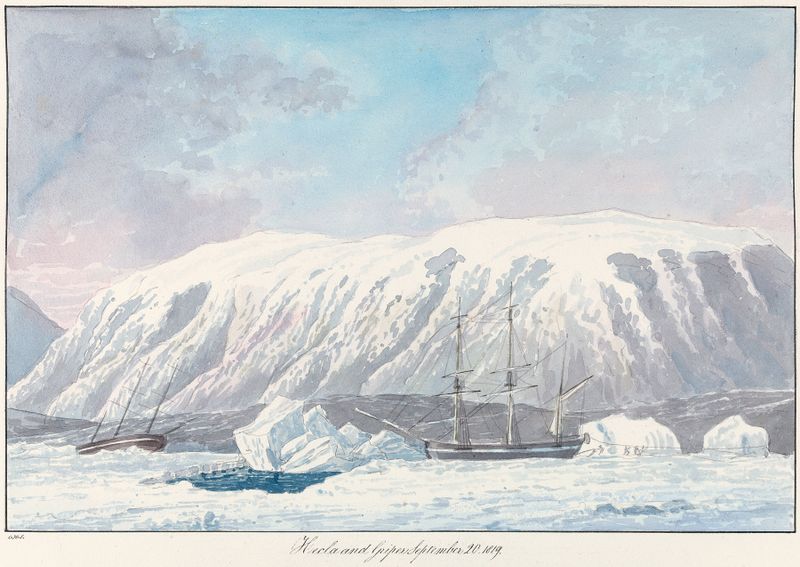
Hecla and Griper
Charles Hamilton Smith

Friendly Cove, Nootka Sound
Charles Hamilton Smith

Iceberg in Baffin’s Bay
Charles Hamilton Smith
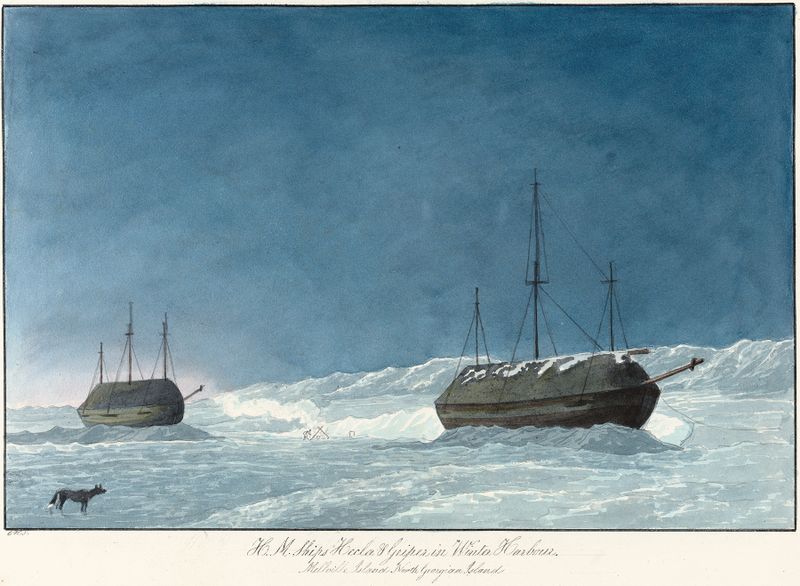
H. M. Ships Hecla and Griper in Winter Harbour
Charles Hamilton Smith

The Erebus & Terror in a Gale in the Pack of the Ice
Charles Hamilton Smith
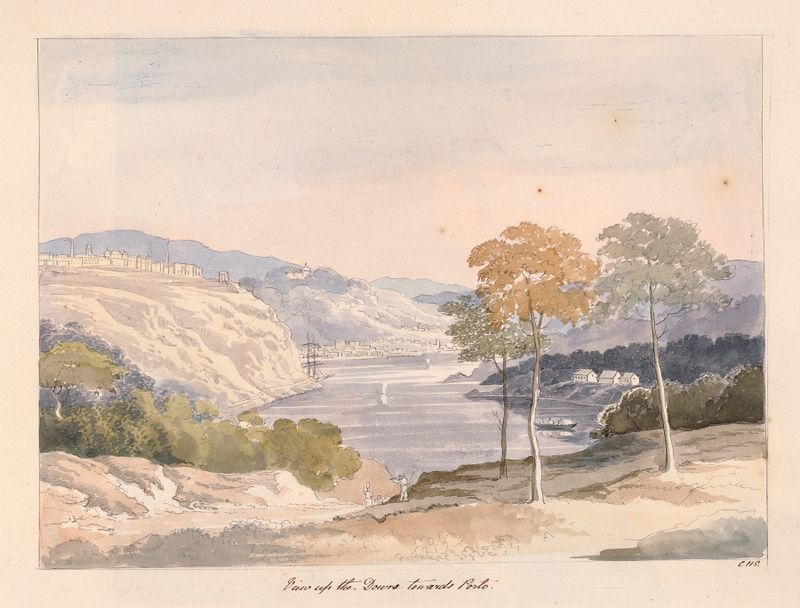
View of the Douro towards Porto
Charles Hamilton Smith
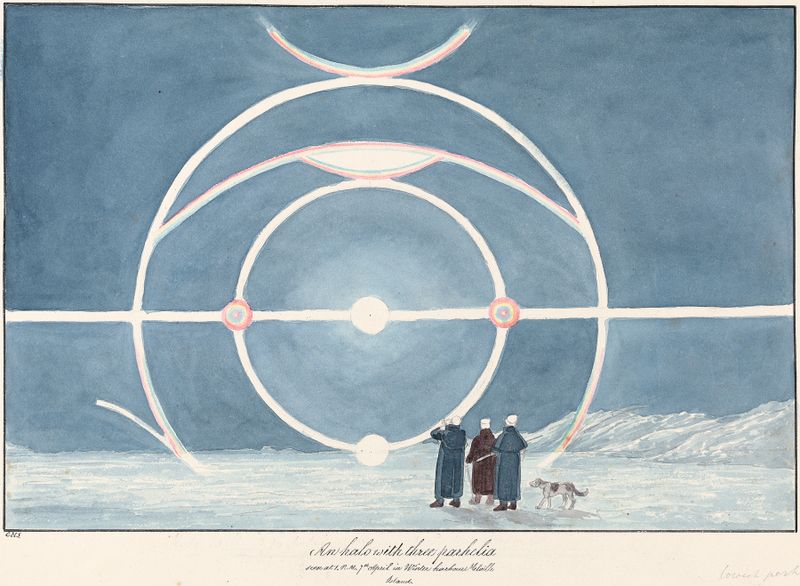
Halo with Three Parhelia, Winter Harbour Melville Island
Charles Hamilton Smith
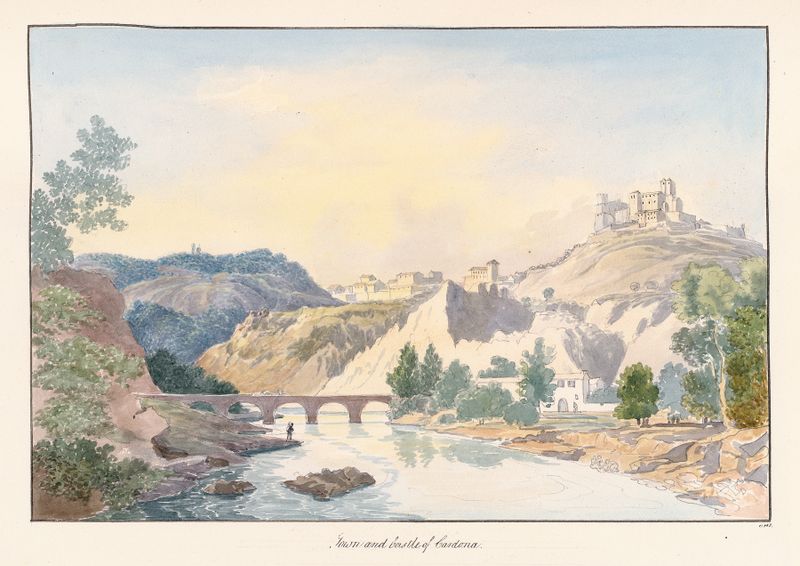
Town and Castle of Cardona
Charles Hamilton Smith
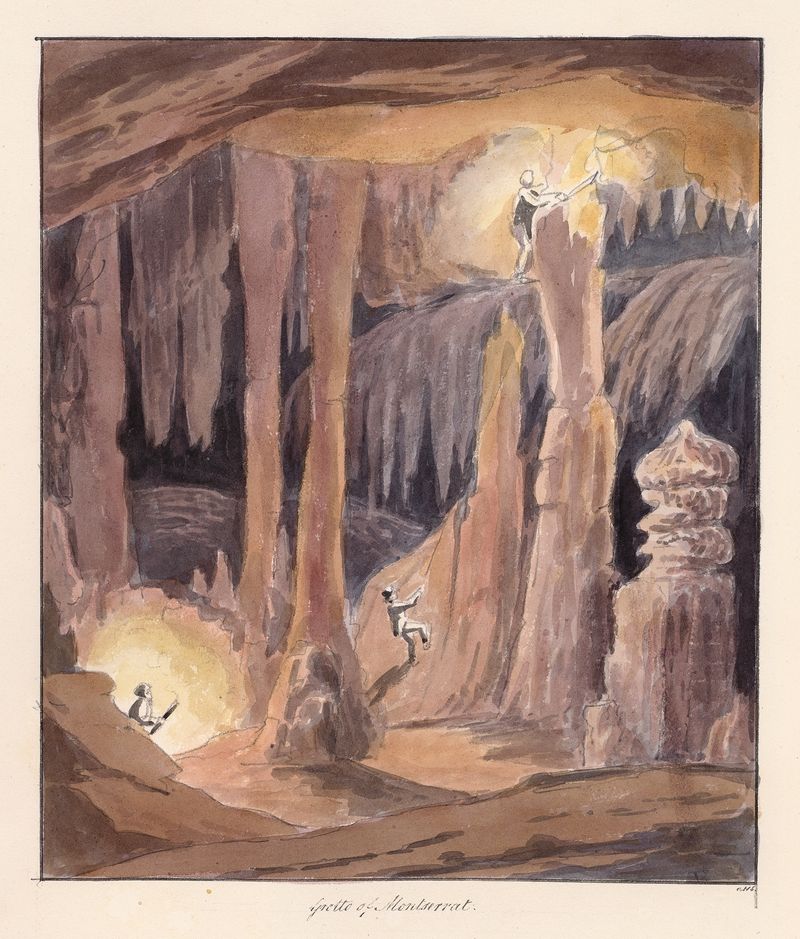
Grotto of Montserrat
Charles Hamilton Smith





