
Prison du Cherche-Midi, rue du Cherche-Midi, au coin du boulevard Raspail — History & Facts
When did color learn to lie? The vibrant hues of the canvas beckon, inviting us into a world where truth and perception collide, awakening in us a sense of unrest and inquiry. Focus on the bold strokes of red and blue that dominate the composition, creating an almost jarring contrast against the somber grays of the prison walls. The geometric shapes of the architecture pull your gaze, leading you to the intricate details of iron bars that seem to imprison not just bodies, but also hope. Notice how Manesse expertly uses light to cast shadows that elongate across the scene, embodying the weight of confinement and a looming sense of despair. Hidden within the vibrant facade lie deeper tensions: the juxtaposition of the lively colors against themes of entrapment evokes a sense of revolution, both artistic and social.
The sharpness of the lines suggests a fracture in the reality being depicted, while the chaotic energy of the brushwork hints at a world on the brink of transformation. It questions the nature of freedom and the boundaries imposed by society, urging us to consider the lives trapped beneath the surface. Created in 1909, this piece reflects Georges-Henri Manesse's exploration of modernism amidst a backdrop of socio-political upheaval in France. As the art world shifted towards abstraction and away from the realistic representation, Manesse's work emerged from a time when avant-garde movements began to challenge traditional norms, mirroring the revolutionary spirit permeating the society of his day.
More Artworks by Georges-Henri Manesse
Browse all →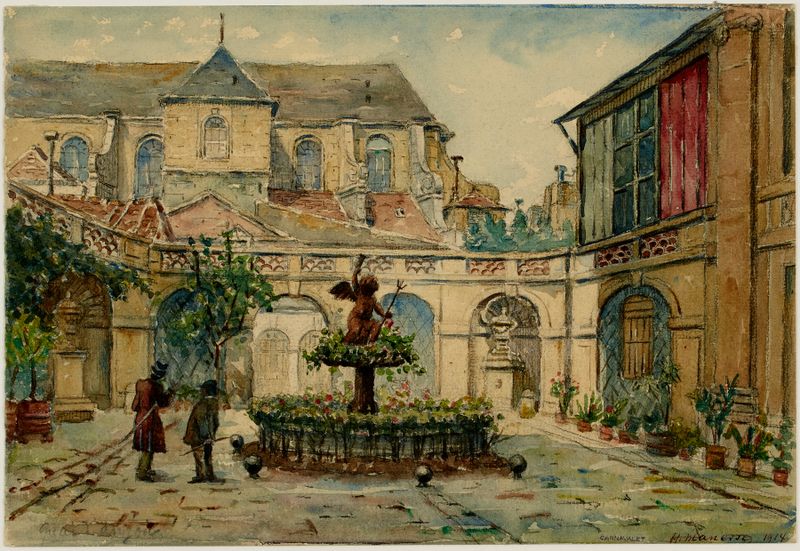
Cour intérieure de l’Hôtel Hesselin, 24 quai de Béthune
Georges-Henri Manesse
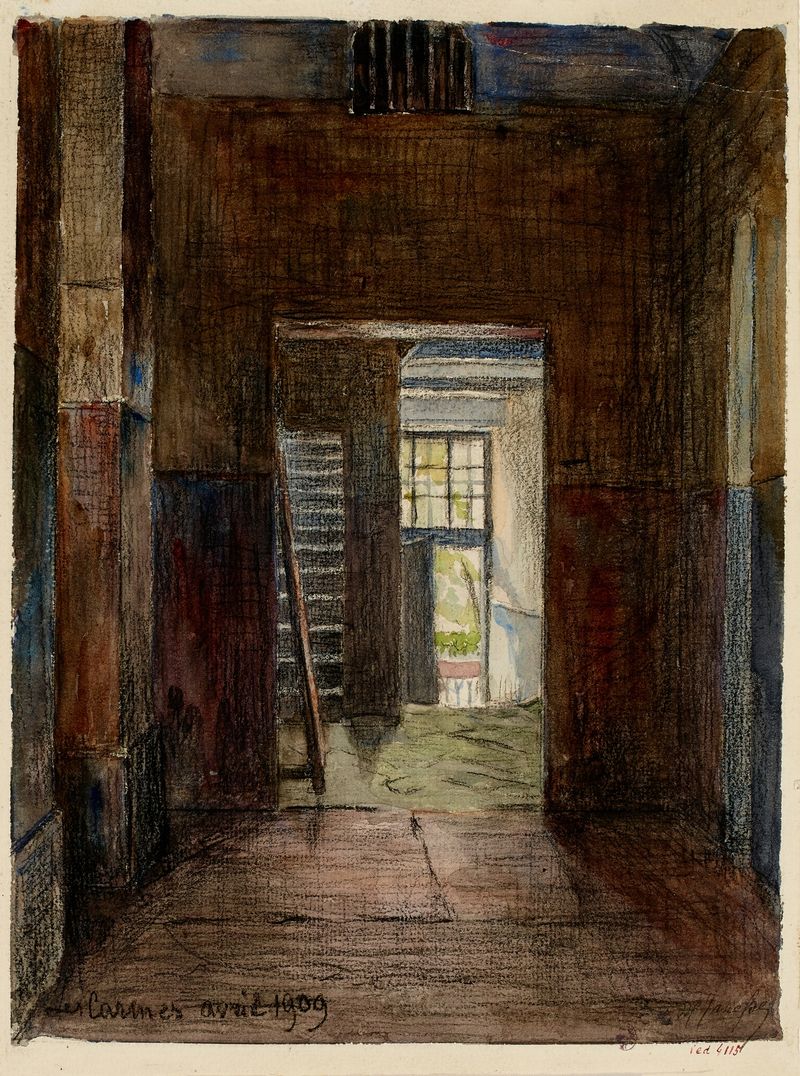
Intérieur du couvent des Carmes, rue de Vaugirard
Georges-Henri Manesse
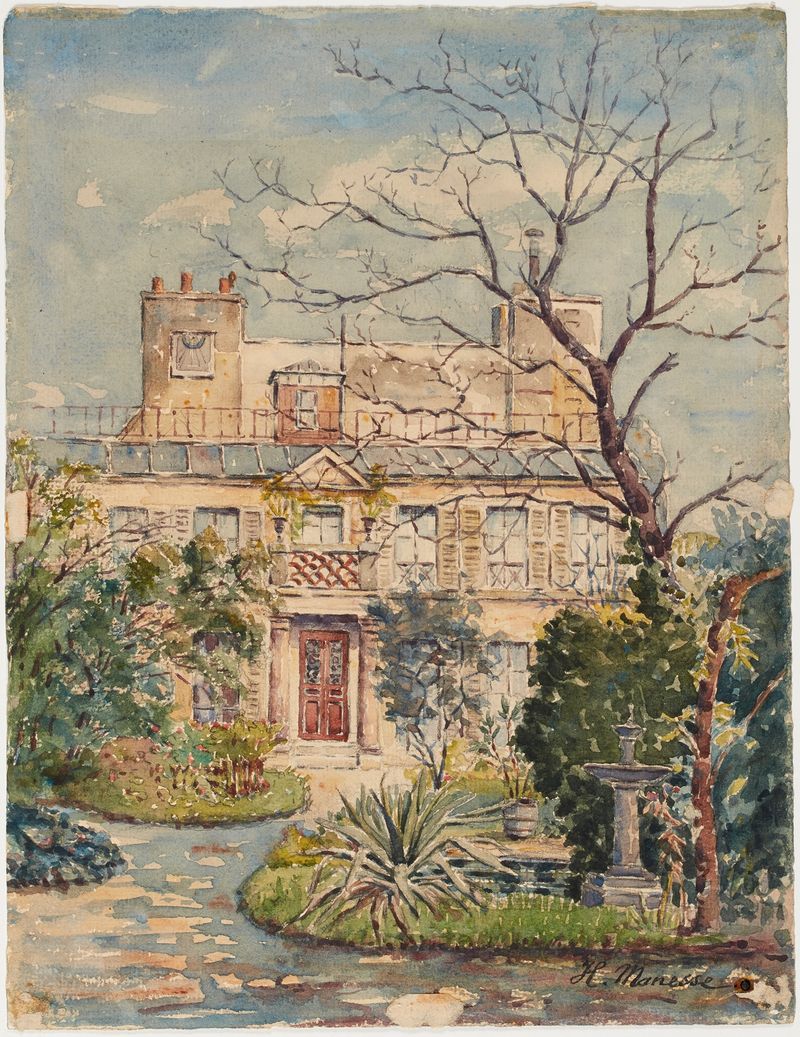
Maison de Victor Hugo, rue du Cherche-Midi
Georges-Henri Manesse
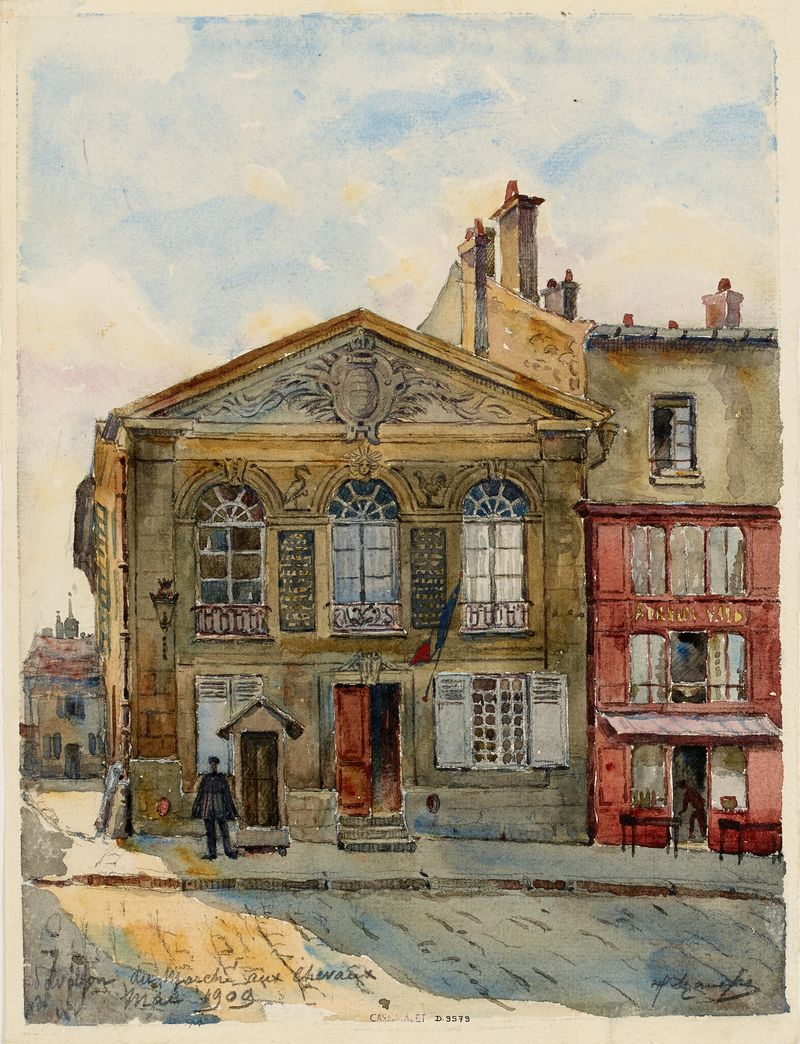
Le pavillon de police du Marché aux chevaux, rue Geoffroy Saint Hilaire
Georges-Henri Manesse

Passerelle des Arts
Georges-Henri Manesse

Vieille maison du XVè siècle, 6 rue Boutebrie
Georges-Henri Manesse
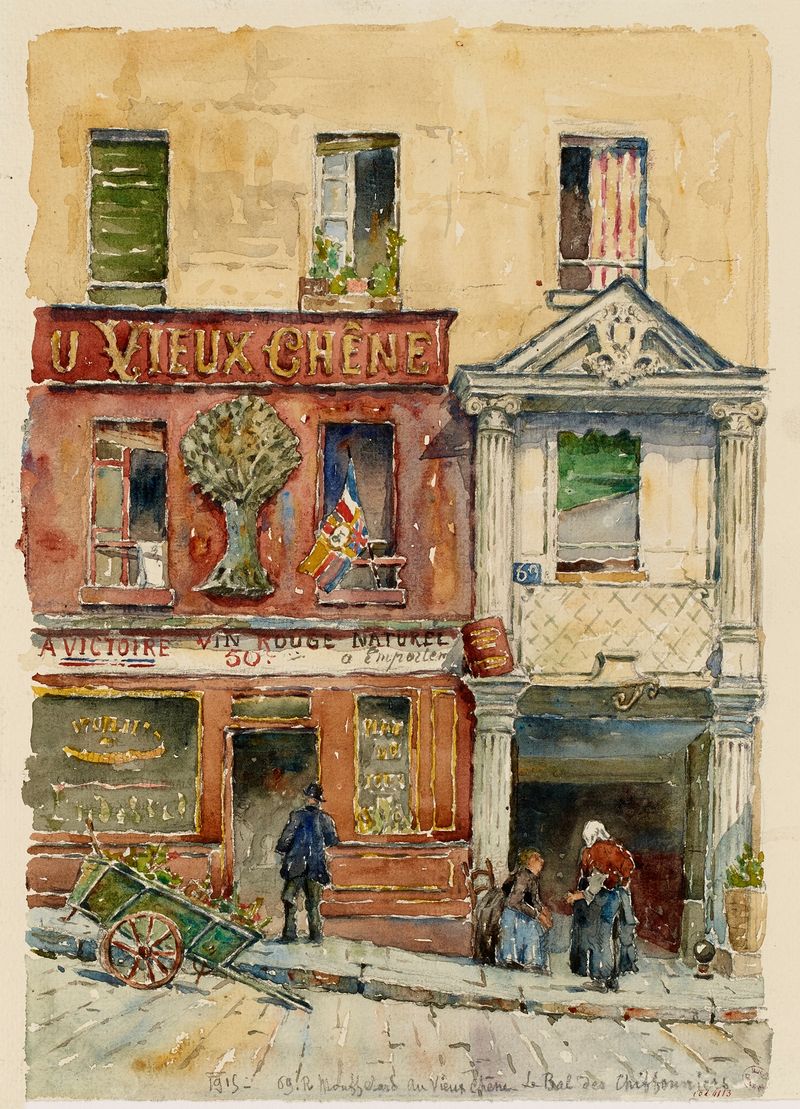
69, rue Mouffetard Boutique de vins à l’enseigne du Vieux chêne
Georges-Henri Manesse
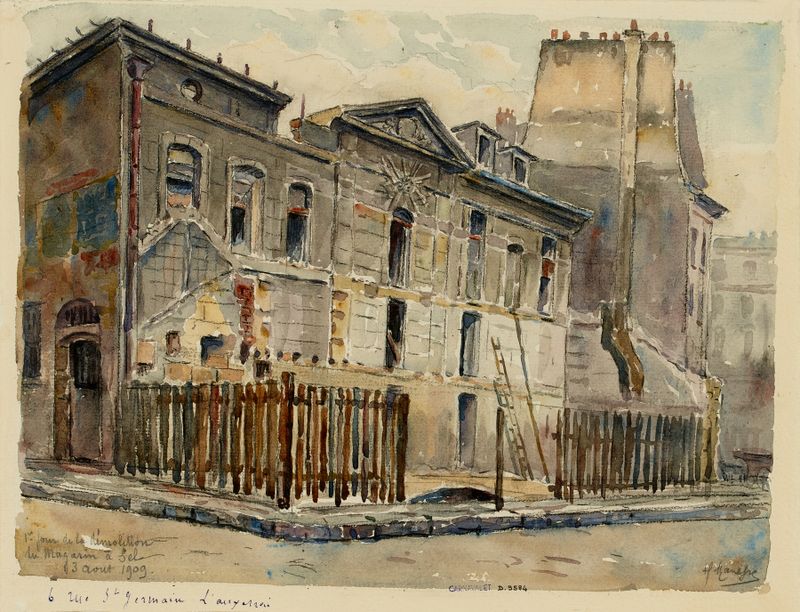
Premier jour de la démolition du magasin à sel, 6 rue Saint Germain de l’Auxerrois
Georges-Henri Manesse
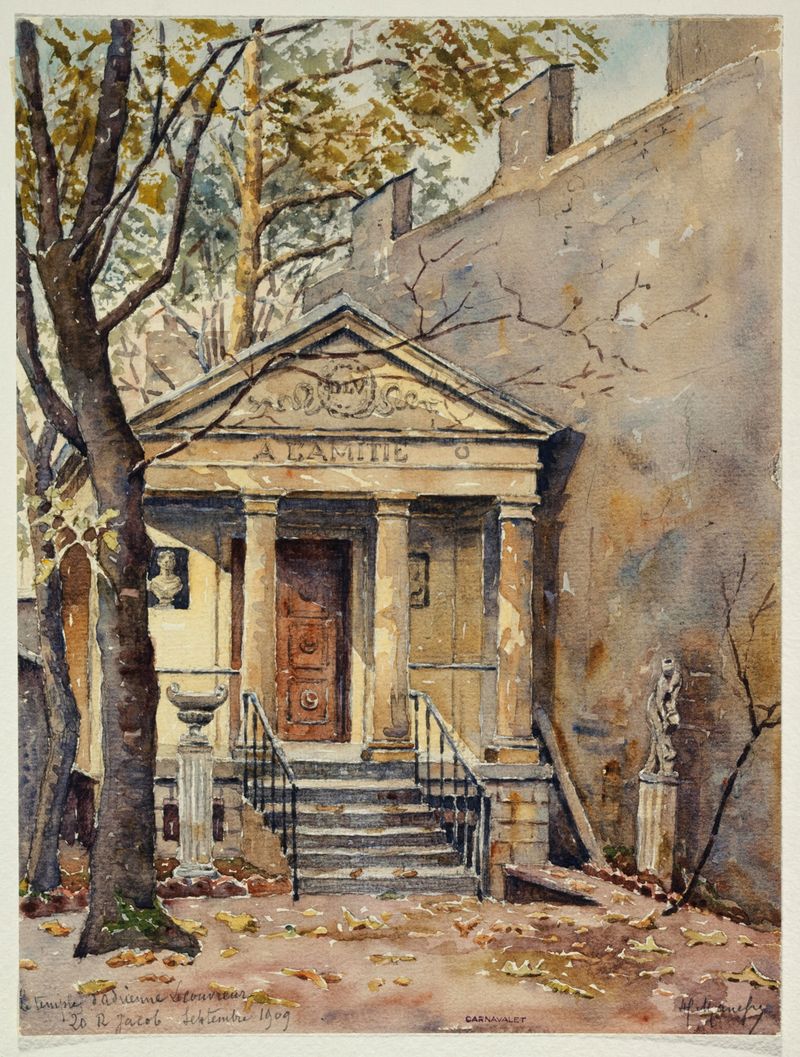
Temple de l’Amitié, 20 rue Jacob où habita Adrienne Lecouvreur
Georges-Henri Manesse

Maison de campagne de Jean-Jacques Rousseau, 20 quai de Passy
Georges-Henri Manesse
More Architecture Art
Browse all →
The statue of Liberty
Frédéric Auguste Bartholdi

View of Houses in Delft, Known as ‘The Little Street’
Johannes Vermeer

View of Houses in Delft, Known as ‘The Little Street’
Johannes Vermeer

The Cathedral in Rouen. The portal, Grey Weather
Claude Monet

The yellow house
Vincent van Gogh

The Church in Auvers-sur-Oise, View from the Chevet
Vincent van Gogh