
Probable view of the white-stone Kremlin of Dmitry Donskoy. The end of the 14th century — History & Facts
What first catches the eye is the sheer density of life pressed between river and fortress wall: a teeming crowd, boats clustered at the shore, and the pale, massive towers of the Kremlin rising behind. The artist, Apollinari Mikhailovich Vasnetsov, uses the sweep of the stone fortifications to draw us upward from the chaos of trade and labor toward the ordered geometry of wooden roofs and domes. Every detail serves a purpose—the smoke rising from riverside huts, the white sails billowing in the foreground, the careful rendering of masonry and timber.
The light is cool and diffused, lending a sense of early morning or fading day, and the palette—muted greens, browns, and the creamy white of stone—anchors the scene in both realism and memory. The whole composition hums with movement, yet the walls themselves stand immovable, a silent witness to the centuries. Painted in 1922, this work belongs to a tradition of Russian historical reconstruction, where artists sought to recover and imagine the lost architecture and daily life of medieval Moscow. Such images were often commissioned for museums or scholarly projects, aiming to educate and inspire pride in a shared past at a time of rapid change.
Vasnetsov was renowned for his archaeological precision and poetic vision, blending research with atmosphere. Today, the painting resides in the Museum of Moscow, a fitting home for a vision that bridges the city’s distant origins and its modern identity. Look again at the faces in the boats, the watchful figures atop the towers, and the layered roofs within the walls—each detail invites the viewer to step into a vanished world, alive with purpose and anticipation.
More Artworks by Apollinari Mikhailovich Vasnetsov

Landscape With Lake
Apollinari Mikhailovich Vasnetsov
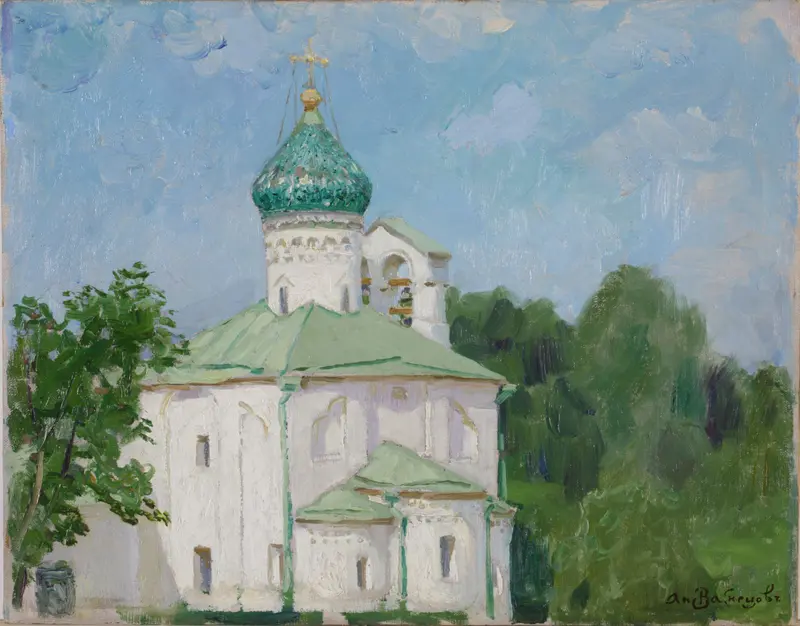
Sergius Luzhki
Apollinari Mikhailovich Vasnetsov
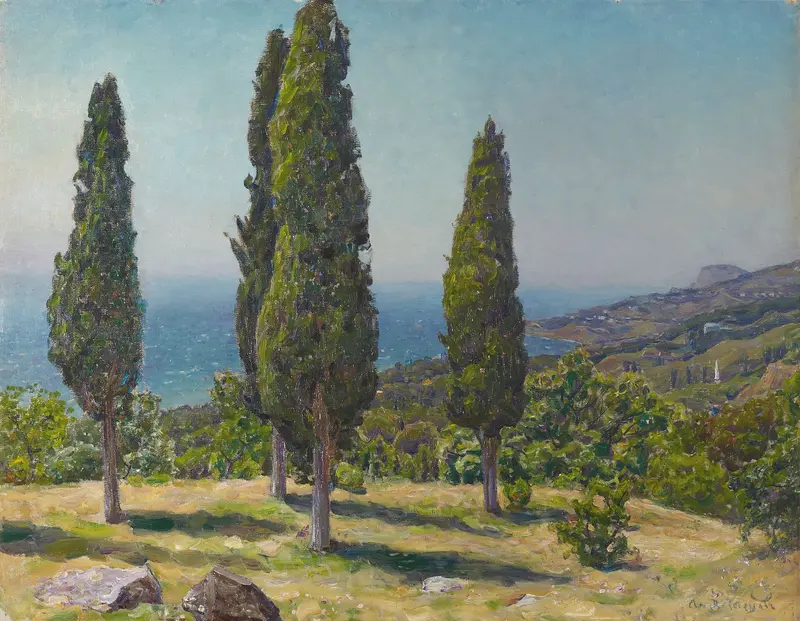
cypresses. Crimea
Apollinari Mikhailovich Vasnetsov
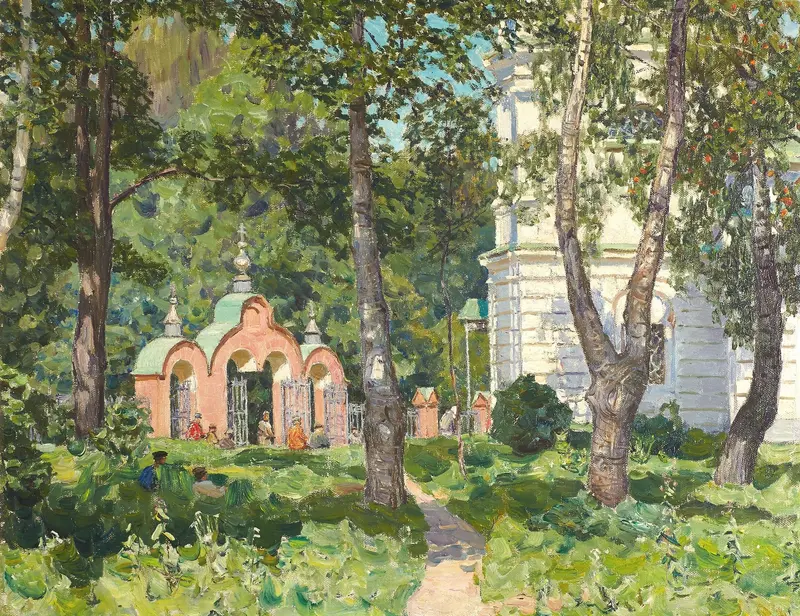
Demyanovo. At the churchyard
Apollinari Mikhailovich Vasnetsov
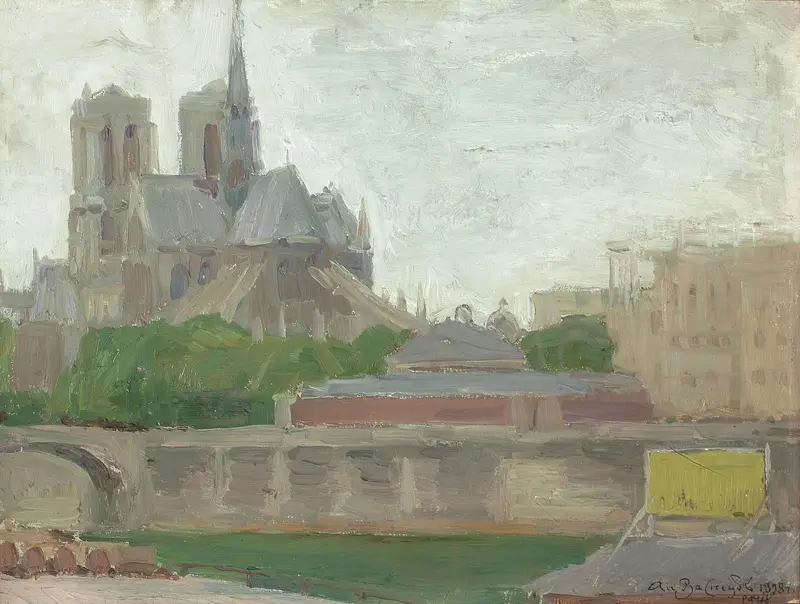
Notre Dame de Paris
Apollinari Mikhailovich Vasnetsov
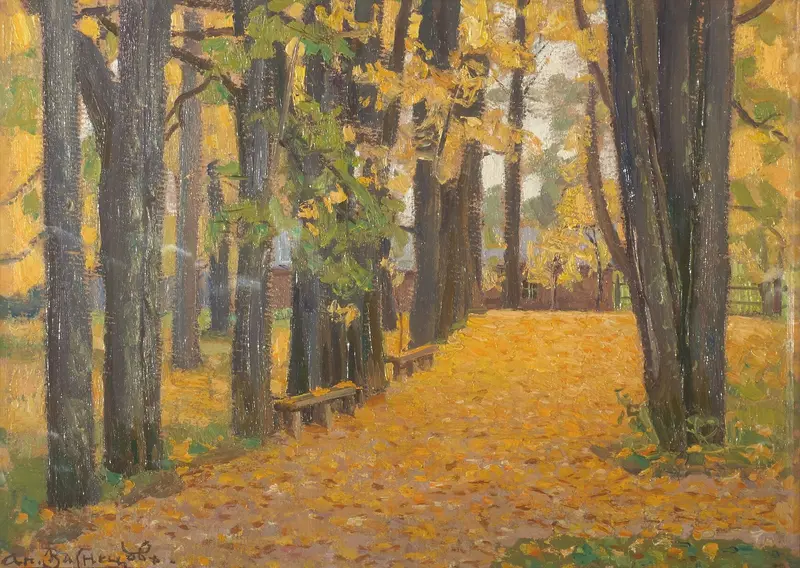
Autumn park
Apollinari Mikhailovich Vasnetsov
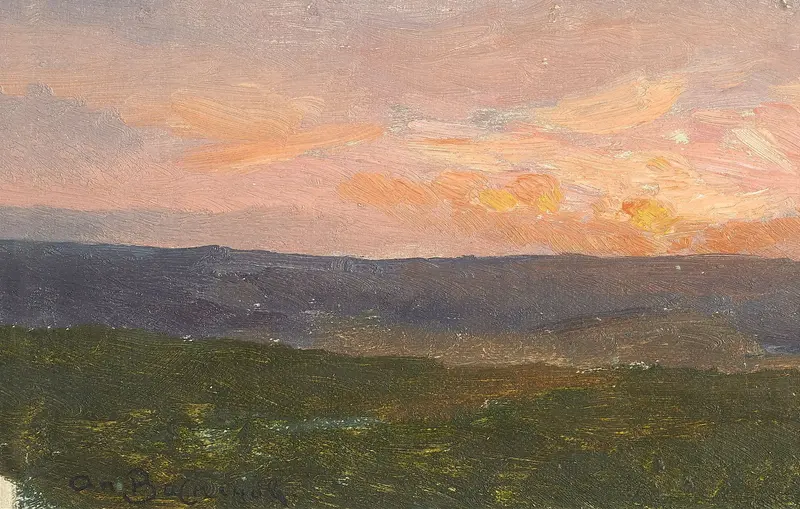
Sunset. Shurma
Apollinari Mikhailovich Vasnetsov

Via delle Tombe Pompeii
Apollinari Mikhailovich Vasnetsov
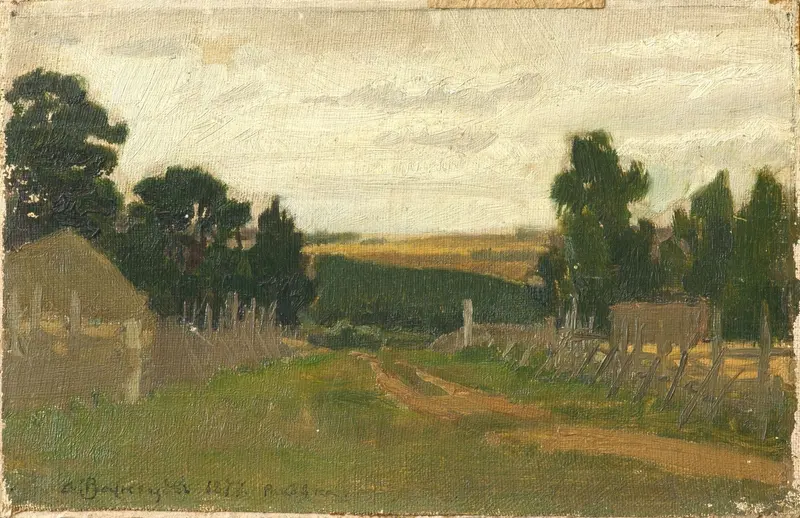
Rakovka
Apollinari Mikhailovich Vasnetsov
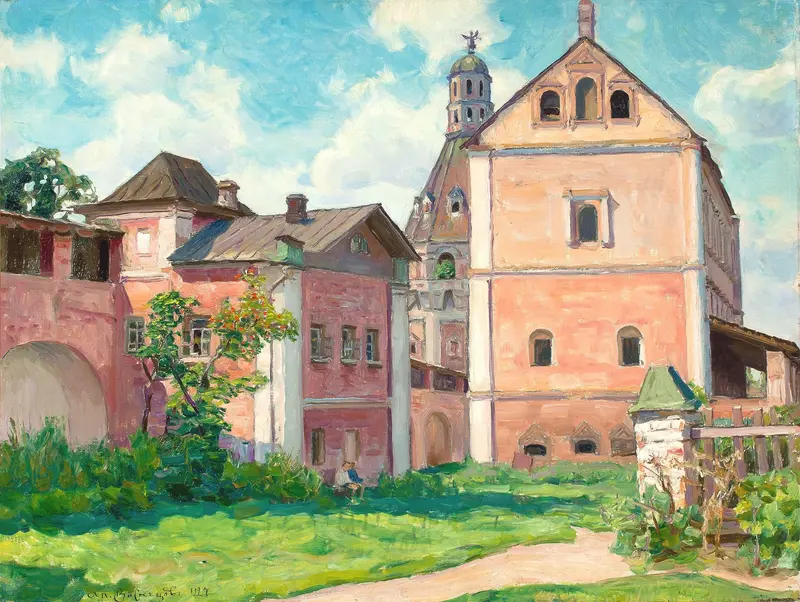
Simonov tower
Apollinari Mikhailovich Vasnetsov





