
Notre Dame de Paris — History & Facts
A haze of pale light settles over the towers of Notre Dame, their forms rising not as monuments but as memories—half-remembered, softened at the edges. The brushwork is brisk and searching, as if Apollinari Mikhailovich Vasnetsov is grasping for the cathedral’s presence rather than its precise likeness. The eye is drawn first to the cool, stony bulk of the church, but soon finds itself wandering the gentle greens of the trees, the muted ochres and greys of the embankment, the fleeting suggestion of water below.
Even the sky seems to tremble, restless with movement, refusing to settle into a single mood. This is not the Paris of postcards, but a city glimpsed in passing—a city in the act of becoming paint. In 1898, artists across Europe were turning their gaze outward, seeking to capture the fleeting impressions of modern life. Russian painters like Vasnetsov—better known for his historical and fantastical scenes—were not immune to the pull of the cityscape, especially as travel and cultural exchange flourished in the late nineteenth century.
Paintings like this, quick and atmospheric, were often created as studies or souvenirs, tokens of a journey or an afternoon’s light. Today, this work survives in a Russian collection, its date and signature anchoring it to a moment when Paris was both a destination and a dream. The unfinished quality invites us to linger, to imagine the artist’s hand still moving, the city still shimmering just out of reach.
Sources: Wikidata Q131193246 · Image source (Wikimedia Commons)
More Artworks by Apollinari Mikhailovich Vasnetsov

Landscape With Lake
Apollinari Mikhailovich Vasnetsov
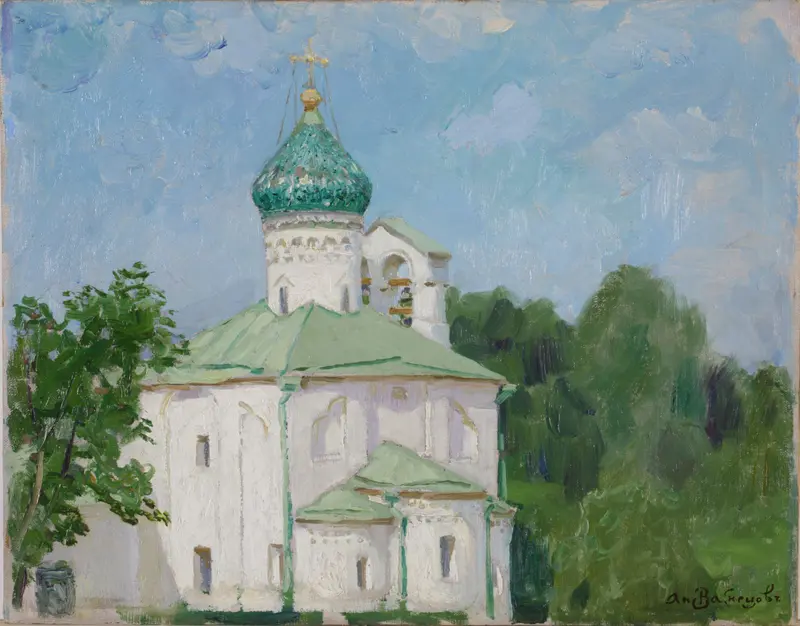
Sergius Luzhki
Apollinari Mikhailovich Vasnetsov
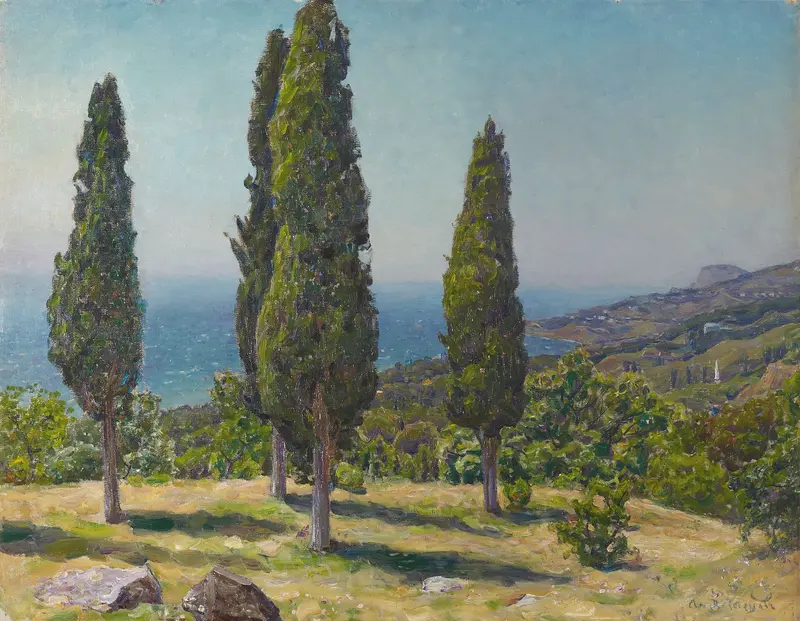
cypresses. Crimea
Apollinari Mikhailovich Vasnetsov
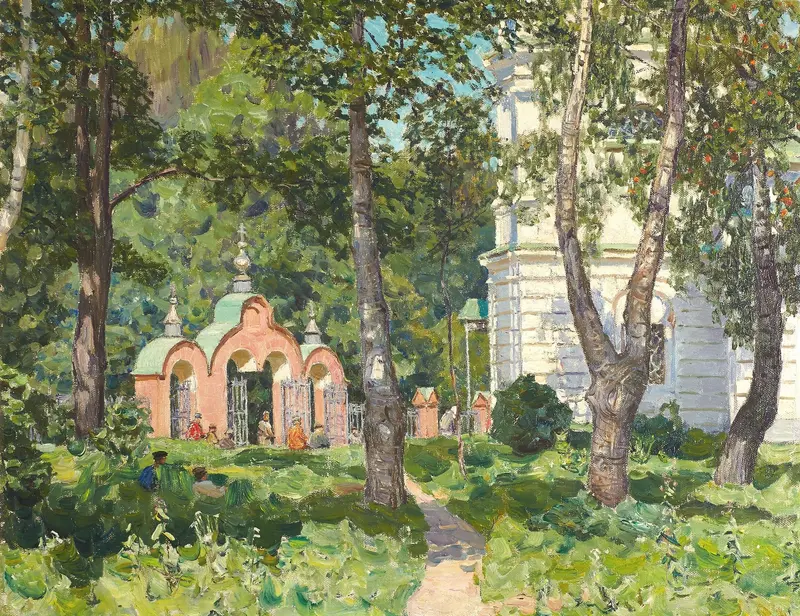
Demyanovo. At the churchyard
Apollinari Mikhailovich Vasnetsov
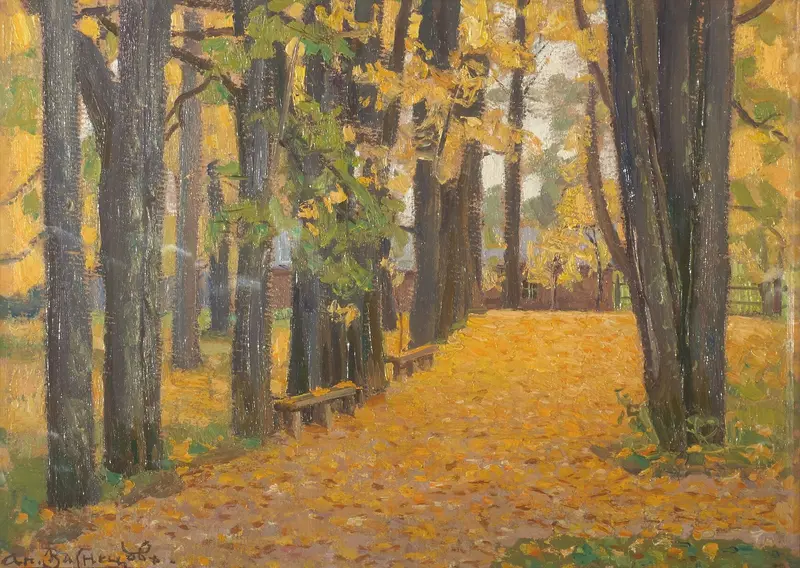
Autumn park
Apollinari Mikhailovich Vasnetsov
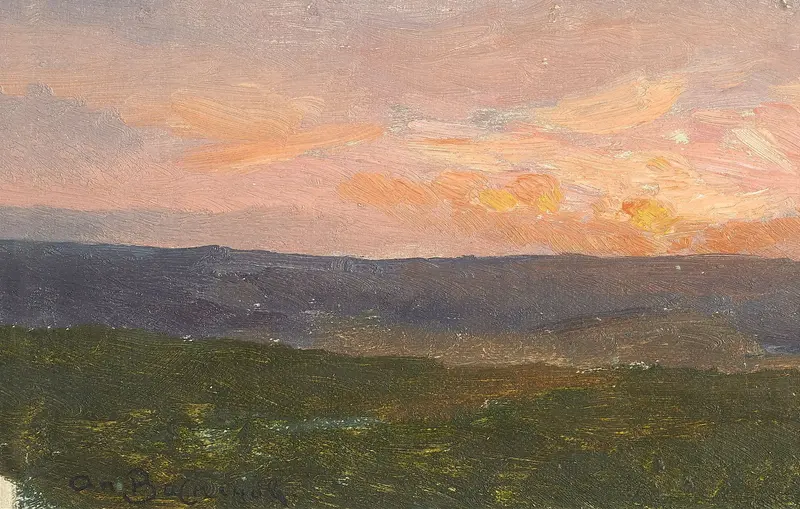
Sunset. Shurma
Apollinari Mikhailovich Vasnetsov

Via delle Tombe Pompeii
Apollinari Mikhailovich Vasnetsov
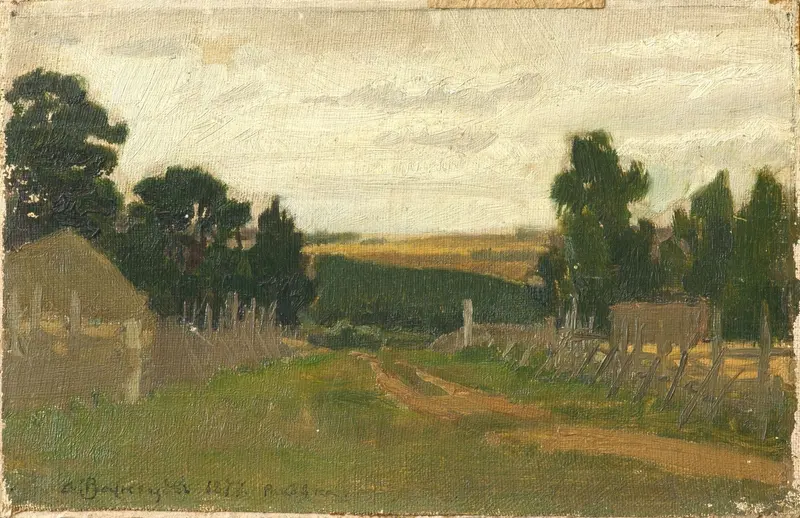
Rakovka
Apollinari Mikhailovich Vasnetsov
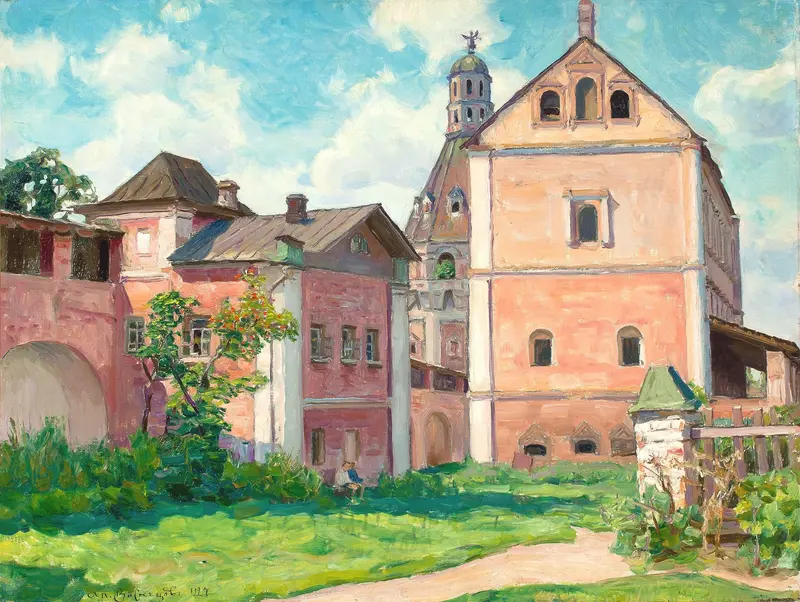
Simonov tower
Apollinari Mikhailovich Vasnetsov

Kozlovka. Fields
Apollinari Mikhailovich Vasnetsov
More Landscape Art

The Starry Night
Vincent van Gogh

View of Delft
Johannes Vermeer

Water Lilies
Claude Monet

The Grand Canal, Venice, looking north-west from the Ca' Corner to the Ca' Contarini degli Scrigni, with the campanile of Santa Maria della Carità
Canaletto

Windsor Castle
Canaletto

The Grand Canal looking North-East from the Palazzo Dolfin-Manin to the Rialto Bridge
Canaletto