
Procession of a Japanese Daimyō — History & Facts
A vibrant parade unfurls before us, a kaleidoscope of color and movement. Statuesque figures in ornate robes stride purposefully, their faces a blend of stoicism and pride, as crowds gather, their gazes fixed with a mixture of reverence and intrigue. The soft glow of lantern light bathes the scene, illuminating intricate patterns and casting shadows that dance around the procession, signaling a moment steeped in tradition and yet whispering of change. Look to the left at the commanding presence of the daimyō, his garments richly embroidered, capturing the eye with their elaborate designs and deep hues.
Notice how the artist expertly employs layers of pigment to create depth, allowing the fabric to come alive with texture. The juxtaposition of the daimyō's stillness against the fluid motion of his attendants embodies a complex interplay of power and subservience, while the carefully arranged composition leads the viewer's gaze along the path of this ceremonial march. Beneath the surface, the painting hints at a burgeoning sense of revolution. The juxtaposition of the ornate splendor of the daimyō's attire against the commoners' simpler garments reflects the widening chasm between the elite and the masses.
The subtle tension in the expressions of the onlookers suggests a yearning for transformation, a stirring beneath the polished surface of societal hierarchy that would soon lead to profound changes in Japan’s governance and culture. Kano Eikei painted Procession of a Japanese Daimyō during the early Edo period, a time marked by rigid class structures and flourishing arts. Working in the late 17th century, he tapped into the intricate balance of tradition and emerging ideals as Japan began to grapple with its identity amidst a changing world. This artwork serves as both a celebration of ceremonial grandeur and an understated commentary on the stirrings of unrest that would shape the nation’s future.
More Artworks by Kano Eikei
Browse all →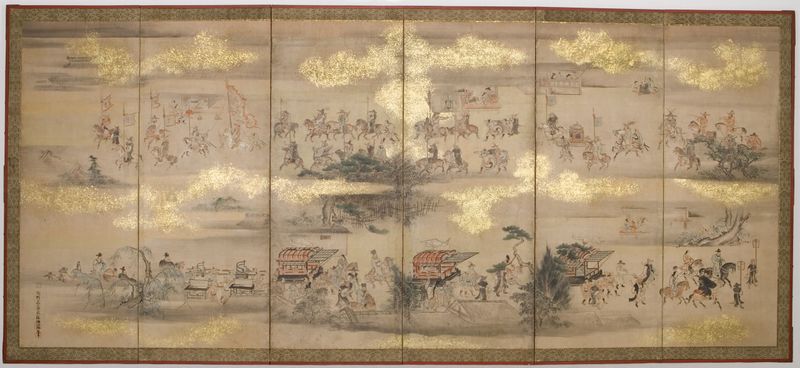
More Historical Art
Browse all →
The Night Watch Militia Company of District II under the Command of Captain Frans Banninck Cocq
Rembrandt van Rijn
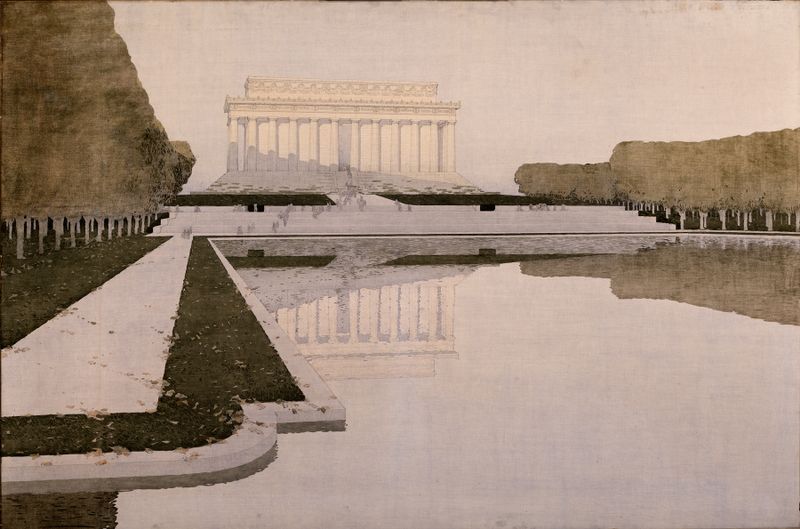
Lincoln Memorial
Henry Bacon
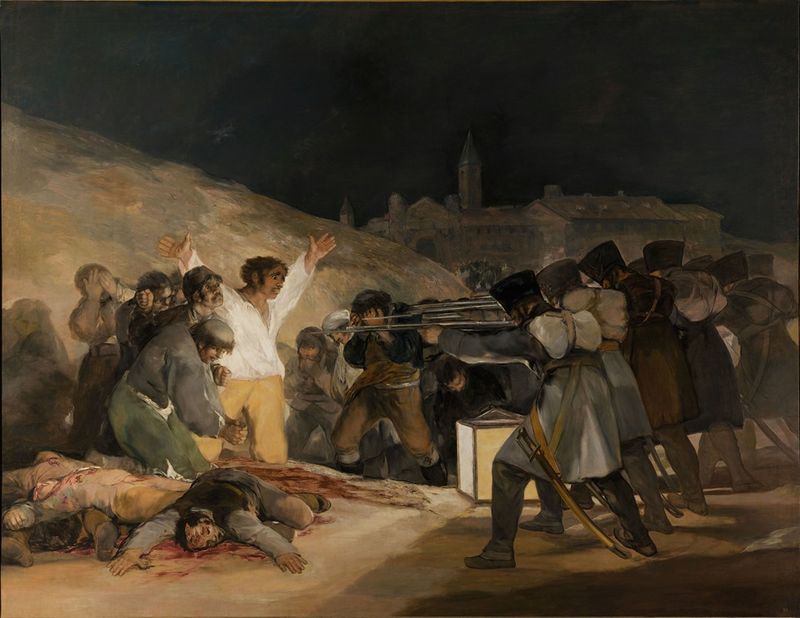
The Third of May 1808
Francisco de Goya

Isaac and Rebecca, Known as ‘The Jewish Bride’
Rembrandt van Rijn
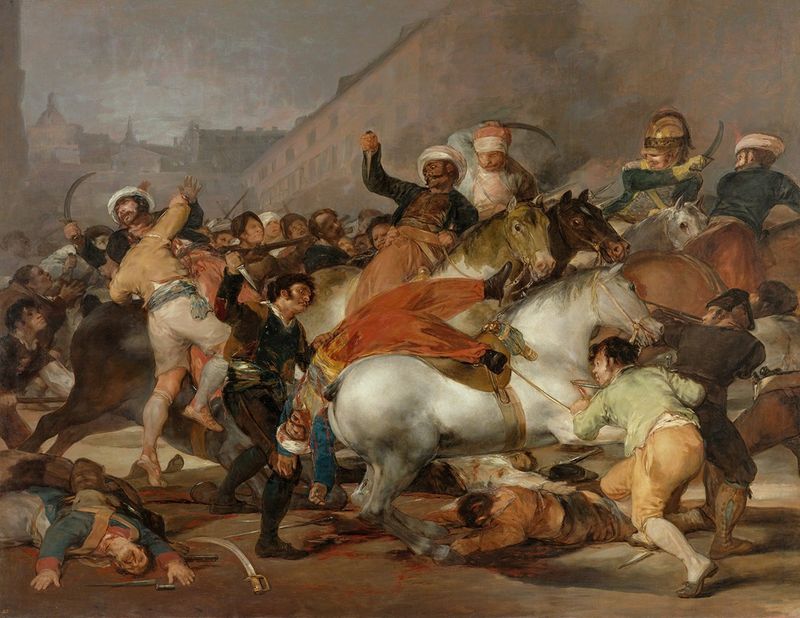
The Charge of the Mamelukes (1814)
Francisco de Goya

De vier ruiters van de apocalyps
Albrecht Dürer