Projet d'affiche pour les automobiles Charron — History & Facts
What draws the eye first is the drama of arrival: a woman in a sweeping yellow coat, her back to us, poised at the edge of a new century’s promise. The car gleams with the crisp geometry of modernity, its driver’s gloved hands ready at the wheel. Cappiello’s bold colors and sharp outlines make every element a declaration—the white fur wrap a flourish of luxury, the red hat a beacon against the green and ochre backdrop.
The woman’s posture, half-turned, suggests anticipation or command, while the driver’s steady gaze through the glass hints at a world where technology and service are newly intertwined. Light glances off the carriage lamps and the polished fender, leading the viewer’s eye in a circuit from figure to vehicle and back again, as if inviting us to step into the scene. This image belongs to the feverish dawn of the automobile age in France, when posters and advertisements became not just commercial tools but icons of aspiration. Artists like Leonetto Cappiello were hired to capture the thrill of progress for companies eager to sell not just machines, but the very idea of speed, elegance, and social ascent.
In 1901, the world of Projet d'affiche pour les automobiles Charron was one of Parisian boulevards, where a car was still a rare sight and a mark of status. History has kept few traces of this specific design’s journey, but the Musée Carnavalet preserves it as a record of both artistic innovation and the restless energy of its time. Look again at the woman’s stance—she is not a passenger, but a participant in the future.
More Artworks by Leonetto Cappiello

Portrait de Madame Lucien Muhlfeld
Leonetto Cappiello
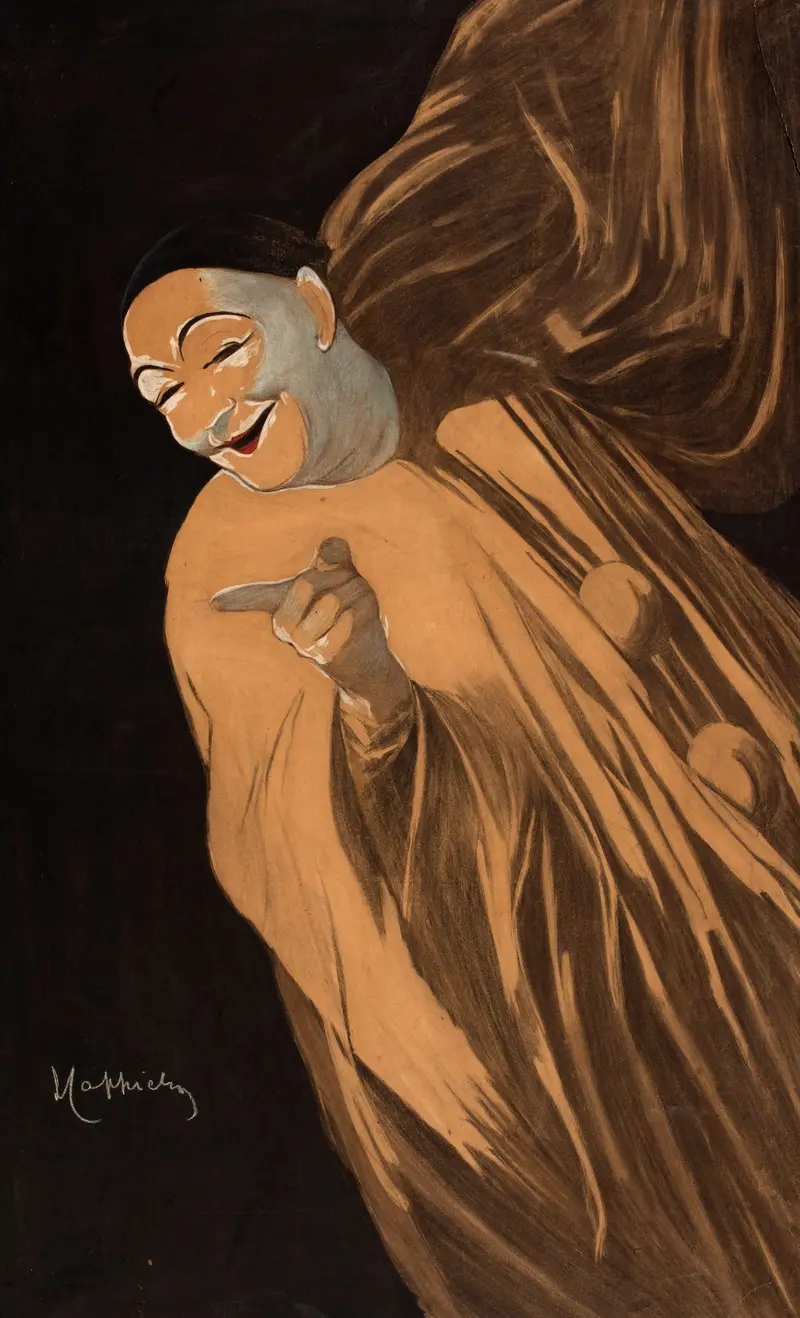
Séverin
Leonetto Cappiello
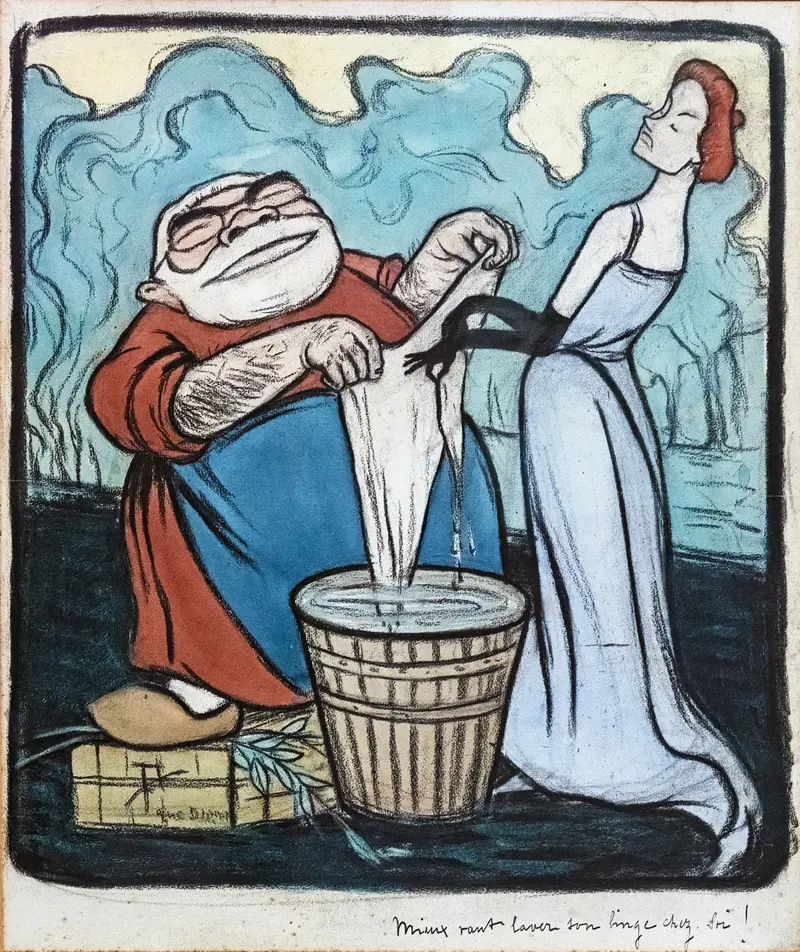
Better to wash your clothes at home!
Leonetto Cappiello
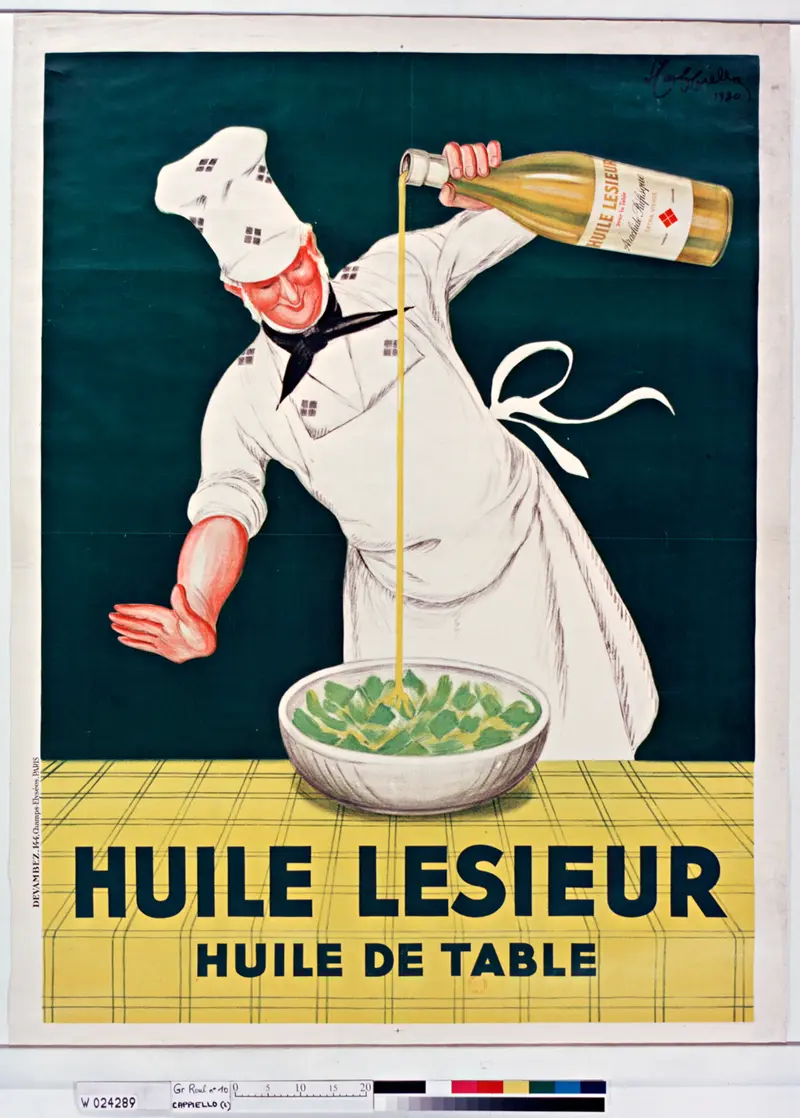
Huile Lesieur
Leonetto Cappiello
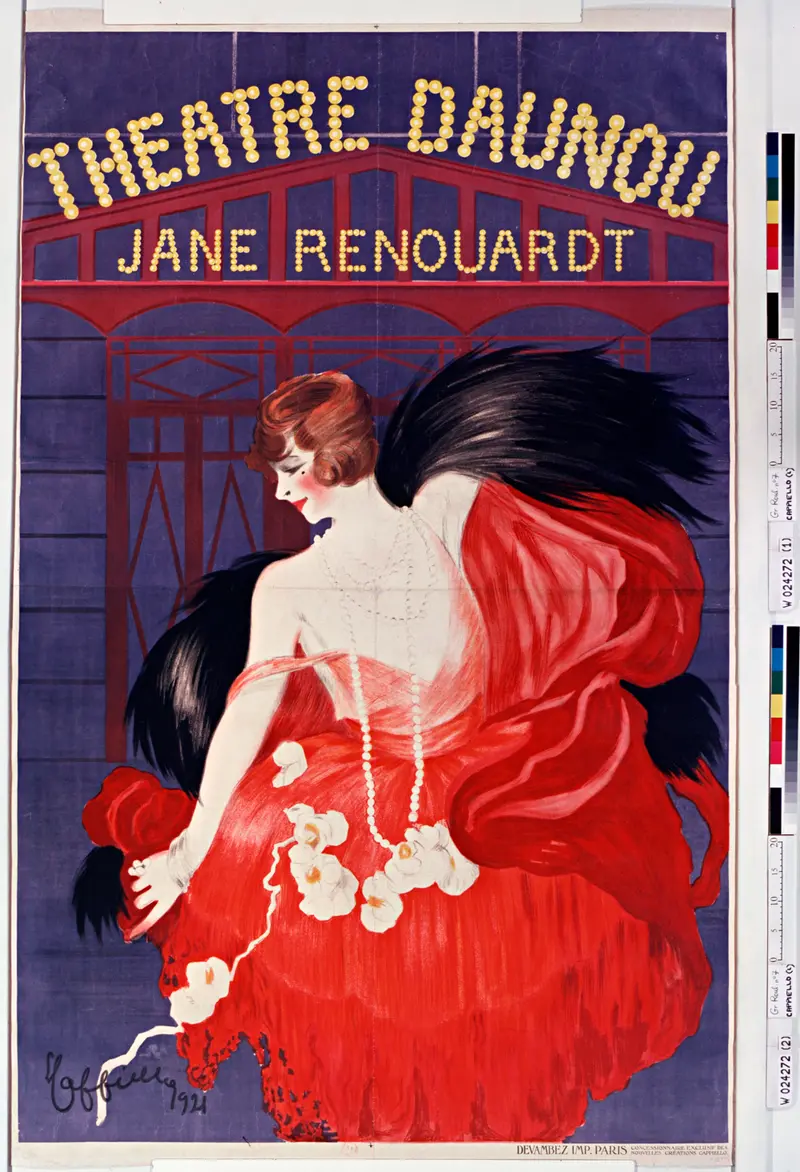
Théâtre Daunou – Jane Renouardt
Leonetto Cappiello
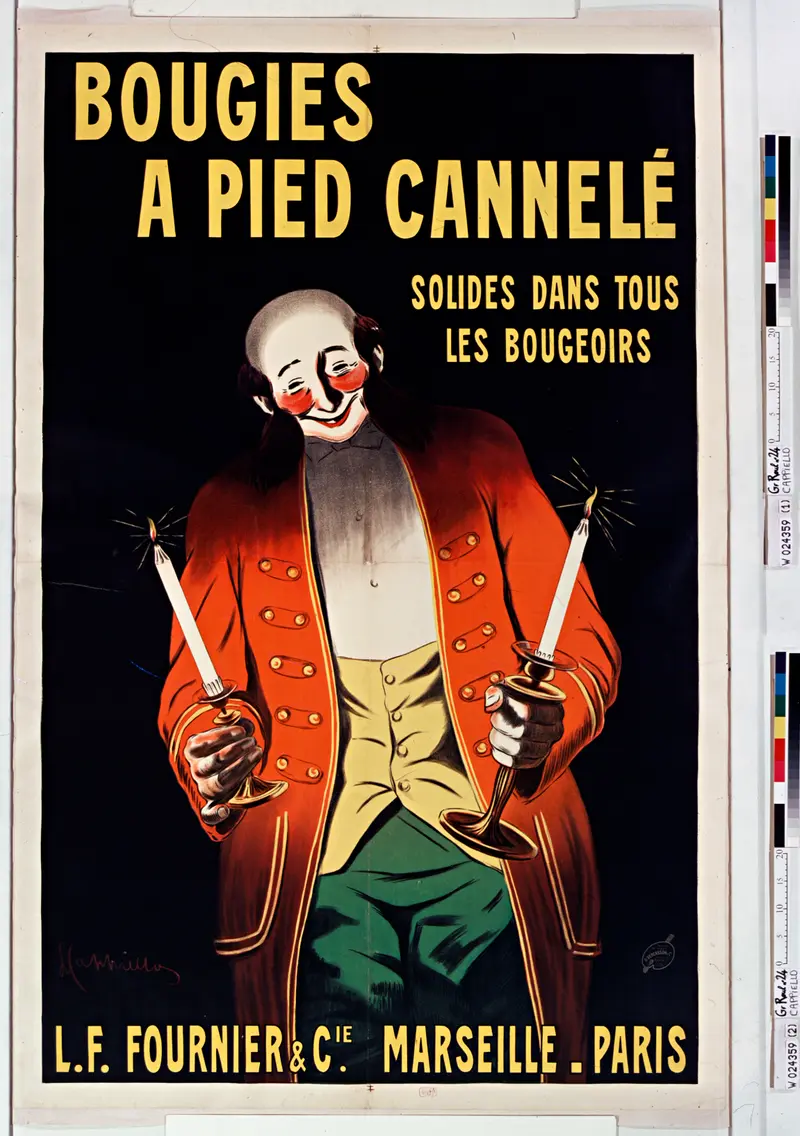
Bougies à Pied Cannelé
Leonetto Cappiello
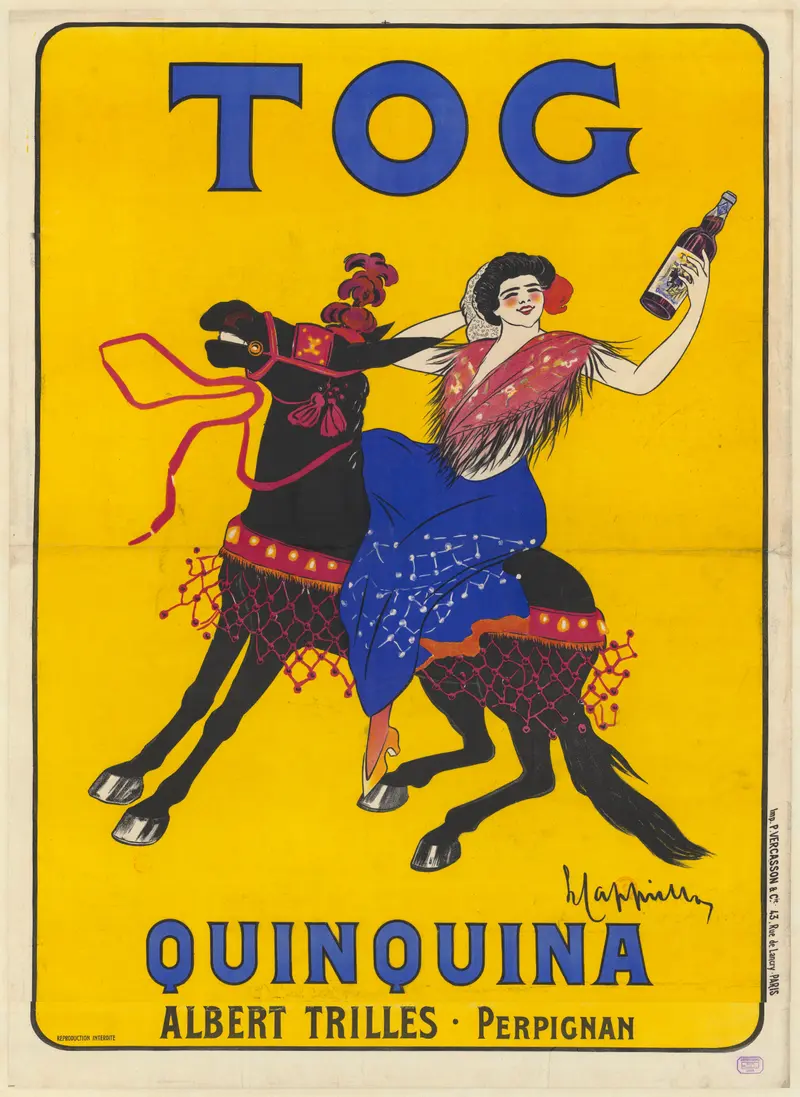
Tog Quinquina
Leonetto Cappiello
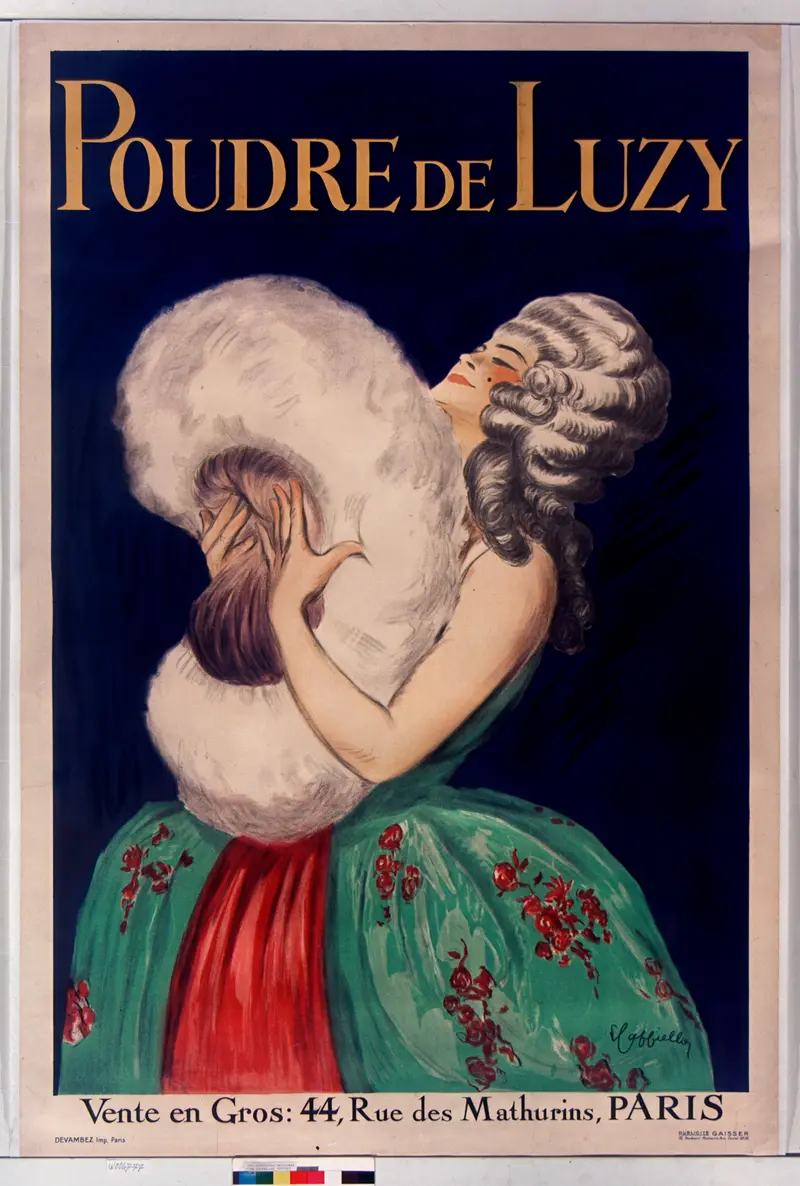
Poudre de Luzy
Leonetto Cappiello
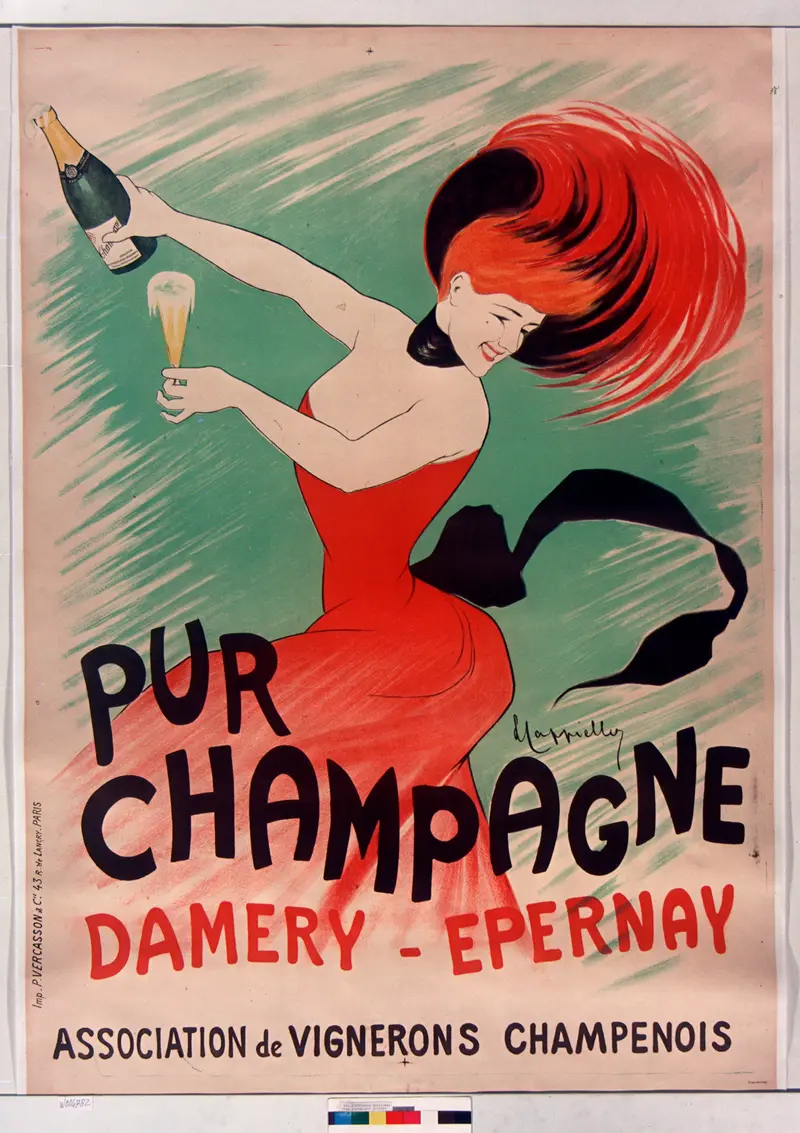
Pur Champagne Damery-Épernay
Leonetto Cappiello
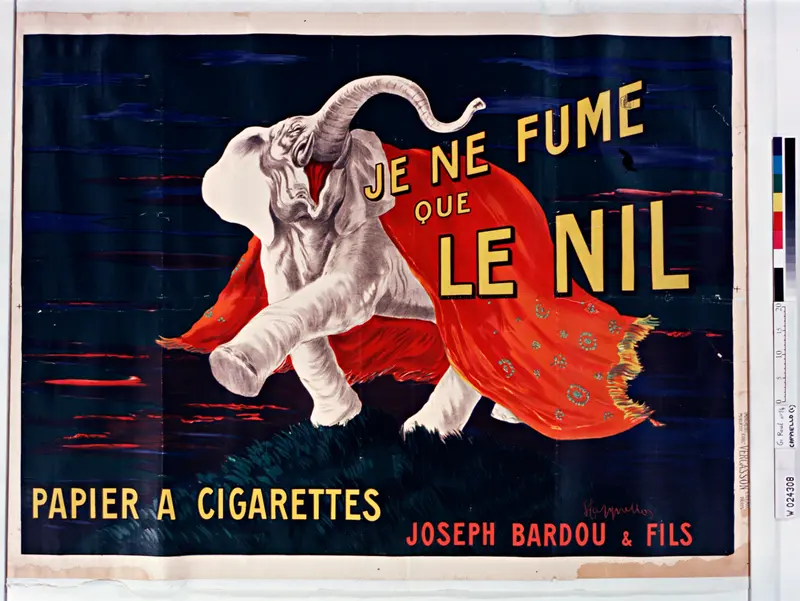
Je ne Fume que Le Nil
Leonetto Cappiello