
Prozession — History & Facts
Where does light end, and longing begin? In the delicate interplay of illumination and shadow, emotions flicker like candle flames, beckoning us to delve deeper into the human experience. Look to the center of the canvas, where a procession of figures weaves through the soft, golden glow. Their faces, partially obscured by a mist of luminescence, suggest a shared moment of reverence and anticipation. The artist employs a palette of muted earth tones contrasted with the vibrant radiance surrounding the procession, guiding the viewer’s eye and emphasizing the ethereal quality of the scene.
This technique not only enhances the depth but also invites contemplation on the nature of the journey depicted. As you explore the edges of the composition, subtle details emerge—each figure carries a unique expression, hinting at their individual stories intertwined with collective purpose. The tension between light and shadow creates an emotional landscape where hope meets uncertainty. This profound contrast serves as a metaphor for the human condition, capturing the complexity of aspiration and the weight of expectation that envelops us all. During the time Prozession was created, Carl Bolze was navigating the evolving art scene of the late 19th to early 20th century in Germany, a period marked by experimentation and introspection.
His work reflects a growing interest in capturing the essence of the spiritual and the communal, as society grappled with the rapid changes of modernity and the search for meaning amidst an increasingly fragmented world.
More Artworks by Carl Bolze
Browse all →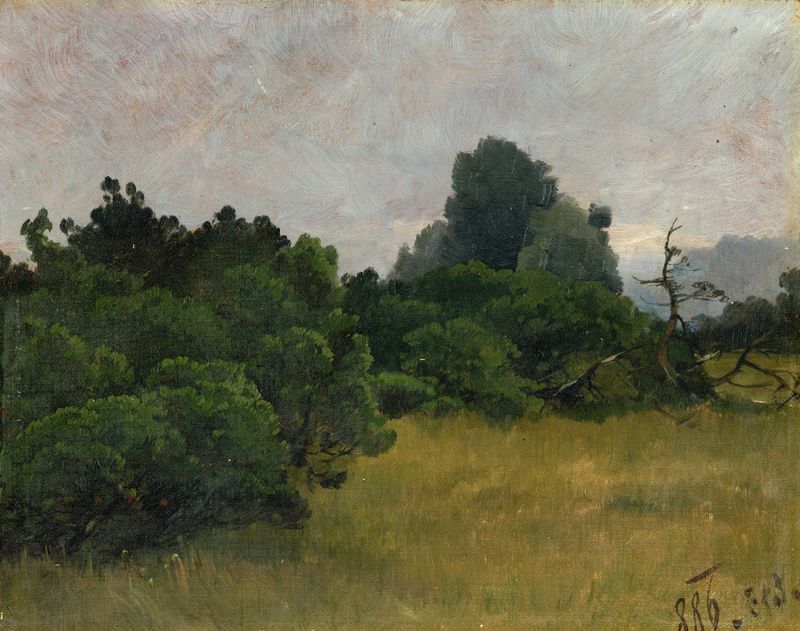
Baumgruppe (Skizze)
Carl Bolze

Der Inn mit Blick zum Kaisergebirge
Carl Bolze

Allee am Fluß mit Postkutsche
Carl Bolze

Gasse in Burghausen
Carl Bolze

Waldlandschaft im Herbst
Carl Bolze

Hochmoor
Carl Bolze

Abend am Traunsee
Carl Bolze
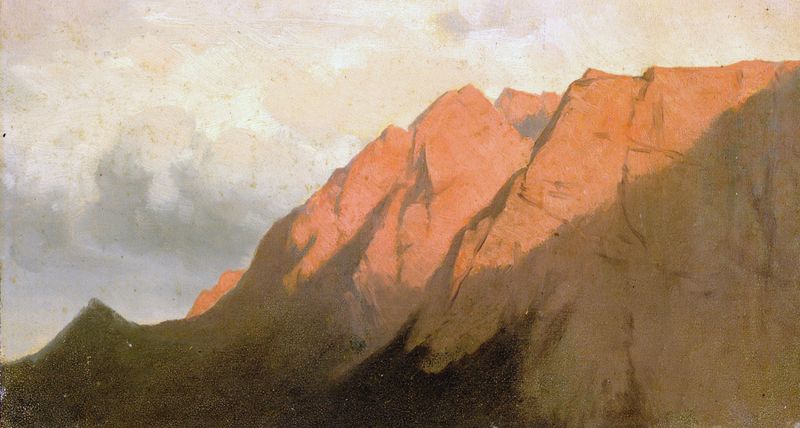
Hoher Göll im Alpenglühen
Carl Bolze
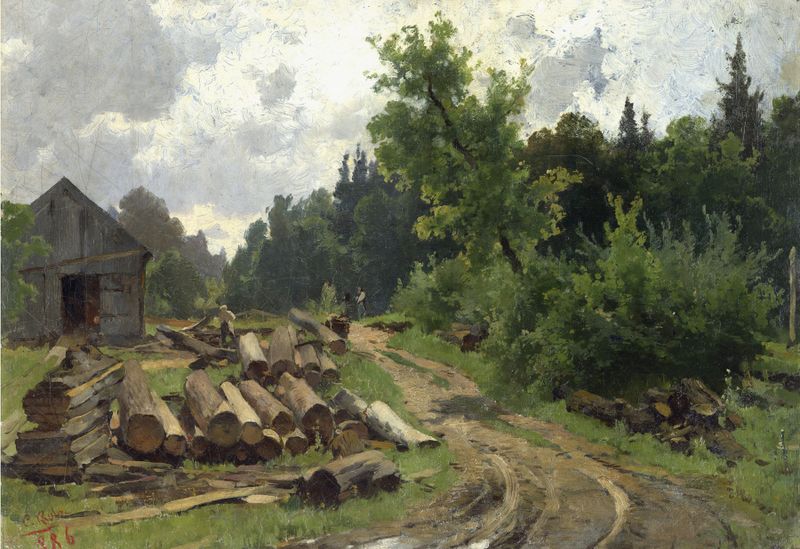
Holzlagerplatz
Carl Bolze
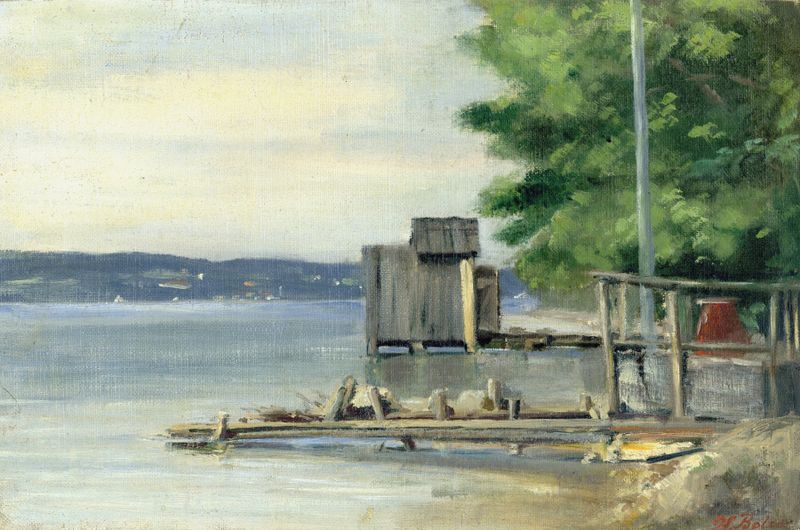
Badehütte am Starnberger See bei Ambach
Carl Bolze
More Religious Art
Browse all →
The Return of the Prodigal Son
Rembrandt van Rijn

The Garden of Earthly Delights
El Bosco

Count Orgaz’ funeral
El Greco

The Hundred Guilder Print: the central piece with Christ preaching, the plate arched
Rembrandt van Rijn

The Descent from the Cross
Rogier van der Weyden

The return of the prodigal son
Rembrandt van Rijn