
Holzlagerplatz — History & Facts
In a world teetering between disorder and harmony, art reveals the delicate equilibrium that holds it all together. Focus on the foreground, where the rich, earthy tones of stacked logs draw you in, their textures almost palpable under the light. Notice how the light falls upon the timber, casting soft shadows that dance upon the ground, evoking a sense of tranquility. The contrasting hues of green in the background offer a serene backdrop, enhancing the solid, grounded presence of the wood.
Each brushstroke serves a purpose, highlighting the balance between nature's raw chaos and the careful arrangement imposed by human hands. The juxtaposition of the rugged logs against the smooth, open space invites contemplation on the relationship between nature and civilization. There's a tension here — the logs suggest labor, survival, and the weight of lumberjacks' toil, while the peaceful landscape hints at the solace found in nature’s embrace. The careful composition reflects a moment of pause, a brief respite amid life’s relentless demands, leading the viewer to reflect on their own balance between work and serenity. Carl Bolze painted this work in 1886, during a transformative period for the art world as Impressionism gained traction.
Living in Germany at the time, he explored the intersection of nature and industry, capturing both the beauty and the burden of human impact on the environment. This piece embodies his desire to distill the essence of everyday life into a harmonious visual experience, showcasing his evolving mastery of technique amid a rapidly changing artistic landscape.
More Artworks by Carl Bolze
Browse all →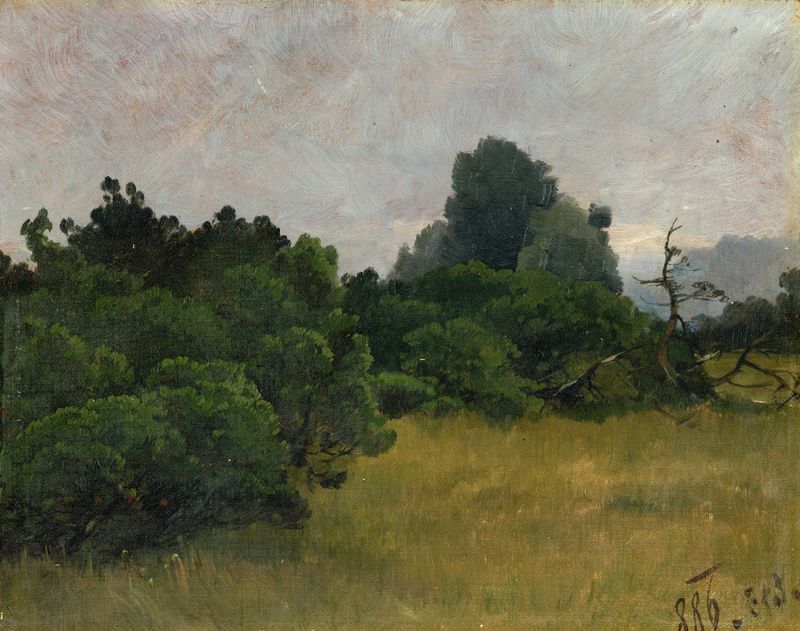
Baumgruppe (Skizze)
Carl Bolze

Prozession
Carl Bolze

Der Inn mit Blick zum Kaisergebirge
Carl Bolze

Allee am Fluß mit Postkutsche
Carl Bolze

Gasse in Burghausen
Carl Bolze

Waldlandschaft im Herbst
Carl Bolze

Hochmoor
Carl Bolze

Abend am Traunsee
Carl Bolze
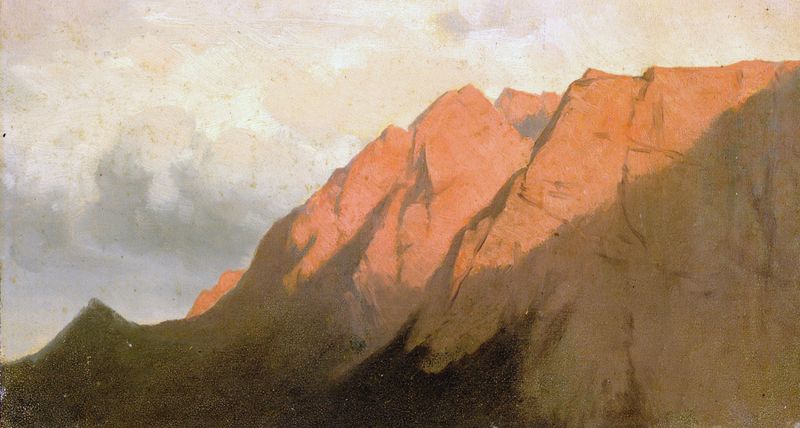
Hoher Göll im Alpenglühen
Carl Bolze
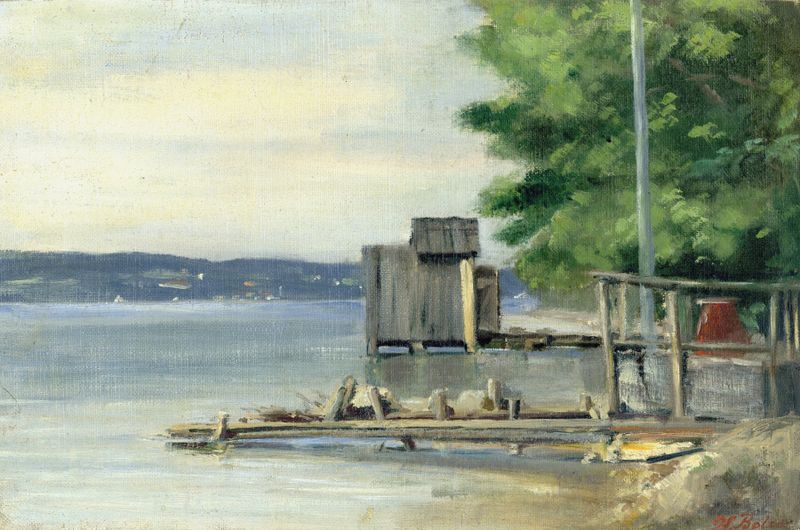
Badehütte am Starnberger See bei Ambach
Carl Bolze





