
Hochmoor — History & Facts
Where does light end, and longing begin? In the delicate interplay of color, Hochmoor transcends mere landscape, inviting the viewer to ponder the subtle gradations of nature and emotion. Look to the left at the deep, rich greens that cradle the moor, their darkness hinting at mysteries that lie beneath the surface. Notice how the golden light spills across the scene, illuminating patches of wild grasses that sway gently, almost as if whispering secrets to the wind. The soft blues of the sky above blend seamlessly with the earth tones below, creating a harmonious balance that draws one’s gaze across the canvas, urging exploration of both land and sky. Yet, within this tranquil vista lies an emotional tension.
The contrasting hues of warmth and coolness evoke a sense of yearning—a longing for connection to this serene yet wild landscape. The patches of sunlight might symbolize fleeting moments of joy, while the shadows remind us of the inevitability of loss. Each brushstroke captures the essence of nostalgia, blending the natural world with a deeper psychological landscape. In 1883, during a period of profound change in the art world, Carl Bolze painted Hochmoor in Germany, amidst the growing influence of Impressionism.
Emerging from traditional techniques, he embraced a more adventurous palette and light play, reflecting both personal exploration and the broader artistic evolution around him. This work embodies a pivotal moment in his career, firmly establishing his voice within the vibrant tapestry of 19th-century landscape painting.
More Artworks by Carl Bolze
Browse all →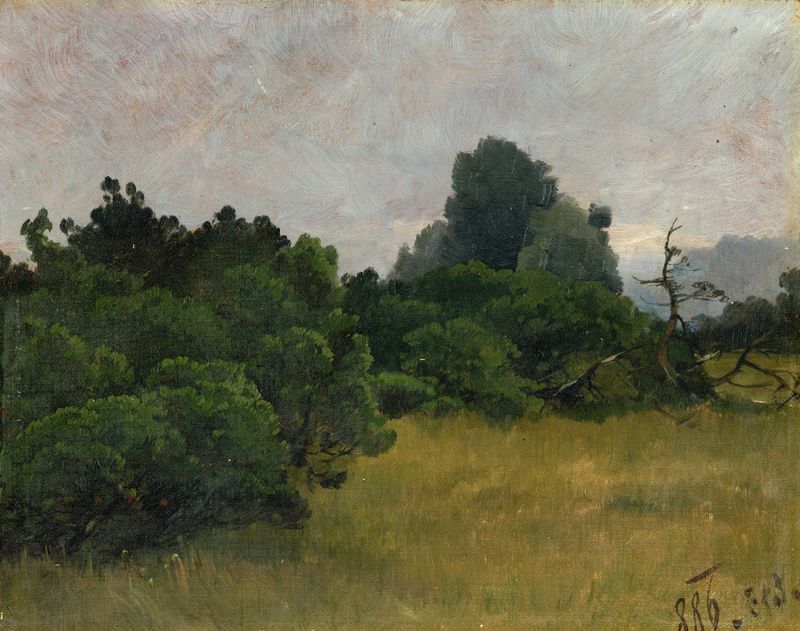
Baumgruppe (Skizze)
Carl Bolze

Prozession
Carl Bolze

Der Inn mit Blick zum Kaisergebirge
Carl Bolze

Allee am Fluß mit Postkutsche
Carl Bolze

Gasse in Burghausen
Carl Bolze

Waldlandschaft im Herbst
Carl Bolze

Abend am Traunsee
Carl Bolze
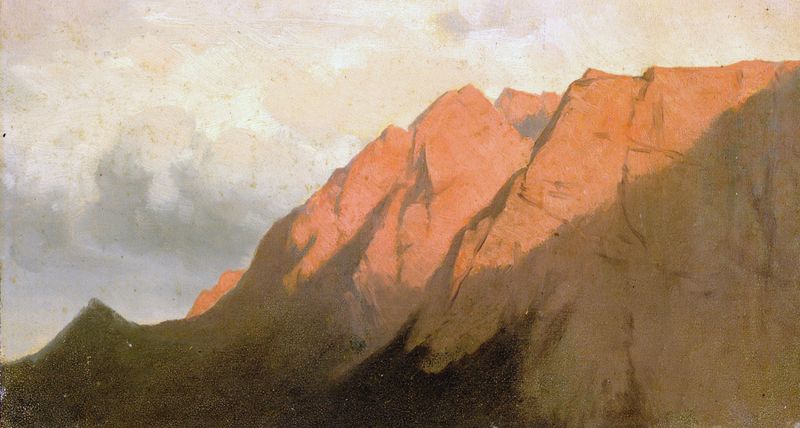
Hoher Göll im Alpenglühen
Carl Bolze
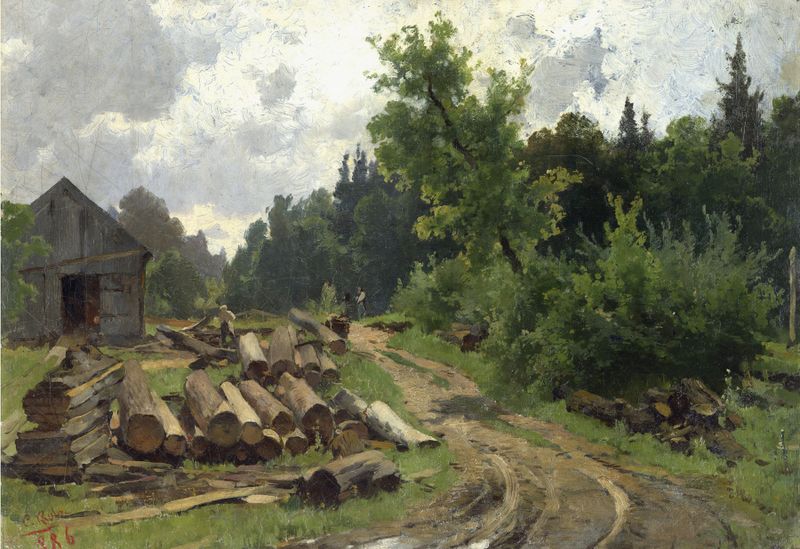
Holzlagerplatz
Carl Bolze
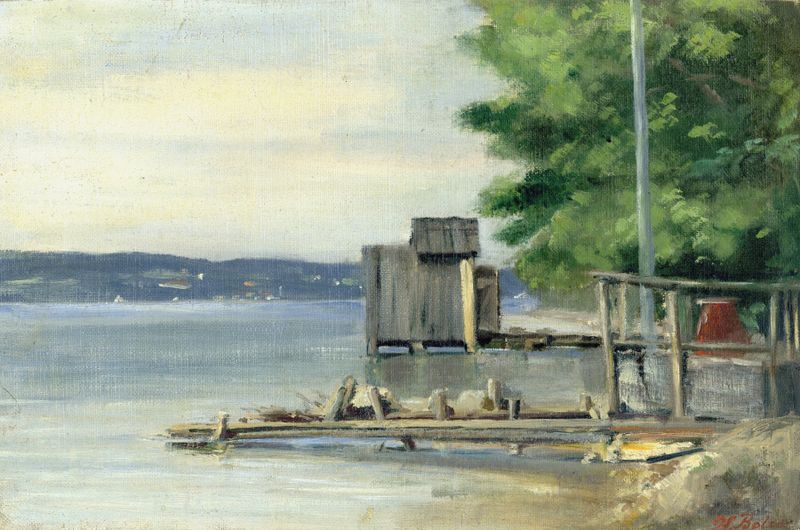
Badehütte am Starnberger See bei Ambach
Carl Bolze





