
Punainen talo järvenrannalla, maisema ; keskeneräinen — History & Facts
What first catches the eye in this unfinished landscape is the vivid punctuation of red houses, scattered like bright notes across a pale, expectant field. The artist’s hand lingers between intention and realization: a swath of blue sky and green hill is boldly laid in, while the rest of the world hovers in delicate pencil lines. The composition draws the viewer’s gaze from the central cluster of buildings, up past the gentle rise of the hill, and out toward the distant lake and its ghostly ships—half-imagined, half-promised.
The unfinished state invites us into the artist’s process, letting us glimpse the decisions behind each brushstroke and the vision that is only partly revealed. Works like this by Albert Edelfelt belong to a moment in Nordic art when the landscape was not just a backdrop, but a living character—shaped by rural life, the changing seasons, and the quiet drama of daily existence. In the late nineteenth and early twentieth centuries, artists across Finland and Scandinavia turned to their native scenery, often painting en plein air to capture fleeting light and atmosphere. While the precise date and medium of this piece remain undocumented, its presence in the Finnish National Gallery’s collection speaks to the enduring fascination with these modest, luminous views.
The unfinished edges and visible pencil lines remind us how many stories from this era remain only partly told—inviting us to linger, and imagine the world that might have emerged had the artist’s hand completed its journey.
More Artworks by Albert Edelfelt

The Day of Rest
Albert Edelfelt
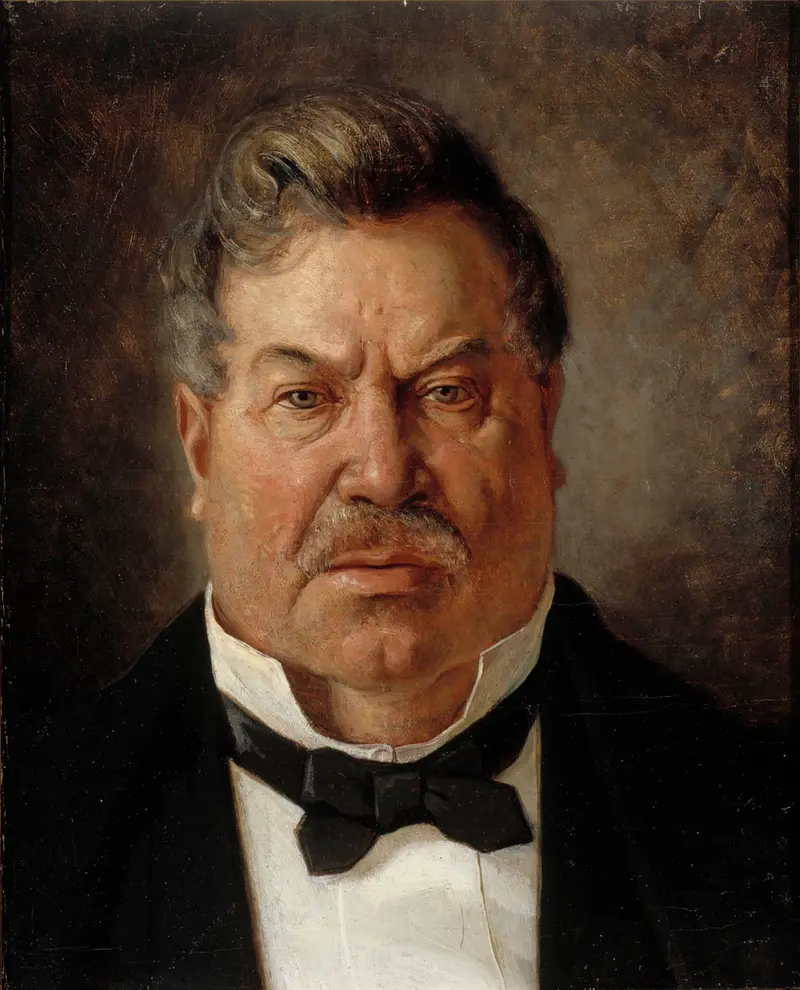
Portrait of August Streng
Albert Edelfelt
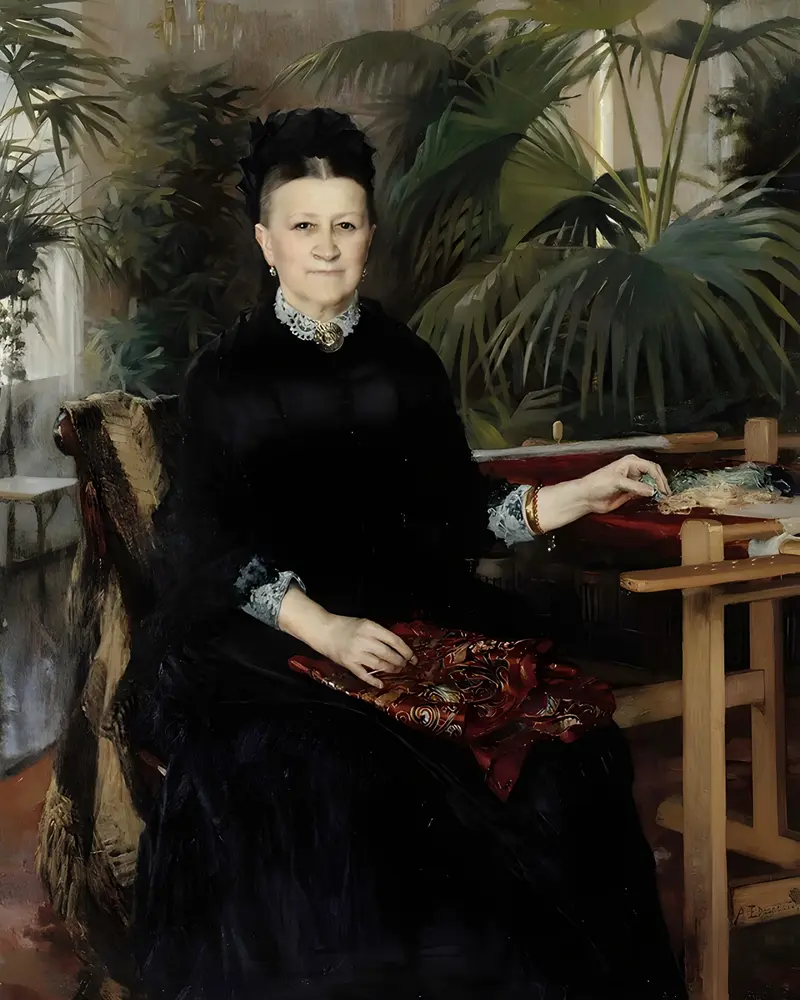
Portrait Of Mrs. Anna Sinebrychoff
Albert Edelfelt

The Poet, Larin Paraske
Albert Edelfelt

Parisian lady in a Peignoir
Albert Edelfelt
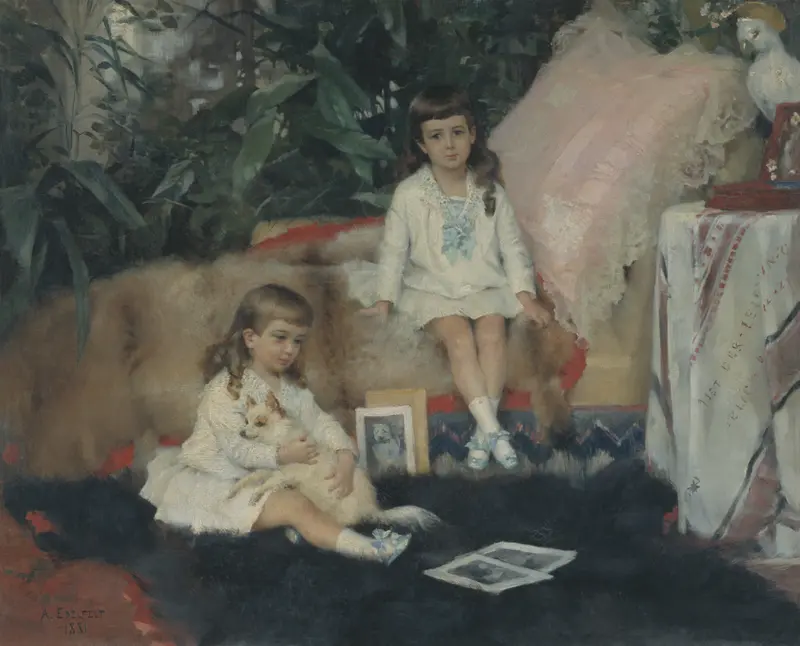
The Grand Dukes Boris and Kirill Vladimirovich as Children
Albert Edelfelt
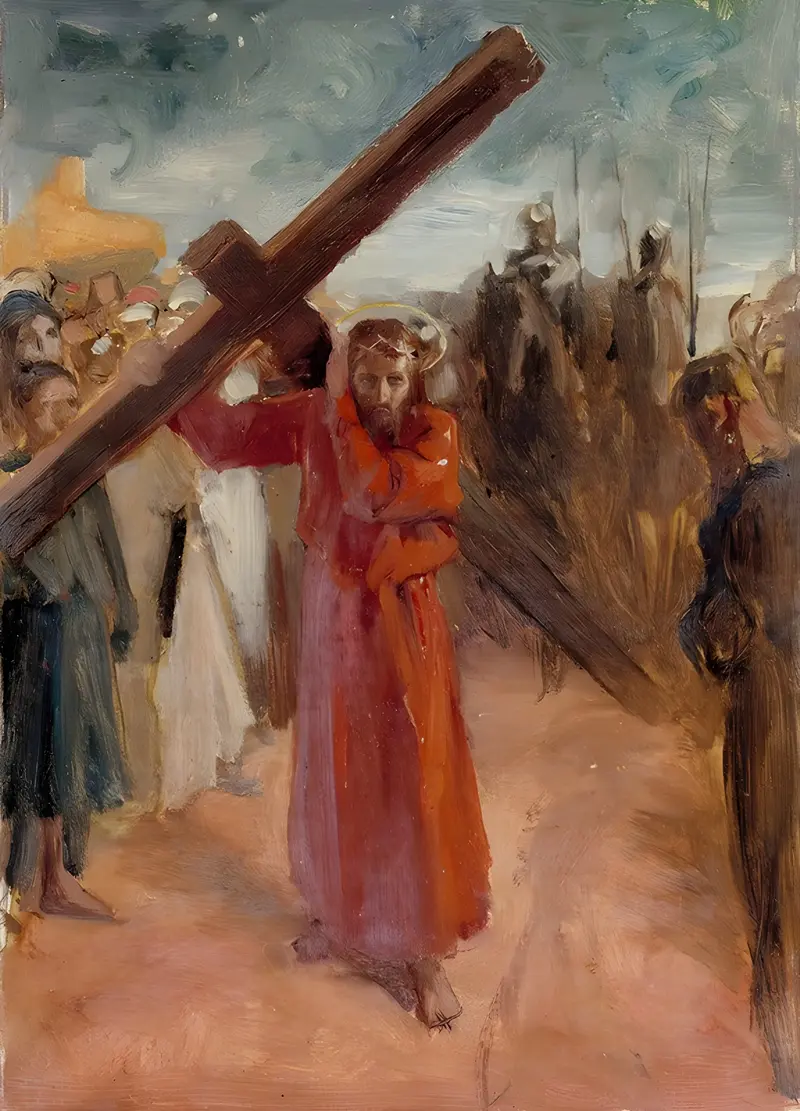
Christ Bears The Cross
Albert Edelfelt
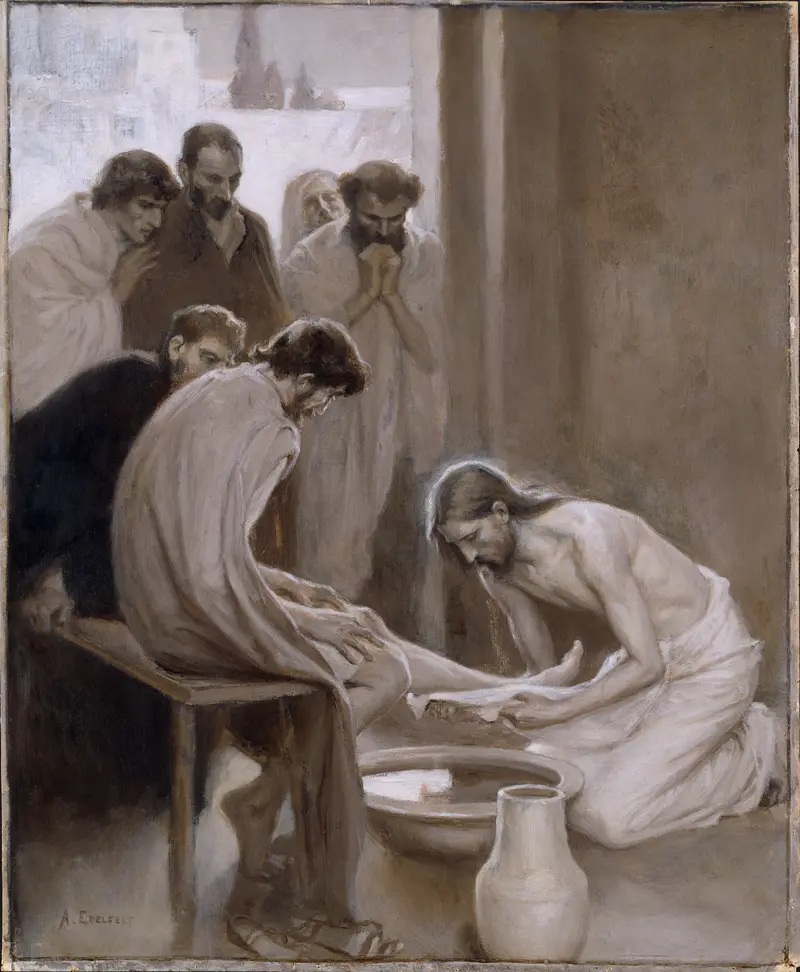
Jesus Washing the Feet of his Disciples
Albert Edelfelt

Larin Paraske with Kantele
Albert Edelfelt
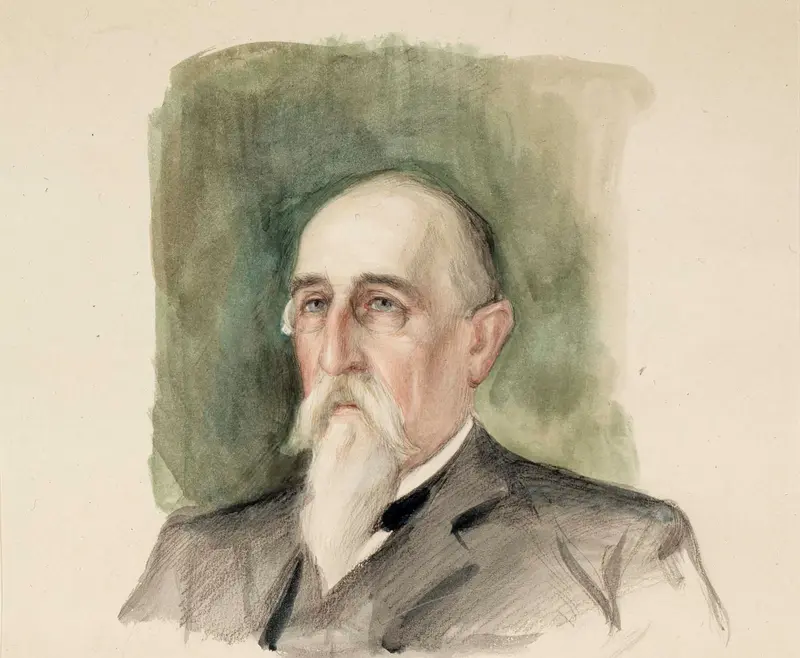
Leo Mechelin, Portrait Study
Albert Edelfelt
More Landscape Art

The Starry Night
Vincent van Gogh

View of Delft
Johannes Vermeer

Water Lilies
Claude Monet

The Grand Canal, Venice, looking north-west from the Ca' Corner to the Ca' Contarini degli Scrigni, with the campanile of Santa Maria della Carità
Canaletto

Windsor Castle
Canaletto

The Grand Canal looking North-East from the Palazzo Dolfin-Manin to the Rialto Bridge
Canaletto