Putto op een dolfijn — History & Facts
What secret hides in the quiet of the canvas? In Putto op een dolfijn, desire swims beneath the surface, tethering innocence to the allure of the unknown. Look to the center, where the cherubic figure of a putto rests atop a dolphin, embodying both playfulness and a yearning for adventure. The soft, muted palette of warm earth tones contrasts with the vibrant blues of the aquatic creature, highlighting the delicate embrace of the two. Notice how the light gently caresses the putto's skin, accentuating youthful softness while casting subtle shadows that hint at the depths below.
Each brushstroke breathes life into this moment, inviting the viewer to linger amidst the harmony of color and form. Yet, there lies a juxtaposition in this seemingly idyllic scene. The dolphin, often a symbol of freedom and fluidity, contrasts with the putto's serene expression, suggesting a yearning for connection amidst the freedom of the sea. The gentle wave beneath them swells with unvoiced dreams, evoking the tension between the innocence of childhood and the complexities of desire.
This dichotomy resonates deeply, encouraging reflection on the nature of longing, both innocent and profound. In 1521, Hans Sebald Beham painted this work during a period of significant artistic and personal evolution in Germany. The Northern Renaissance was flourishing, marked by an increased interest in mythological themes and humanistic ideals. Beham, a follower of Albrecht Dürer, was exploring the potential of printmaking and drawing, merging the influences of his contemporaries with his unique vision.
This painting captures a moment in time where art sought to delve into the emotional experiences of human existence.
More Artworks by Hans Sebald Beham
Browse all →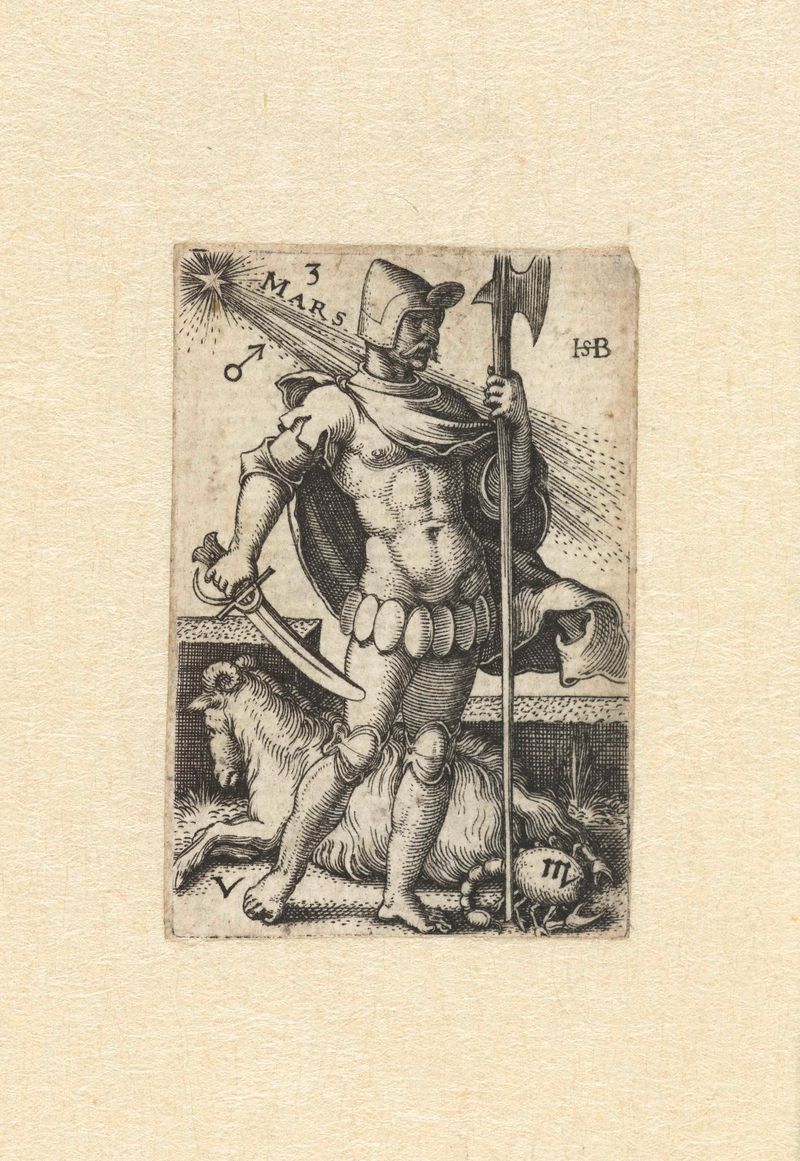
Mars met sterrenbeelden Ram en Schorpioen
Hans Sebald Beham

Achilles in gevecht met Hector
Hans Sebald Beham
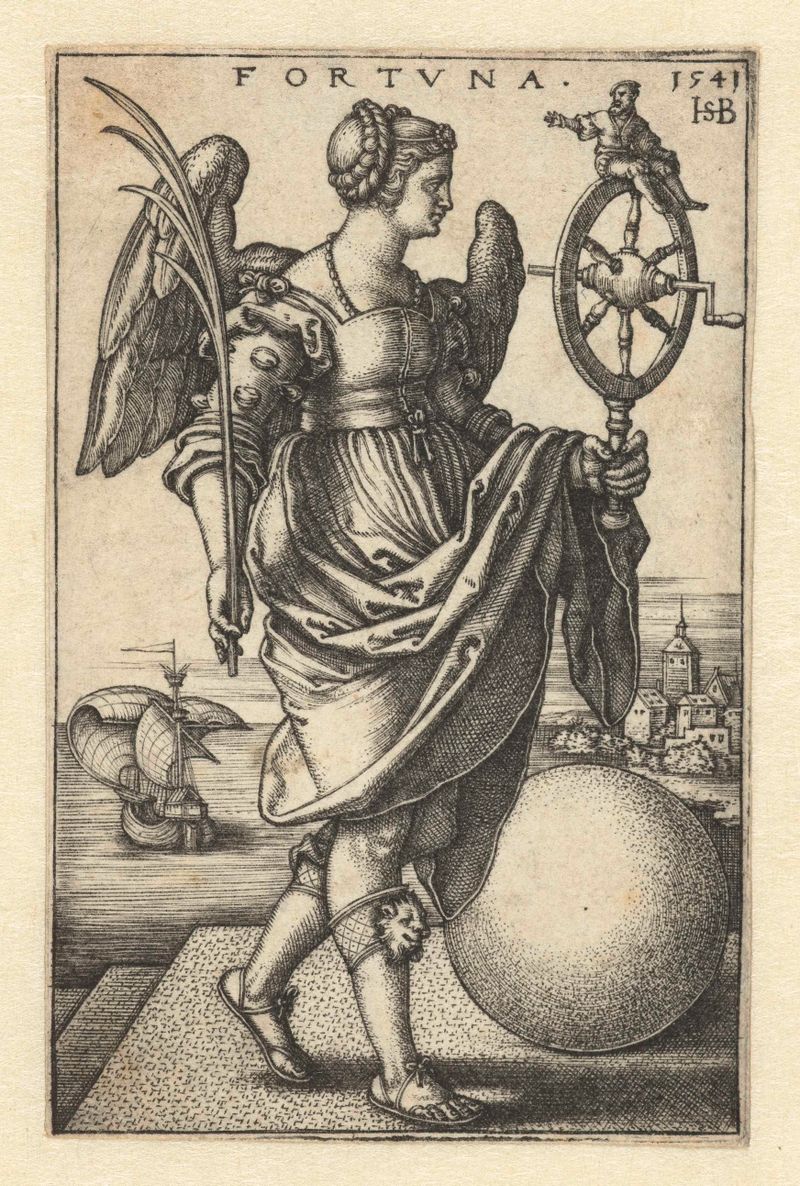
Fortuna
Hans Sebald Beham

Hercules worstelt met Antaeus
Hans Sebald Beham

Twee muzikanten met schalmey en doedelzak
Hans Sebald Beham

Voorzichtigheid (Prudentia)
Hans Sebald Beham

Hercules in gevecht met de Trojanen
Hans Sebald Beham
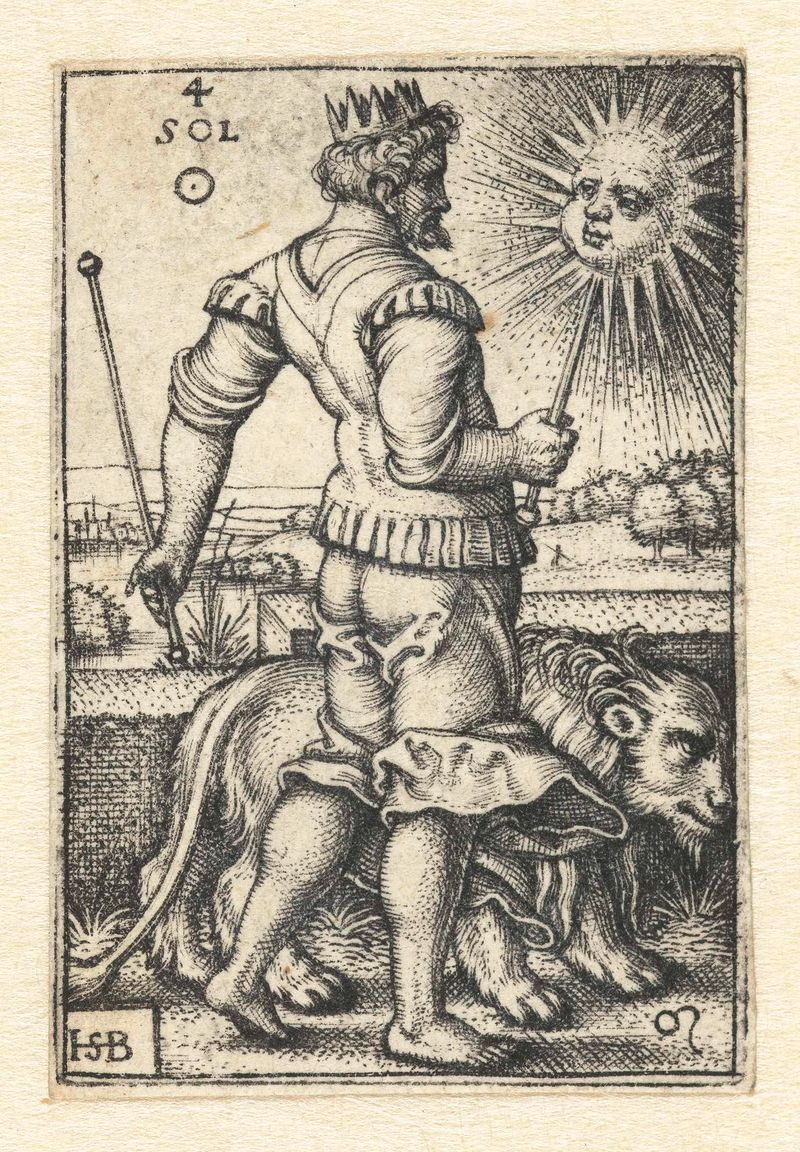
Apollo (Sol) met sterrenbeeld Leeuw
Hans Sebald Beham
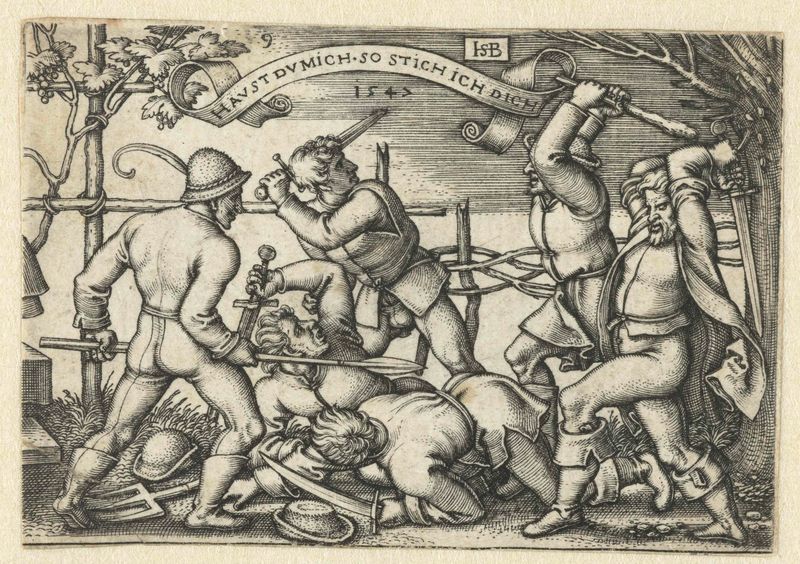
Vechtende boeren met zwaarden
Hans Sebald Beham
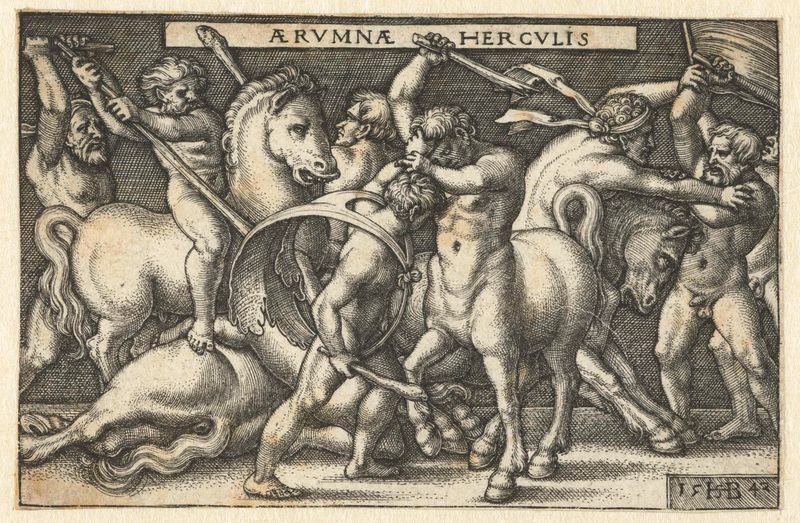
Hercules in gevecht met centaurs
Hans Sebald Beham