
Pyökkimetsää — History & Facts
The first thing that seizes the eye in Pyökkimetsää is the way the trees twist and lean, their pale trunks rising like dancers from the rust-colored earth. The ground sweeps up in gentle ridges, drawing you into the heart of the beech forest, where the light thickens and glows gold behind the tangled branches. Every line in the composition seems to be in motion: the trunks curve and bend, the shadows ripple, and the canopy above flickers with the suggestion of autumn leaves.
The artist’s touch is quick and searching, using both broad washes and sharp, dark outlines to give the scene a sense of immediacy—this is not a still forest, but one caught in the act of becoming itself. The palette, dominated by ochres and cool greys, sets a mood of quiet intensity, as if the forest is holding its breath. Painted in 1901, this work belongs to a moment when artists across Europe were turning away from grand historical scenes and looking instead to the landscapes around them, seeking to capture fleeting effects of light and atmosphere. In the Nordic countries, painters like Albert Edelfelt found new inspiration in the woods and fields of their homeland, often working outdoors to record the shifting seasons.
While little is recorded about the specific journey of this painting, its presence in a Finnish national collection speaks to the enduring appeal of such scenes. The beech forest here is not just a backdrop, but a living presence, inviting the viewer to step into its winding paths and lose themselves among the trees.
More Artworks by Albert Edelfelt

The Day of Rest
Albert Edelfelt
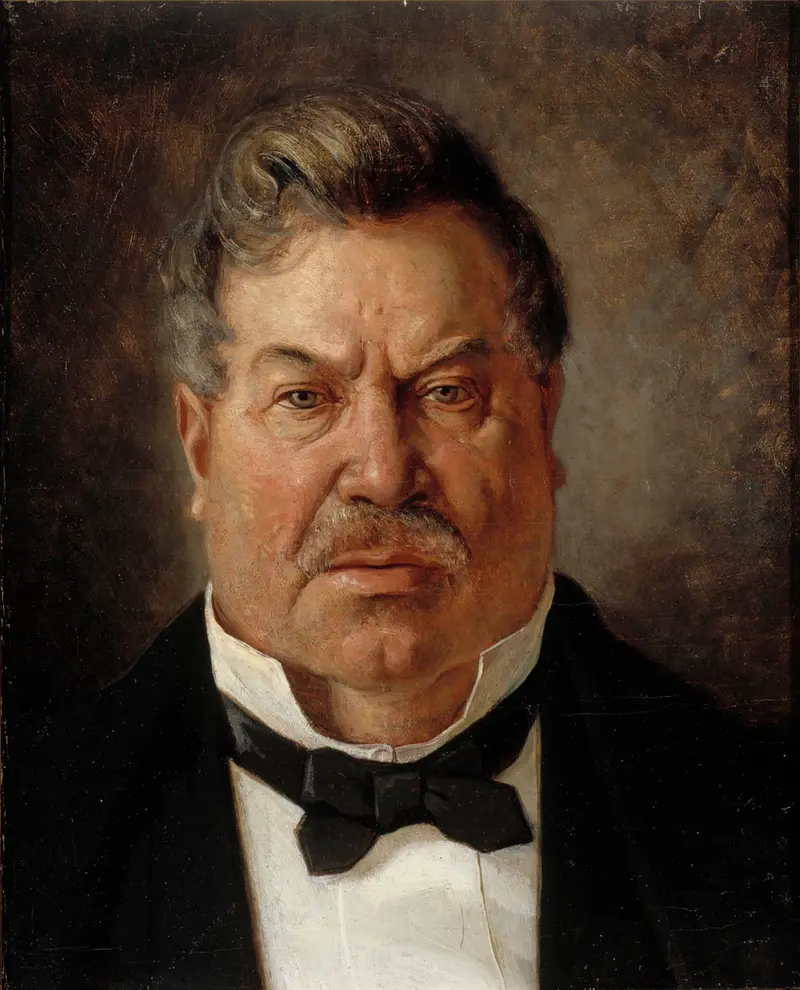
Portrait of August Streng
Albert Edelfelt
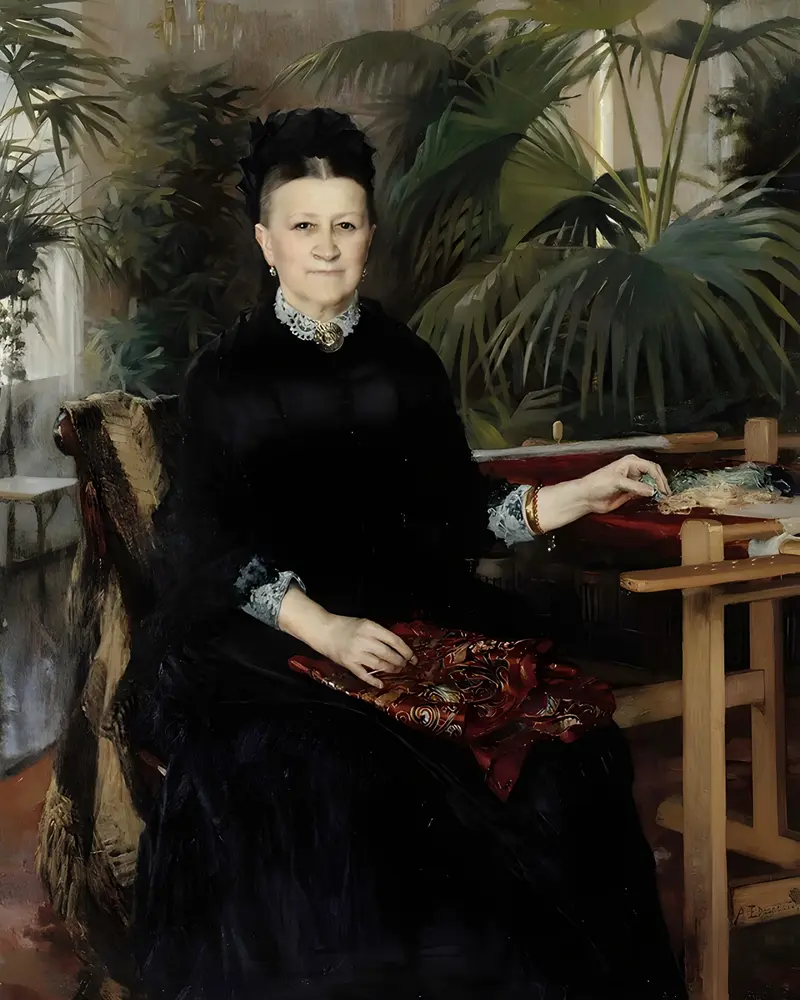
Portrait Of Mrs. Anna Sinebrychoff
Albert Edelfelt

The Poet, Larin Paraske
Albert Edelfelt

Parisian lady in a Peignoir
Albert Edelfelt
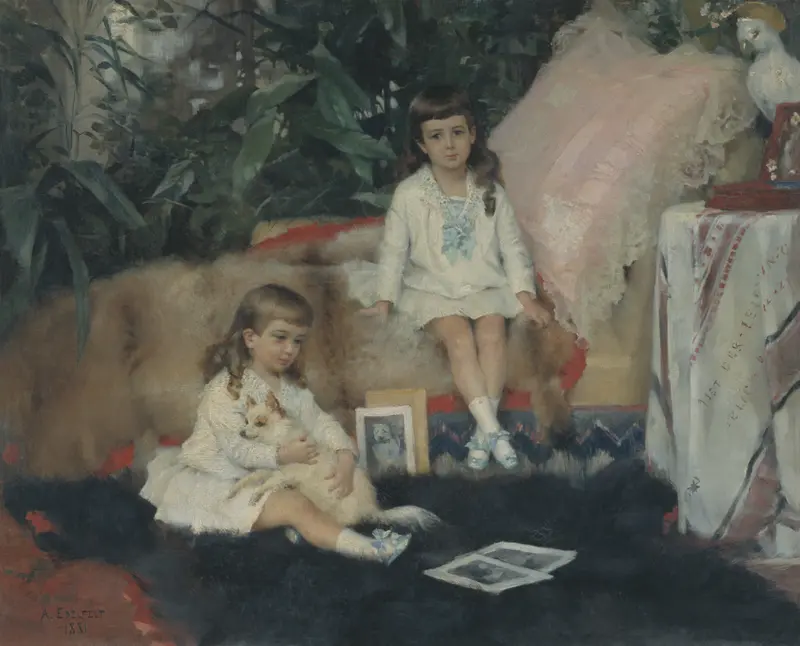
The Grand Dukes Boris and Kirill Vladimirovich as Children
Albert Edelfelt
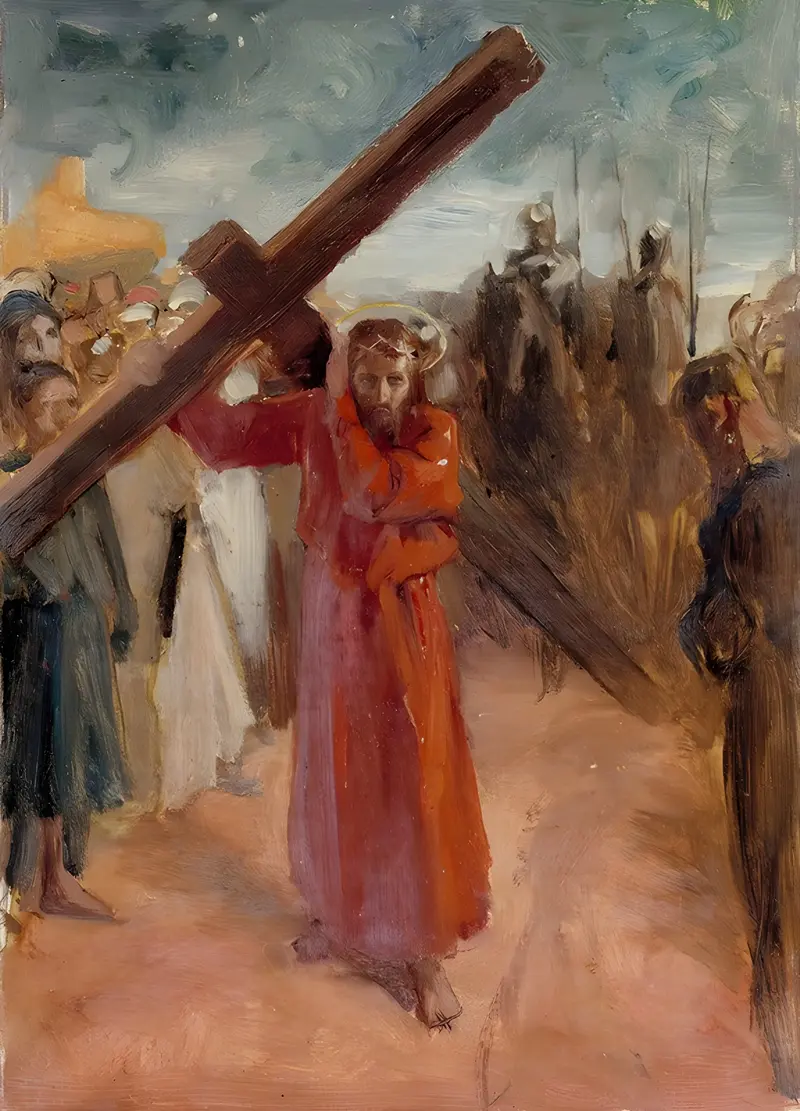
Christ Bears The Cross
Albert Edelfelt
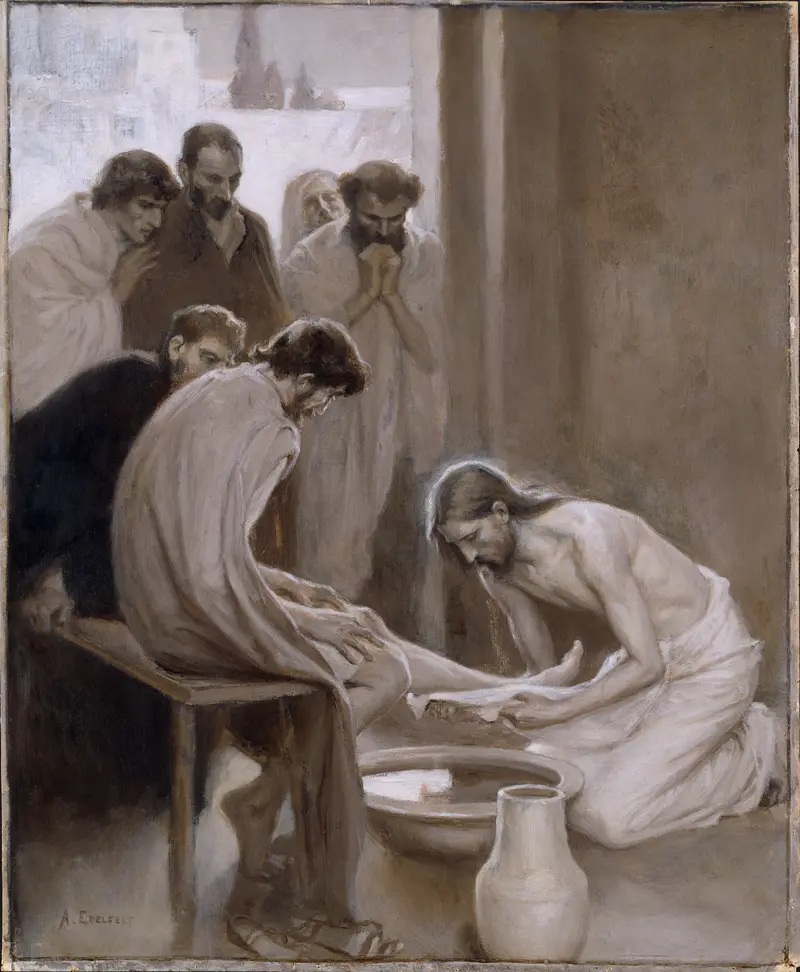
Jesus Washing the Feet of his Disciples
Albert Edelfelt

Larin Paraske with Kantele
Albert Edelfelt
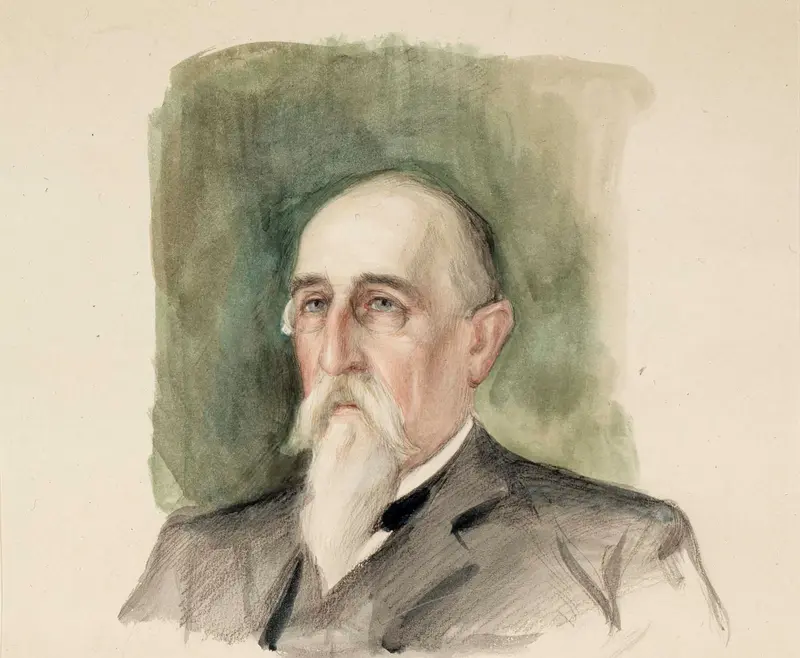
Leo Mechelin, Portrait Study
Albert Edelfelt
More Landscape Art

The Starry Night
Vincent van Gogh

View of Delft
Johannes Vermeer

Water Lilies
Claude Monet

The Grand Canal, Venice, looking north-west from the Ca' Corner to the Ca' Contarini degli Scrigni, with the campanile of Santa Maria della Carità
Canaletto

Windsor Castle
Canaletto

The Grand Canal looking North-East from the Palazzo Dolfin-Manin to the Rialto Bridge
Canaletto