
Quai Saint-Bernard sous la neige, Paris — History & Facts
Could beauty survive in a century of chaos? Armand Guillaumin's work captures the essence of this question, inviting viewers into a serene yet stark winter environment amidst a backdrop of revolutionary fervor. Focus on the thick blanket of snow that envelops Quai Saint-Bernard, where the quietude contrasts sharply with the tumult of the era. Look closely at the figures bundled in heavy coats, their movements slow and deliberate, as they navigate the tranquil landscape. Notice how the soft hues of white and blue merge with the earthy tones of the canal, creating a dreamlike quality.
The brushwork is lively and spontaneous, revealing the artist's emotional connection to the scene, which is both intimate and expansive. As you delve deeper, consider the juxtaposition of the stillness of the snow-covered terrain against the underlying tension of societal change. The gentle play of light across the scene illuminates not just the physical space, but also hints at the hope for renewal amid upheaval. The figures, though seemingly isolated, are interconnected through the shared experience of winter's chill, representing a community poised on the brink of transformation. Guillaumin painted this piece between 1882 and 1887, during a time when Paris was grappling with its identity post-Francophone Revolution.
Following the upheaval of the Commune in 1871, artists were increasingly seeking to capture the changing landscape of the city. This period marked a significant evolution in impressionism, as Guillaumin and his contemporaries sought to convey not only beauty but also the emotional weight of their surroundings.
More Artworks by Armand Guillaumin
Browse all →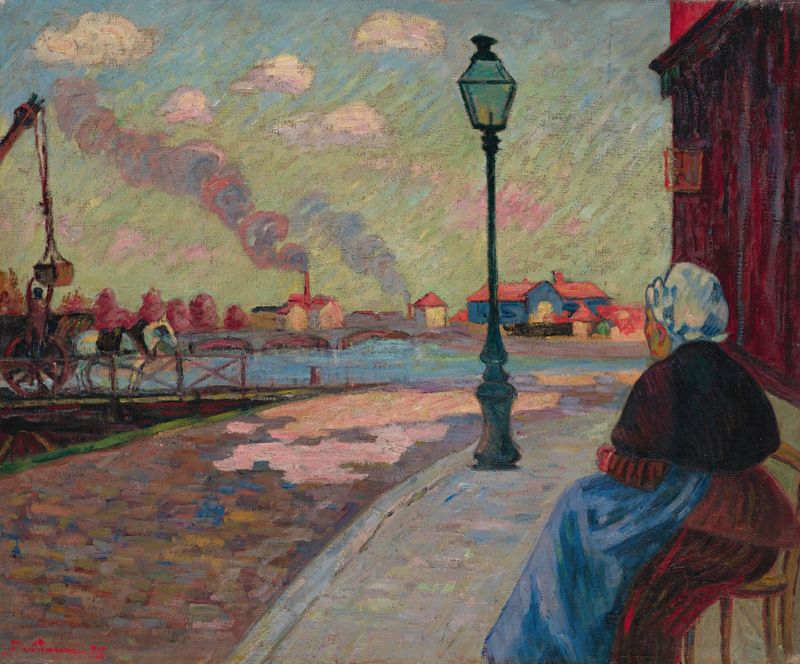
La Seine À Charenton
Armand Guillaumin
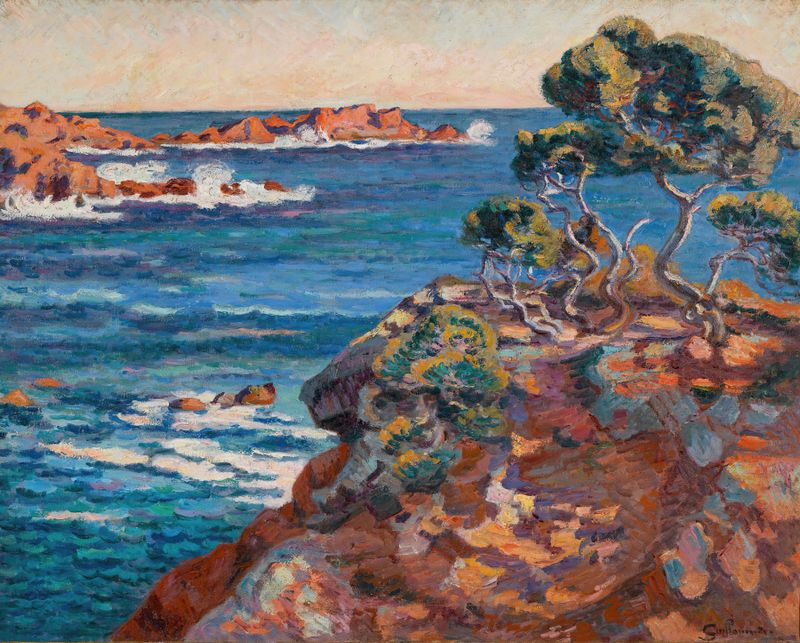
Bord De Mer À Agay
Armand Guillaumin
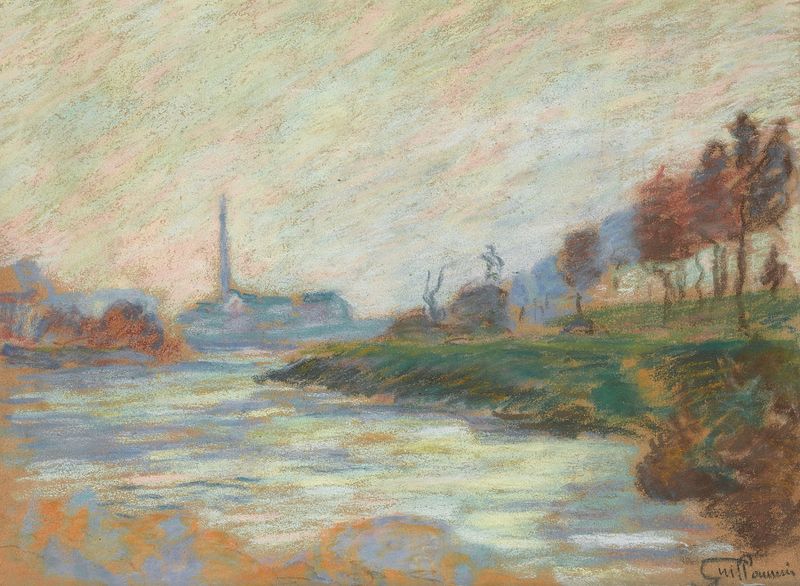
Confluent De La Marne Et De La Seine, Île De La France
Armand Guillaumin

Le Ravin de la folie, vue de Chateau Crozant
Armand Guillaumin
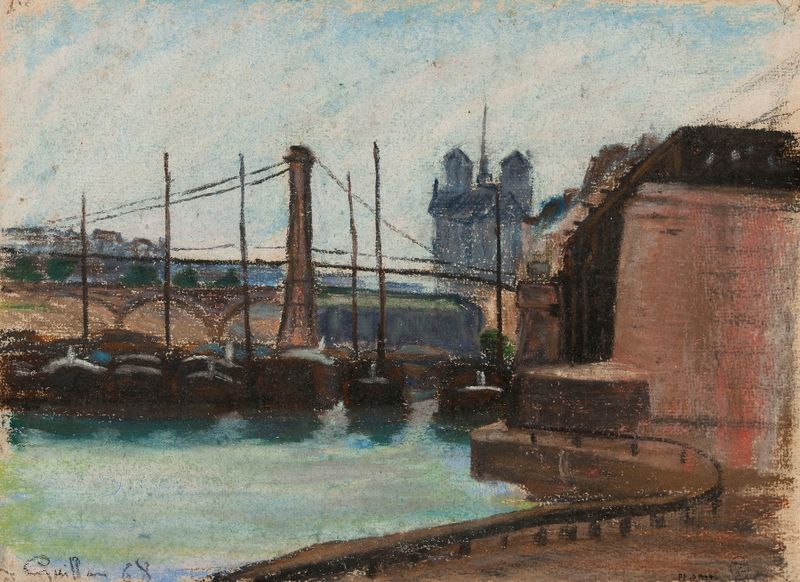
Le Pont d’Austerlitz
Armand Guillaumin

Paysage de Printemps
Armand Guillaumin
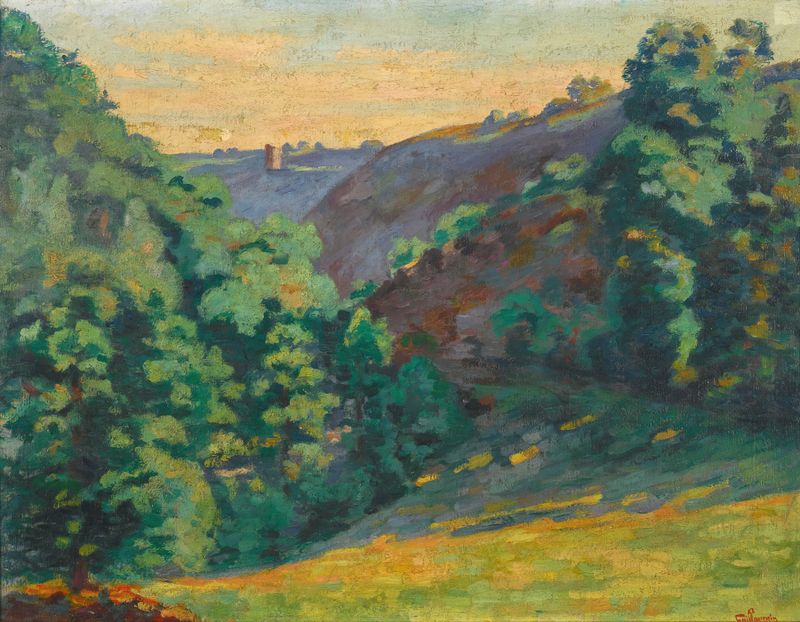
Crozant, Le Ravin De La Sedelle À La Folie
Armand Guillaumin
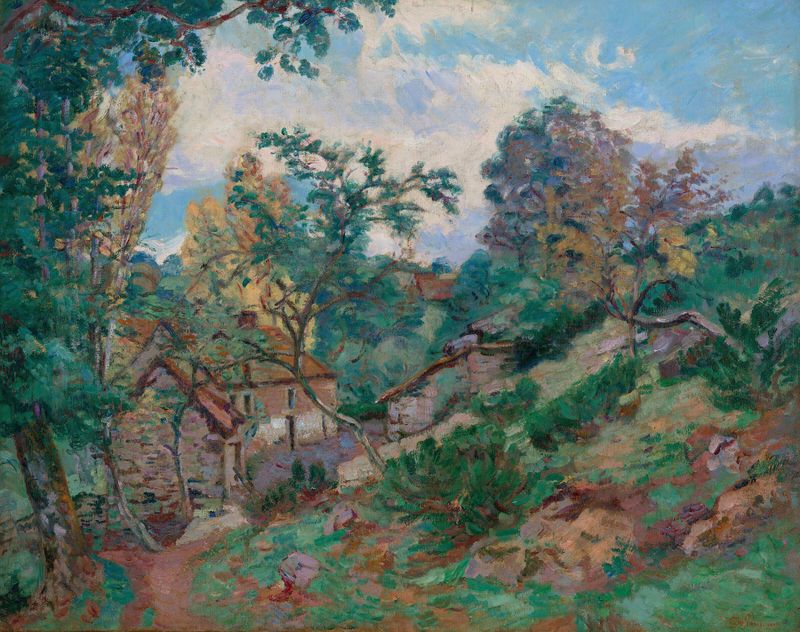
Paysage
Armand Guillaumin

La vallée de la creuse
Armand Guillaumin

L’Eglise Saint-Sulpice, Paris
Armand Guillaumin





