Discover insights about this artwork
Quatre pommes et un couteau — History & Facts
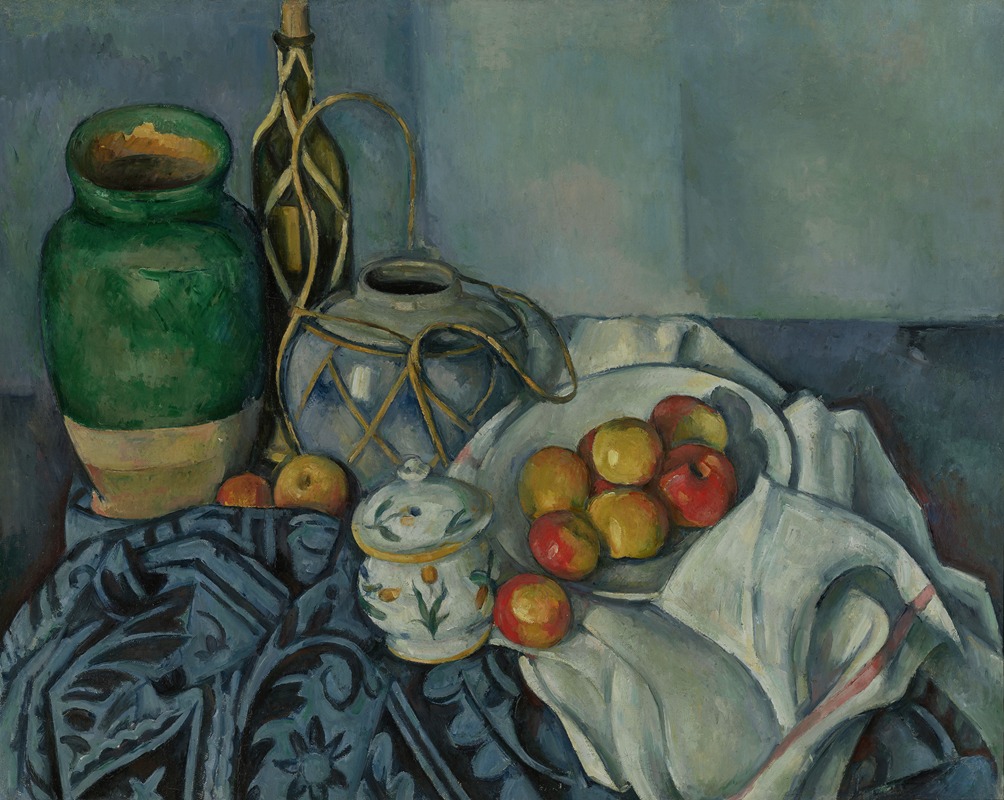
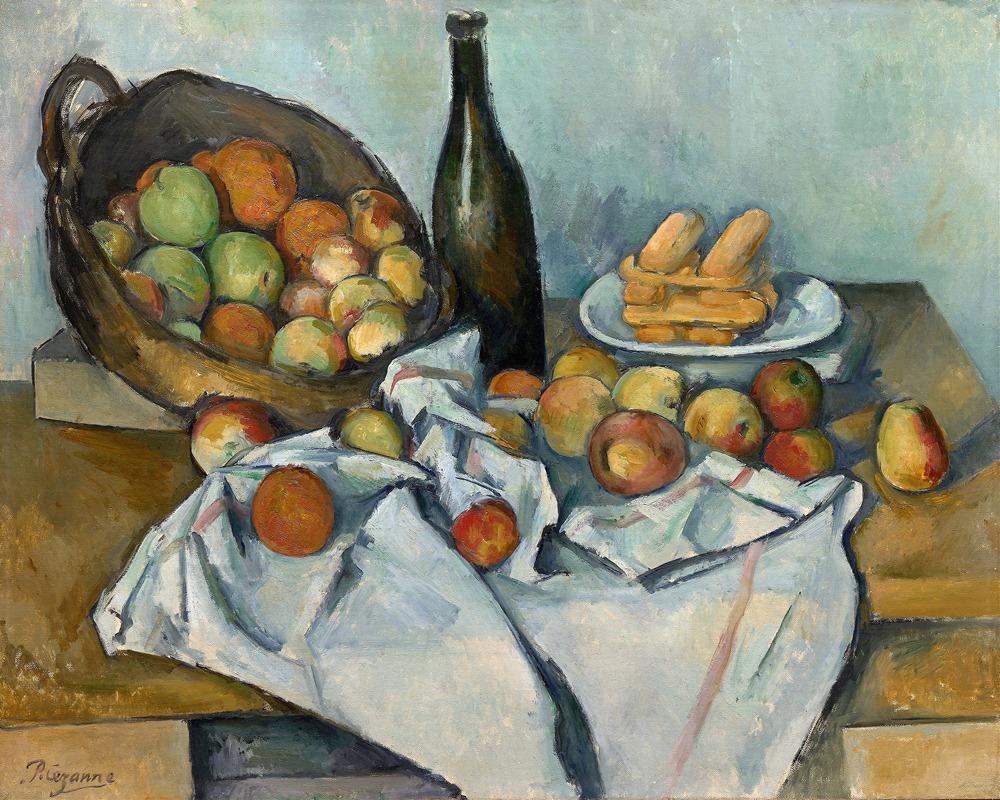
In Quatre pommes et un couteau, four apples are arranged on a table beside a knife. The apples are painted in rich reds and greens, showcasing Cézanne's characteristic brushwork. The background is a muted tone, allowing the fruit to stand out prominently.
The composition is simple yet effective, drawing the viewer's eye to the vibrant colors of the apples. Cézanne employs oil on canvas for this still life, a medium that allows for texture and depth. The brushstrokes are visible, creating a sense of movement and life in the stillness of the objects. The light source is subtle, casting soft shadows that enhance the three-dimensionality of the apples.
This technique is typical of Cézanne's style, emphasizing form and color over detail. Paul Cézanne, a key figure in Post-Impressionism, aimed to bridge Impressionism and Cubism. Quatre pommes et un couteau reflects his exploration of color and form, focusing on the essence of the objects rather than their exact representation. An interesting fact about this work is that it exemplifies Cézanne's belief that nature could be reduced to geometric shapes, a concept that influenced many modern artists.
More Artworks by Paul Cézanne
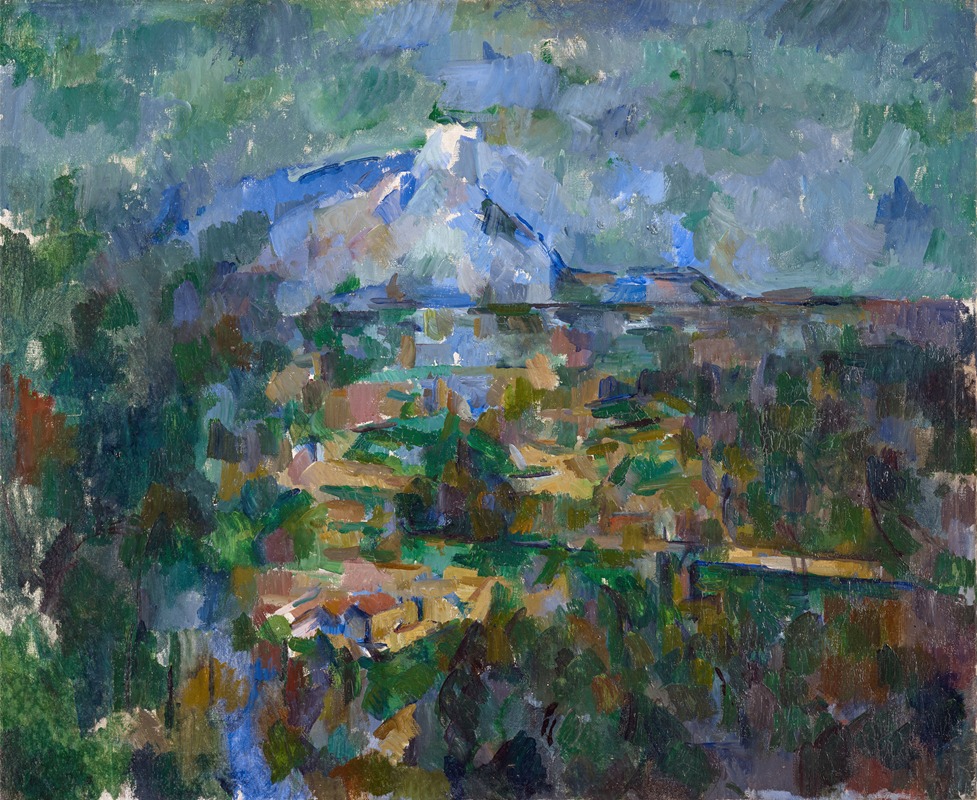
The Mont Sainte-Victoire Seen From Les Lauves
Paul Cézanne
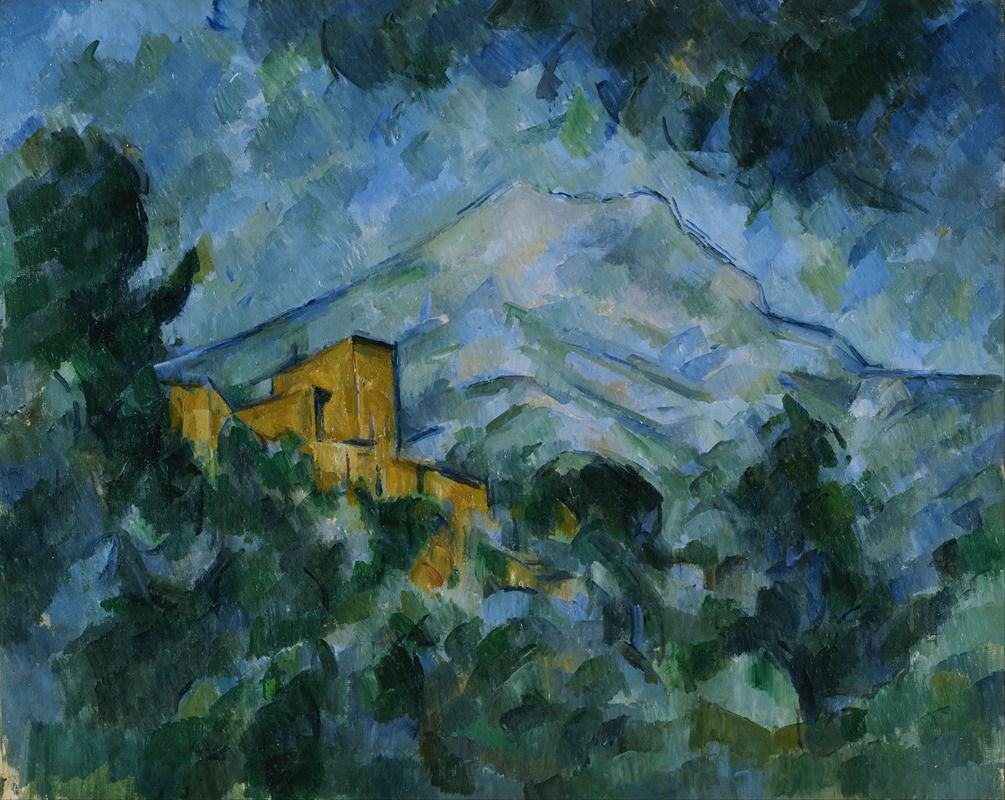
Mont Sainte-Victoire and Château Noir
Paul Cézanne
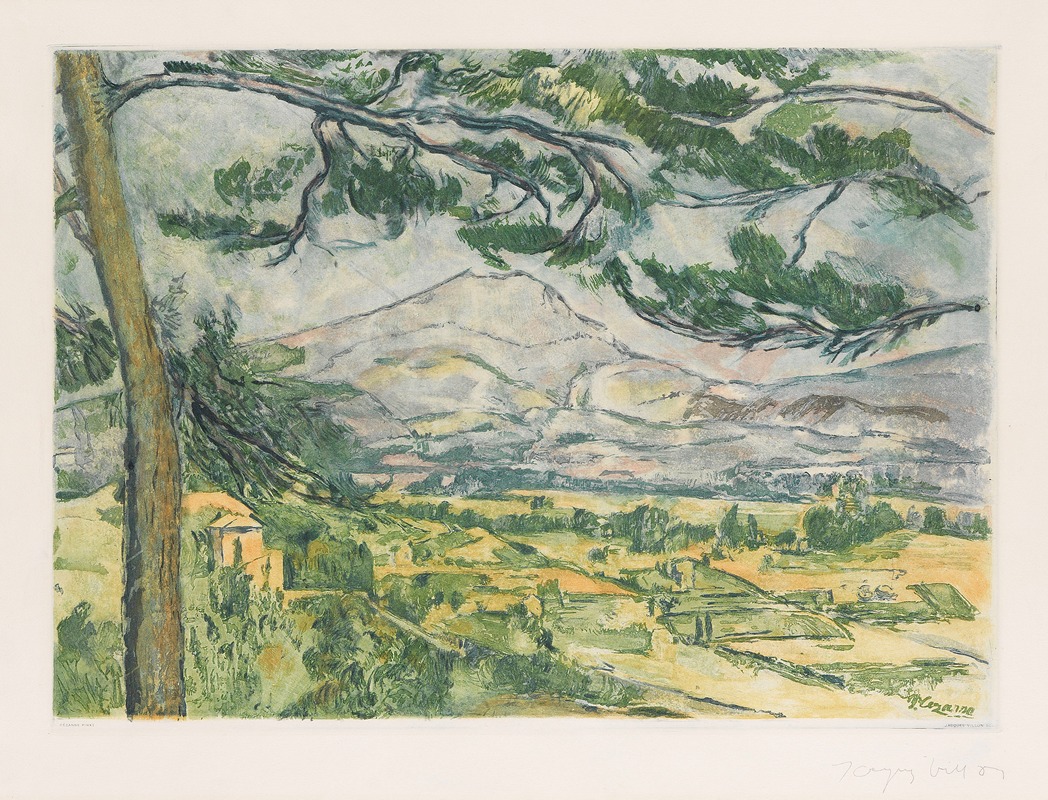
La Montagne Sainte-Victoire
Paul Cézanne
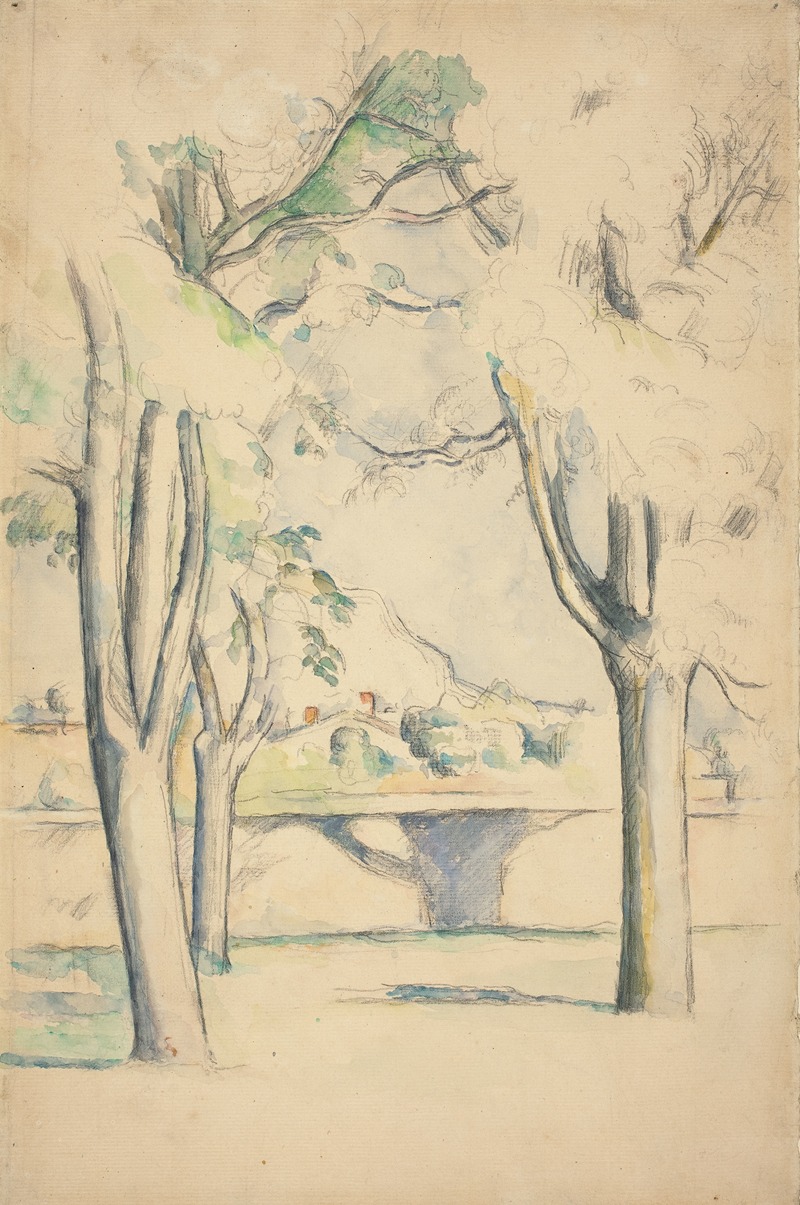
Mont Sainte-Victoire Seen beyond the Wall of the Jas de Bouffan
Paul Cézanne
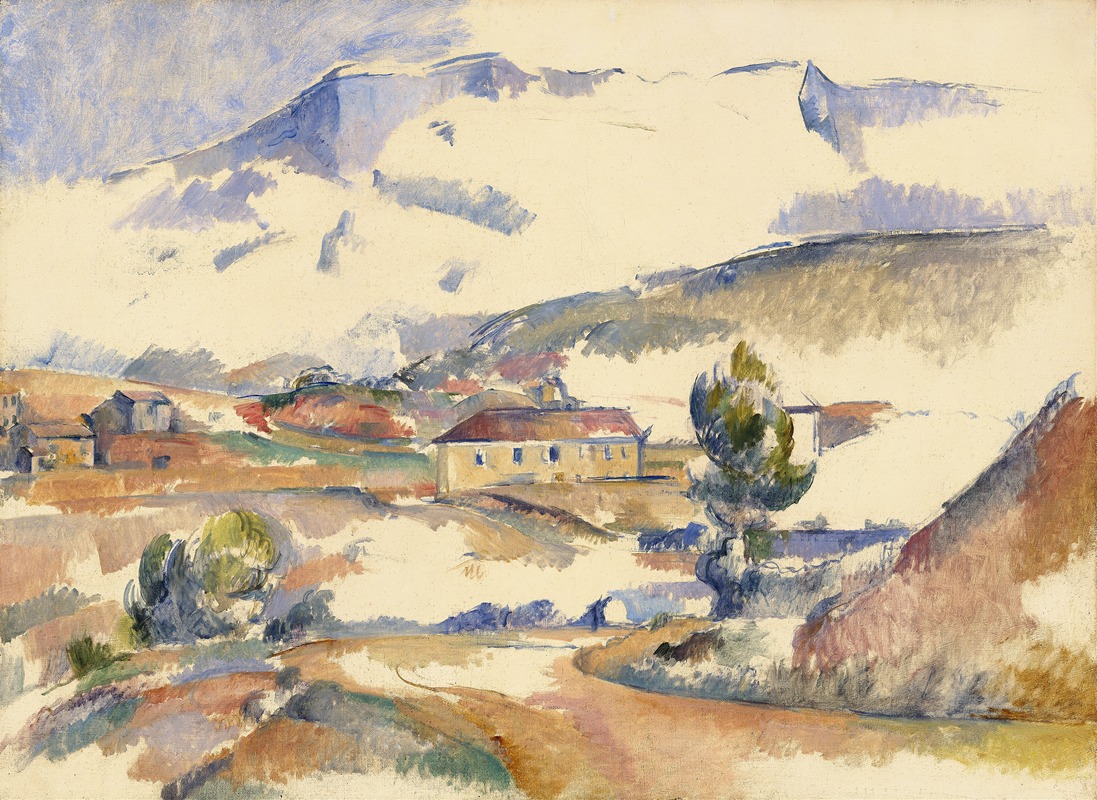
Montagne Sainte-Victoire,from near Gardanne
Paul Cézanne
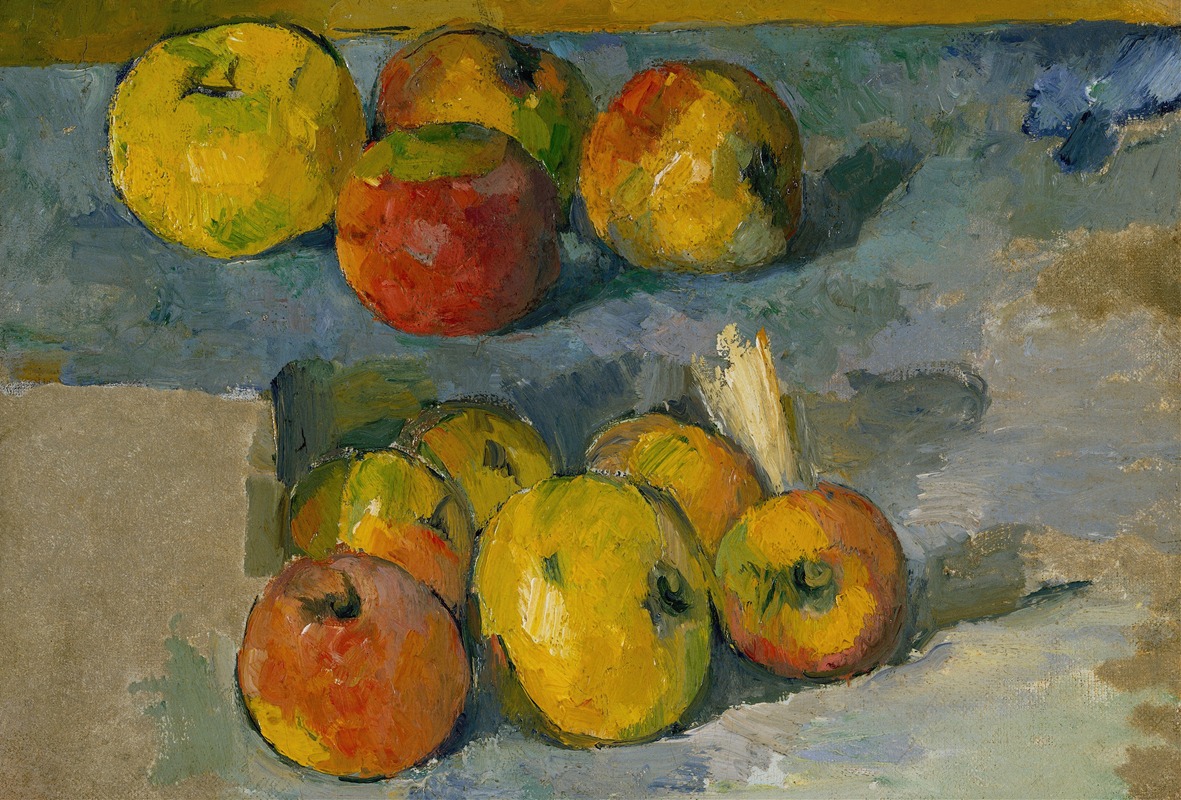
Apples
Paul Cézanne
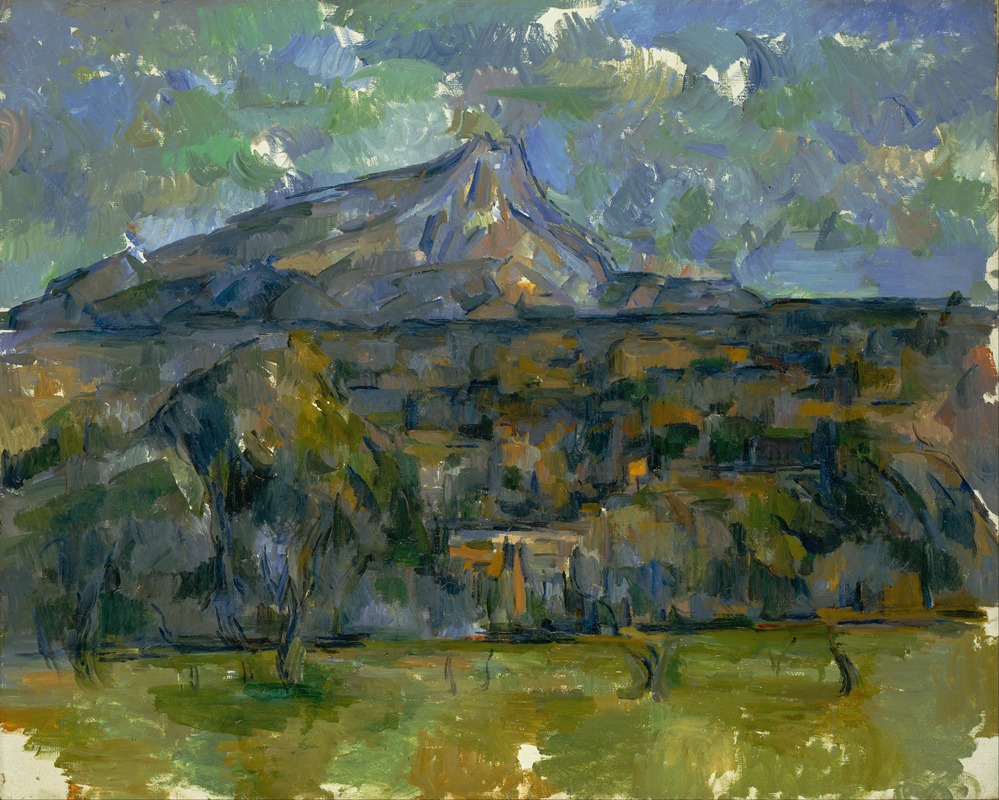
Mont Sainte-Victoire
Paul Cézanne
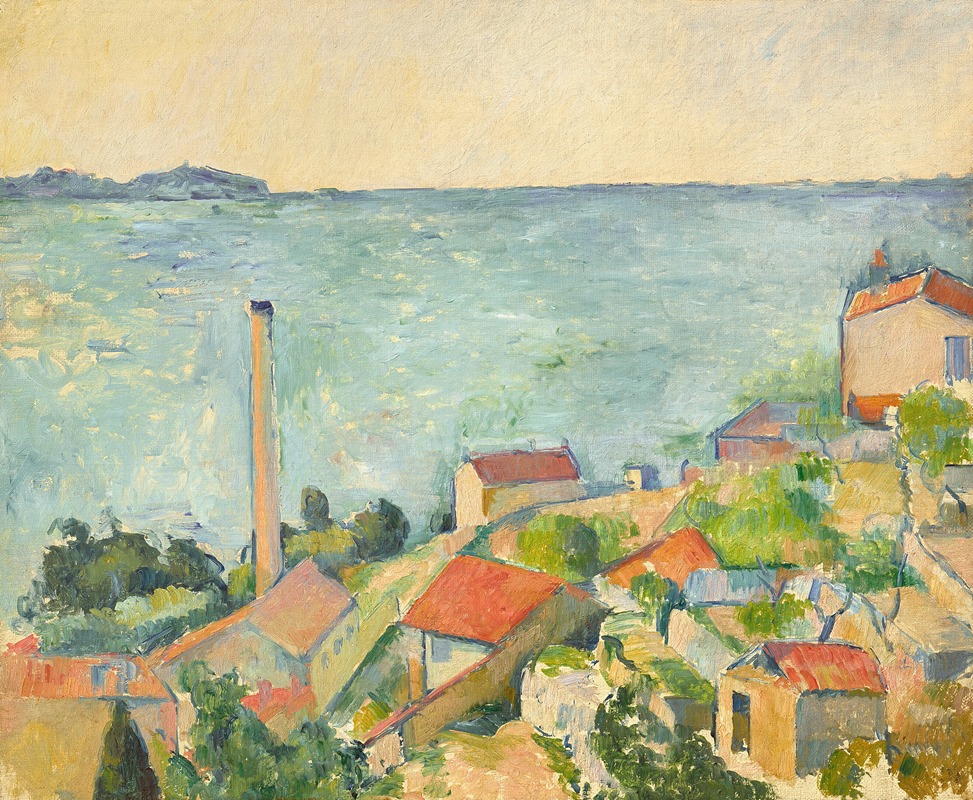
La mer à l’Estaque
Paul Cézanne
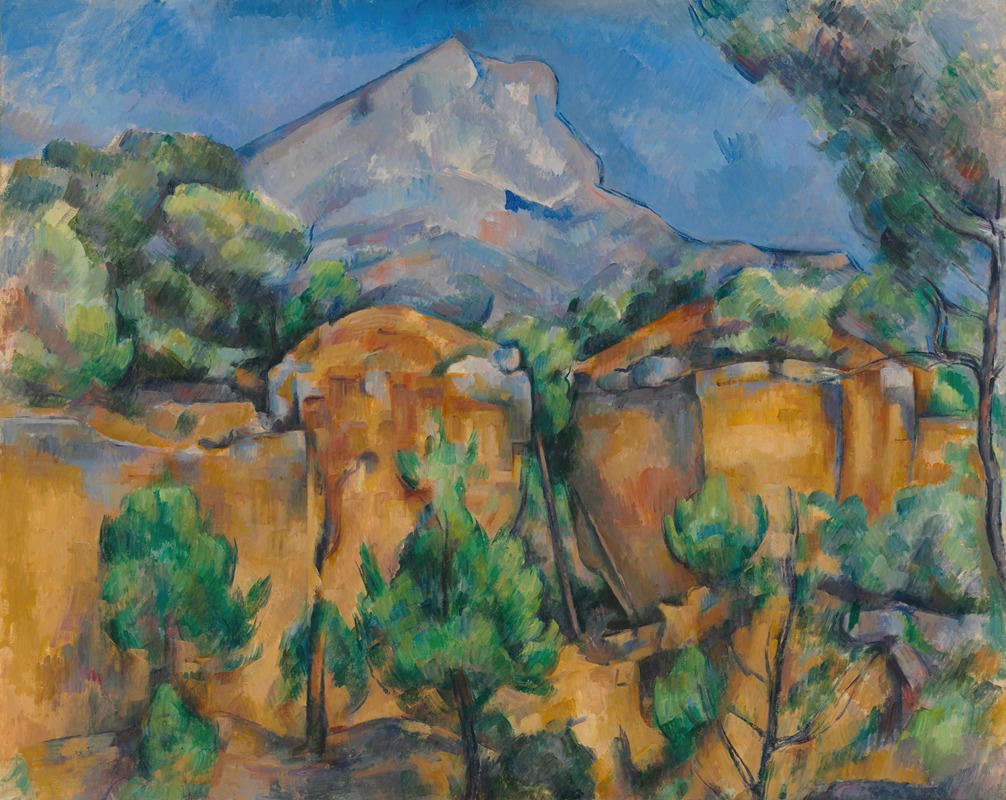
La Montagne Sainte-Victoire vue de la carrière Bibémus
Paul Cézanne
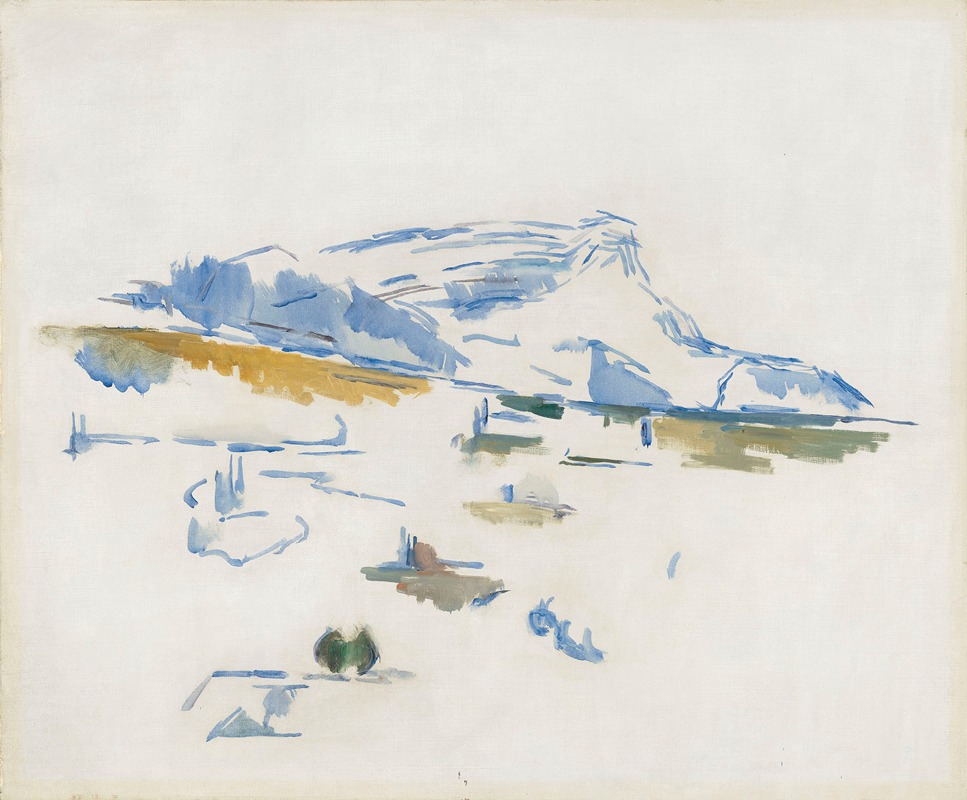
La Montagne Sainte-Victoire vue des Lauves
Paul Cézanne