Discover insights about this artwork
Que pico de Oro! (What a golden beak!) — History & Facts
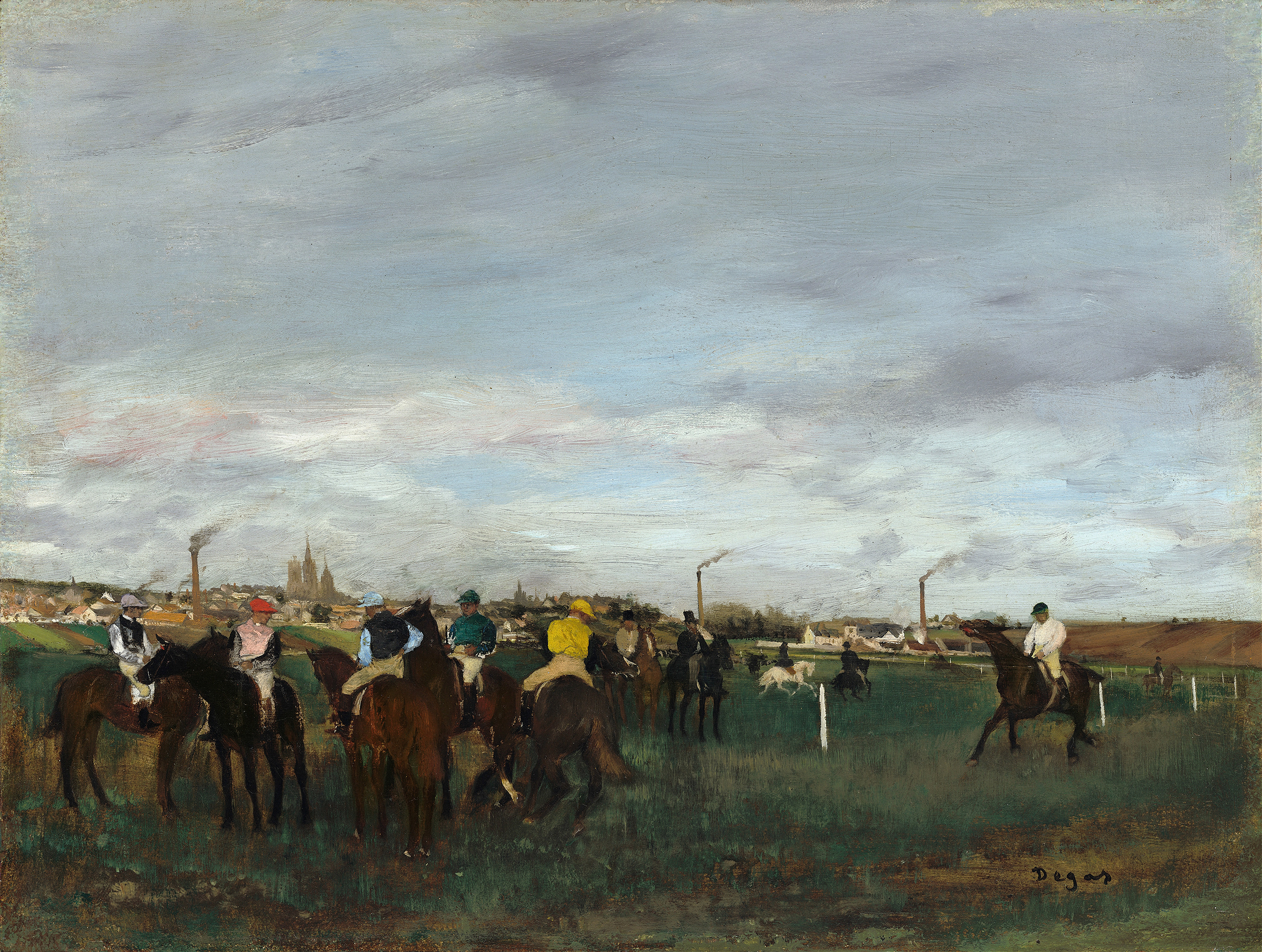
In Que pico de Oro! by Francisco de Goya, a vibrant bird captures the viewer's attention with its striking golden beak. The background features a lush, natural setting, filled with greens and soft earth tones. The bird's feathers are painted in rich colors, creating a contrast with the golden beak.
This lively composition draws the eye and evokes a sense of wonder about the creature's beauty. The painting is executed in oil on canvas, showcasing Goya's skill in capturing texture and detail. The use of color is particularly noteworthy, with the golden beak standing out against the darker hues of the bird's body. Goya's brushwork is fluid, allowing for a sense of movement within the piece.
The dimensions are approximately 50 x 70 cm, making it a medium-sized artwork that invites close inspection. Francisco de Goya was a prominent Spanish painter known for his diverse body of work that spans various styles and themes. Que pico de Oro! reflects his interest in nature and the animal kingdom, a theme that appears in several of his works. An interesting fact about this painting is that it showcases Goya's transition towards a more expressive use of color, which would later influence the Romantic movement.
This work exemplifies his ability to blend realism with a touch of imagination.
More Artworks by Francisco de Goya
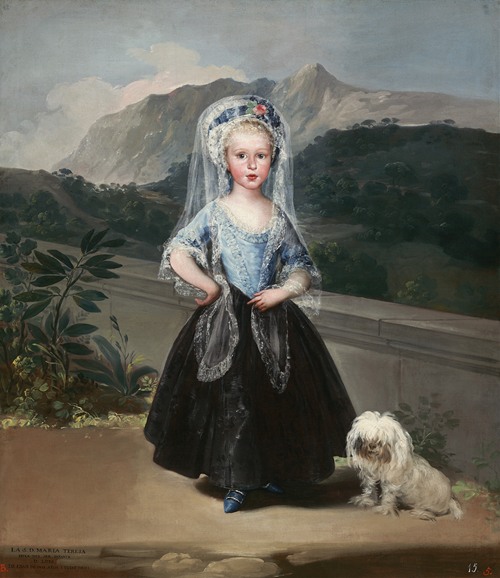
María Teresa de Borbón y Vallabriga,later Condesa de Chinchón
Francisco de Goya
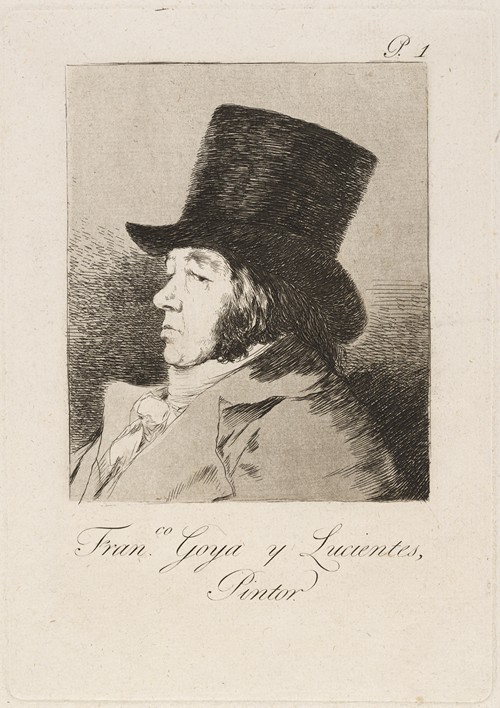
Francisco Goya y Lucientes, Pintor (Francisco Goya y Lucientes, painter)
Francisco de Goya
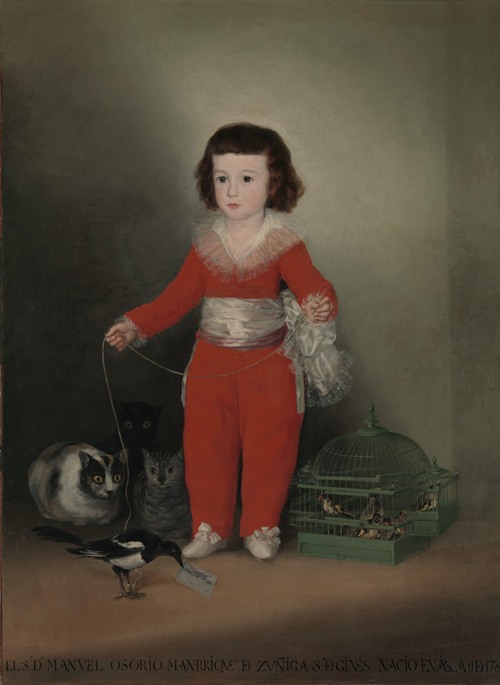
Manuel Osorio Manrique de Zuñiga (1784–1792)
Francisco de Goya
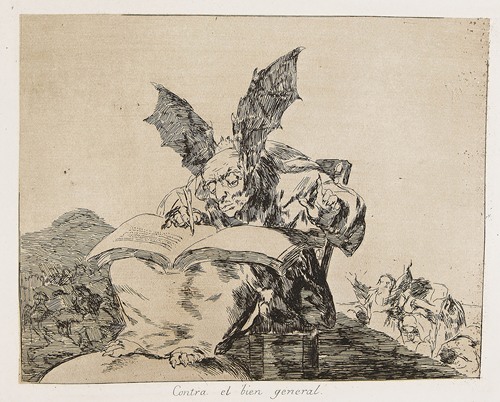
Los desastres de la guerra
Francisco de Goya
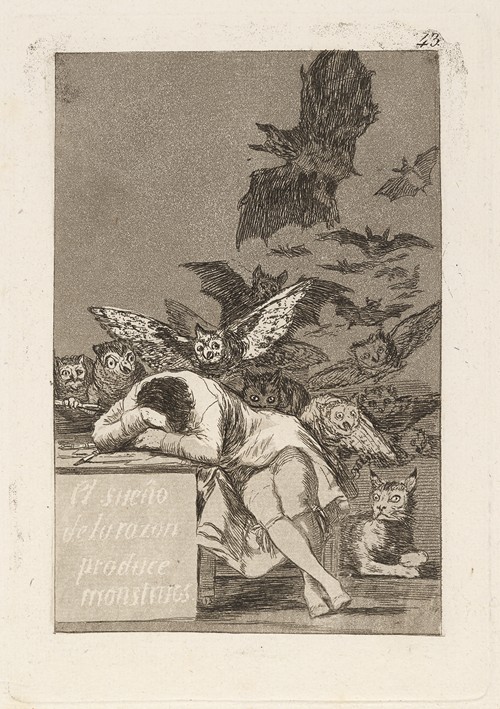
El sueño de la razon produce monstruos. (The sleep of reason produces monsters.)
Francisco de Goya
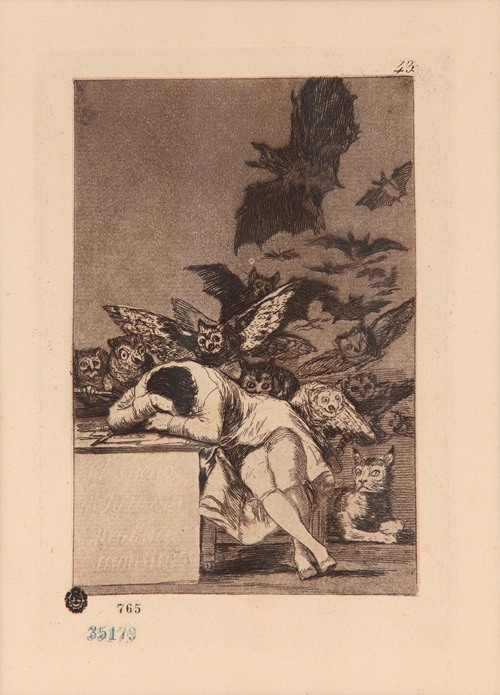
El sueño de la razon produce moustruos (Serie Caprichos)
Francisco de Goya
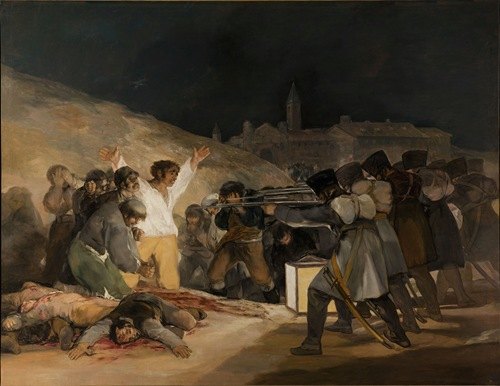
The Third of May
Francisco de Goya
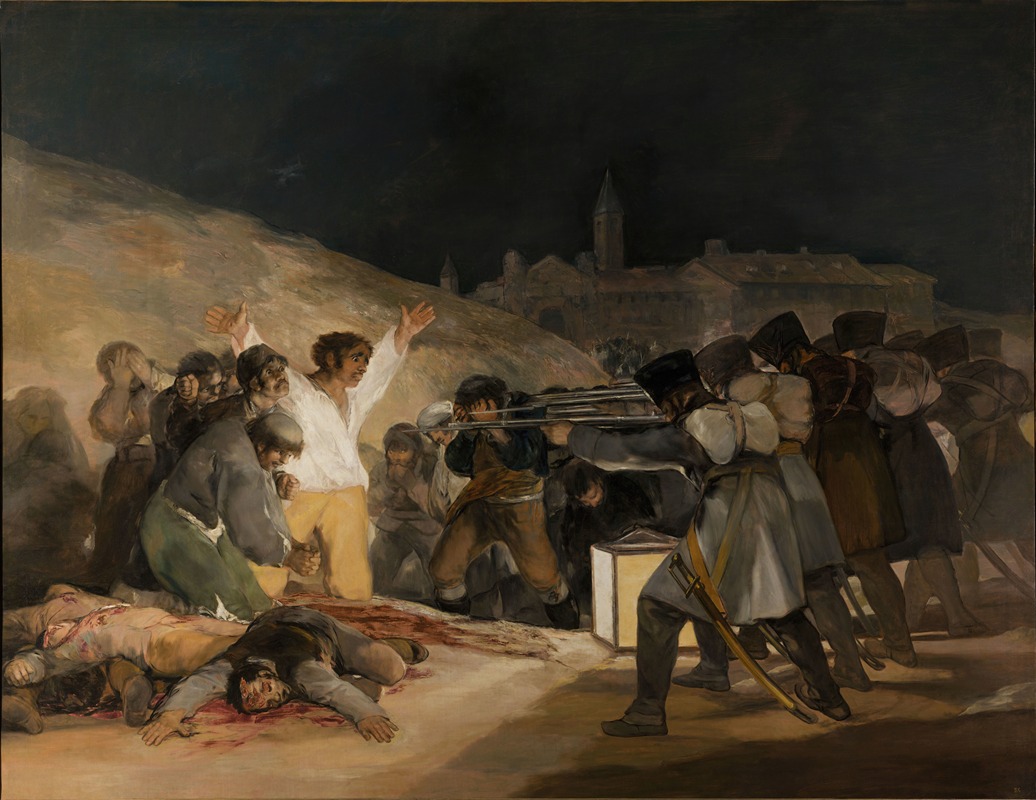
The Third of May 1808
Francisco de Goya
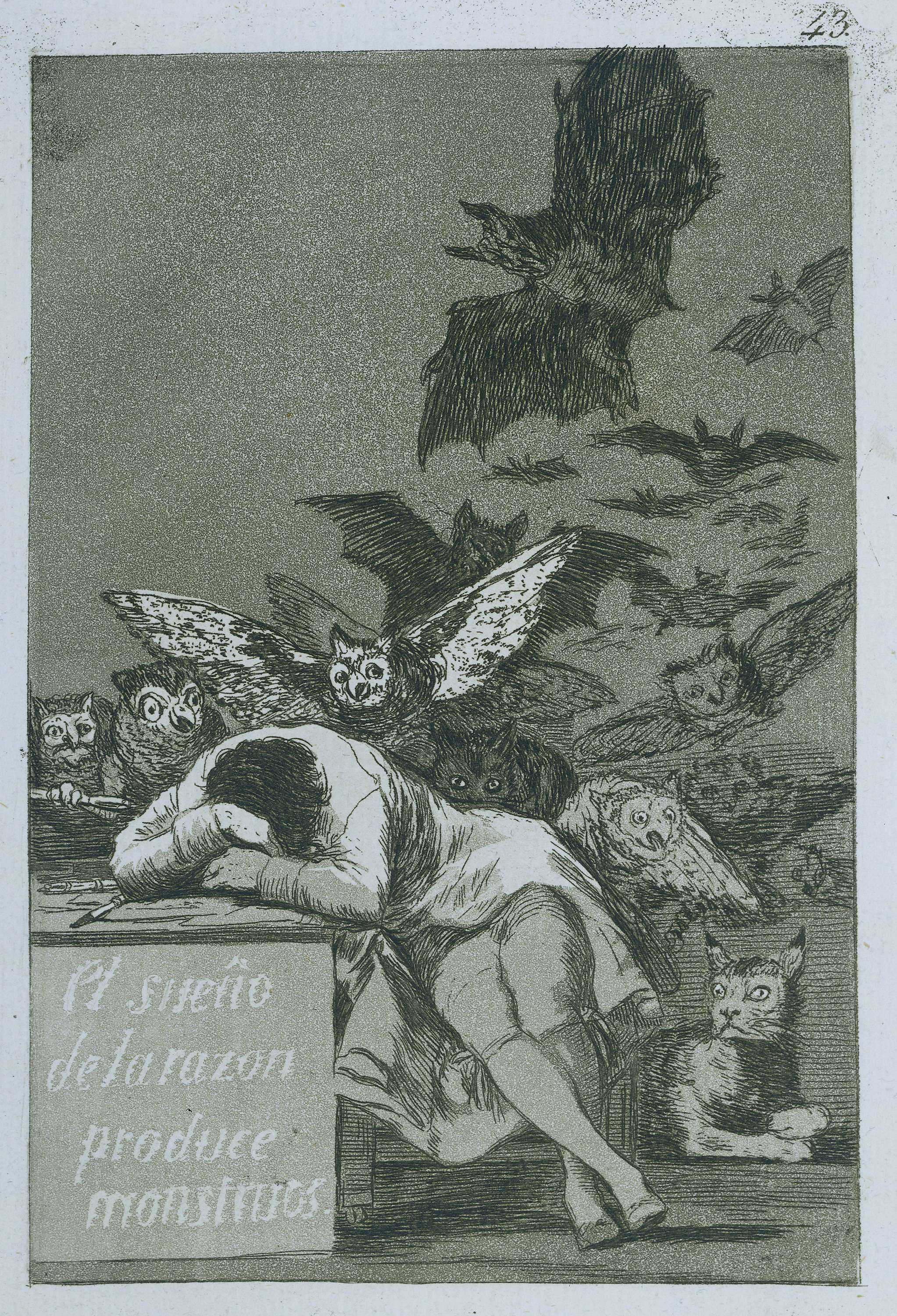
De slaap van de rede brengt monsters voort
Francisco de Goya
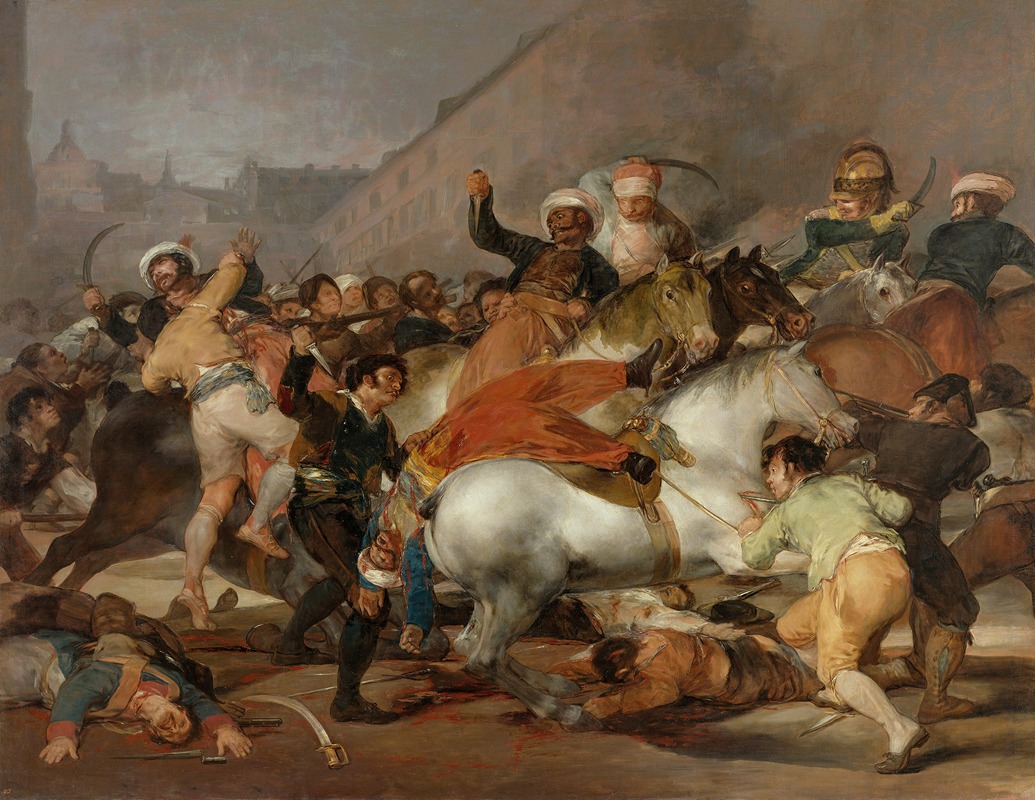
The Charge of the Mamelukes (1814)
Francisco de Goya