Discover insights about this artwork
Rabbit hunter with a Retriever — History & Facts
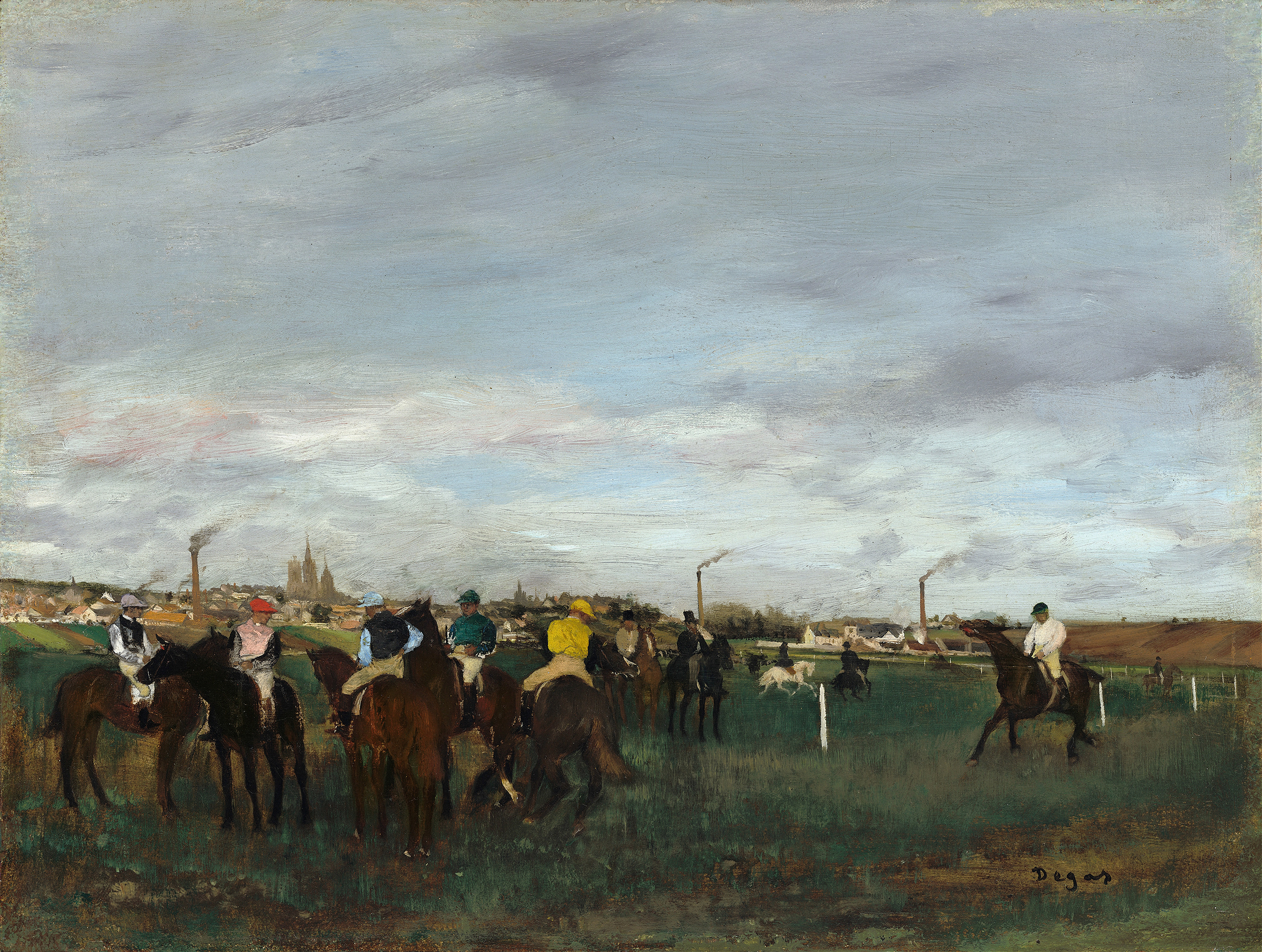
In Rabbit Hunter with a Retriever, Francisco de Goya depicts a hunter in a lush landscape. The colors are rich and earthy, with greens and browns dominating the scene. The hunter, dressed in traditional attire, stands confidently with a retriever by his side.
The background features a serene natural setting, suggesting a moment of calm in the hunting process. The painting is executed in oil on canvas, showcasing Goya's skill in blending realism with romantic elements. The figures are rendered with attention to detail, capturing the textures of the hunter's clothing and the fur of the retriever. The composition is balanced, with the hunter positioned slightly off-center, drawing the viewer's eye across the canvas.
Light plays a significant role, highlighting the hunter and his dog against the darker foliage. Francisco de Goya was known for his ability to capture the human condition, and this work reflects his interest in rural life and hunting culture. An interesting fact about this painting is that it showcases Goya's transition from the more formal royal portraits to more personal and intimate subjects. The retriever symbolizes loyalty and companionship, enhancing the narrative of the hunter's relationship with nature.
This piece is a testament to Goya's versatility as an artist during the Romantic period.
More Artworks by Francisco de Goya
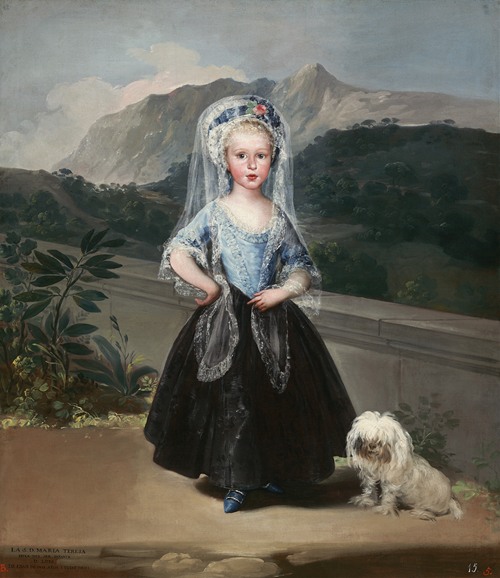
María Teresa de Borbón y Vallabriga,later Condesa de Chinchón
Francisco de Goya
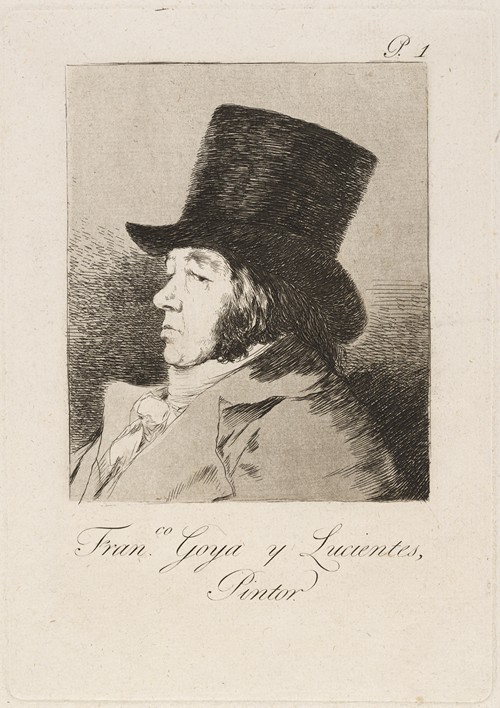
Francisco Goya y Lucientes, Pintor (Francisco Goya y Lucientes, painter)
Francisco de Goya
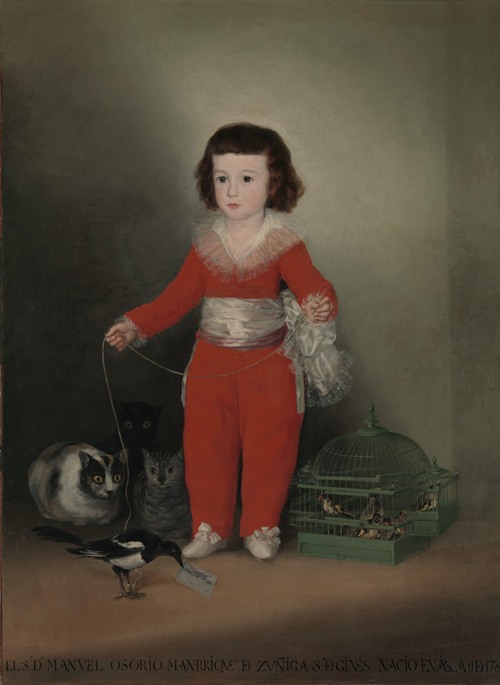
Manuel Osorio Manrique de Zuñiga (1784–1792)
Francisco de Goya
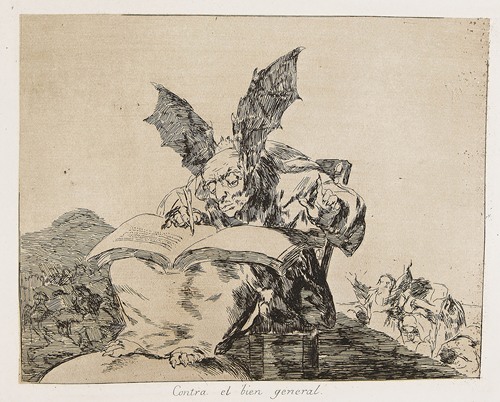
Los desastres de la guerra
Francisco de Goya
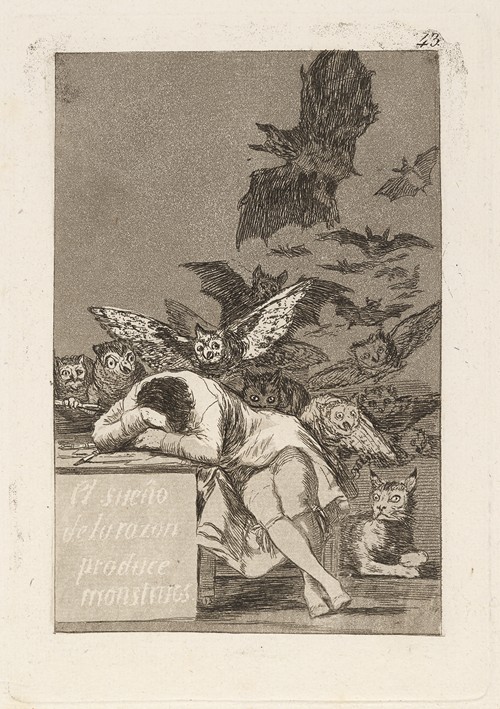
El sueño de la razon produce monstruos. (The sleep of reason produces monsters.)
Francisco de Goya
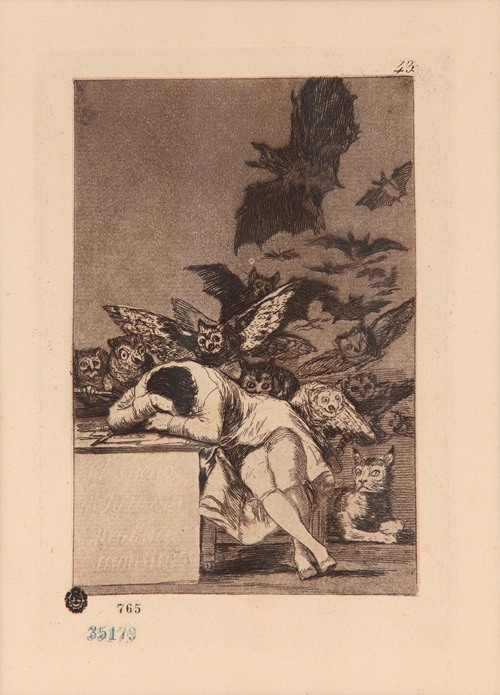
El sueño de la razon produce moustruos (Serie Caprichos)
Francisco de Goya
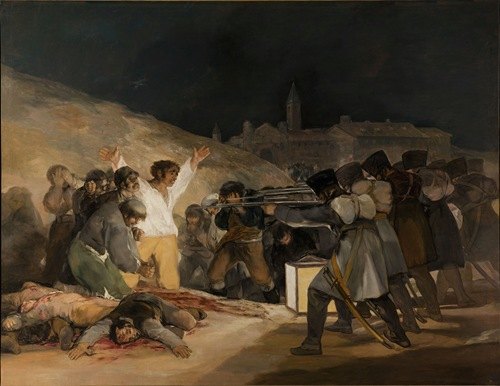
The Third of May
Francisco de Goya
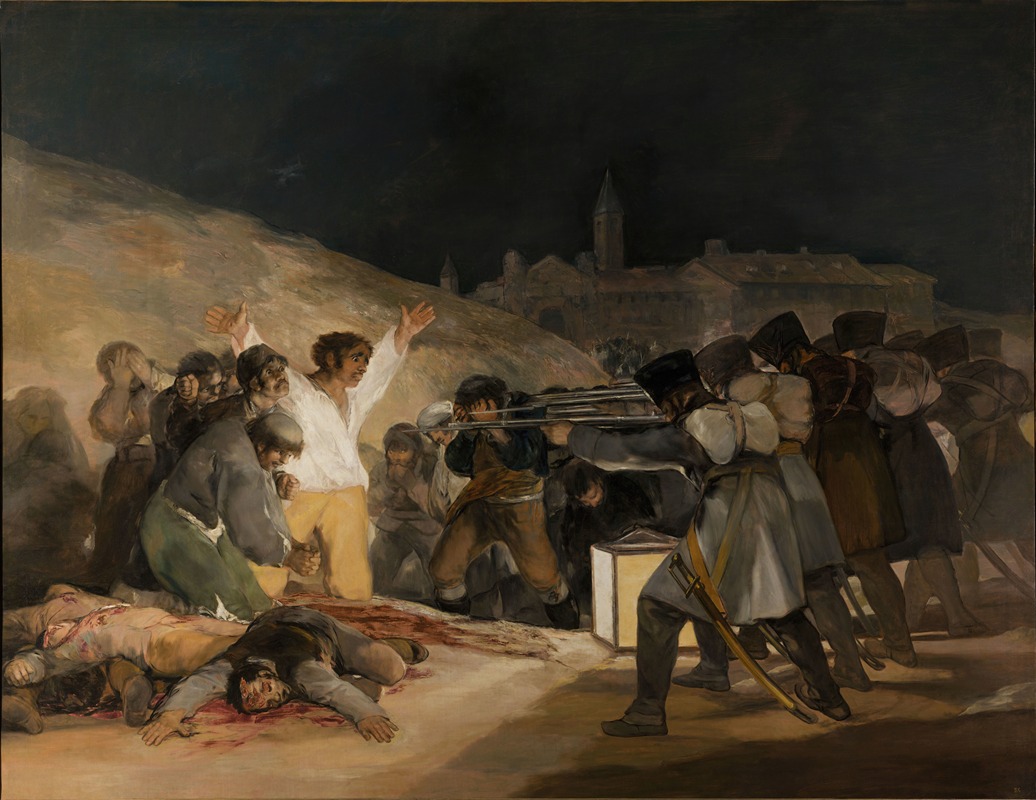
The Third of May 1808
Francisco de Goya
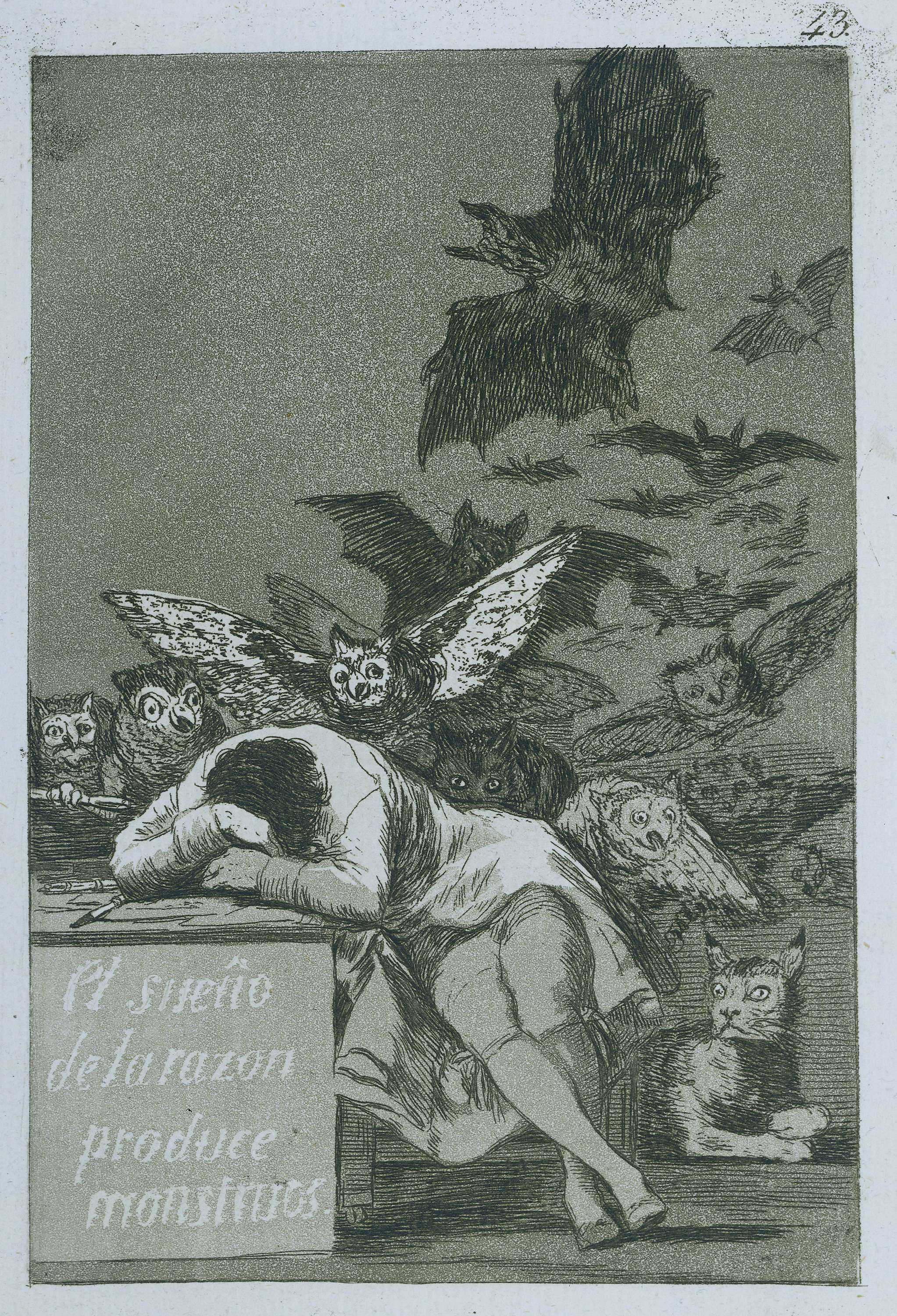
De slaap van de rede brengt monsters voort
Francisco de Goya
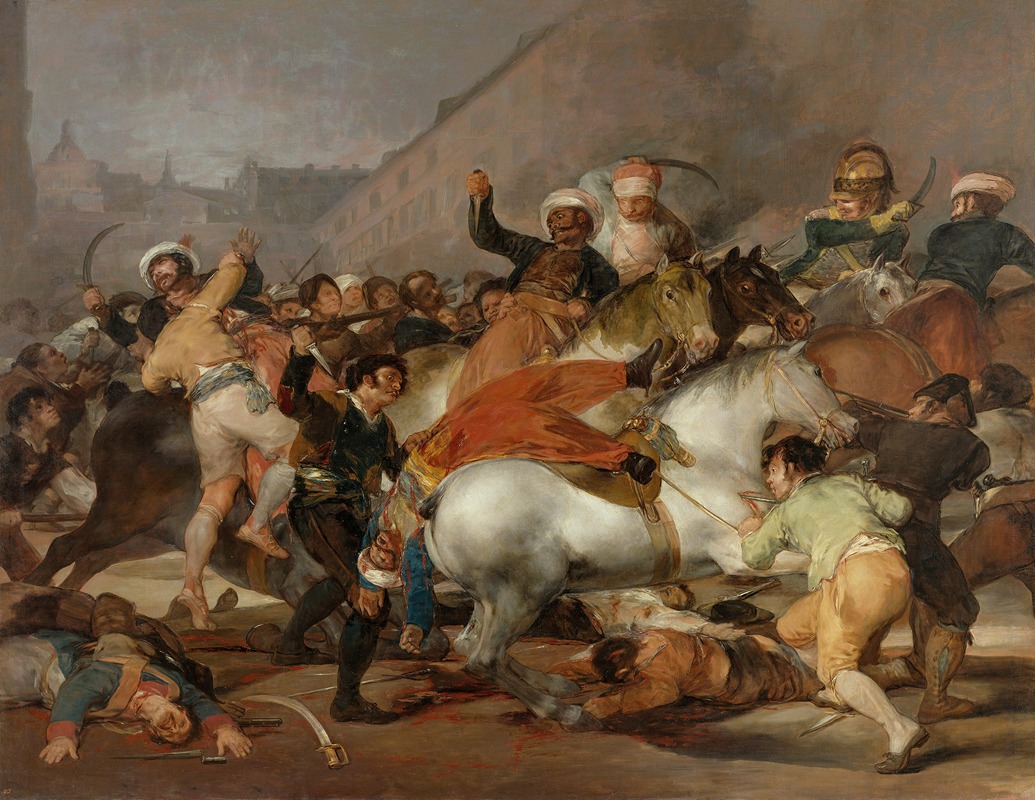
The Charge of the Mamelukes (1814)
Francisco de Goya