
Rainy Night, Venice — History & Facts
Could a single brushstroke hold eternity? In the delicate embrace of a rainy night, whispers of faith linger as droplets merge with the ancient waterways of Venice, capturing fleeting moments of time within its layers. Look to the right at the dimly lit gondola, its profile softened by a veil of rain, a dark shape cradling stories of lovers and wanderers alike. Focus on the way the muted palette of blues and grays dances with the luminous reflections shimmering on the water's surface, as if the city itself is breathing. The light here is elusive, a tender caress illuminating the cobblestones and highlighting the silhouettes of distant buildings, inviting viewers to lose themselves in this tranquil yet vibrant scene. Yet, beneath the surface, there lies a profound contrast between the stillness of the water and the movement of the rain—the very pulse of life murmuring beneath the tranquil façade.
Each drop seems to carry a message, a reminder of both the beauty and melancholy that permeate human experience, while the blurred outlines of the architecture speak to Venice's timelessness, a city caught in the embrace of memory and hope. At the time Rainy Night, Venice was painted in 1880, Otto Henry Bacher was immersed in the artistic community of Paris and Venice, grappling with a burgeoning impressionist influence. This period was marked by a fascination with light and atmosphere, inspired by the interplay of nature and urban life, as artists sought to capture their surroundings in a new, emotionally resonant way.
More Artworks by Otto Henry Bacher
Browse all →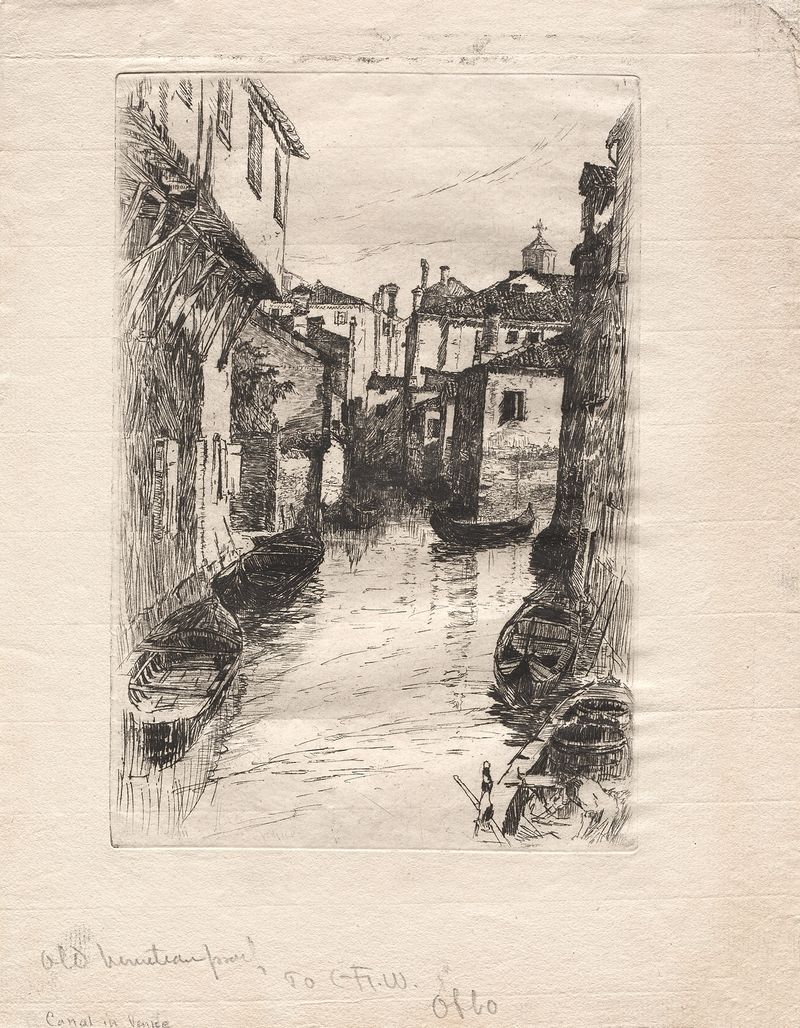
Canal in Venice
Otto Henry Bacher
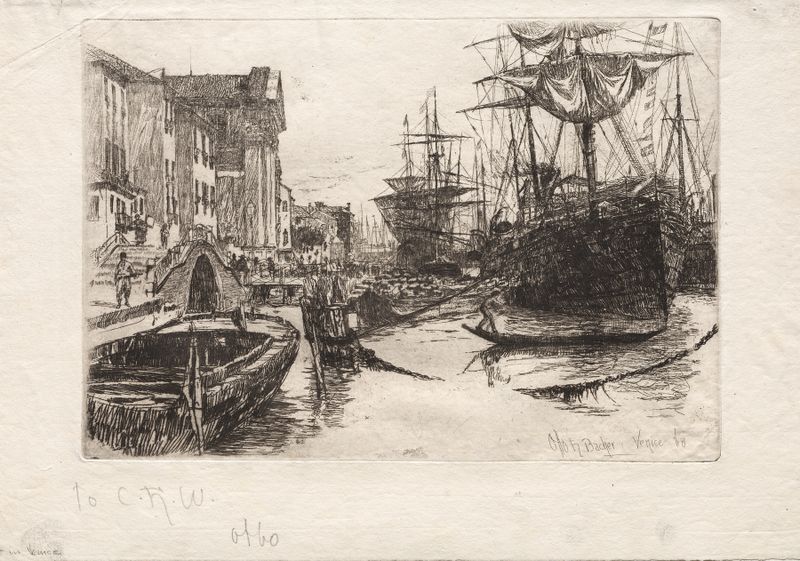
View in Venice
Otto Henry Bacher
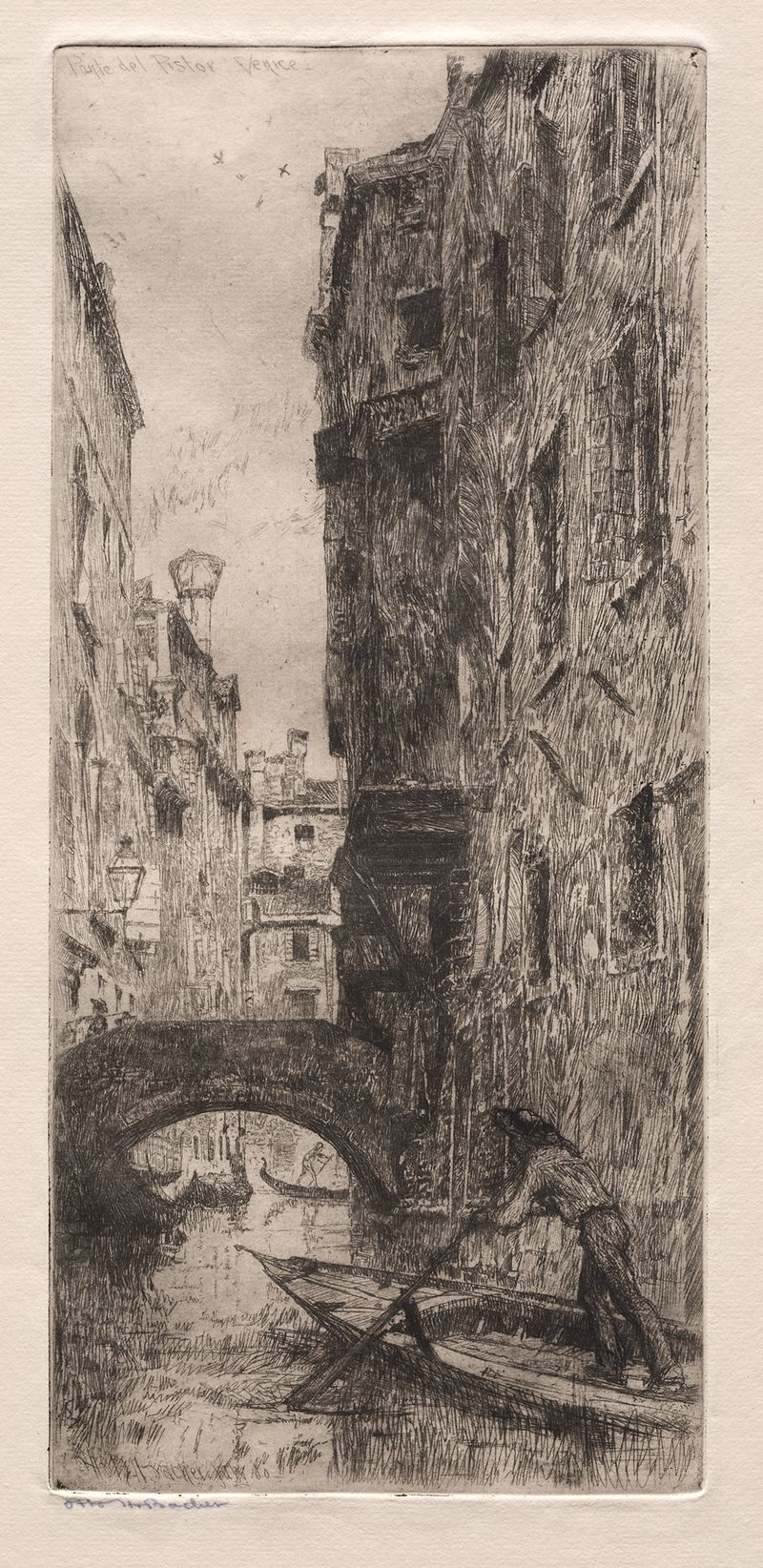
Ponte del Pistor, Venice
Otto Henry Bacher
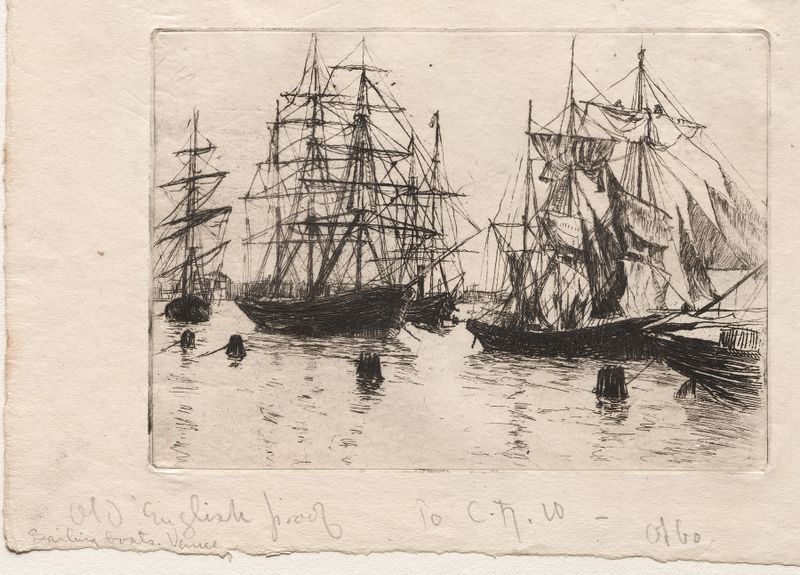
Sailing Boats, Venice
Otto Henry Bacher
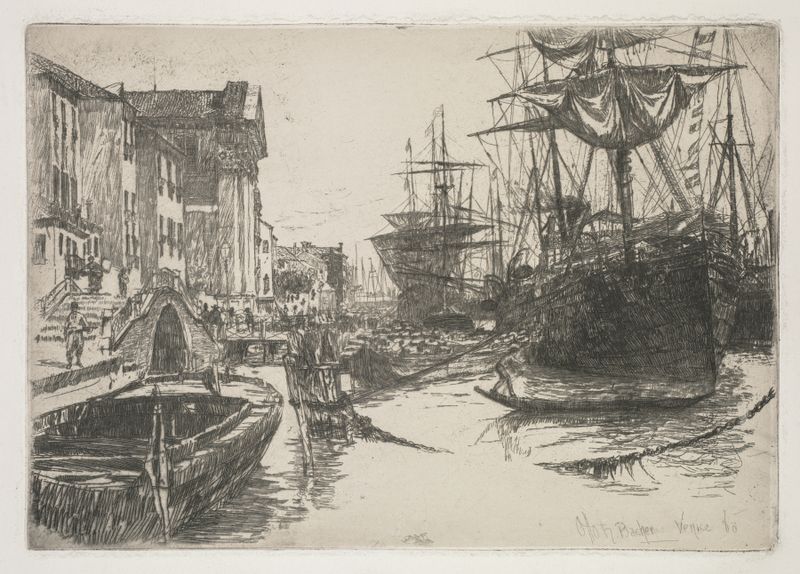
Fondamenta della Zattere
Otto Henry Bacher
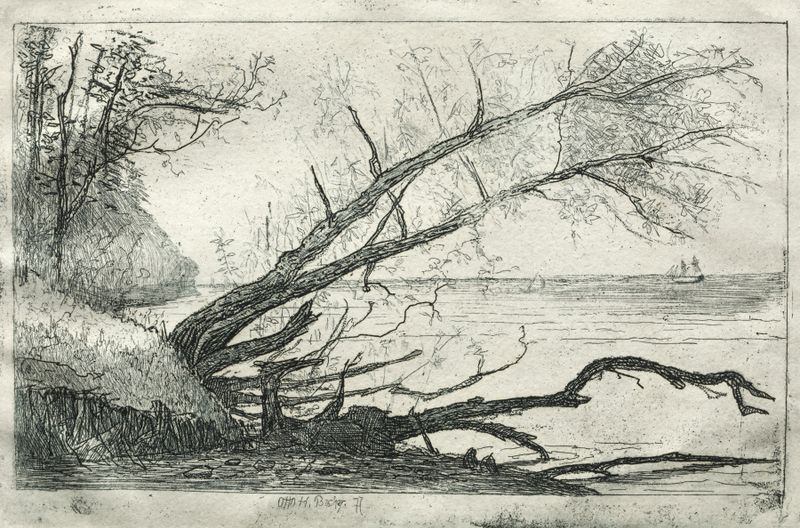
Old Sycamore
Otto Henry Bacher
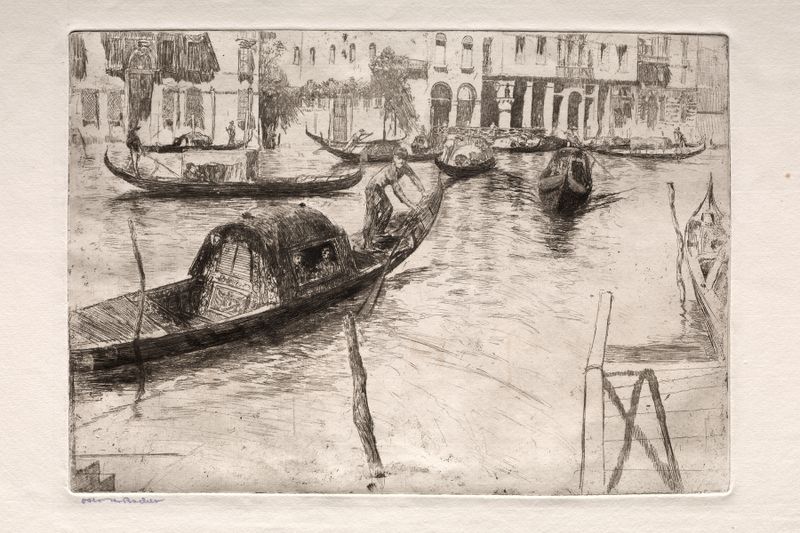
Traghetto San Felice
Otto Henry Bacher
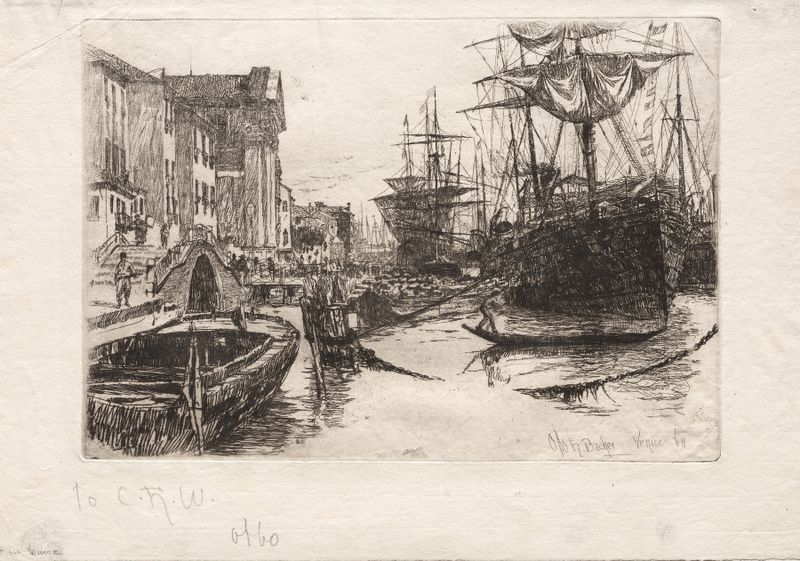
View in Venice
Otto Henry Bacher
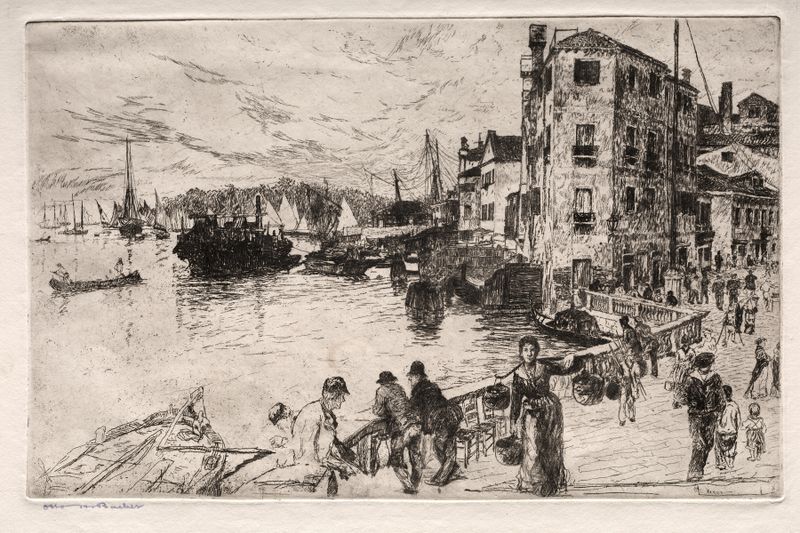
Castello Quarters, Riva
Otto Henry Bacher
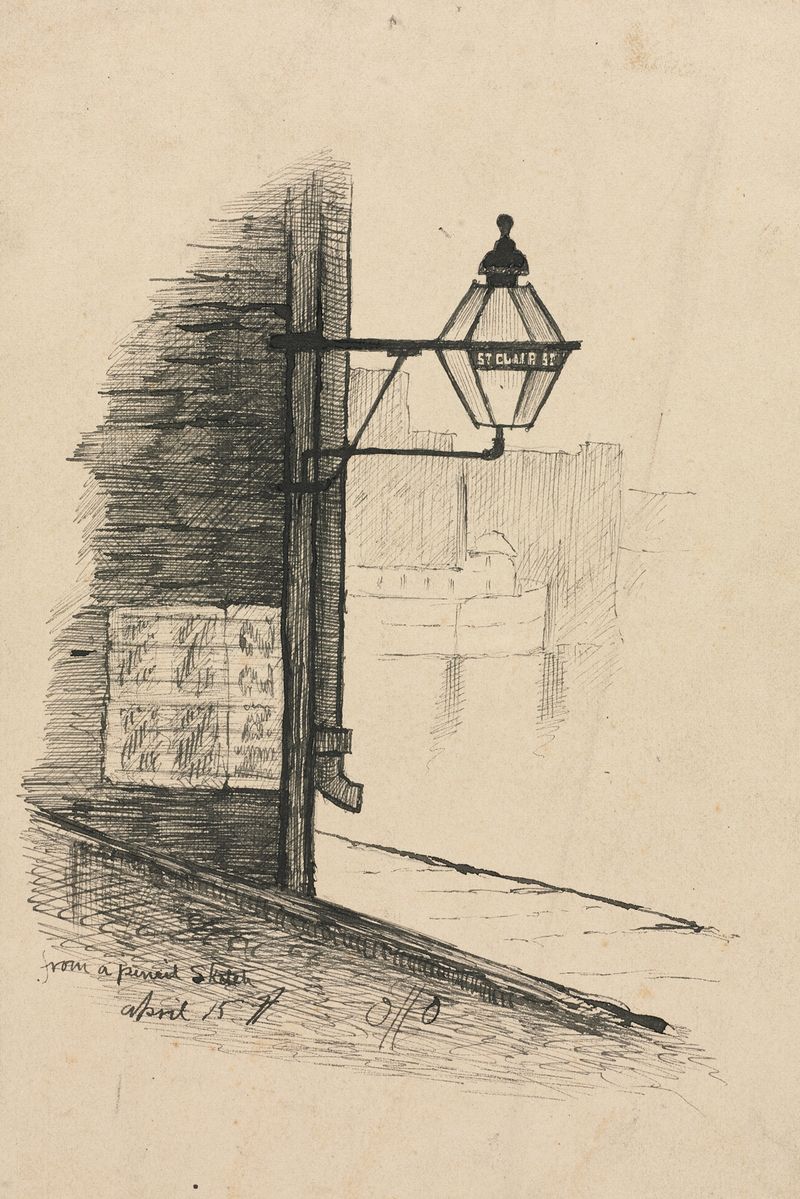
St. Clair Street, Cleveland
Otto Henry Bacher





