Discover insights about this artwork
Reclining Nude (recto) — History & Facts
In Reclining Nude, Paul Gauguin presents a serene figure reclining gracefully against a backdrop of vibrant colors. The warm hues of reds, yellows, and greens create a lively atmosphere that contrasts with the calmness of the nude. The figure's soft curves and relaxed posture invite the viewer to appreciate the beauty of the human form.
Gauguin’s use of color and form emphasizes the sensuality and tranquility of the scene. The painting is executed in oil on canvas, showcasing Gauguin's signature style of bold colors and simplified forms. The dimensions are approximately 90 x 70 cm, making it a medium-sized work that draws the viewer in. The brushwork is expressive, with visible strokes that add texture and depth to the composition.
This technique is characteristic of Gauguin's Post-Impressionist approach, where emotional expression takes precedence over realistic representation. Paul Gauguin was a leading figure in the Post-Impressionist movement, known for his innovative use of color and form. Reclining Nude reflects his fascination with the human figure and the exploration of sensuality. An interesting fact about this work is that it exemplifies Gauguin's shift towards a more personal and symbolic style, moving away from the Impressionist focus on light and atmosphere.
This painting is a testament to his unique vision and artistic evolution during the late 19th century.
More Artworks by Paul Gauguin
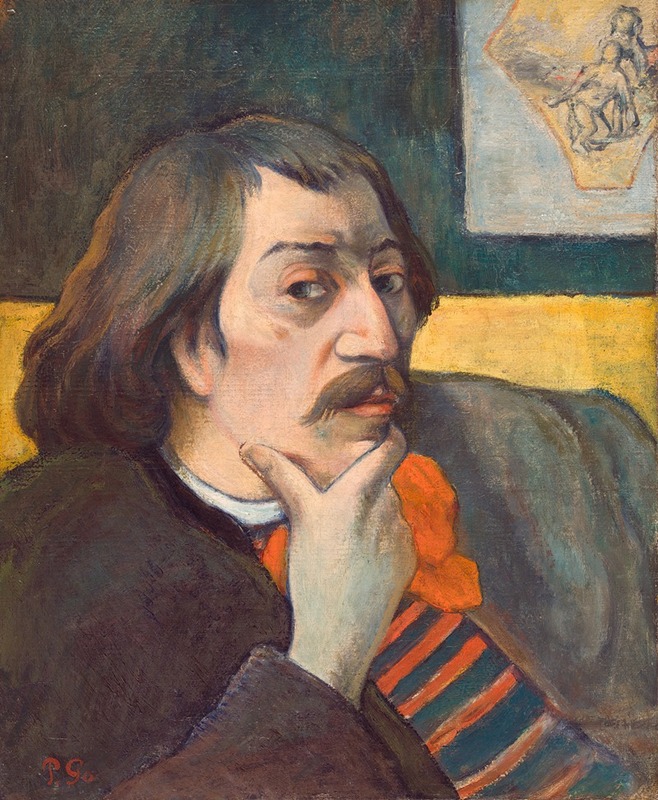
Self Portrait
Paul Gauguin
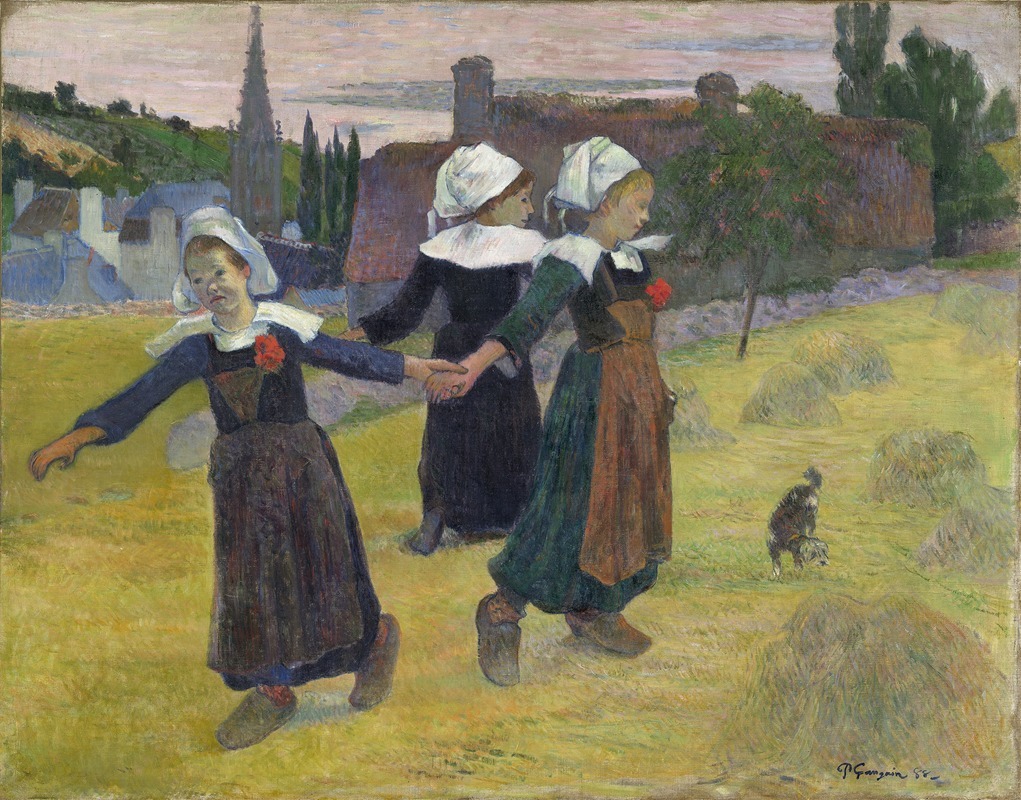
Breton Girls Dancing,Pont-Aven
Paul Gauguin
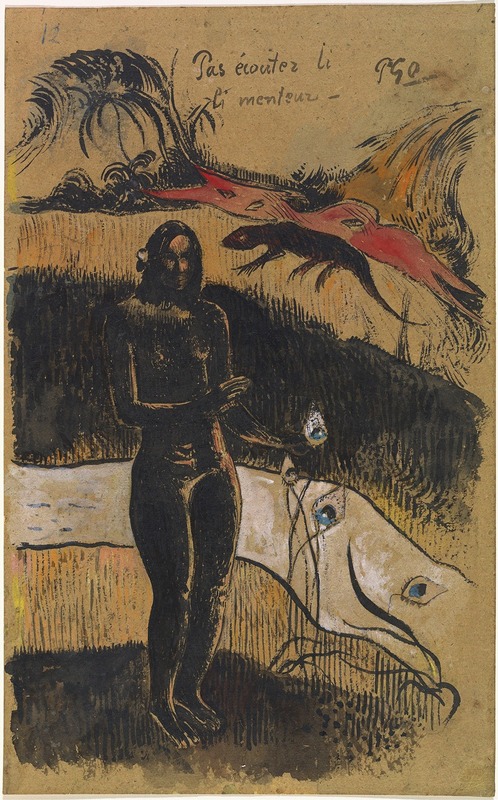
Nave Nave Fenua
Paul Gauguin
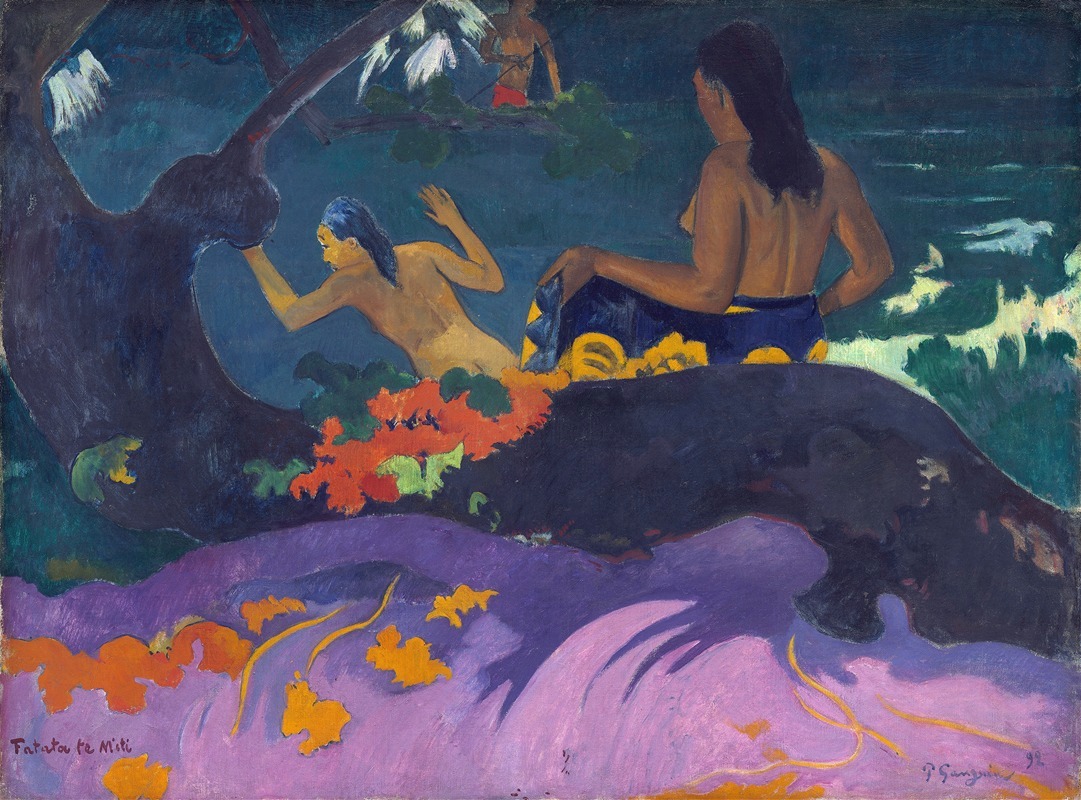
Fatata te Miti (By the Sea)
Paul Gauguin
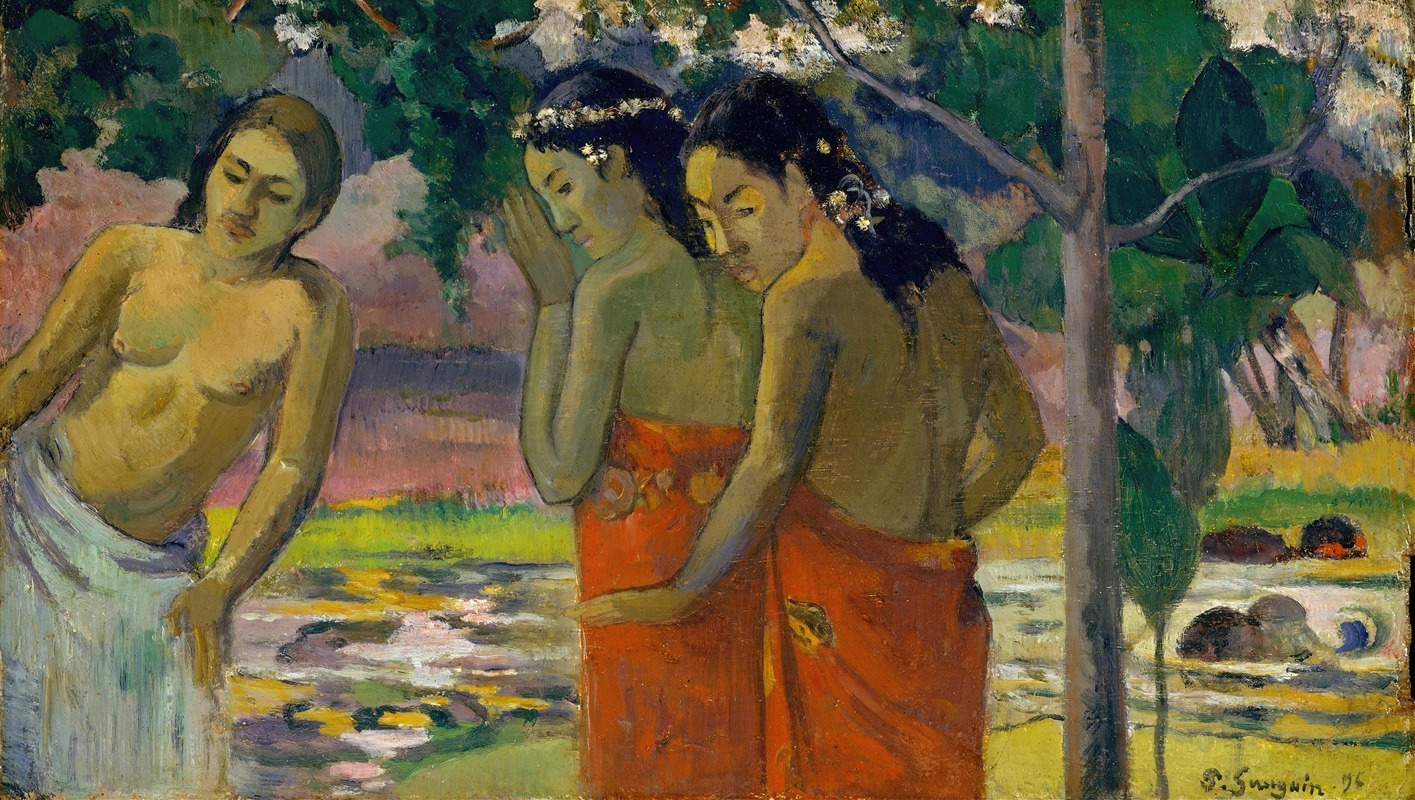
Three Tahitian Women
Paul Gauguin
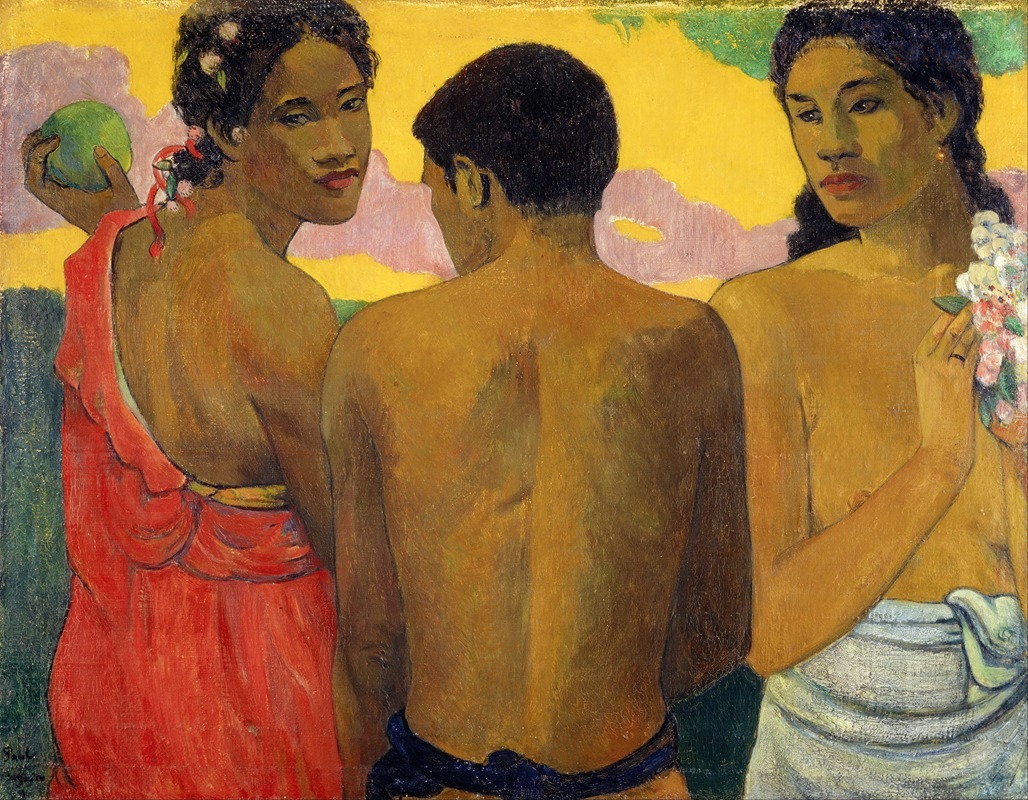
Three Tahitians
Paul Gauguin
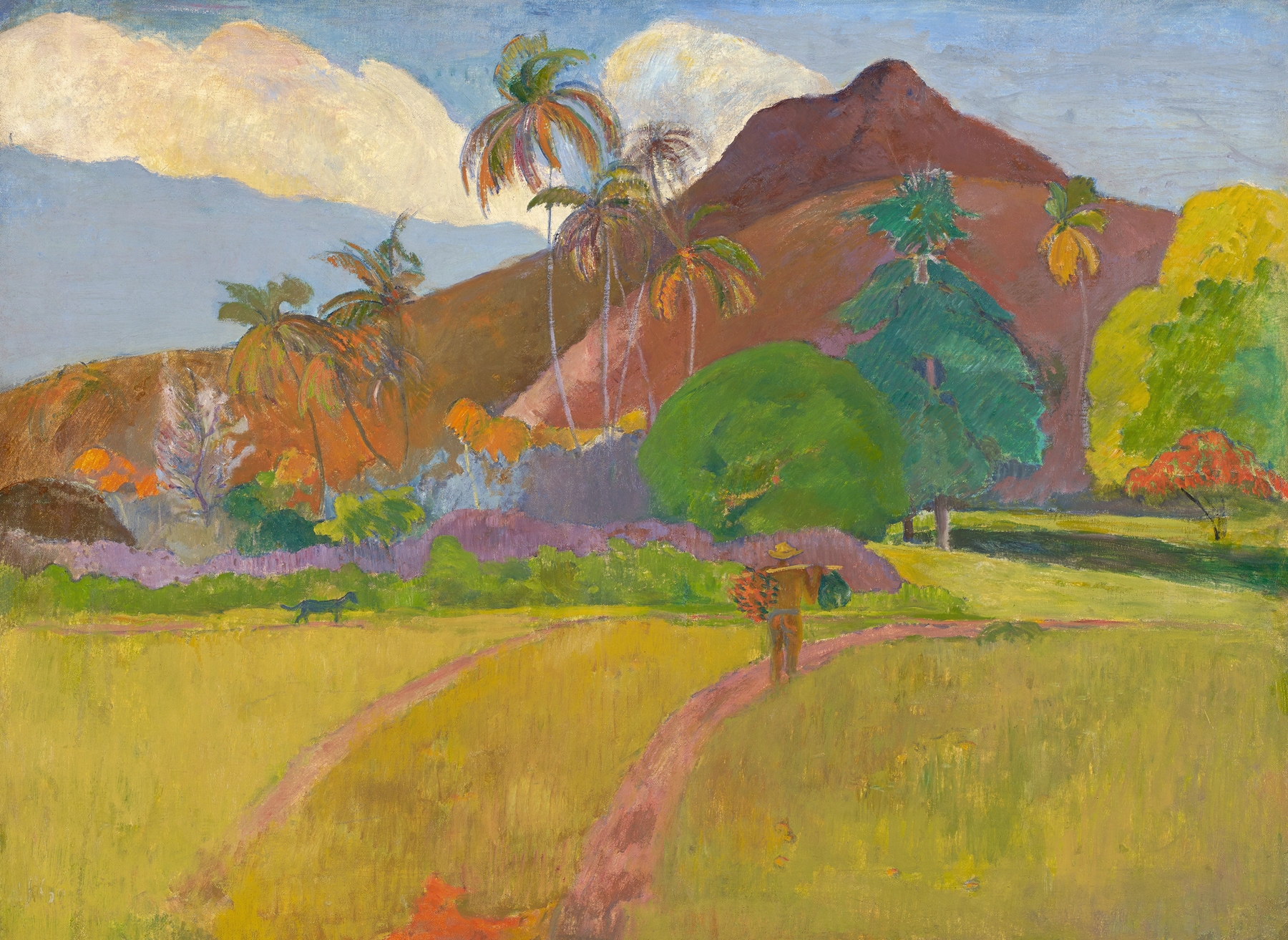
Tahitian Landscape
Paul Gauguin
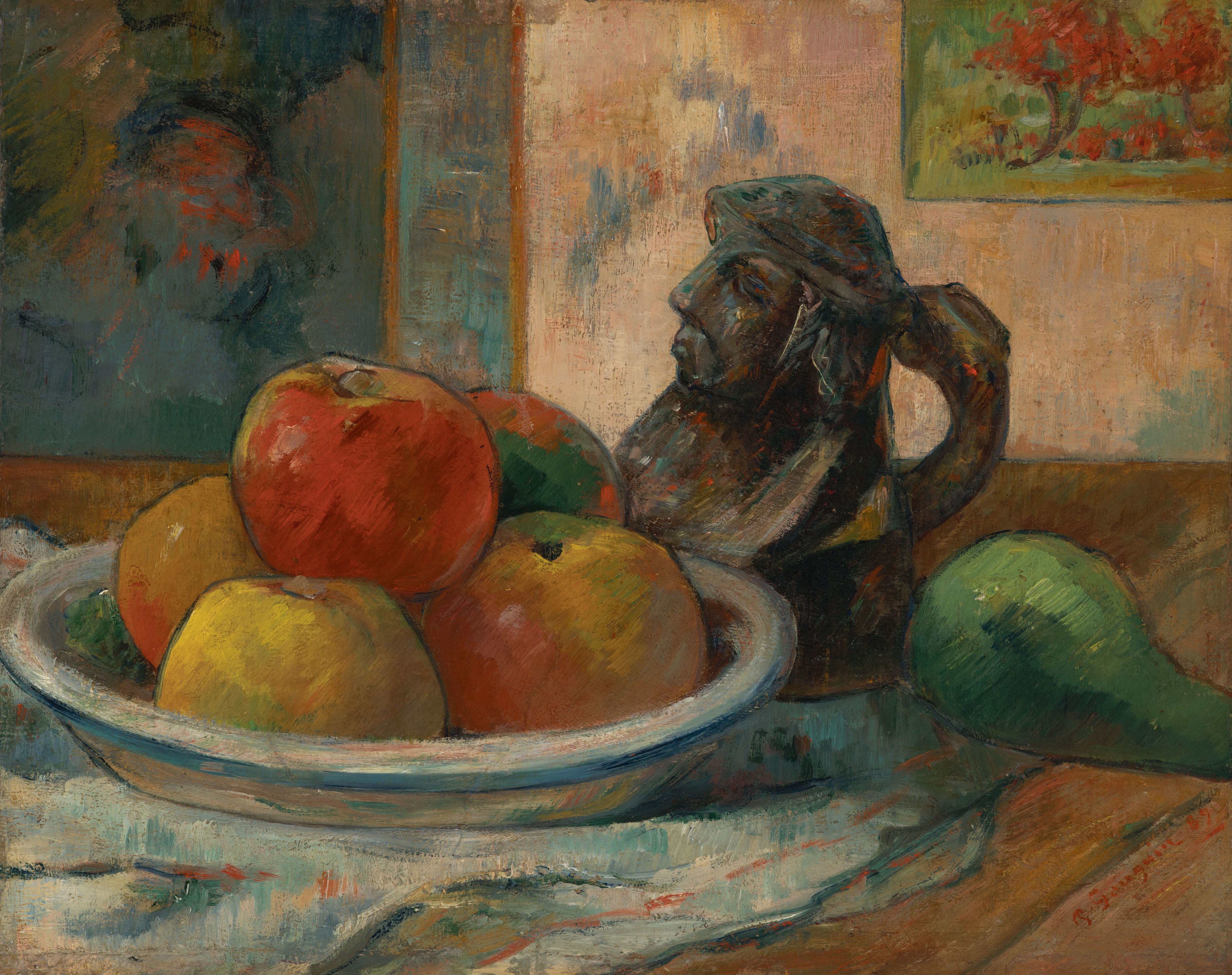
Still Life with Apples, a Pear, and a Ceramic Portrait Jug
Paul Gauguin
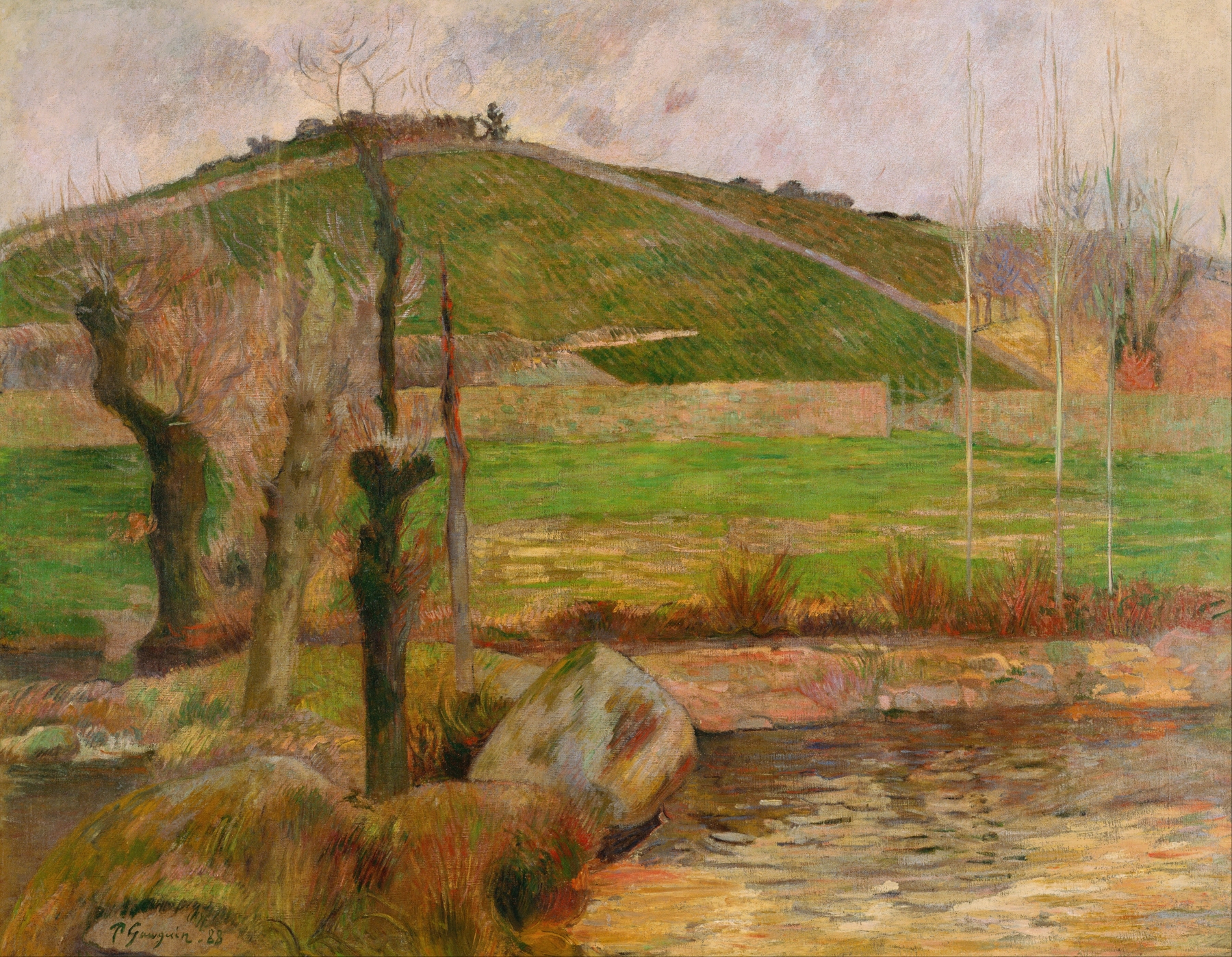
Landscape near Pont-Aven
Paul Gauguin

No te aha oe riri (Why Are You Angry?)
Paul Gauguin