Red and White Flowers in Bloom by a Flowing Stream — History & Facts
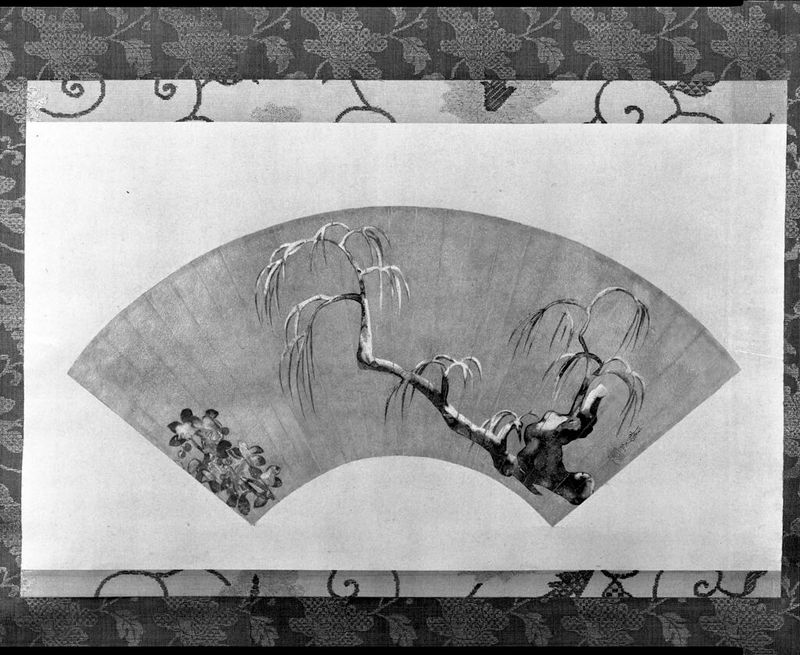
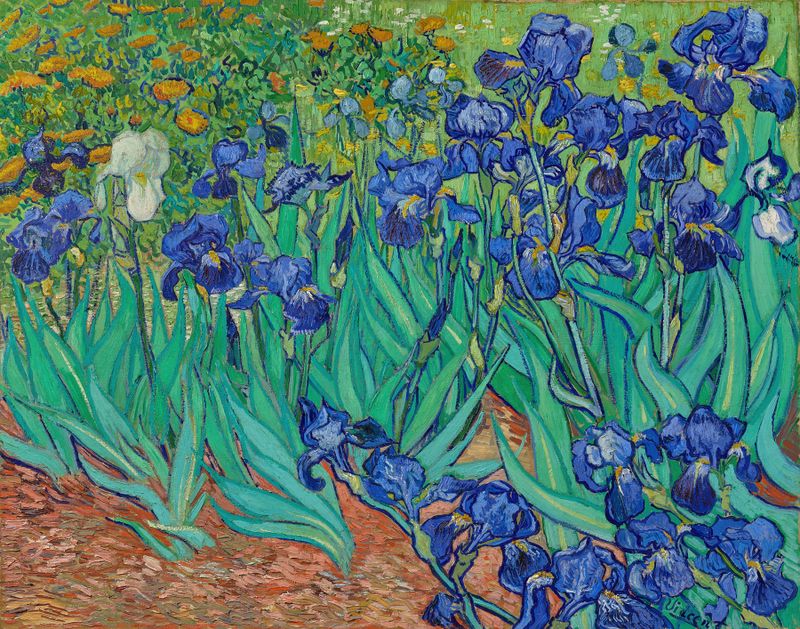
Can paint confess what words never could? In the delicate strokes of late Edo artistry, emotions awaken in a dance of color and form. Look to the center of the composition, where vibrant red and white flowers unfurl in a serene yet dynamic arrangement. The blossoms, intricately rendered, draw the eye with their bold hues, contrasting beautifully against the tranquil blues and greens of the flowing stream. Notice how the artist employs negative space to create a sense of breath, allowing the flowers to emerge as vivid, almost ethereal entities.
The careful layering of pigments evokes the transient beauty of nature, inviting the viewer to linger over each petal. As you explore further, subtle tensions reveal themselves: the stark vibrancy of the flowers against the gentle rippling of water suggests fleeting moments of joy caught within a cycle of change. The interplay of light and shadow lends depth to the scene, embodying the ephemeral nature of life itself. Each element speaks to the artist's contemplation of beauty and its inevitable passage, reflecting a profound sensitivity to the world around him. During the late 18th to early 19th century, the artist was immersed in the rich cultural fabric of Japan, marked by a transition towards modernity.
Kōrin, a key figure in the Rinpa school, painted Red and White Flowers in Bloom by a Flowing Stream in a period where traditional aesthetics flourished alongside new influences. His works often encapsulated the essence of nature, revealing an intimate dialogue between art and the world that was both personal and universal.