
Remains of a Bridge at San-Sien-Wey on the Pei-Ho near Tong-Tcheou, August 15, 1793 — History & Facts
In the stillness of this painting, one can almost hear the whispers of history, the soft rustle of reeds, and the gentle flow of the Pei-Ho River as it cradles the remnants of a bridge long abandoned. It invites contemplation of what existed before, what was lost, and how nature patiently reclaims its domain. Focus on the left side where the ruins of the bridge rise, skeletal yet dignified against the serene landscape. The muted palette of greens and browns evokes a sense of harmony and decay, while light filters through the scattered clouds, casting dappled reflections in the water below.
The composition draws your gaze along the crumbling stone and archways that fade into the lush surroundings, creating a dialogue between man-made structures and the organic beauty of the environment. Notice how the water’s surface, shimmering with hints of gold, contrasts with the somber tones of the bridge, symbolizing the inexorable passage of time. The juxtaposition of the solid ruins against the fluidity of the river emphasizes the transient nature of human enterprise, inviting viewers to reflect on the cycles of existence. Each brushstroke captures not only the physical remnants but also an emotional landscape, murmuring stories of what once was and what remains. In 1793, while painting this scene near Tong-Tcheou, the artist was deeply influenced by his travels in China and the Romantic movement burgeoning in Europe.
His observations of East Asian landscapes fed into a growing fascination with nature and civilization’s interplay, marking a significant moment of cross-cultural exchange in art. At this time, Alexander was part of a larger trend, as Western artists sought to capture the unique aesthetics and philosophies of Asian cultures, redefining the boundaries of artistic expression.
More Artworks by William Alexander
Browse all →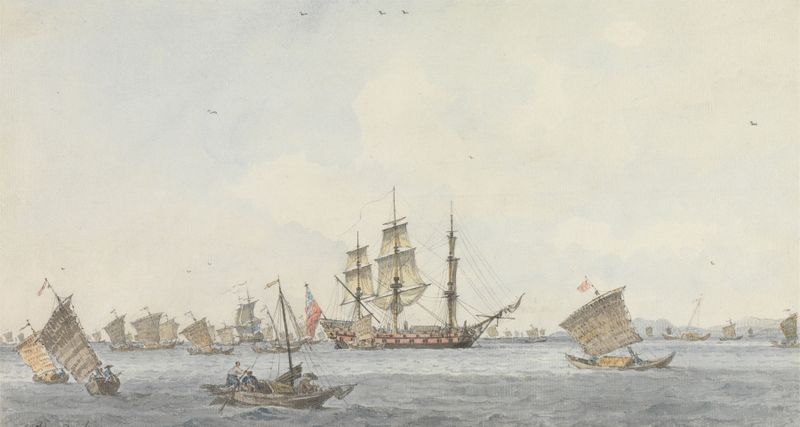
The Hindostan at Anchor in the Strait of Mi-a-tau of the City of Ten-choo-fou at the Entrance to the Gulf of Pekin
William Alexander
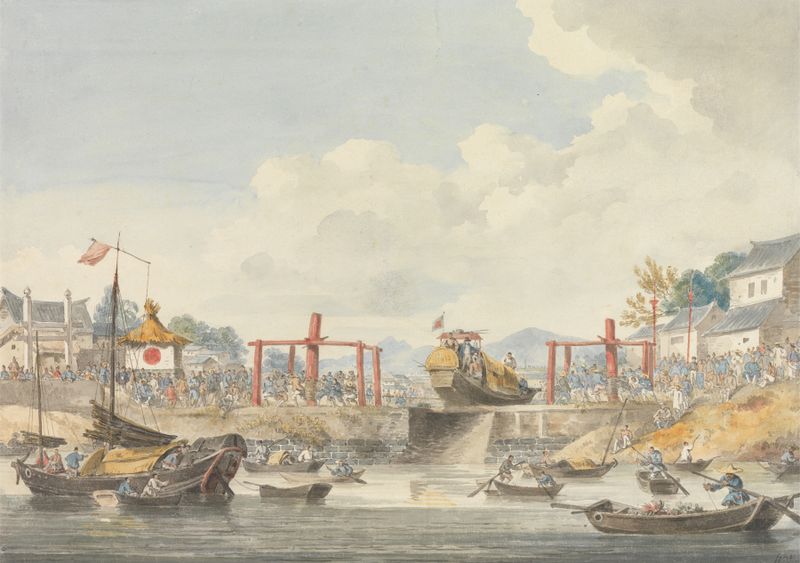
Barges of the Embassy Being Raised from One Canal to Another on Their Way from Han-Tcheou-Foo to Tchu-San, 16 November 1793
William Alexander

City of Lin Tsin, Shantung, with a View of the Grand Canal
William Alexander

A View of the Coast of China
William Alexander
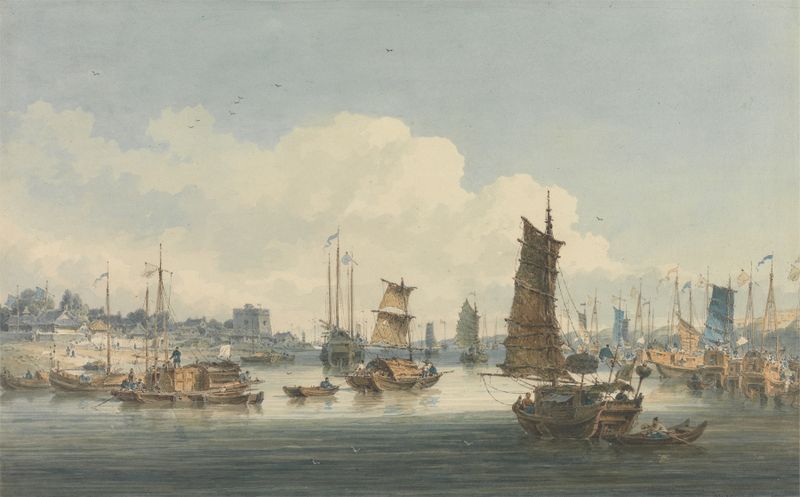
View Near the City of Tientsin
William Alexander
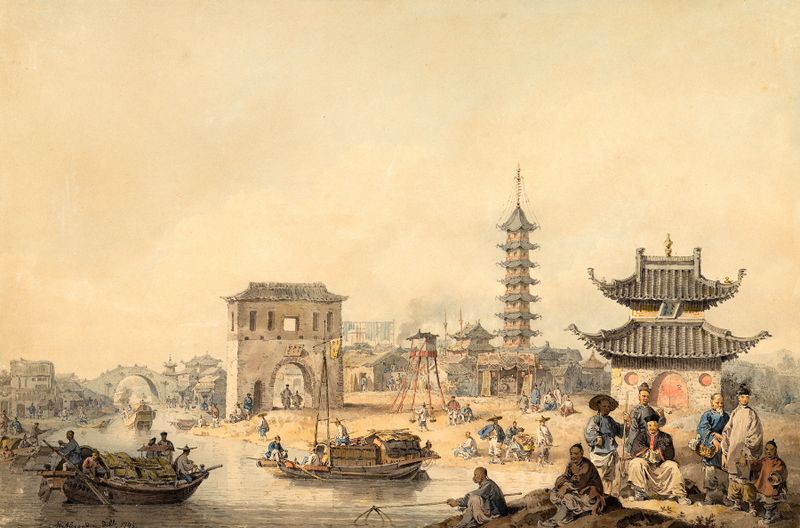
The Suburbs of a Chinese City
William Alexander

View Near the City of Tientsin
William Alexander
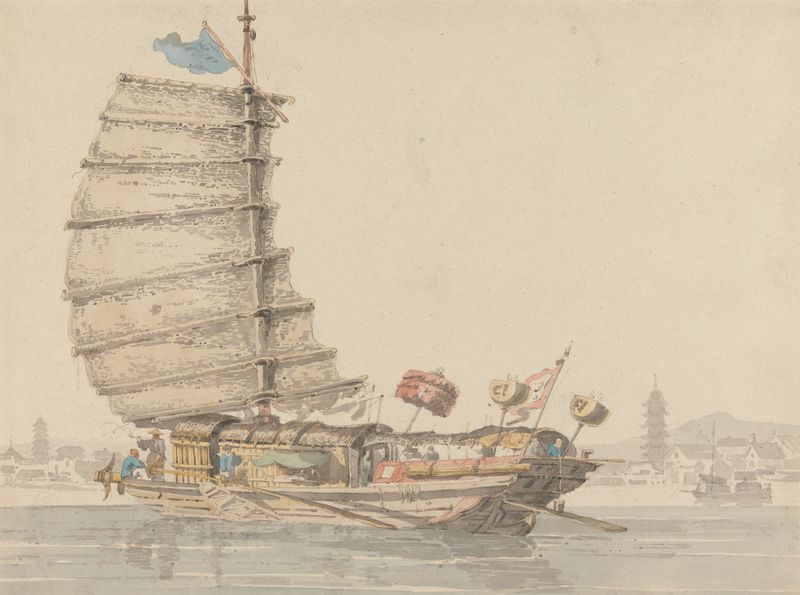
The Traveling Barge
William Alexander
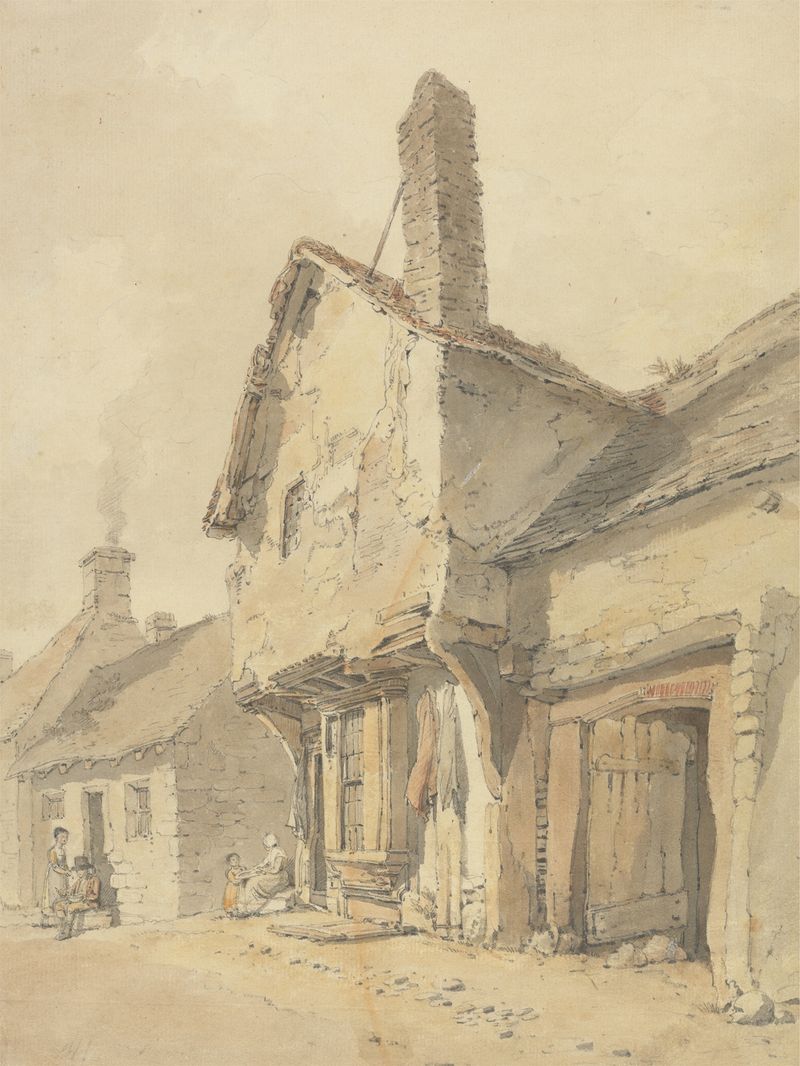
A Village Street, Figures by Old Cottages
William Alexander
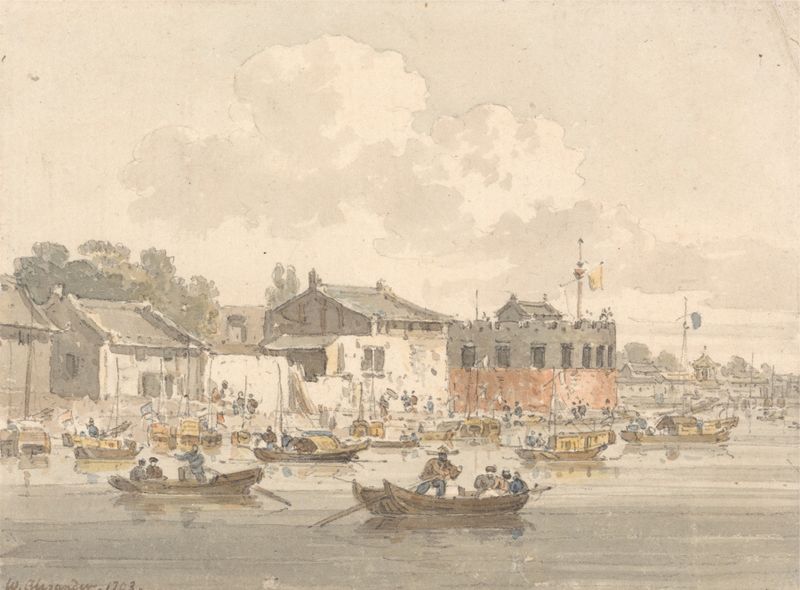
Fort Opposite the Factory, Canton
William Alexander





