
The Hindostan at Anchor in the Strait of Mi-a-tau of the City of Ten-choo-fou at the Entrance to the Gulf of Pekin — History & Facts
This sentiment resonates clearly when one contemplates the legacy of maritime exploration encapsulated in this remarkable artwork. What stories might unfold, what destinies might converge, under the watchful gaze of the mighty vessel anchored in foreign waters? Look to the center of the canvas; the imposing ship, The Hindostan, commands immediate attention with its billowing sails and intricate rigging. Surrounding it, the landscape unfolds in soft washes of color, where the interplay of gentle blues and greens evokes the serenity of a tranquil moment at sea.
The careful attention to detail in both the ship's anatomy and the surrounding elements reflects the artist's meticulous craftsmanship, inviting the viewer to explore the delicate balance between human ingenuity and the vastness of nature. Beyond its visual beauty, the painting speaks to the tensions inherent in the age of exploration. The ship, both a symbol of progress and a harbinger of colonization, rests at the threshold of a new world, a poignant reminder of the conflicting emotions surrounding discovery and conquest. Meanwhile, the distant city of Ten-choo-fou looms, hinting at the cultural exchanges and inevitable clashes that define this period, creating a narrative of anticipation and uncertainty. William Alexander painted this work in 1793 during a pivotal time in history, as European interest in Asia was rapidly expanding.
Living in London, he was part of the burgeoning field of topographical artists, capturing exotic landscapes and scenes. This particular piece reflects both his skill in depicting maritime life and the broader context of globalization that was beginning to unfold during this era, establishing a legacy that would resonate far beyond his own lifetime.
More Artworks by William Alexander
Browse all →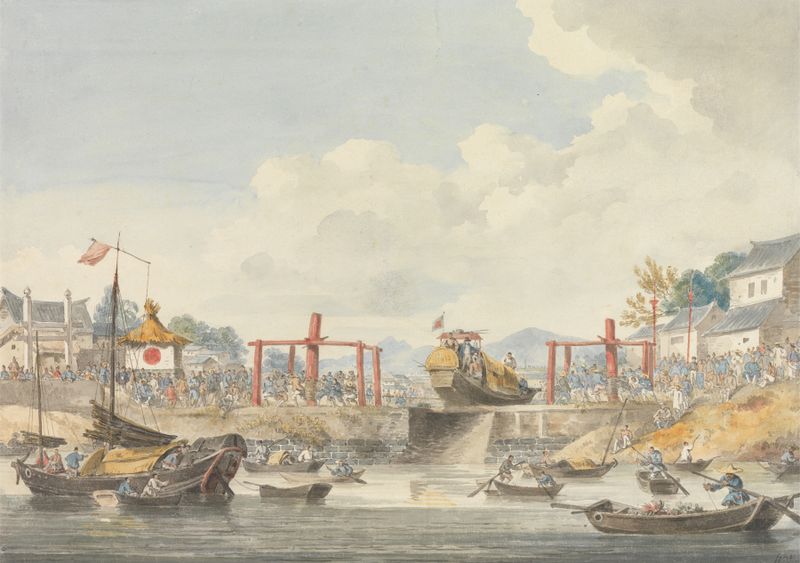
Barges of the Embassy Being Raised from One Canal to Another on Their Way from Han-Tcheou-Foo to Tchu-San, 16 November 1793
William Alexander
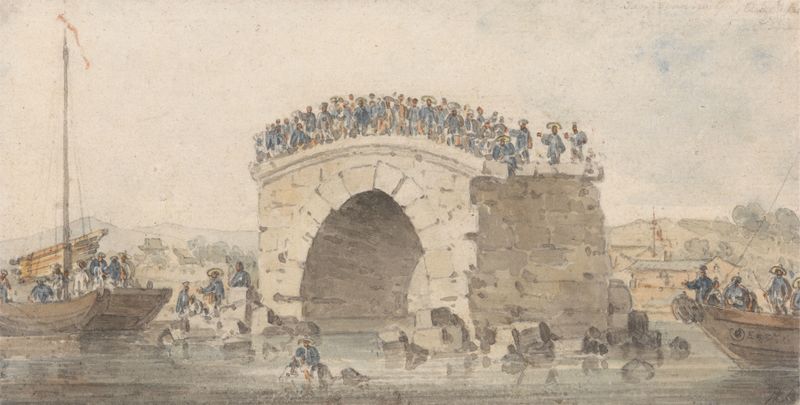
Remains of a Bridge at San-Sien-Wey on the Pei-Ho near Tong-Tcheou, August 15, 1793
William Alexander

City of Lin Tsin, Shantung, with a View of the Grand Canal
William Alexander

A View of the Coast of China
William Alexander
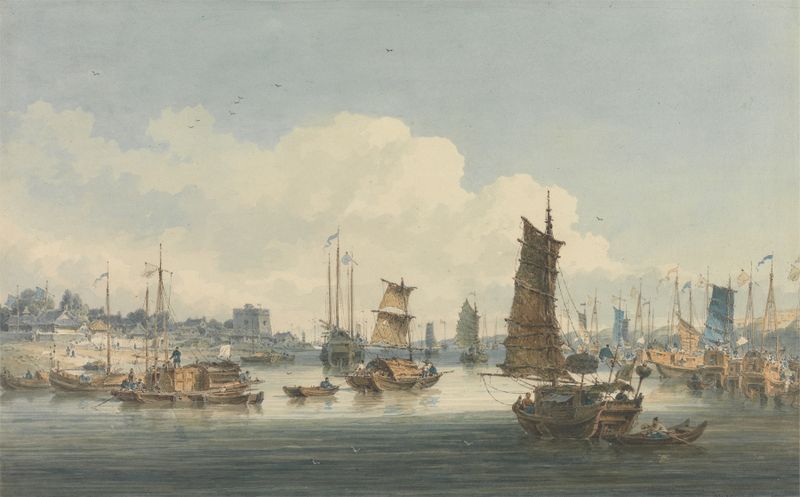
View Near the City of Tientsin
William Alexander
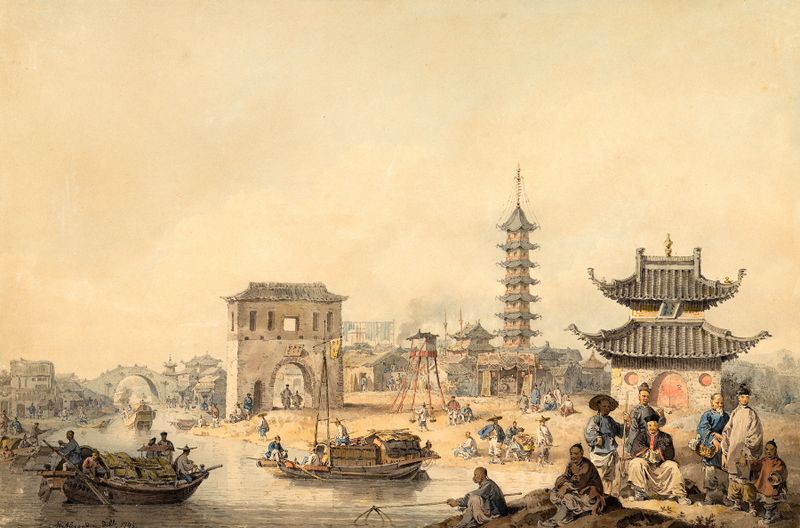
The Suburbs of a Chinese City
William Alexander

View Near the City of Tientsin
William Alexander
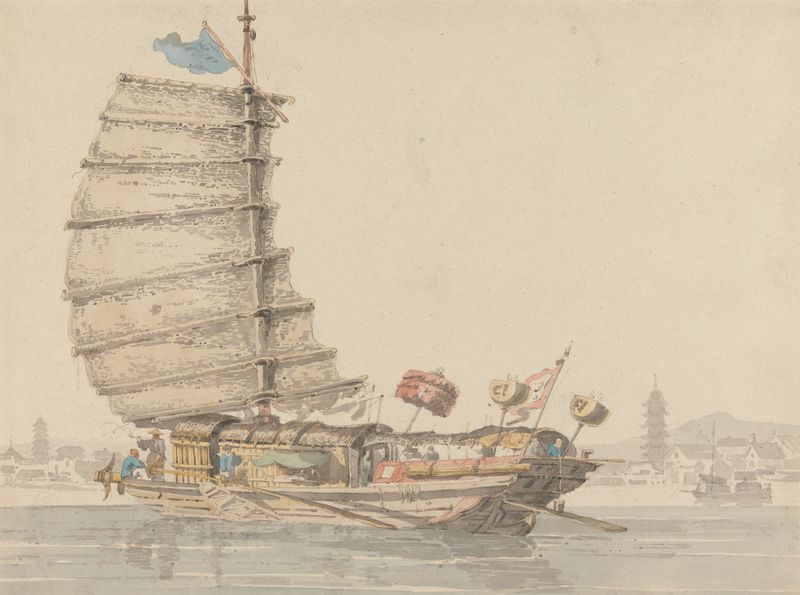
The Traveling Barge
William Alexander
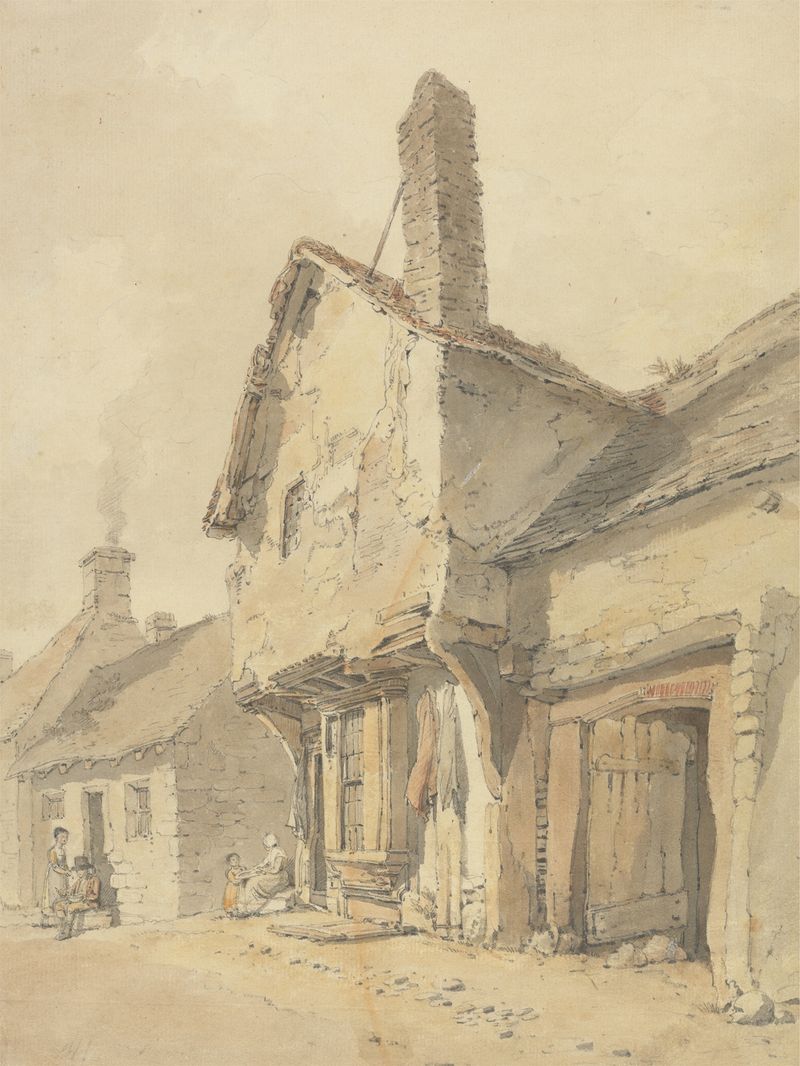
A Village Street, Figures by Old Cottages
William Alexander
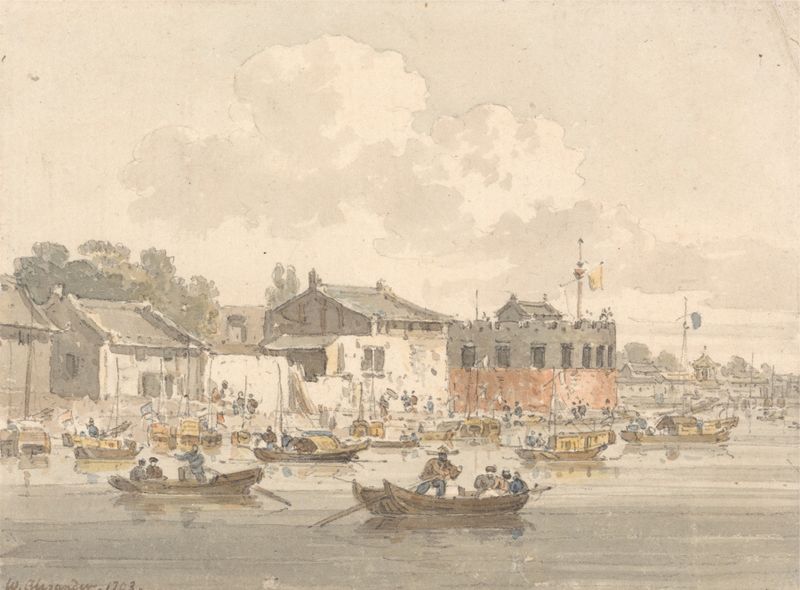
Fort Opposite the Factory, Canton
William Alexander





