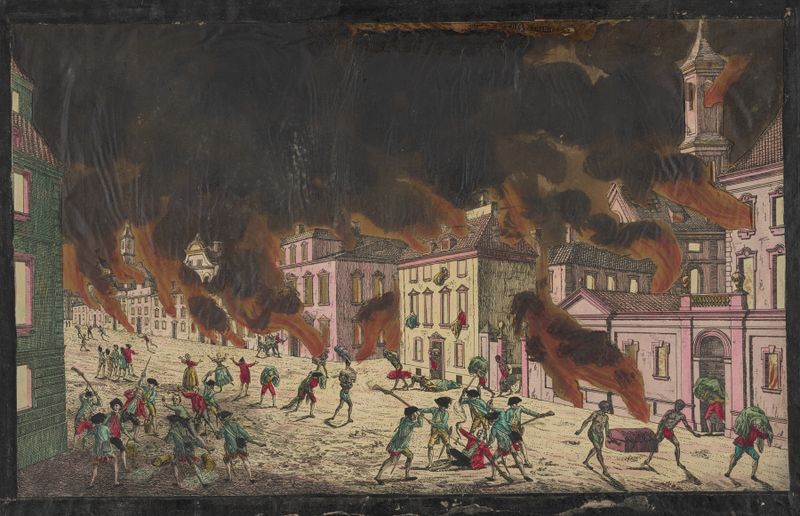
Representatin du fue terrible a Nouvelle Yorck — History & Facts
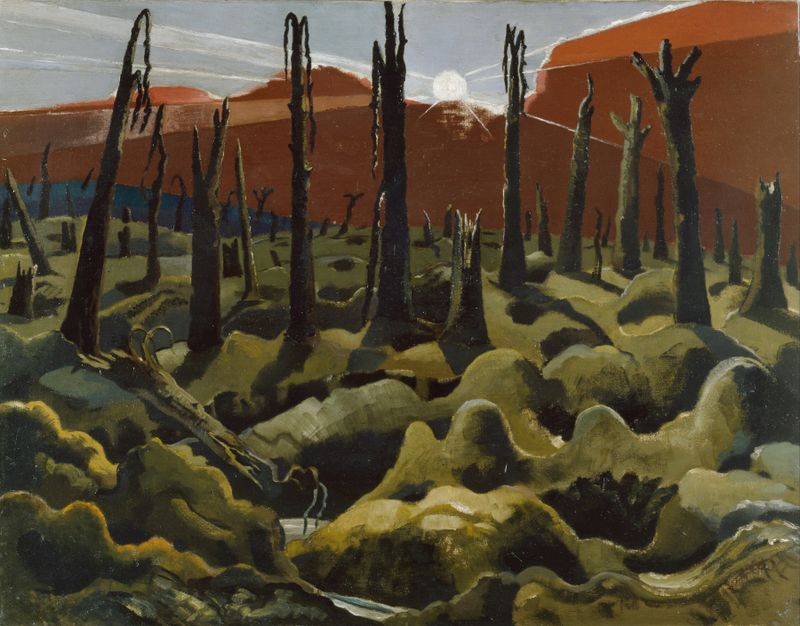
Could beauty survive in a century of chaos? In a world where shadows loom larger than ever, the interplay of light and dark becomes a poignant reminder of resilience and fragility. Focus first on the swirling forms that stretch across the canvas, where vibrant colors clash against deep, darker hues. Look closely at the tumultuous skies, where shades of orange and red evoke a sense of both destruction and awe, suggesting the energy of a city grappling with its own identity. Notice how the brushstrokes create movement, drawing your eye through the tumult, while the sharp details in the foreground anchor the chaos, highlighting the delicate balance between beauty and upheaval. The juxtaposition of vibrant life amid encroaching shadows invites contemplation on the nature of progress and the price of ambition.
Each brushstroke seems to pulse with an emotional undercurrent, as if the artist grapples with the duality of creation and destruction. The shadows stretch ominously, hinting at impending change, while the radiant colors remind us of fleeting moments of hope amidst turmoil. During his career, the artist painted Representation du fue terrible a Nouvelle Yorck at a time when the world was shifting rapidly. Living in the late 18th century, he witnessed the turbulence of modernity, marked by the birth of cities and the chaos of industrialization.
In this context, his work encapsulates both the beauty and the fragility of human achievement, reflecting the complex dialogue between civilization and nature.
More Artworks by Franz Xaver Habermann
Browse all →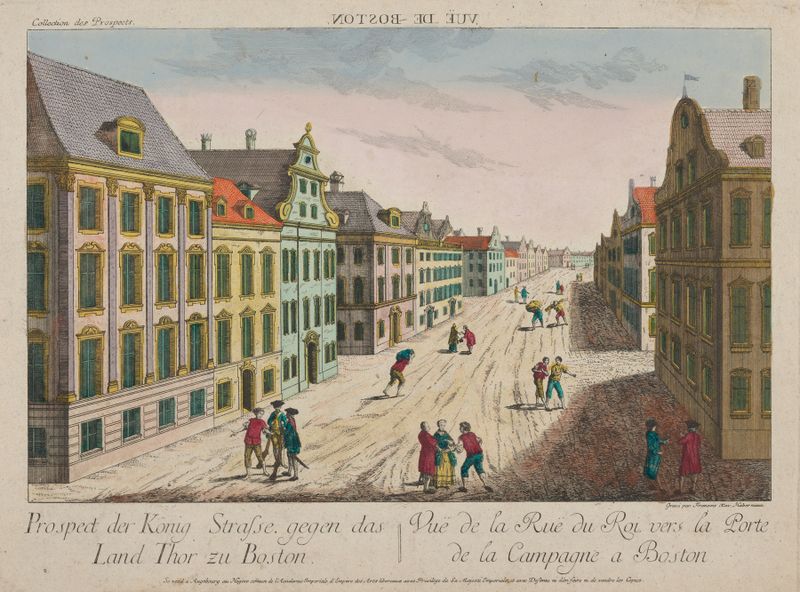
Vue de la Rue du Roi, vers la porte de la Campagne a Boston
Franz Xaver Habermann
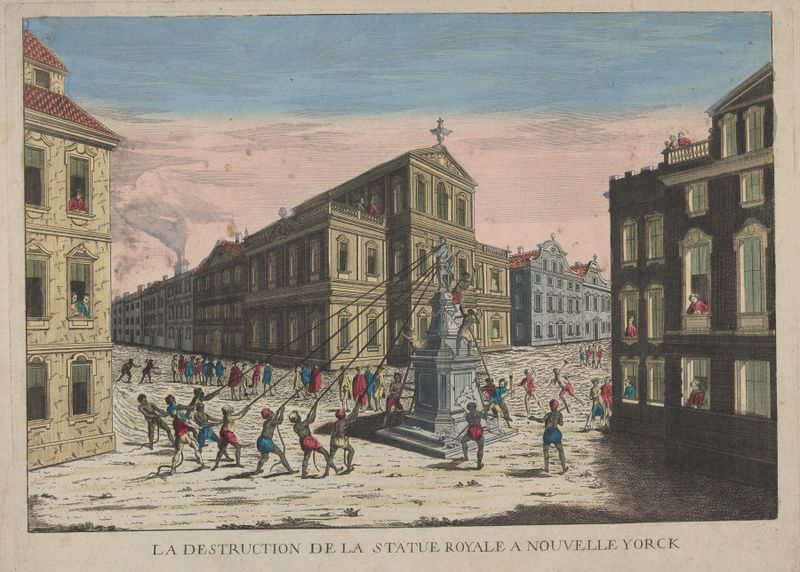
La destruction de la statue royale a Nouvelle Yorck
Franz Xaver Habermann
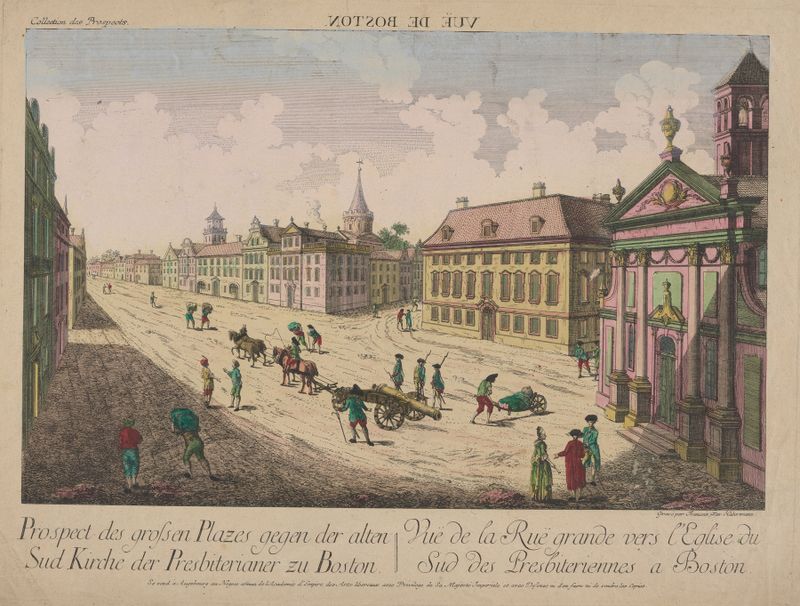
Vue de la Rue grande vers l’Englise du Sud des Presbiteriennes a Boston.
Franz Xaver Habermann
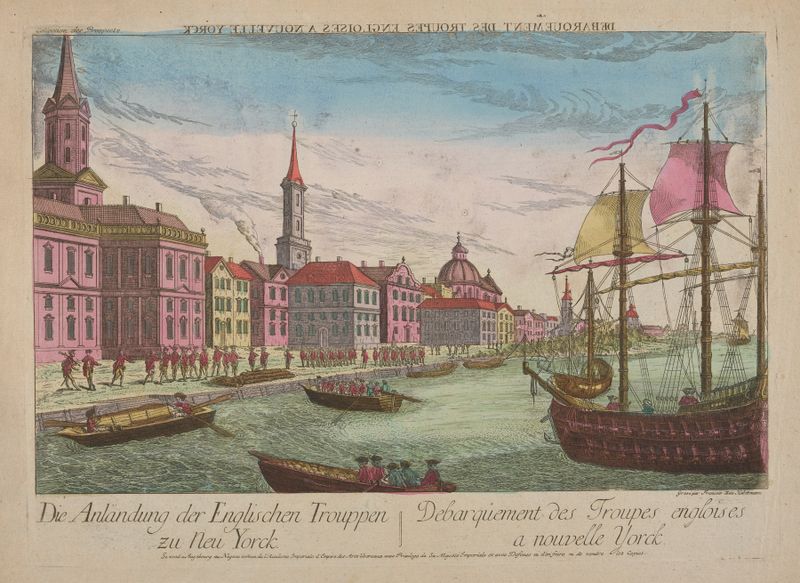
Debarquement des troupes Engloise a Nouvelle Yorck
Franz Xaver Habermann
Vue de la Distruction de New York.
Franz Xaver Habermann
La grande rue a Boston
Franz Xaver Habermann