
Debarquement des troupes Engloise a Nouvelle Yorck — History & Facts
What if silence could speak through light? In Debarquement des troupes Engloise a Nouvelle Yorck, a vibrant exchange of colors resonates with the unspoken emotions of a historical moment, capturing the tension between anticipation and uncertainty. Focus on the rich blues and greens that blanket the bustling scene, drawing your eye to the figures in the foreground. The interplay of light illuminates the soldiers and the ships, creating an almost theatrical atmosphere. Notice how the glow of the sun breaks through the clouds, casting dramatic shadows that emphasize the soldiers' expressions, their postures steeped in both resolve and trepidation.
The layering of colors not only depicts the landscape but also evokes the palpable energy of a new beginning. Yet, beneath the surface, this work conveys deeper meanings. The emerging daylight amidst the stormy skies suggests hope and renewal, but the soldiers’ rigid stances reveal apprehension about the unknown. This duality invites viewers to contemplate the weight of history, the clash of cultures, and the sacrifices made during such tumultuous times.
Each brushstroke echoes the lives upended by the arrival of new forces, creating a tapestry woven with both promise and peril. Created during the late 18th century, when tensions ran high in the colonies, the artist meticulously painted this piece in the wake of the American Revolution. Habermann, who was deeply engaged in portraying dramatic historical events, found himself at a pivotal moment in art history, where the infusion of emotion and realism began to shift the landscape of depiction, reflecting a world eager for change.
More Artworks by Franz Xaver Habermann
Browse all →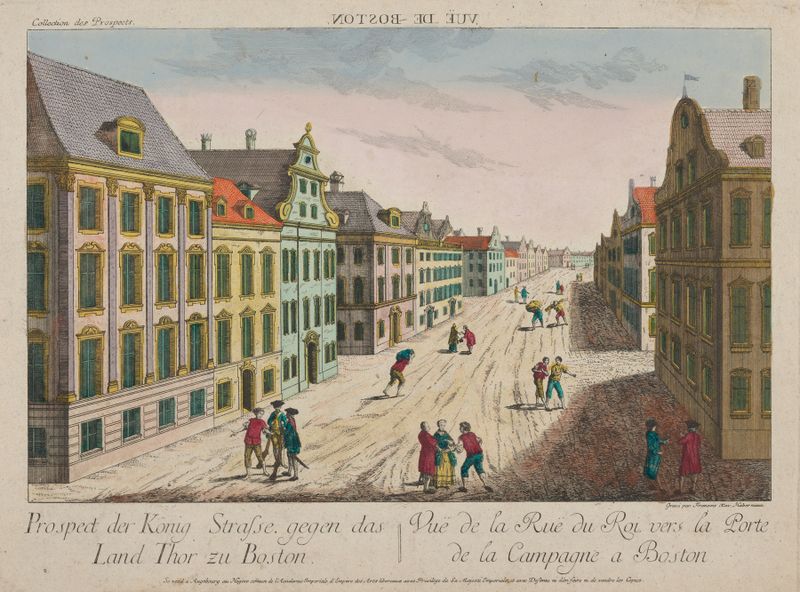
Vue de la Rue du Roi, vers la porte de la Campagne a Boston
Franz Xaver Habermann
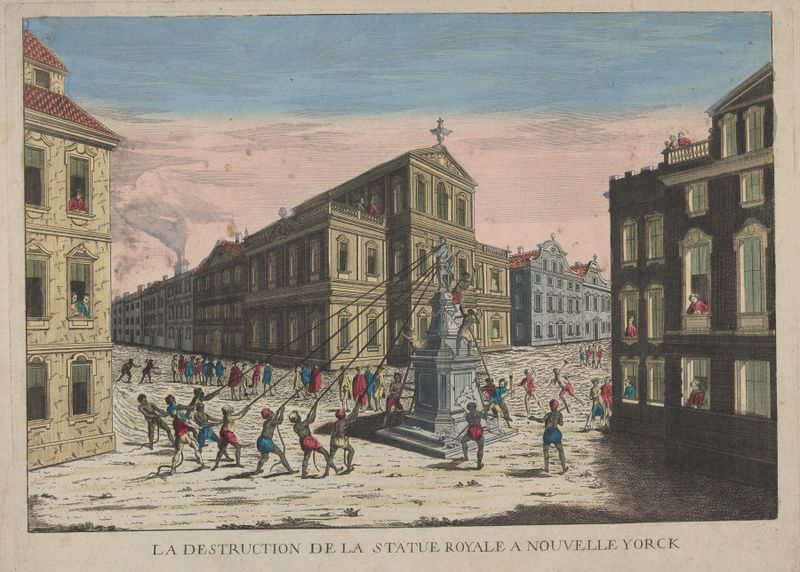
La destruction de la statue royale a Nouvelle Yorck
Franz Xaver Habermann
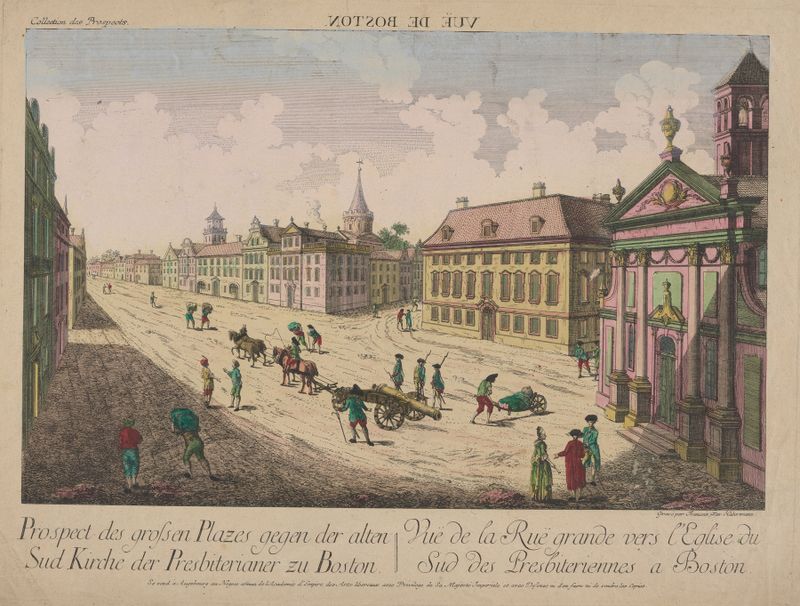
Vue de la Rue grande vers l’Englise du Sud des Presbiteriennes a Boston.
Franz Xaver Habermann
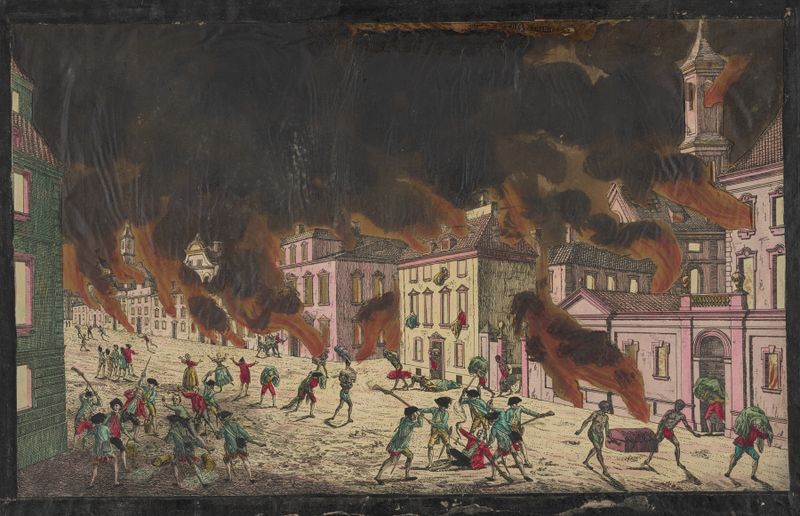
Vue de la Distruction de New York.
Franz Xaver Habermann
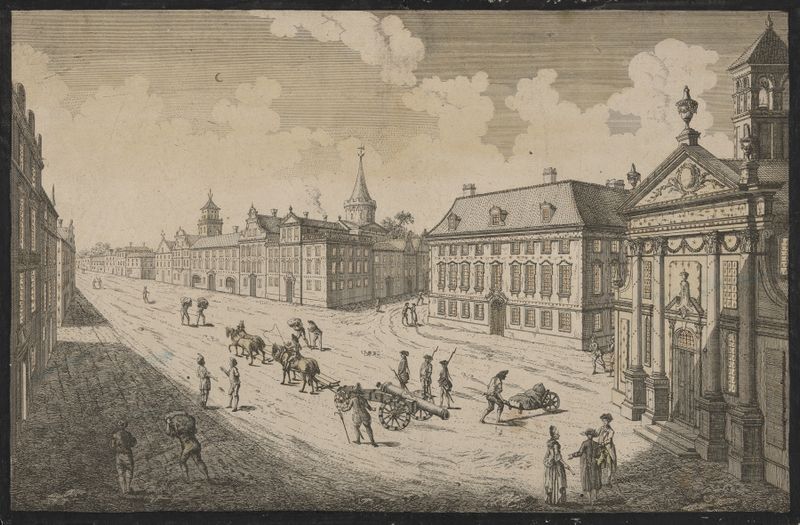
La grande rue a Boston
Franz Xaver Habermann
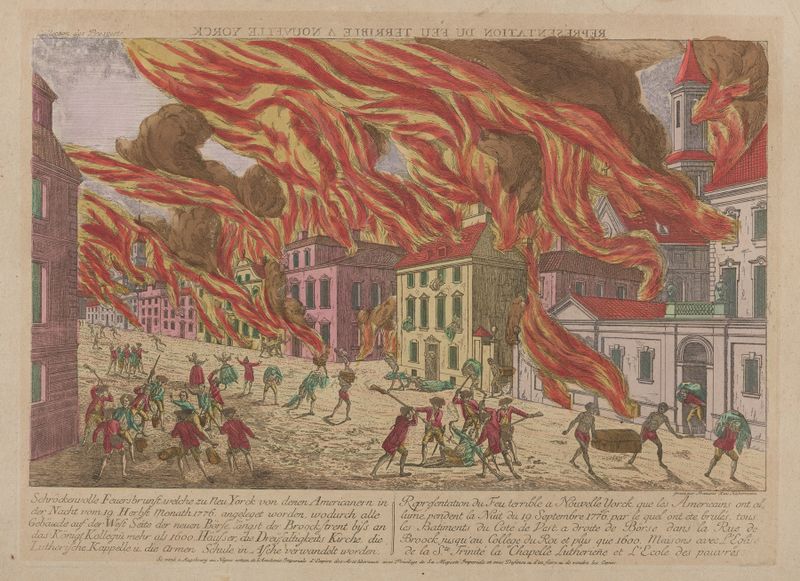
Representatin du fue terrible a Nouvelle Yorck
Franz Xaver Habermann
More Historical Art
Browse all →
The Night Watch Militia Company of District II under the Command of Captain Frans Banninck Cocq
Rembrandt van Rijn

Lincoln Memorial
Henry Bacon

The Third of May 1808
Francisco de Goya

Isaac and Rebecca, Known as ‘The Jewish Bride’
Rembrandt van Rijn

The Charge of the Mamelukes (1814)
Francisco de Goya

De vier ruiters van de apocalyps
Albrecht Dürer