
Restes du cimetière Sainte Marguerite, rue Saint Bernard — History & Facts
What if beauty was never meant to be finished? In a world soaked in stark contrasts, the remnants of a cemetery whisper tales of both loss and reverence, revealing the raw heart of existence itself. Begin your exploration by focusing on the foreground where the weathered tombstones emerge like weary sentinels from a muted earth. Notice how the play of light dances across their surfaces, casting delicate shadows that hint at forgotten stories. The palette is subdued, with grays and earthy browns, evoking a sense of melancholy while inviting contemplation.
The composition draws your gaze inward, leading you through the crumbling pathways as they meander between the stones, creating a poignant sense of place and memory. At first glance, the beauty appears serene, yet underlying it lies an unrelenting tension. The juxtaposition of nature reclaiming its hold over the graveyard serves as a silent testament to time’s relentless march—a violent truth cloaked in tranquility. Fragments of flora burst through cracks, challenging the permanence of death, while the decaying stones evoke a historical violence, reminding us that each resting place harbors untold grief and lost narratives. Georges-Henri Manesse painted this piece in 1908, during a time of profound change in France, both politically and artistically.
The fin-de-siècle marked a period of introspection and questioning, as artists like Manesse sought to reconcile beauty with the harsh truths of modern life. Amidst the burgeoning movements of Impressionism and Symbolism, he crafted this work, capturing the essence of mortality while reflecting on the beauty inherent in decay.
More Artworks by Georges-Henri Manesse
Browse all →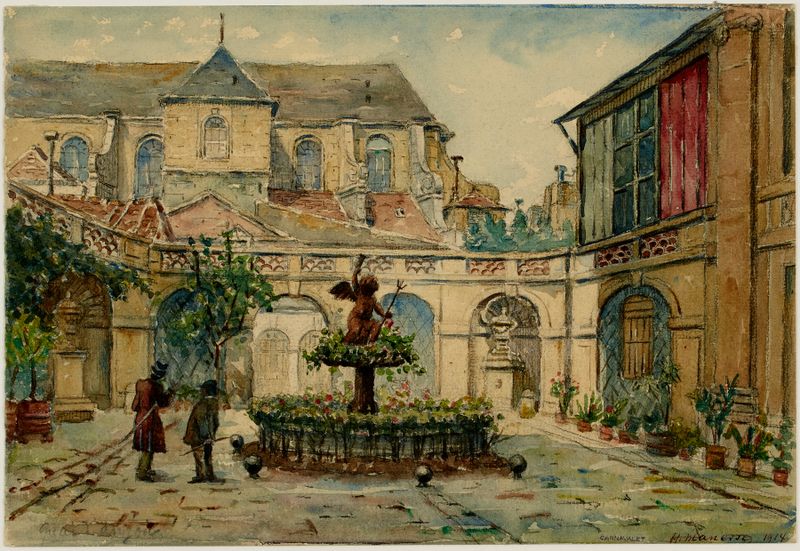
Cour intérieure de l’Hôtel Hesselin, 24 quai de Béthune
Georges-Henri Manesse
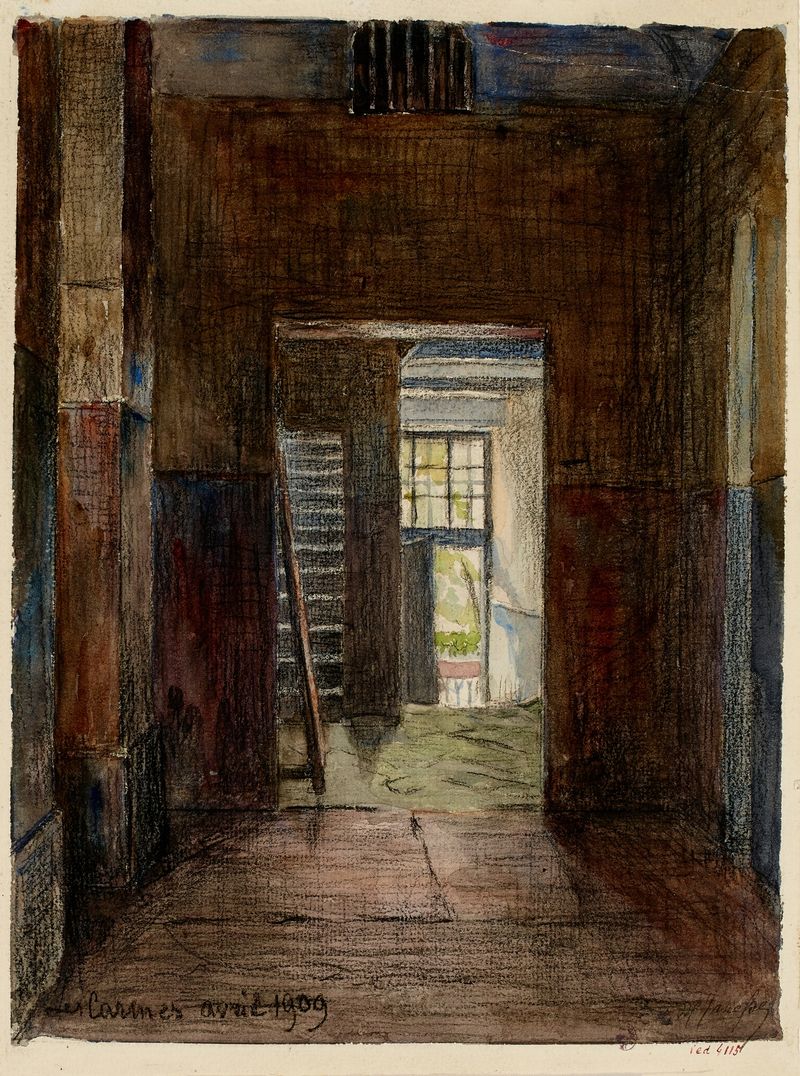
Intérieur du couvent des Carmes, rue de Vaugirard
Georges-Henri Manesse
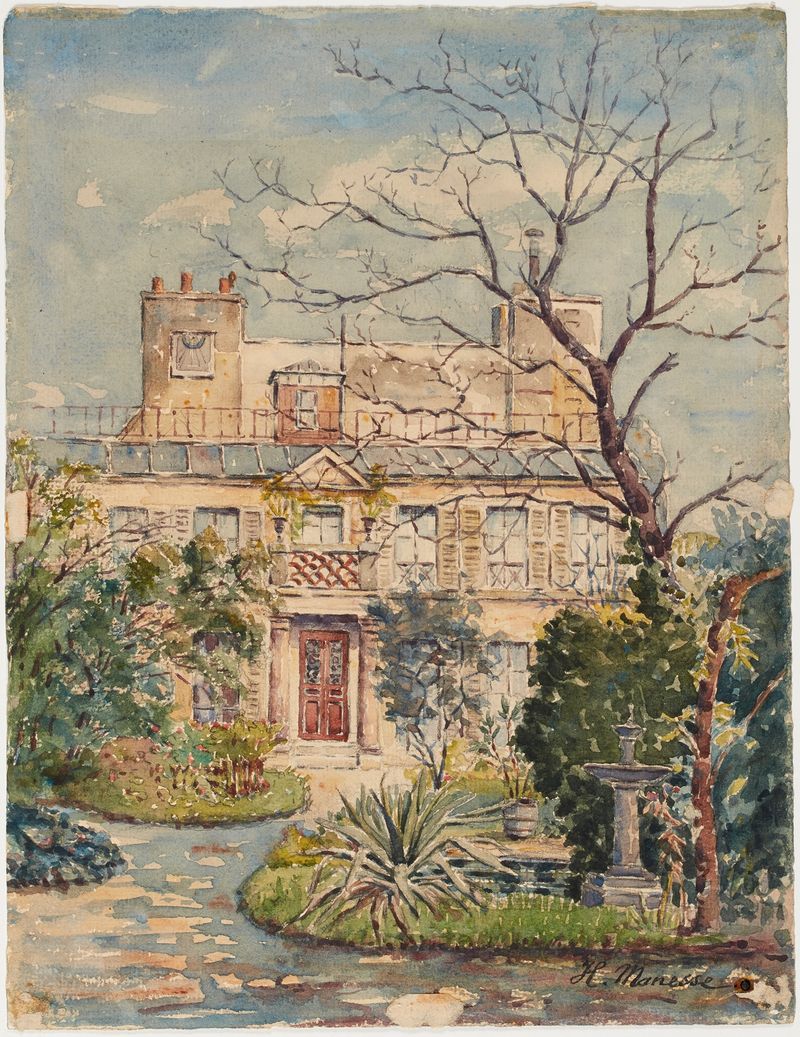
Maison de Victor Hugo, rue du Cherche-Midi
Georges-Henri Manesse
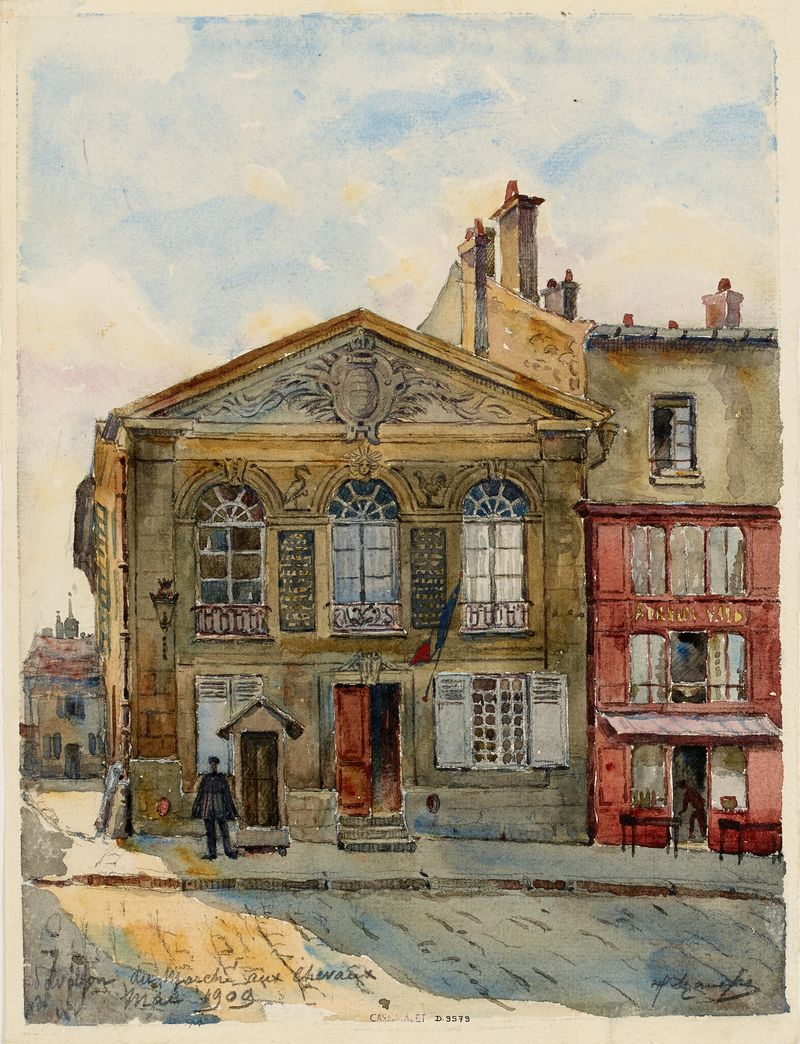
Le pavillon de police du Marché aux chevaux, rue Geoffroy Saint Hilaire
Georges-Henri Manesse

Passerelle des Arts
Georges-Henri Manesse

Vieille maison du XVè siècle, 6 rue Boutebrie
Georges-Henri Manesse
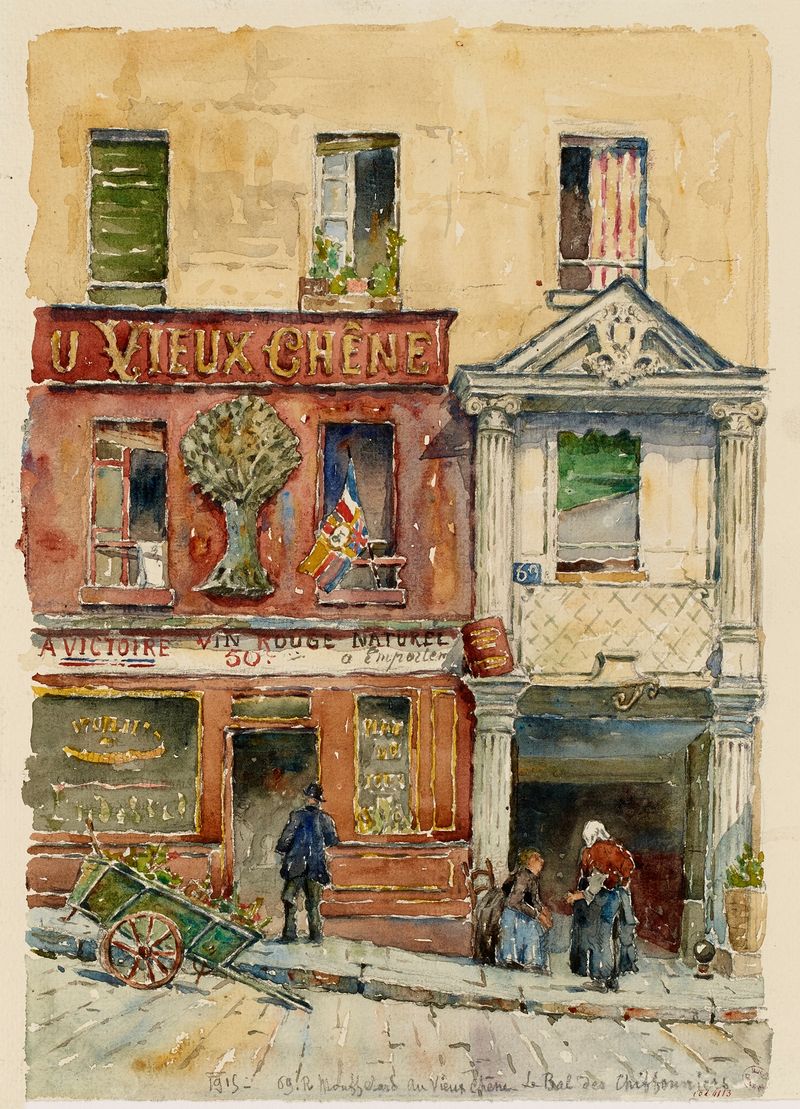
69, rue Mouffetard Boutique de vins à l’enseigne du Vieux chêne
Georges-Henri Manesse
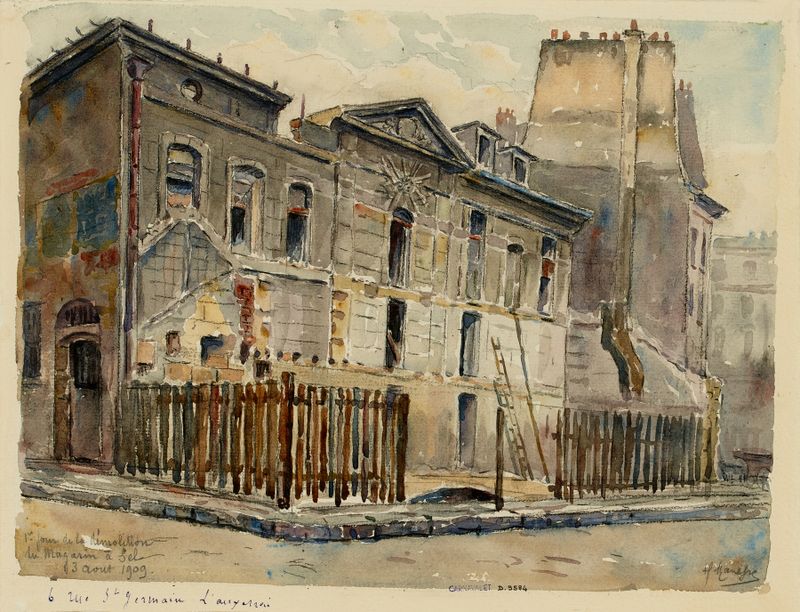
Premier jour de la démolition du magasin à sel, 6 rue Saint Germain de l’Auxerrois
Georges-Henri Manesse
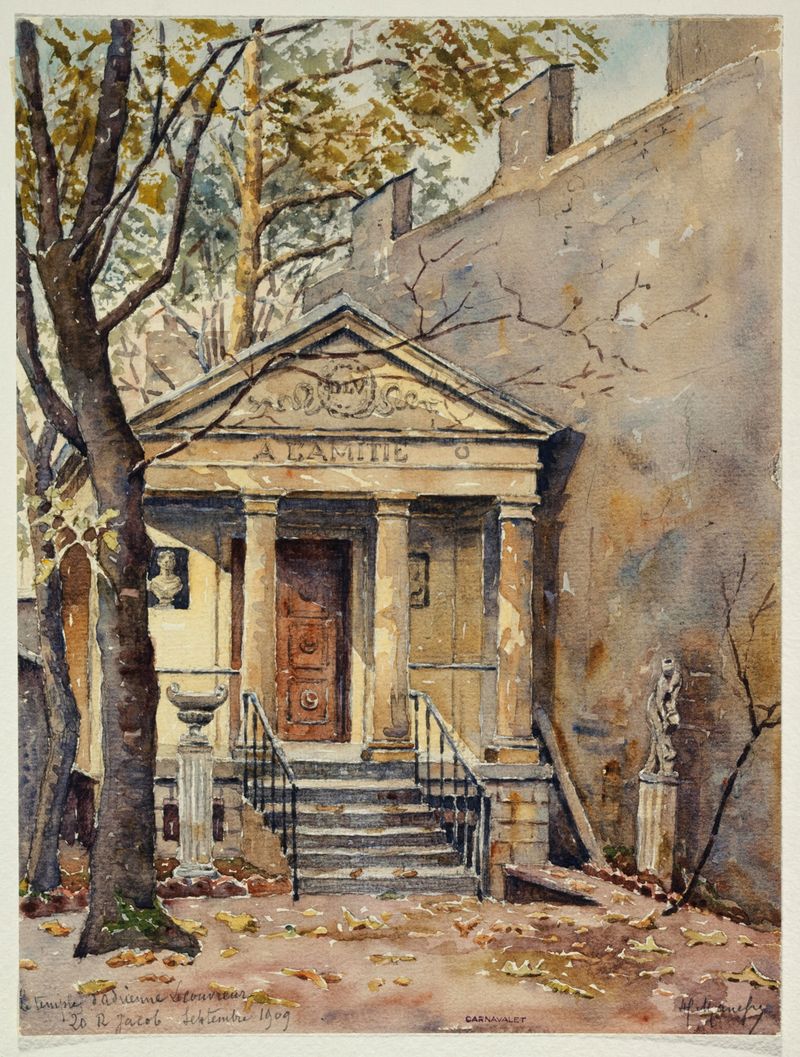
Temple de l’Amitié, 20 rue Jacob où habita Adrienne Lecouvreur
Georges-Henri Manesse

Maison de campagne de Jean-Jacques Rousseau, 20 quai de Passy
Georges-Henri Manesse





