
Resting In The Countryside Near venice — History & Facts
Where does light end, and longing begin? In Resting In The Countryside Near Venice, an ethereal dance unfolds between the vibrant hues of nature and the gentle embrace of the horizon. Look to the left, where the sun-drenched fields stretch out, blending golden yellows and soft greens that pulsate with life. The figures barely discernible in the distance—perhaps travelers or farmers—are enshrined in warm light, their subtle movements captured in the stillness of the scene. Notice how the azure sky overhead spills its color downwards, creating a seamless integration of land and sky, where every brushstroke suggests a breeze whispering through the tall grasses. The emotional tension lies in the juxtaposition of solitude and companionship.
The figures appear at once present and distant, embodying a fleeting moment of pause amidst the vastness of the landscape. The way light bathes them hints at a longing for connection with the beauty around them, while the depth of the colors evokes a sense of time suspended—an invitation to reflect on the transient nature of existence. Created during a period of great artistic exploration, this work emerged from Ziem's experiences in the mid-19th century, when he settled in Venice. The city, with its rich artistic heritage and serene landscapes, informed his distinctive style, allowing him to bridge the gap between Romanticism and Impressionism.
It was a time when artists sought to capture the ephemeral qualities of light and atmosphere, and Ziem’s brushwork speaks to this evolving vision in art history.
More Artworks by Félix Ziem
Browse all →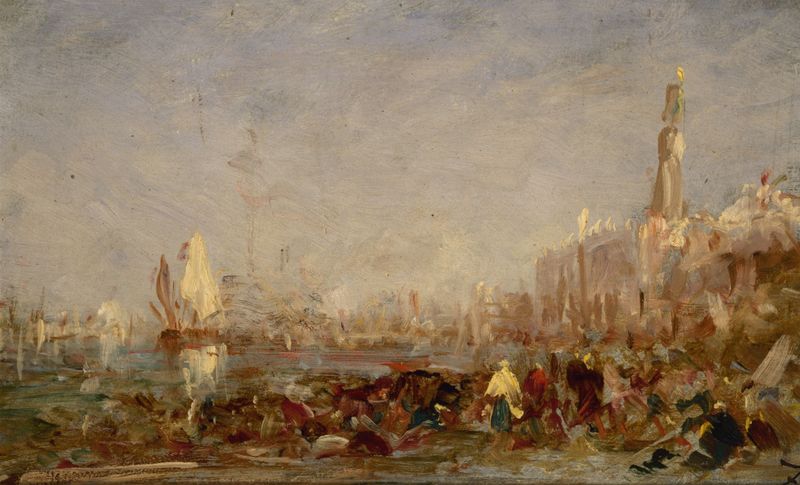
Venise
Félix Ziem
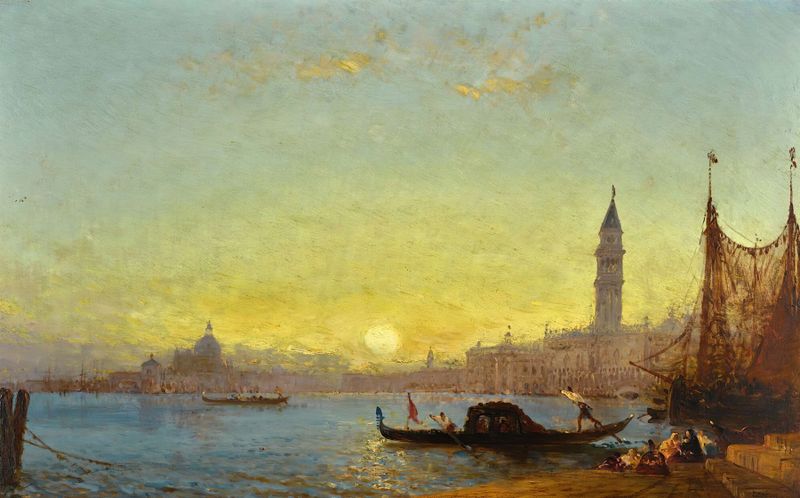
Coucher De Soleil À Venise
Félix Ziem
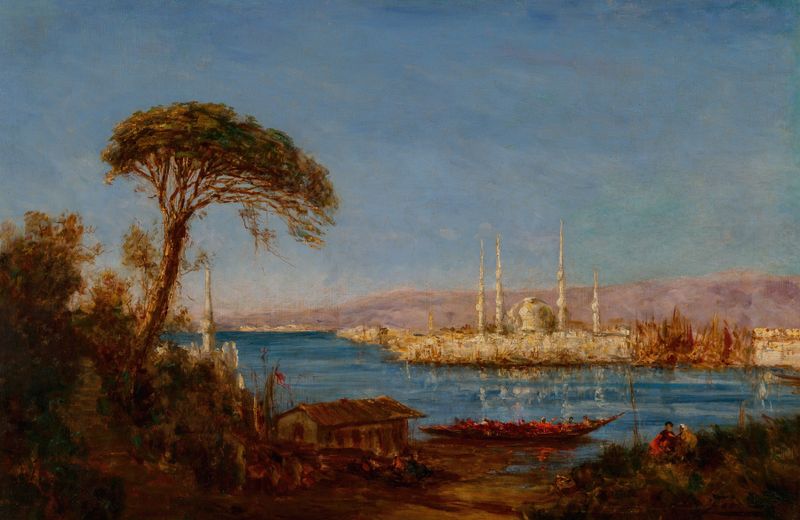
Constantinople
Félix Ziem
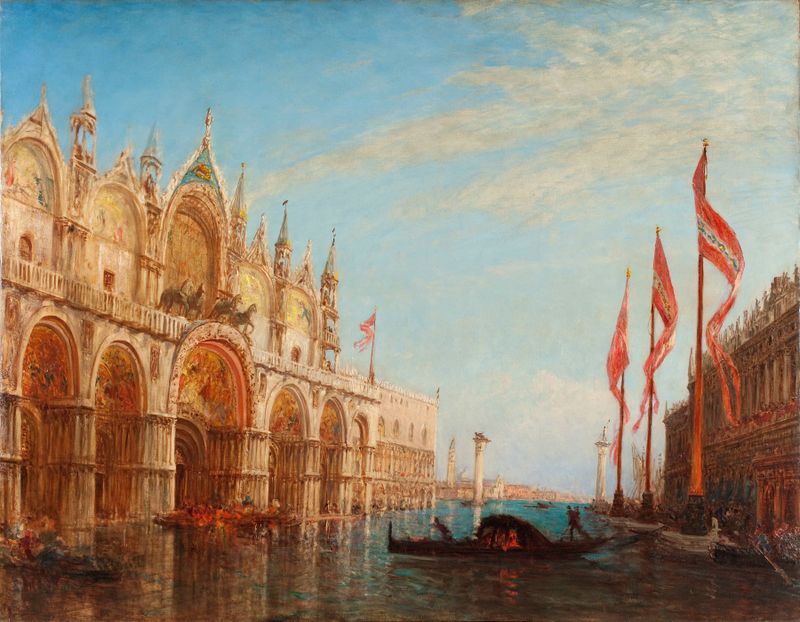
La place Saint-Marc, inondation de 1863
Félix Ziem
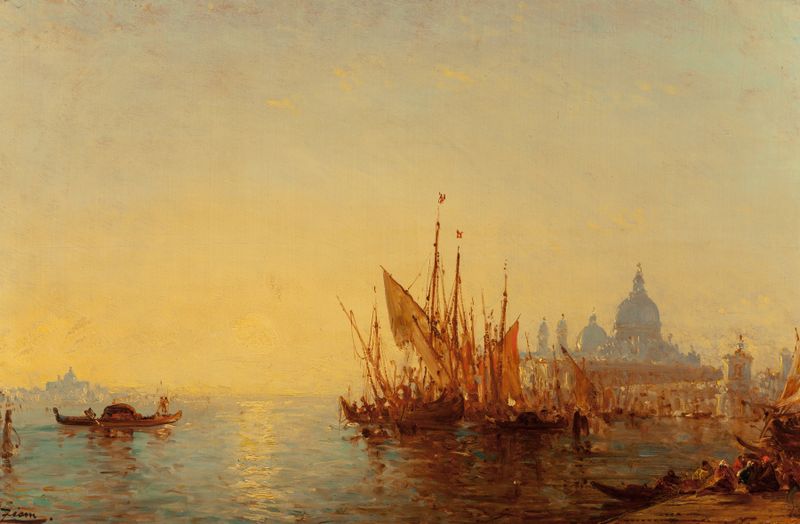
Bacino di San Marco
Félix Ziem
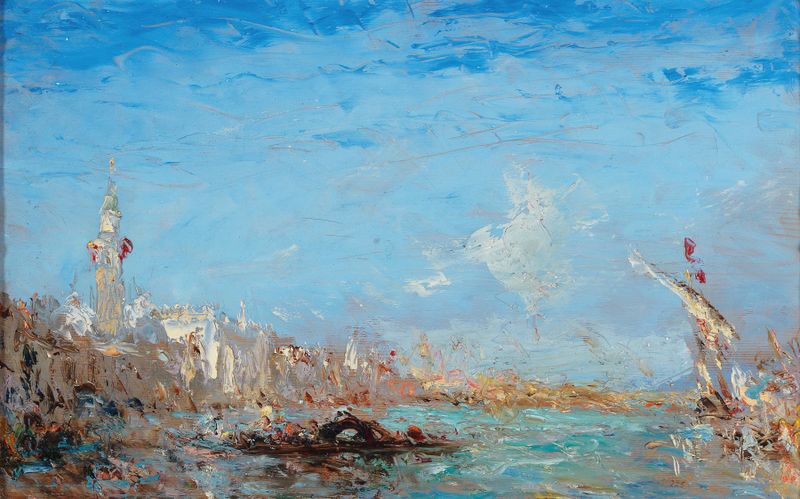
Canal Grande
Félix Ziem
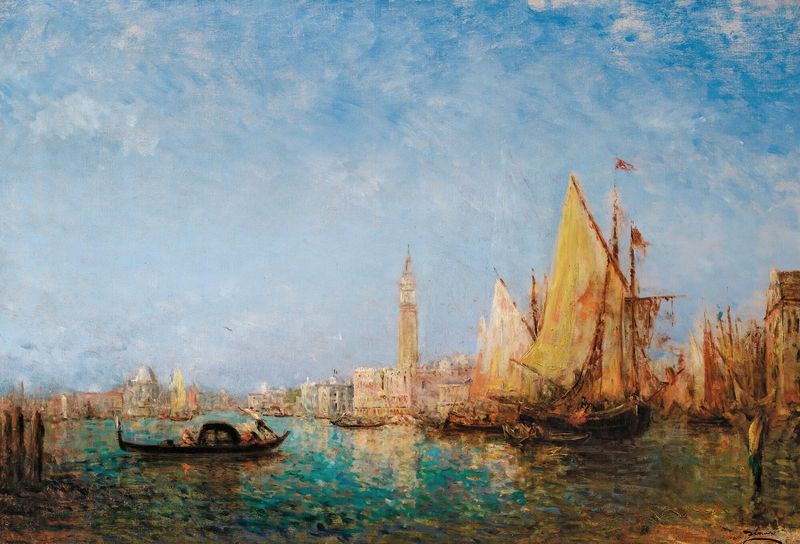
Le Palais Du Doge, Venise
Félix Ziem
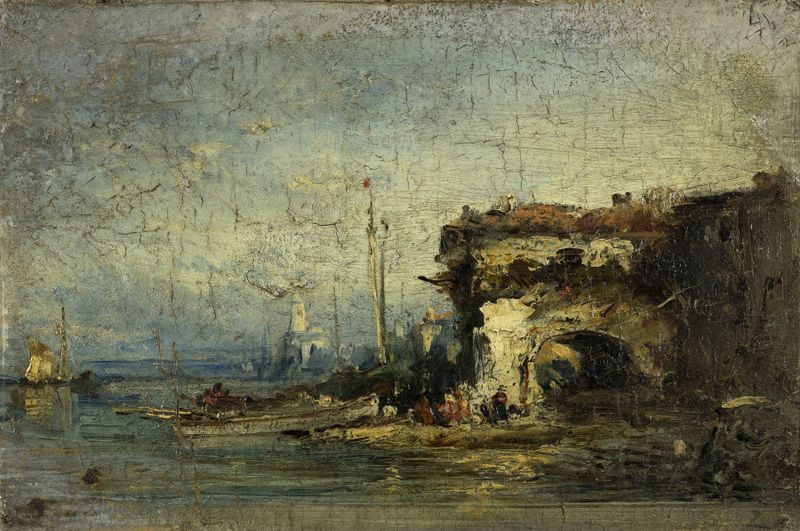
Vue d’Italie; la vieille porte
Félix Ziem
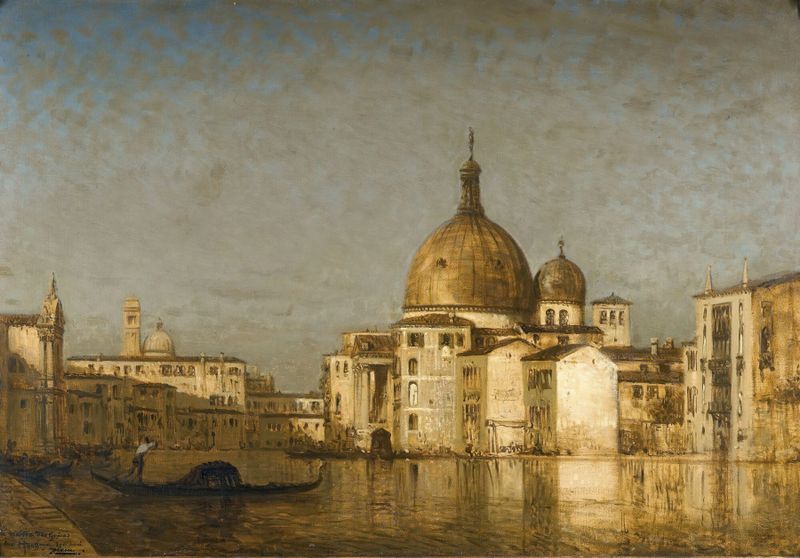
San Simeone Piccolo Au-Delà Du Grand Canal, Venis
Félix Ziem
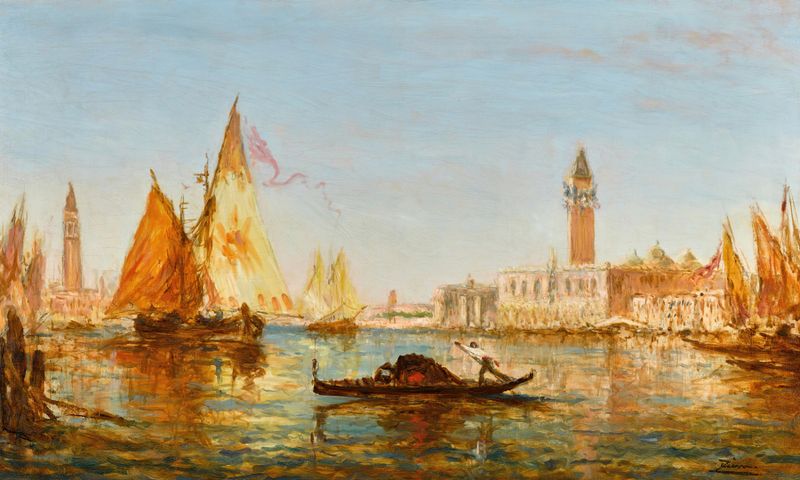
Venise, gondole et voiliers devant le Palais des doges et San Giorgio Maggiore
Félix Ziem





