
Retrato de Macedo — History & Facts
In Retrato de Macedo, Eliseu Visconti presents a striking portrait characterized by rich colors and intricate details. The subject, Macedo, is depicted with a thoughtful expression, surrounded by a soft, muted background that enhances his presence. The use of deep blues and warm earth tones creates a harmonious balance, drawing the viewer's eye to the figure.
This combination of colors adds depth and emotion to the work, inviting contemplation. The painting is executed in oil on canvas, a medium that allows for vibrant color application and fine detail. Visconti's technique showcases a blend of realism and symbolism, evident in the way he captures the light on Macedo's face and the texture of his clothing. The dimensions of the painting are approximately 70 x 90 cm, making it a substantial piece that commands attention.
The careful brushwork and layering contribute to the overall richness of the artwork. Eliseu Visconti was a prominent Brazilian artist known for his contributions to Symbolism and the modernist movement in Brazil. Retrato de Macedo is significant as it reflects the artist's ability to merge traditional portraiture with symbolic elements, creating a narrative beyond mere likeness. An interesting fact about this work is that it was created during a period when Brazilian art was beginning to embrace new ideas and styles, marking a shift in the cultural landscape of the country.
More Artworks by Eliseu Visconti

Retrato de José da Silva Brandão
Eliseu Visconti

Dorso de mulher
Eliseu Visconti
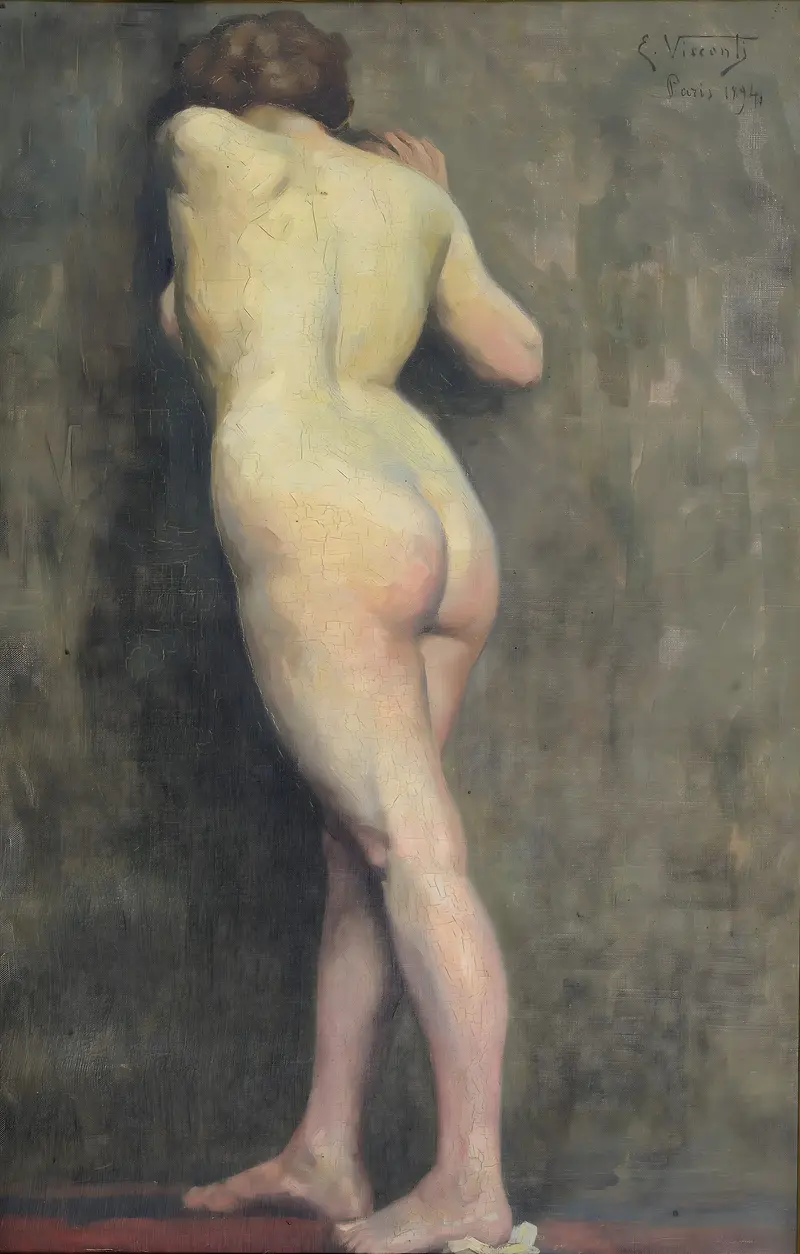
Nu feminino de costas
Eliseu Visconti
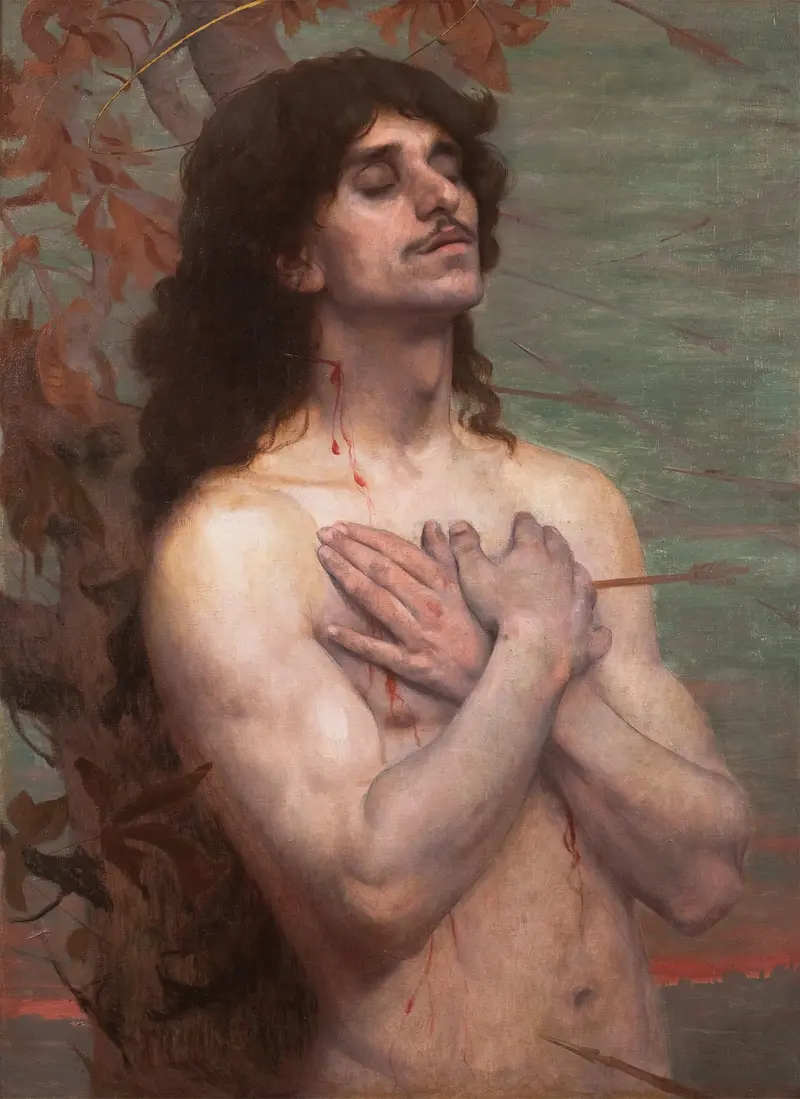
São Sebastião – Estudo para “Recompensa de São Sebastião”
Eliseu Visconti
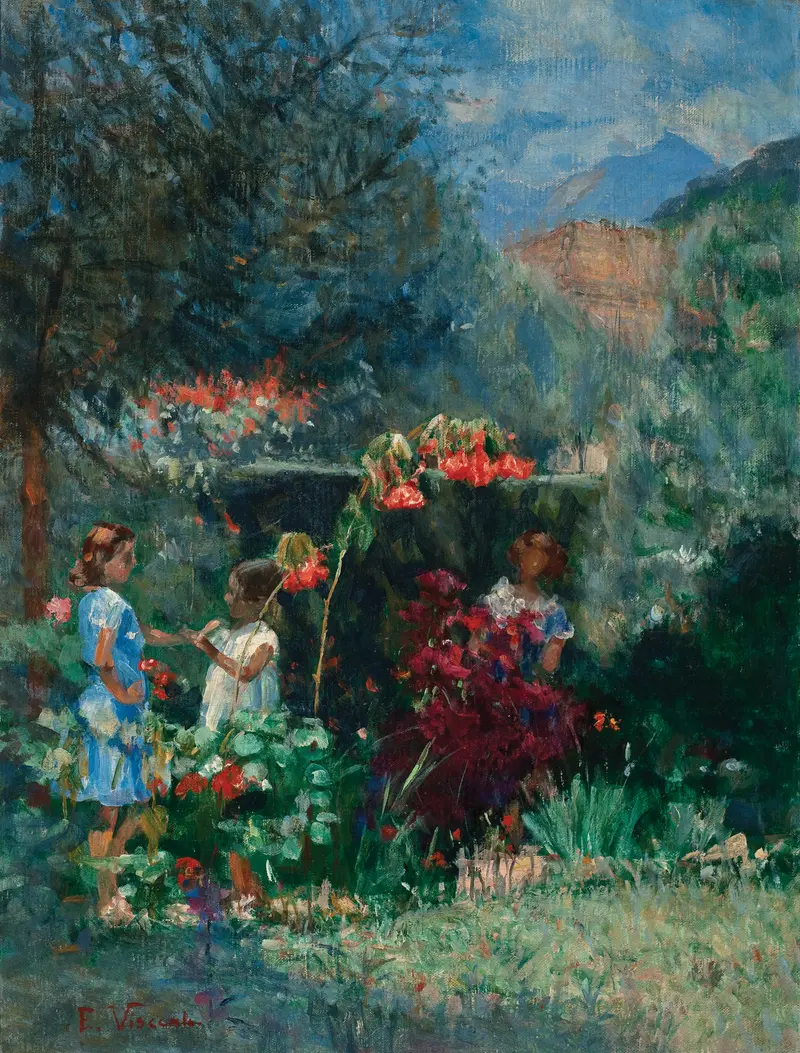
Três meninas no jardim
Eliseu Visconti
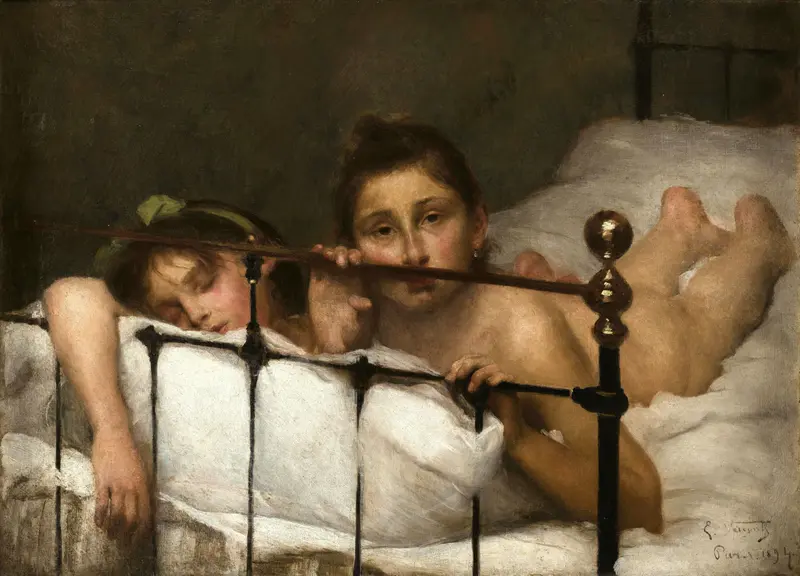
The two sisters or In summer
Eliseu Visconti
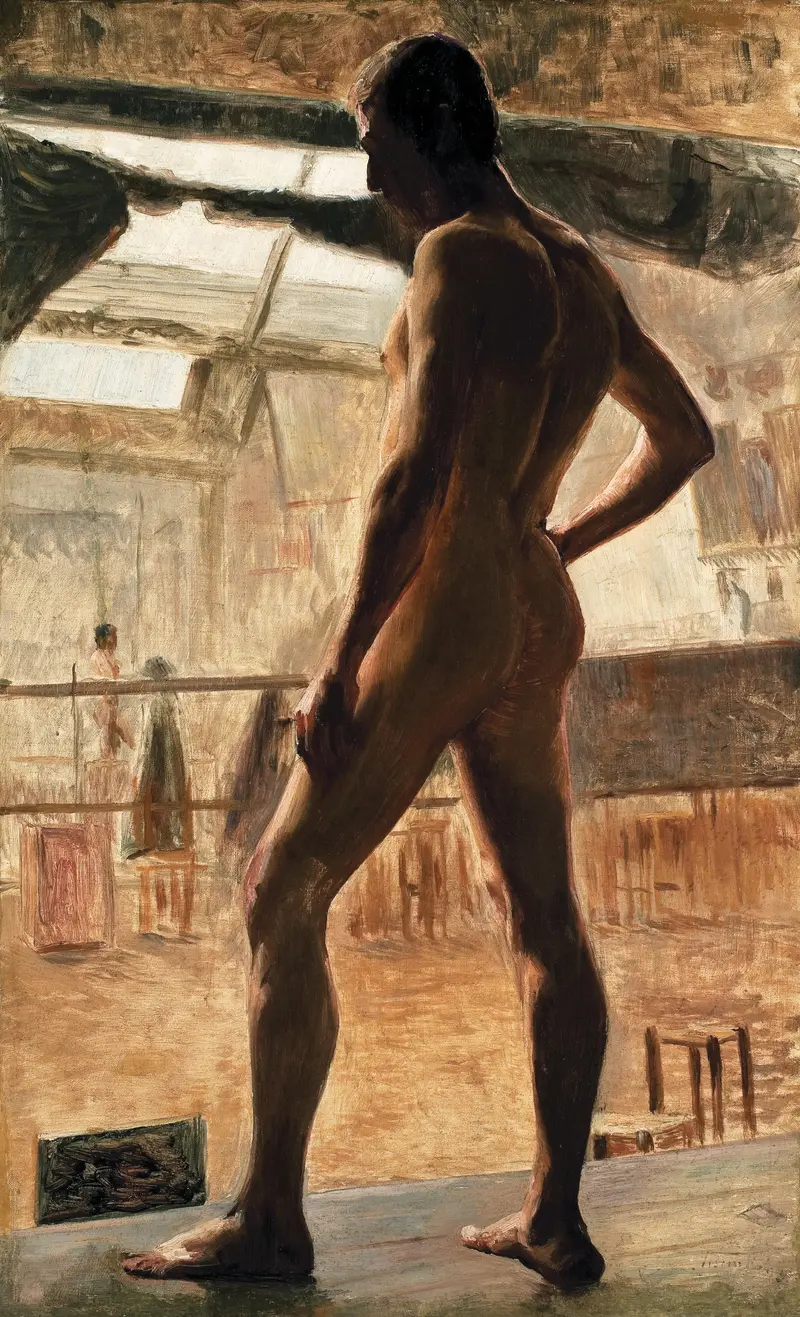
Nu masculino
Eliseu Visconti
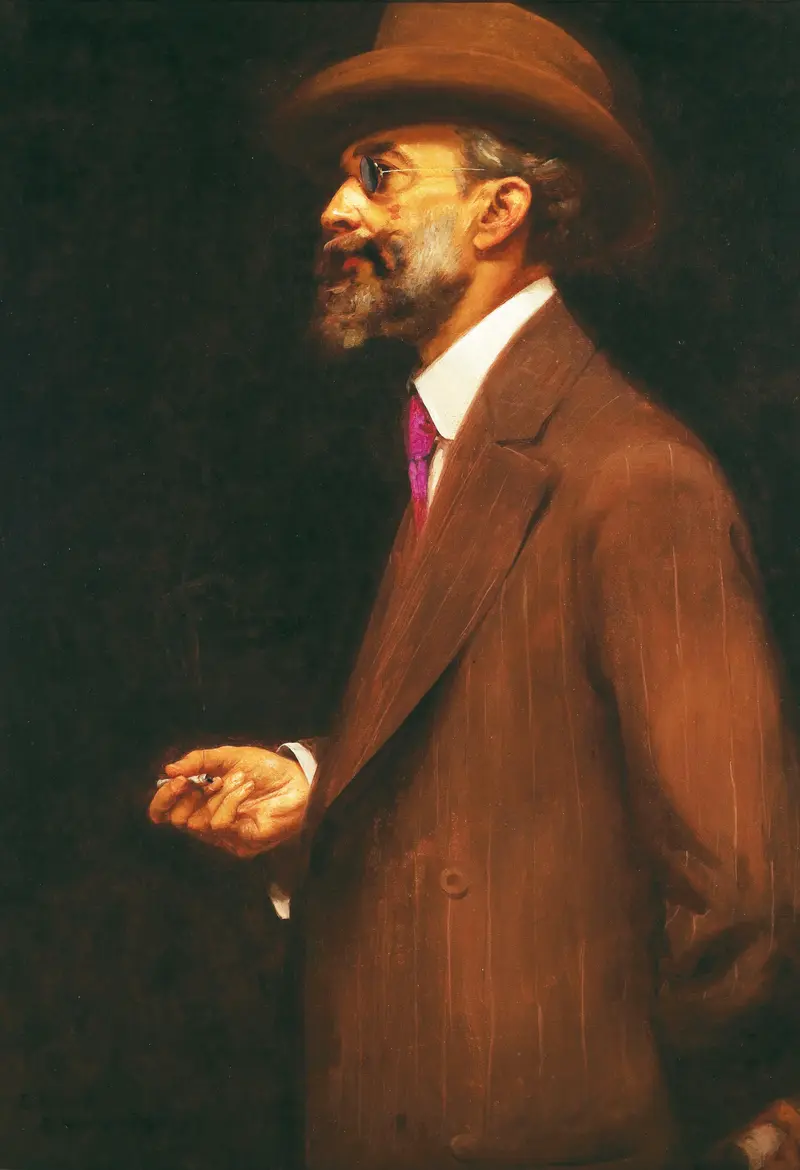
Retrato de Gonzaga Duque
Eliseu Visconti
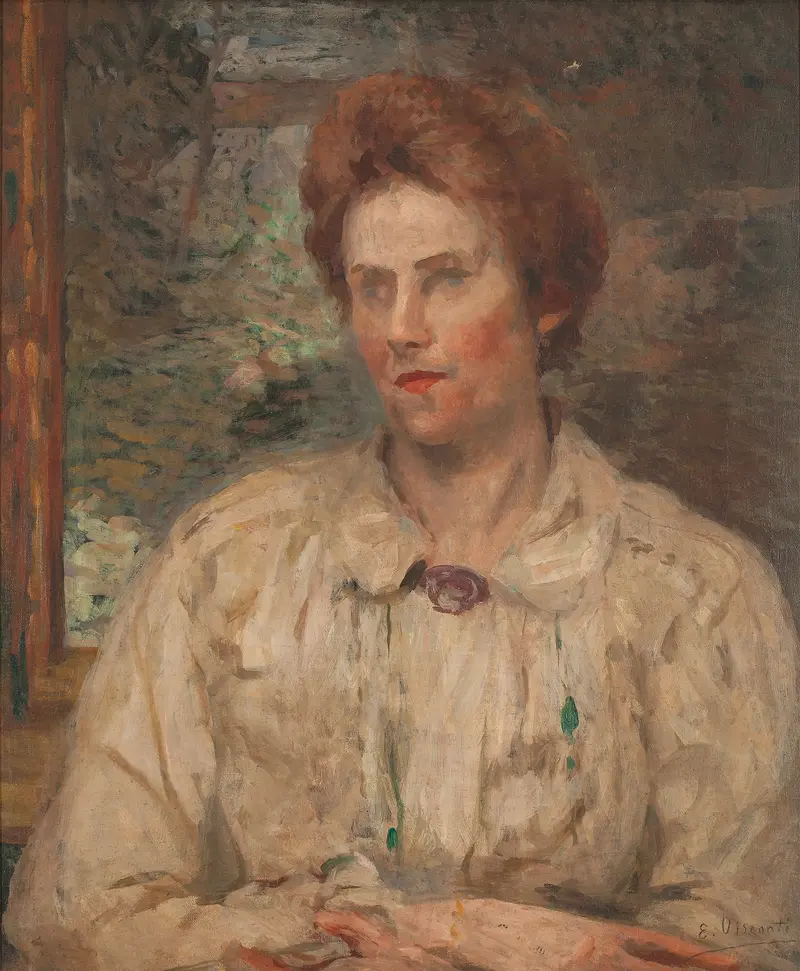
Retrato de Louise
Eliseu Visconti
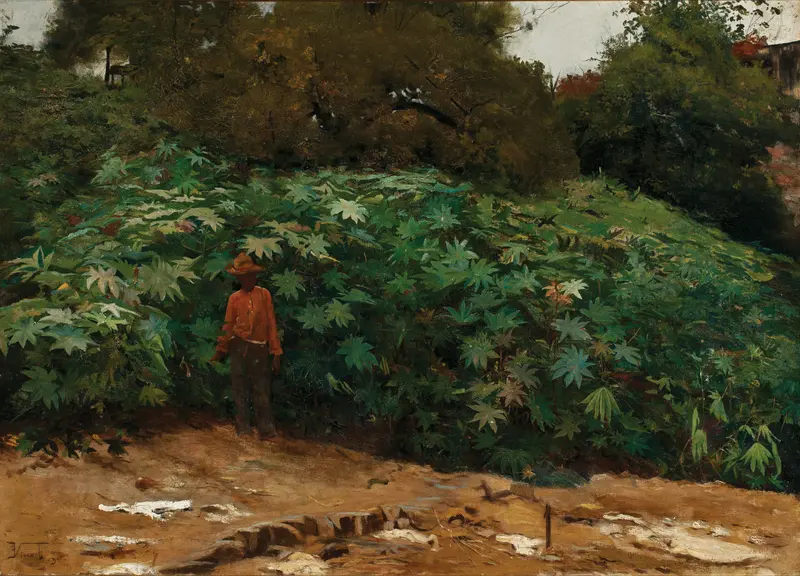
Mamoneiras – Morro de São Bento
Eliseu Visconti





