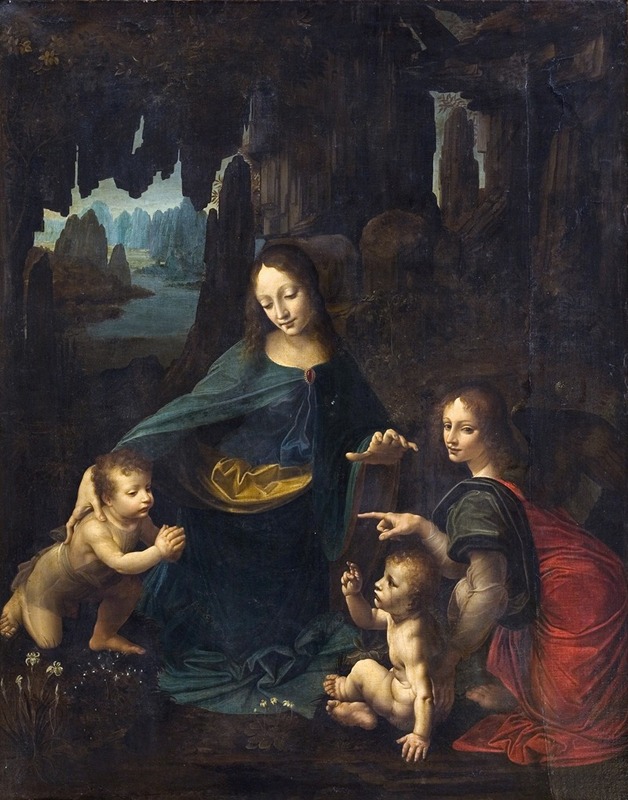
Discover insights about this artwork
Return of the Prodigal Son — History & Facts
In Return of the Prodigal Son, Rembrandt van Rijn depicts a dramatic scene filled with emotion. The painting features a father embracing his son, who has returned home after a long absence. The colors are rich and warm, with deep browns and golds dominating the palette.
The setting is simple yet intimate, focusing on the figures and their expressions of love and forgiveness. This artwork is an oil on canvas, measuring approximately 262 x 205 cm. The use of light and shadow is characteristic of Rembrandt's style, creating a sense of depth and realism. The textures in the clothing and skin are rendered with great detail, showcasing the artist's skill in capturing human emotion.
The composition draws the viewer's eye to the central figures, emphasizing their emotional connection. Rembrandt van Rijn created this painting in the late 1660s, a time when he was exploring themes of redemption and forgiveness. This work is based on a parable from the Bible, highlighting the relationship between a father and his wayward son. Interestingly, it is believed that Rembrandt identified with the son, reflecting his own struggles and personal losses.
The painting is now housed in the Hermitage Museum, where it continues to resonate with viewers today.
More Artworks by Rembrandt van Rijn
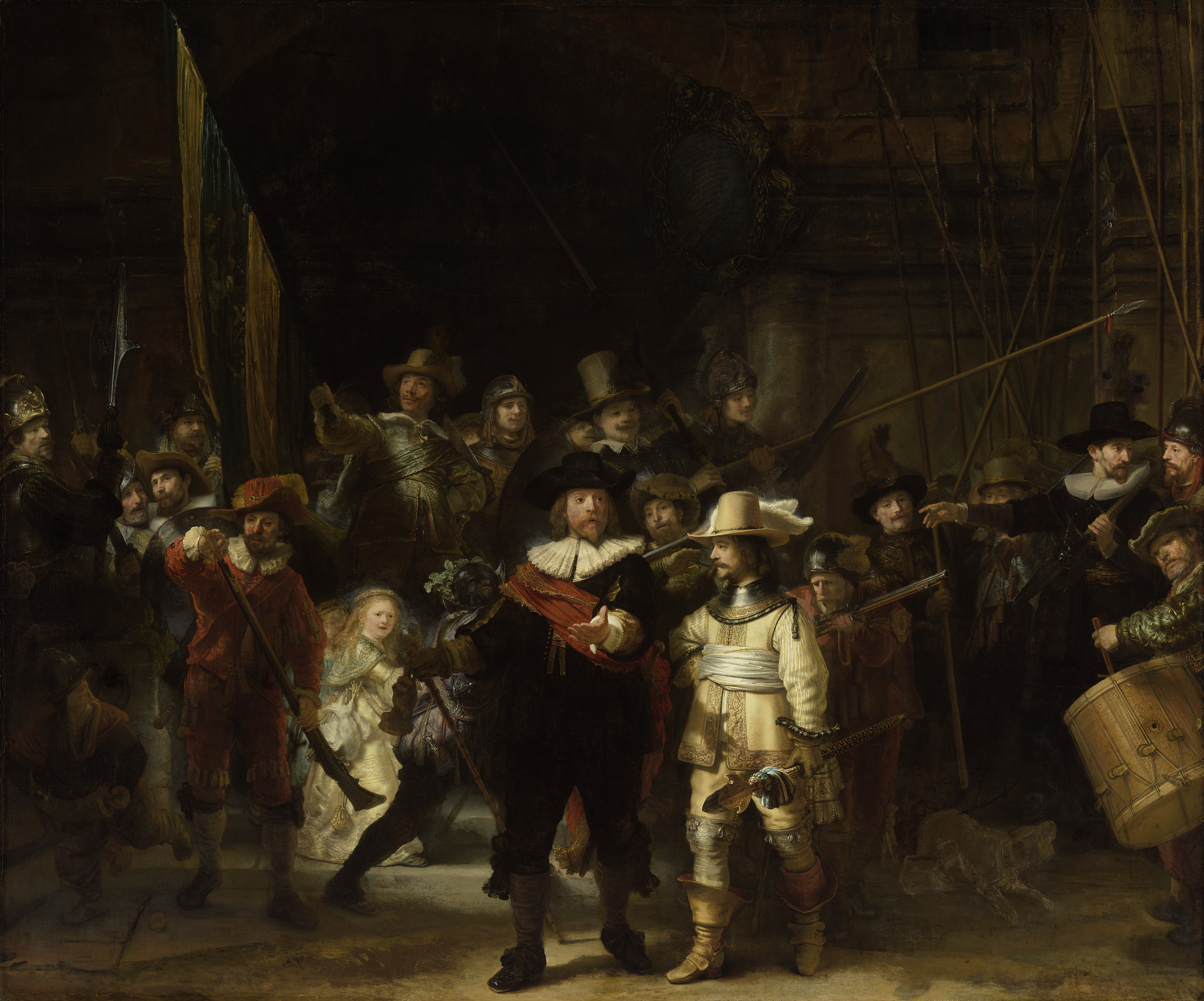
The Night Watch Militia Company of District II under the Command of Captain Frans Banninck Cocq
Rembrandt van Rijn
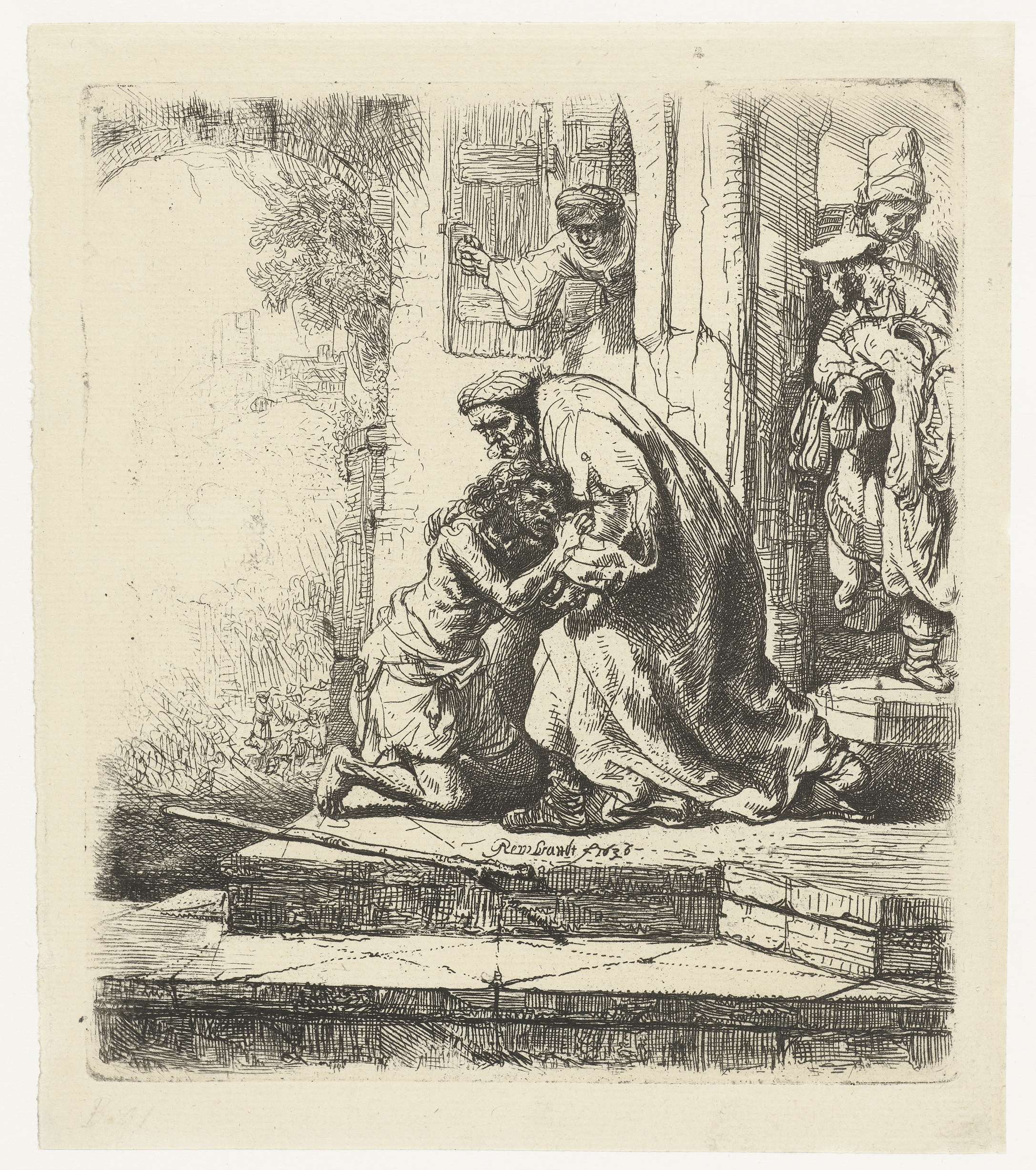
The Return of the Prodigal Son
Rembrandt van Rijn
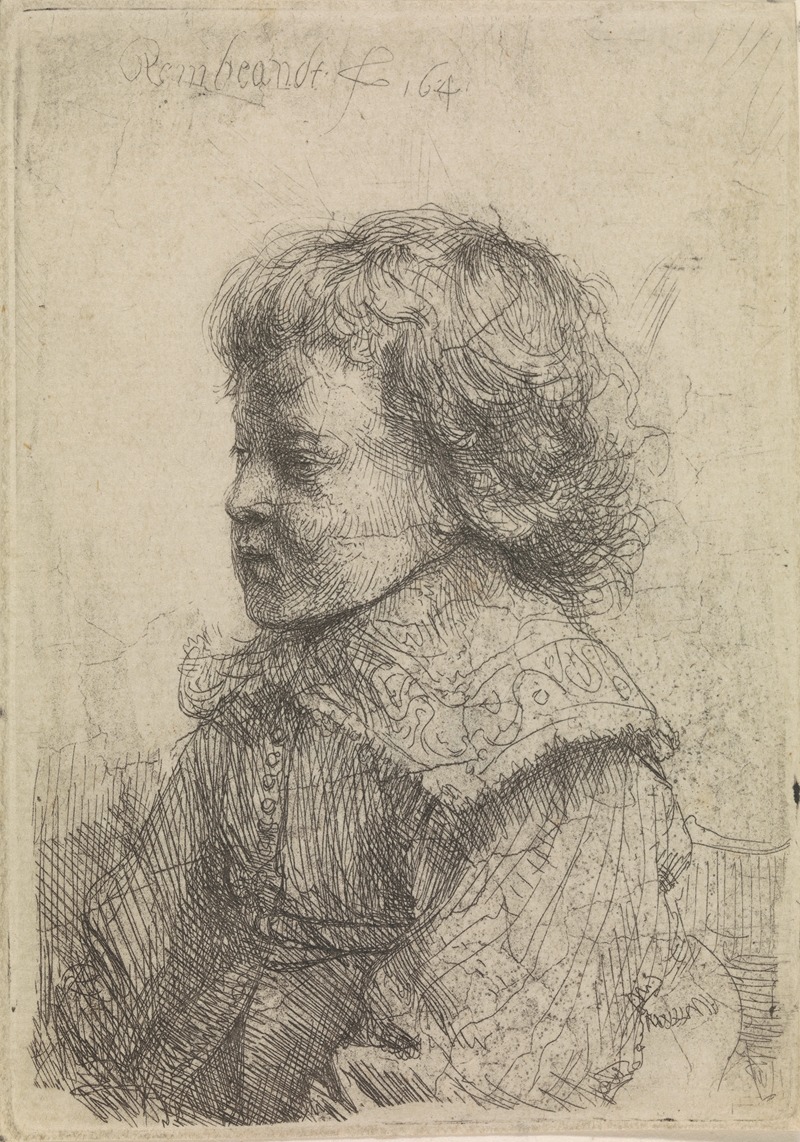
Portrait of a boy in profile
Rembrandt van Rijn
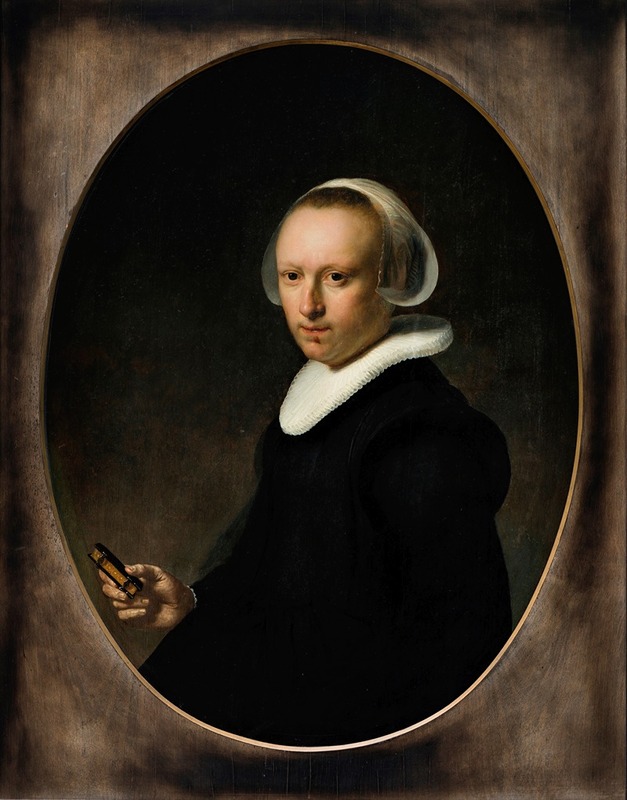
Portrait of a 39-year-old Woman
Rembrandt van Rijn
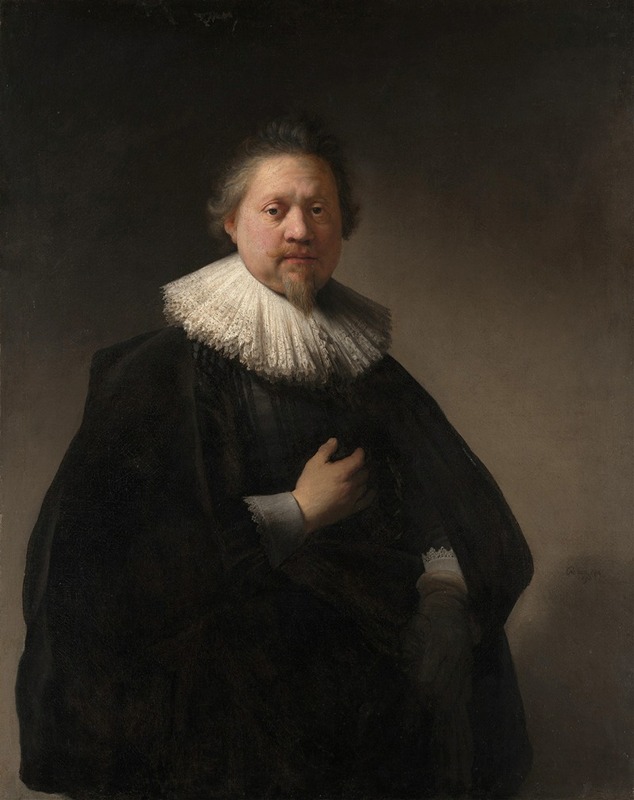
Portrait of a Man
Rembrandt van Rijn
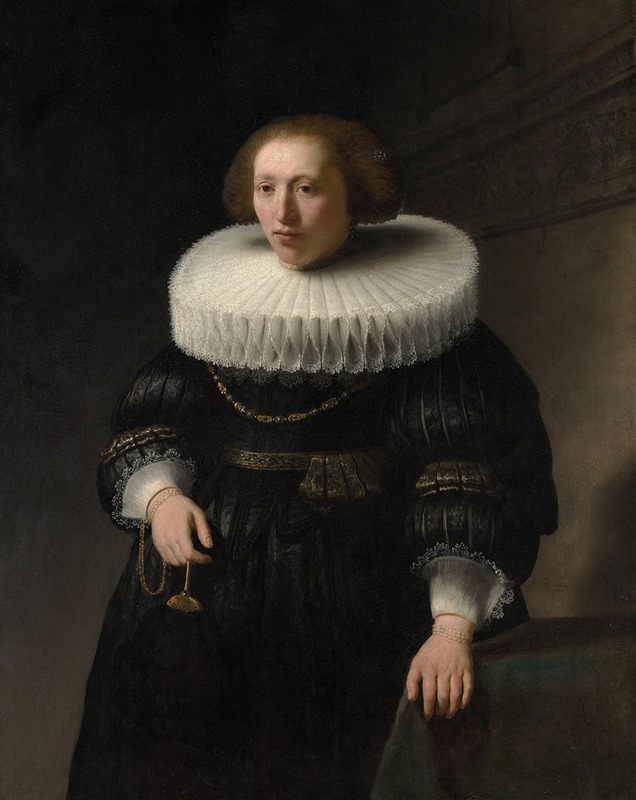
Portrait of a Woman
Rembrandt van Rijn
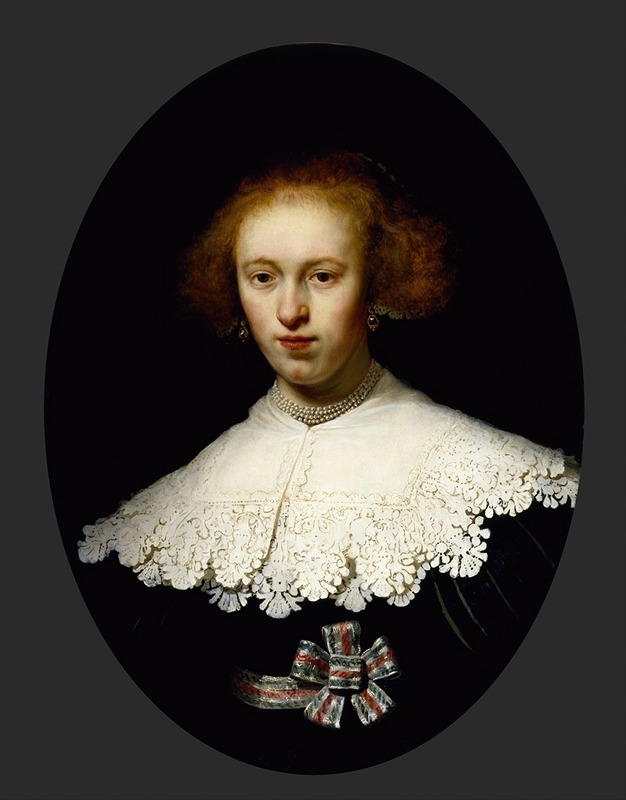
Portrait of a Young Woman
Rembrandt van Rijn
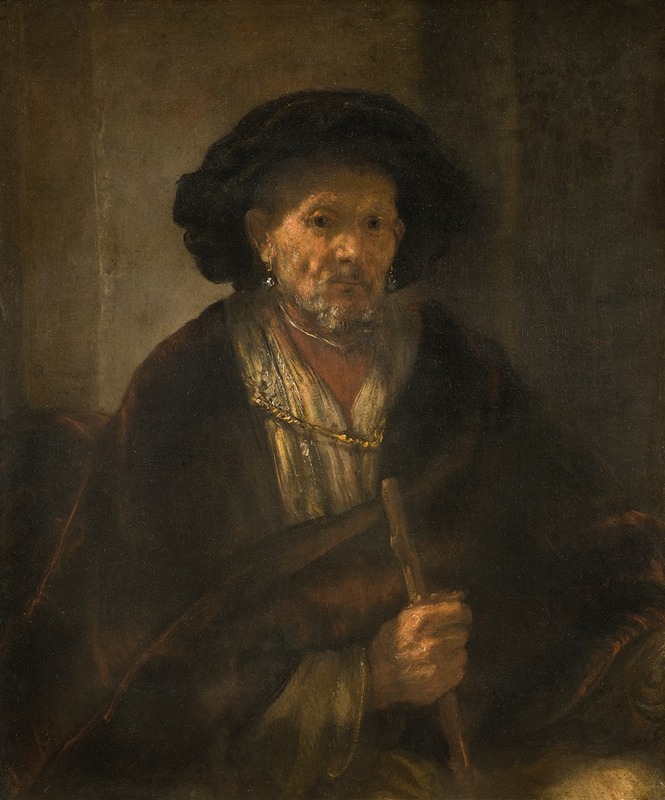
Portrait of an Old Man
Rembrandt van Rijn
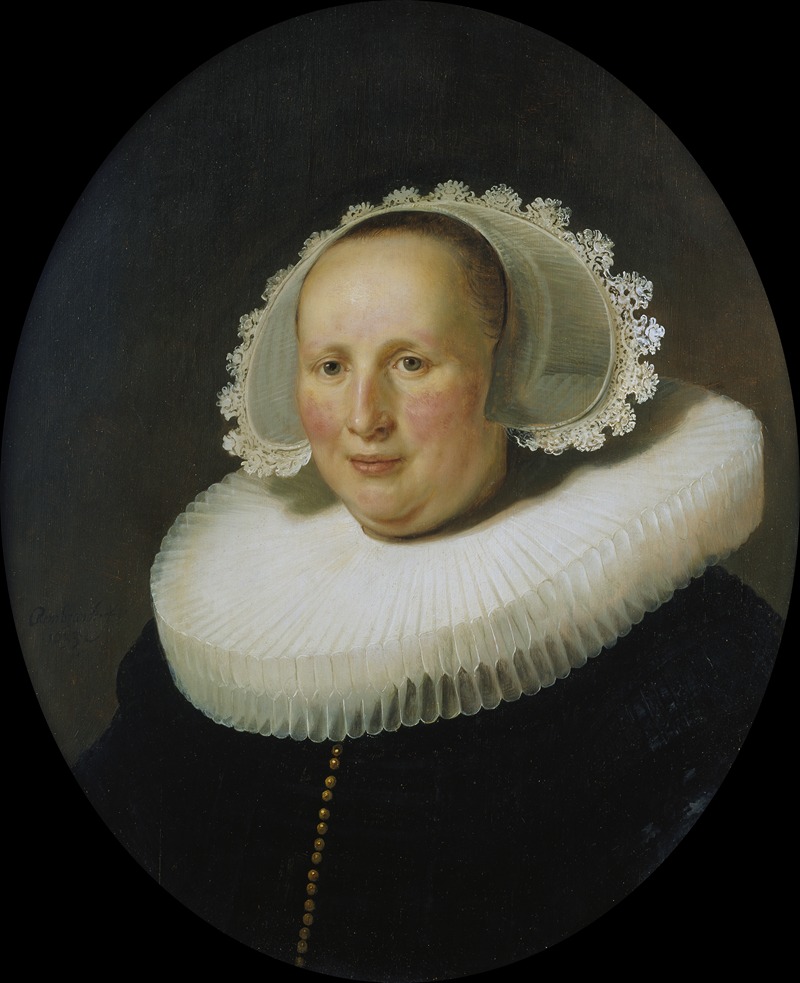
Portrait of Maertgen van Bilderbeecq
Rembrandt van Rijn
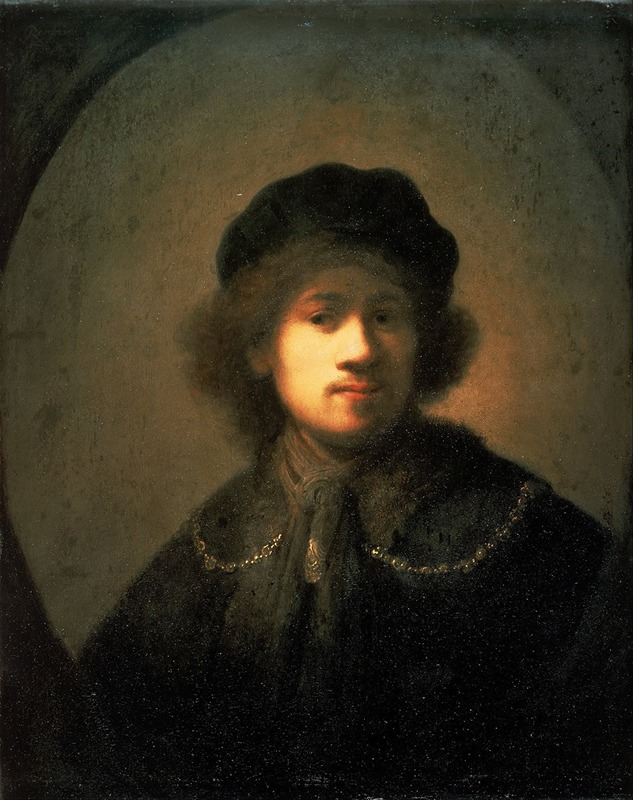
Portrait of the Artist as a Young Man
Rembrandt van Rijn