Rügen — History & Facts
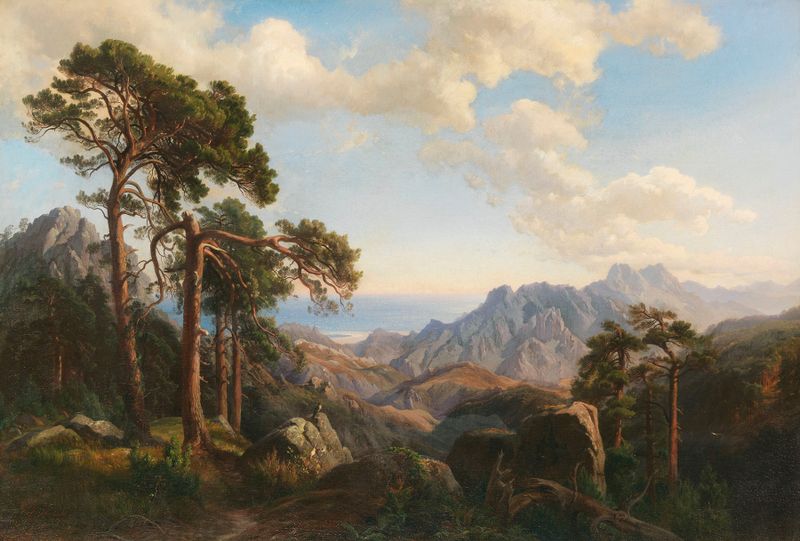
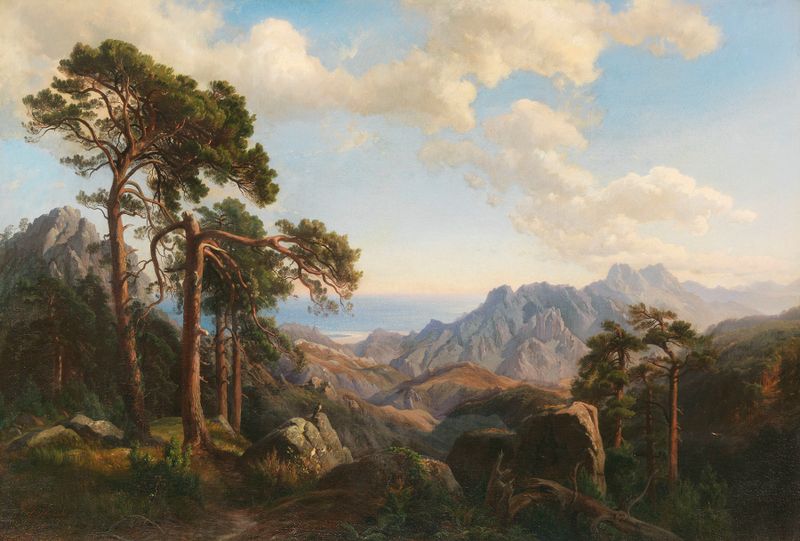
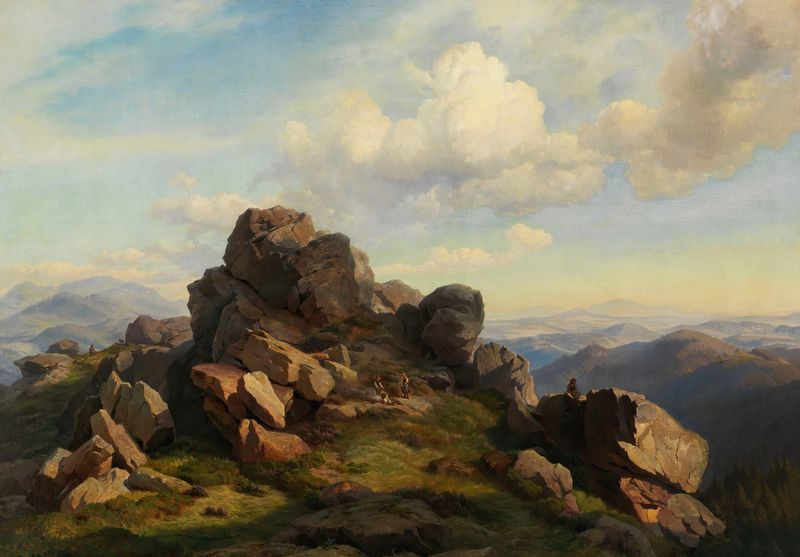
Who listens when art speaks of silence? In a world often drowned in noise, the subtlety of betrayal resonates quietly yet profoundly. Look to the center where a lone figure stands, framed by the towering cliffs and crashing waves of the coast. The muted palette of greys and blues creates a sense of melancholy, drawing your gaze to the figure’s slumped posture, suggesting weariness and introspection. Notice how the light delicately caresses the edges of the cliffs, illuminating their rugged forms while leaving shadows to loom ominously behind.
The composition holds a tension between the natural beauty surrounding the figure and the emotional burden they carry. As you take in the scene, consider the interplay of isolation and connection. The cliffs, steadfast and eternal, contrast sharply with the fragile human presence, evoking feelings of abandonment and betrayal. The crashing waves echo the tumult of unspoken emotions, while the distant horizon blurs into the unknown, hinting at paths not taken or promises broken.
Each element in Rügen speaks to a deeper narrative, where silence amplifies the weight of unexpressed thoughts and unresolved conflicts. Carl Hummel painted this piece during a time when he sought to capture the essence of human experience in relation to nature. Working in the late 19th century, he was influenced by Romantic ideals that emphasized individual emotion and the sublime beauty of the world. Hummel, immersed in the tension between isolation and connection, reflects a broader movement in art where personal turmoil was intricately tied to the landscape, unveiling layers of meaning behind every brushstroke.