Rügen — History & Analysis
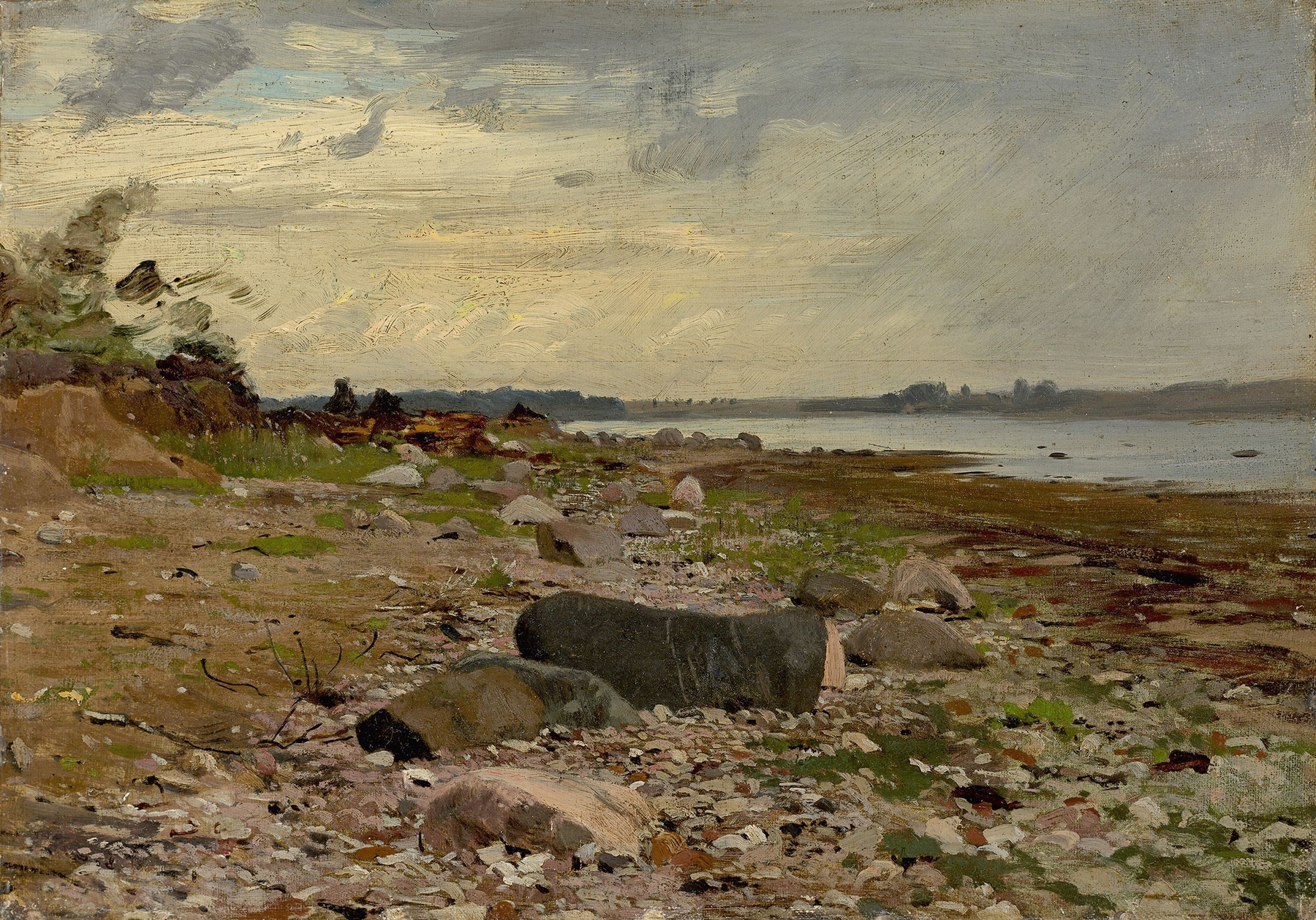
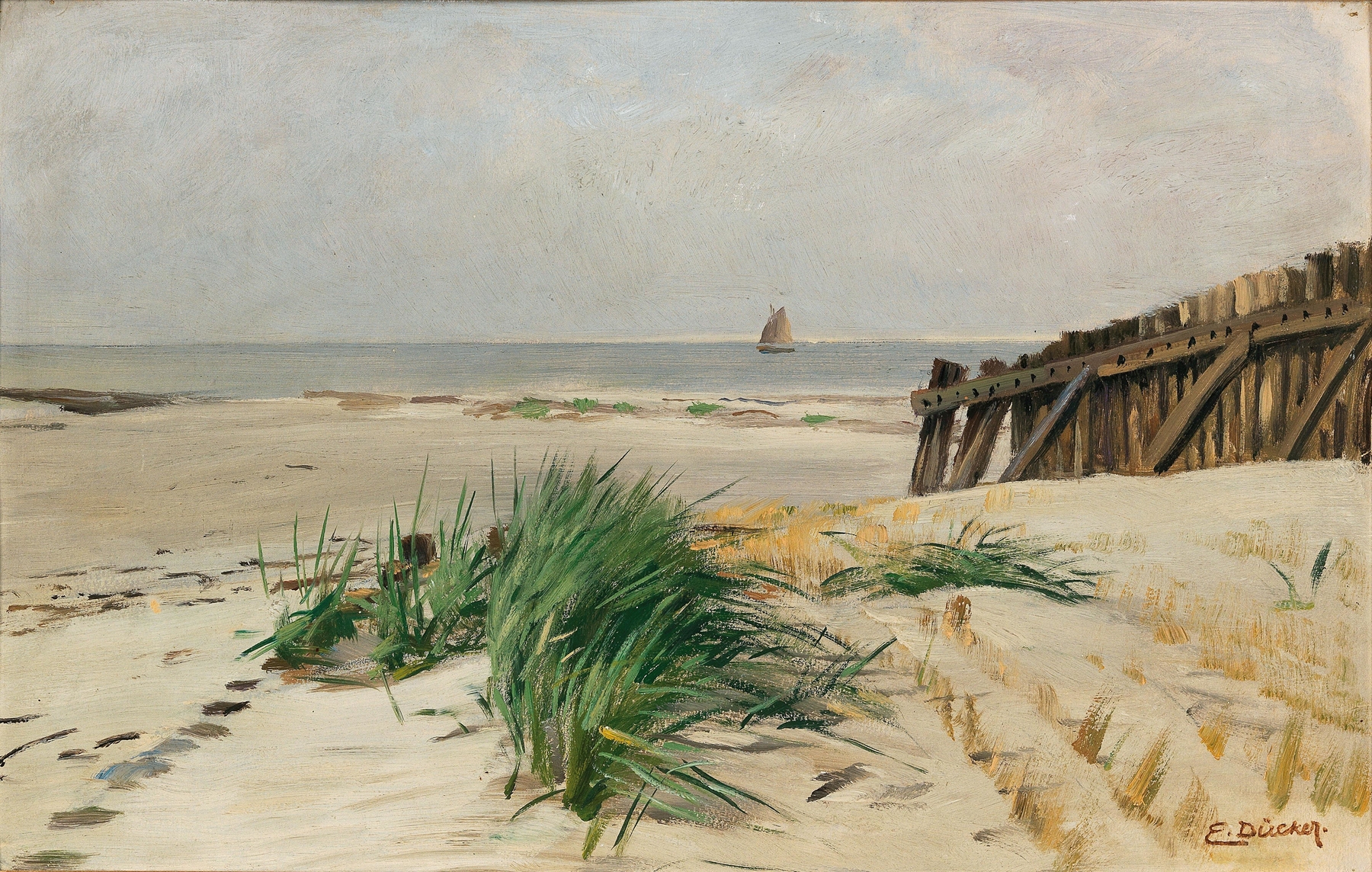
Can beauty exist without sorrow? In Rügen, the haunting coastline of this German island captures a moment where nature’s splendor teeters on the edge of chaos, inviting contemplation of the tumultuous emotions beneath the serene surface. Look to the left at the jagged cliffs, where the rich, earthy browns contrast against the soft, cerulean waves crashing below. Focus on the delicate interplay of light and shadow as the sun breaks through the thick clouds, illuminating the rugged landscape while casting elongated silhouettes that evoke a sense of foreboding.
The brushwork is deliberate yet fluid, imbuing the scene with an energy that feels both vibrant and restless, a reflection of nature’s untamed spirit. Beneath the tranquil beauty lies an undercurrent of tension—between the calmness of the sea and the threatening skies that loom above. The juxtaposition of the bright horizon against the darker elements hints at the chaos that often simmers beneath the surface of life.
Here, the viewer can sense a struggle, a reminder that even in the most breathtaking vistas, sorrow and turmoil are never far away, intertwining with the beauty we often take for granted. In 1885, Dücker painted this work during a time of personal exploration and growth while living in Germany, an era marked by the rise of Romanticism in art. The period saw artists embracing nature's chaos as a source of inspiration and reflection, leading him to capture the poignant balance of beauty and turmoil on Rügen Island, a place deeply connected to his own artistic journey.