Rhön landscape — History & Facts
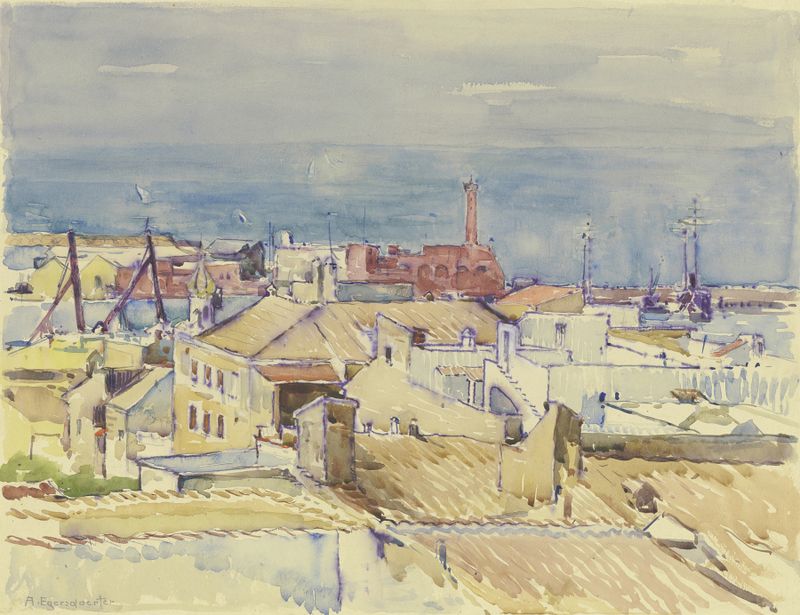
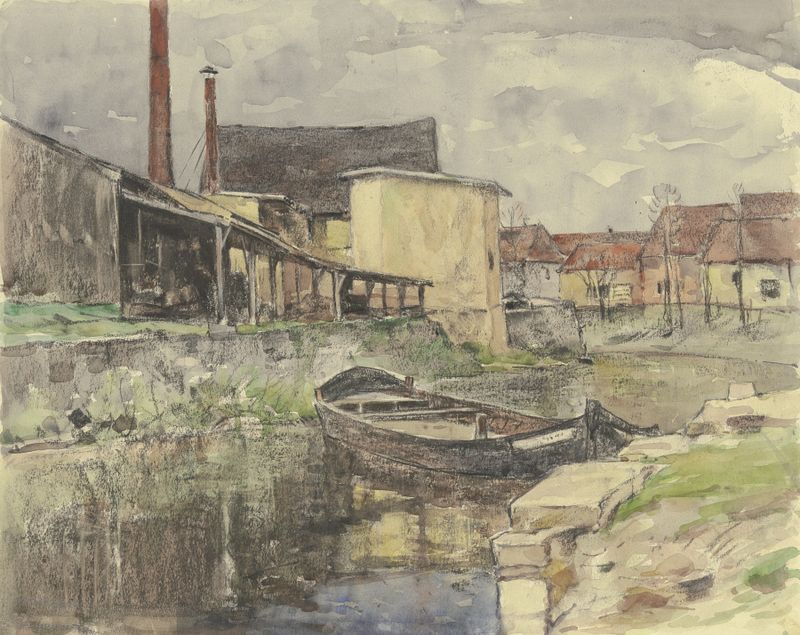
Could beauty survive in a century of chaos? This question lingers as one gazes upon the tranquil expanse of a landscape that feels both dreamlike and timeless. Look to the horizon, where gentle hills rise and fall like the rhythmic pulse of a sleeping giant. Notice how soft, muted colors blend harmoniously—the greens of the fields kissing the blue-gray sky. The painter’s brush strokes, subtle yet deliberate, create a sense of depth that draws the eye toward distant peaks, inviting a moment of reflection.
The composition is masterfully balanced, with the foreground leading you through a delicate interplay of light and shadow, as if the landscape itself whispers secrets of a bygone era. Yet, beneath the surface lies an unspoken tension. The placidity of the scene contrasts sharply with the world it inhabits—a world marked by turmoil and unrest. The soft brushwork may evoke serenity, but the artist’s choice of palette suggests longing and nostalgia.
It challenges the viewer to contemplate the fragility of such beauty amidst inevitable upheaval, questioning whether this idyllic vista can withstand the march of time. Created during a period of personal exploration in his life, the artist painted this work in an era when nature often served as refuge from the chaos of modernity. While specific dates remain uncertain, the reflections on simplicity and contentment in the landscape reveal a deep connection to the environment, echoing broader movements in the art world that sought solace in romantic ideals.