
Rider Leading a Second Horse, Leaving the Grounds of a Country House — History & Facts
In Rider Leading a Second Horse, Leaving the Grounds of a Country House, a quiet melancholy permeates the scene, hinting at the bittersweet nature of transition and loss. The visual narrative speaks volumes without uttering a single word, embodying the complexities of farewell and the weight of unspoken emotions. Focus your gaze on the rider, prominent in the foreground, who grasps the reins with a firm yet tender grip. Notice how the light dances across the horses’ manes, illuminating their sleek forms against the muted tones of the country house behind them.
The soft earth tones evoke a serene yet somber atmosphere, while the gentle curves of the landscape guide your eyes towards the horizon, suggesting an unseen journey ahead. The tension within the piece lies in the juxtaposition of the vibrant life of the horses against the stillness of the house, a symbol of what is left behind. Each horse seems to carry with it the weight of memories, tethered to the past, while the rider's posture hints at both resolve and reluctance. The fleeting moment encapsulates the transient nature of life itself, where joy is often interwoven with loss, urging the viewer to reflect on their own stories of departure. Samuel Howitt painted this work in the late 18th century, a time when his exploration of equestrian themes coincided with a broader fascination with nature and the pastoral ideal.
Amidst the shifting tides of art and societal values, Howitt aimed to capture not just the beauty of the scene but the deeper implications of connection and separation, framing the moment as an indelible part of the human experience.
More Artworks by Samuel Howitt
Browse all →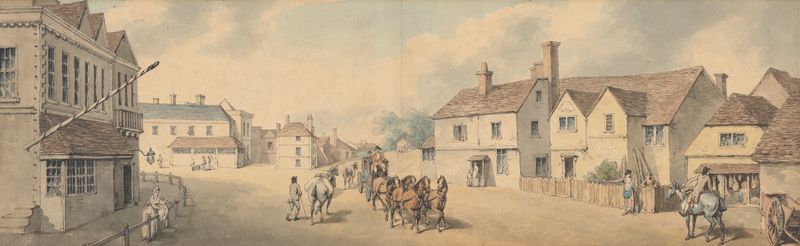
A Coach and Four Passing Through Chippenham, Wiltshire
Samuel Howitt

Valley Landscape with Sheep
Samuel Howitt

Snipe Shooting.
Samuel Howitt
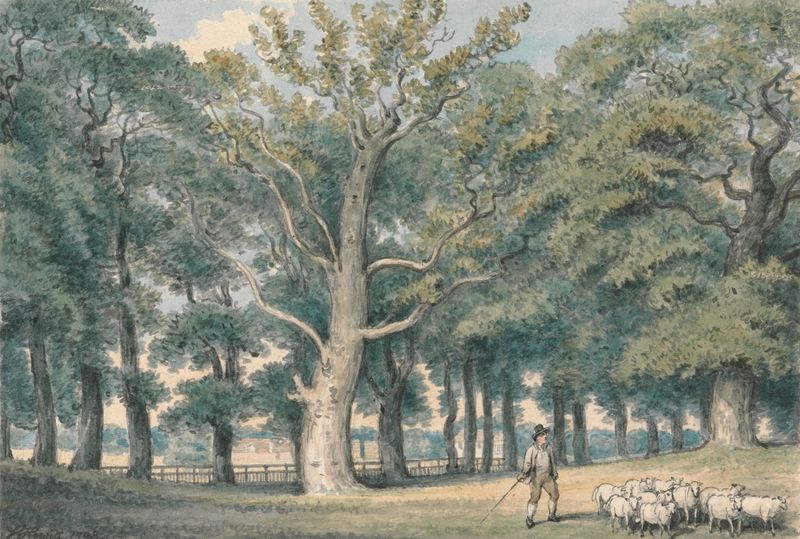
A Park Landscape with Shepherd and Sheep
Samuel Howitt
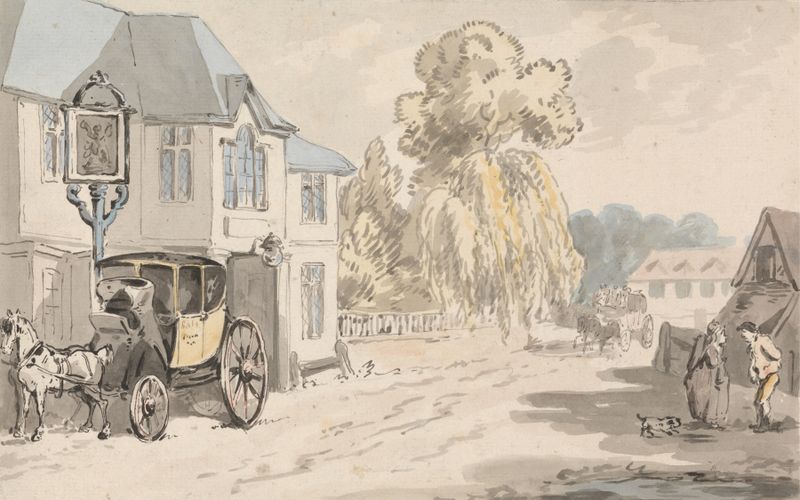
Riders Outside an Inn
Samuel Howitt

The Stone Gatherers
Samuel Howitt
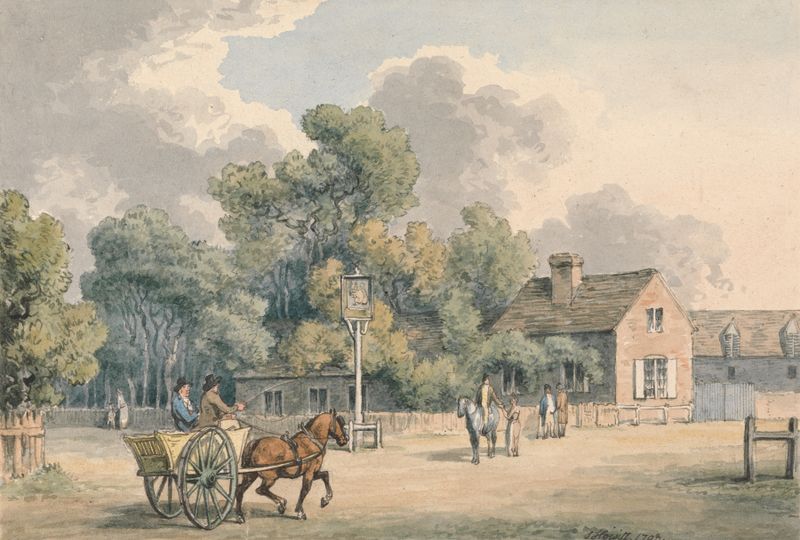
The Village Inn
Samuel Howitt

The Toll-house with a Coach Crossing the Bridge
Samuel Howitt
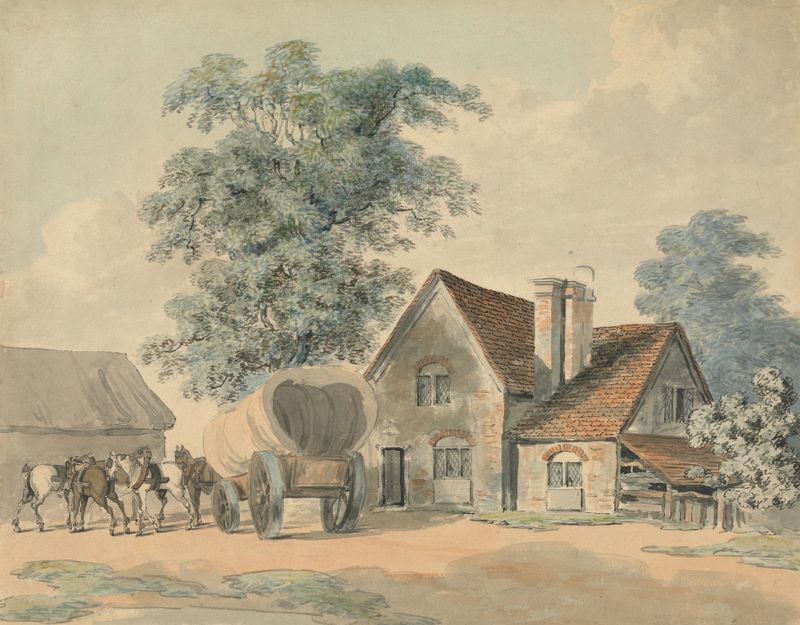
Horses and Wagon Outside a Cottage
Samuel Howitt

Country Folk with a Child, Beside a River
Samuel Howitt





