
Snipe Shooting. — History & Facts
When did color learn to lie? In the rich tapestry of nostalgia, shadows whisper memories of the past, drawing us into a world that feels both familiar and distant. Look to the center of the composition, where hunters stand poised, rifles ready, their expressions etched with anticipation. The palette is drenched in earthy tones, a symphony of browns and greens, evoking the lushness of a countryside landscape. Notice how the warm light filters through the canopy above, creating a gentle interplay of illumination and shadow that breathes life into the scene.
Each brushstroke tells a story of patience, skill, and the fleeting nature of the hunt. Delve deeper into the details. The subtle tension between the hunters and the elusive snipe reflects a broader struggle between man and nature, evoking themes of dominance and respect. The meticulous rendering of the birds in flight, contrasted with the stillness of the hunters, captures a moment of quiet anticipation and the passing of time.
This dichotomy speaks to the ephemeral beauty of life—a reminder that each encounter, whether in nature or memory, holds a sense of both triumph and loss. Samuel Howitt created Snipe Shooting during a period of transition in the early 19th century, as the Romantic movement began to flourish. Living in England, he was influenced by both the natural world and the burgeoning interest in outdoor leisure activities. His works often reflected not only a fascination with wildlife but also an exploration of human experience within that natural context, marking a moment where art began to bridge the gap between observation and personal sentiment.
More Artworks by Samuel Howitt
Browse all →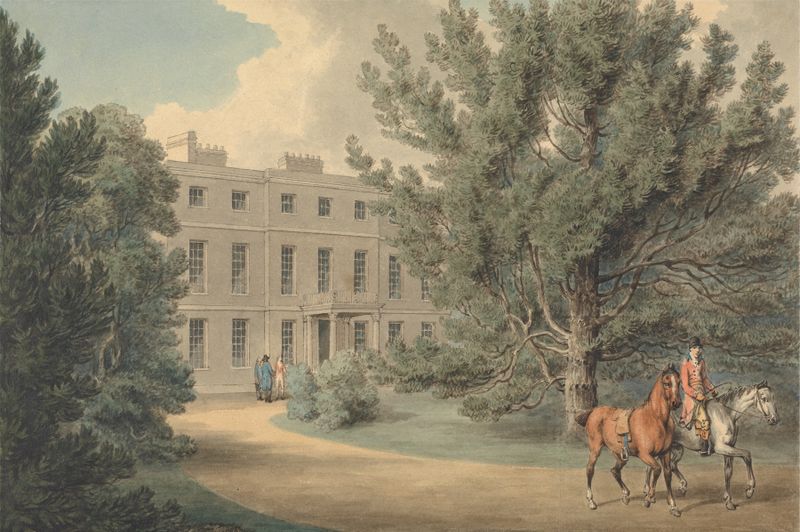
Rider Leading a Second Horse, Leaving the Grounds of a Country House
Samuel Howitt
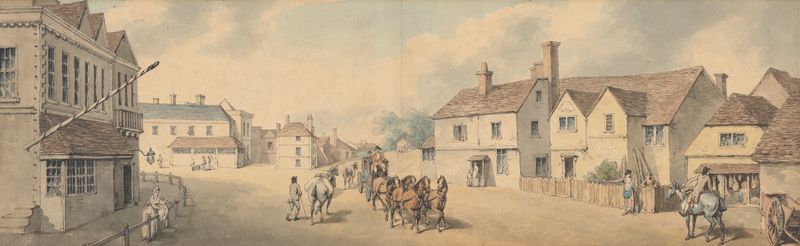
A Coach and Four Passing Through Chippenham, Wiltshire
Samuel Howitt

Valley Landscape with Sheep
Samuel Howitt
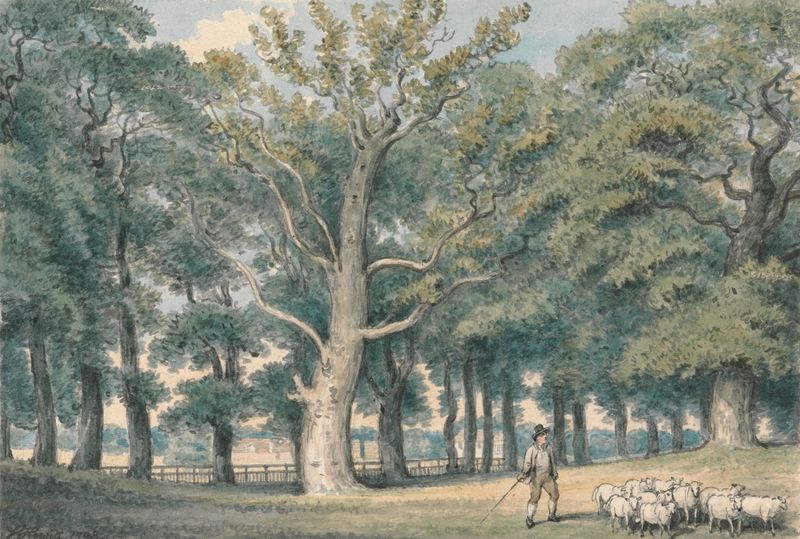
A Park Landscape with Shepherd and Sheep
Samuel Howitt
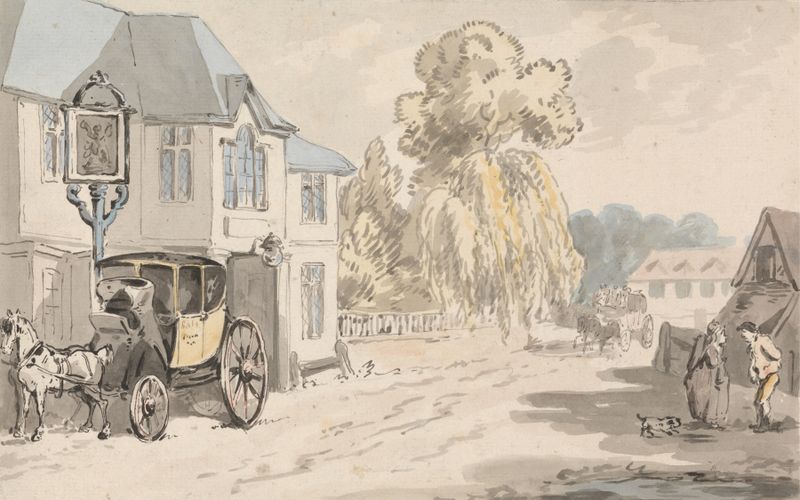
Riders Outside an Inn
Samuel Howitt

The Stone Gatherers
Samuel Howitt
The Village Inn
Samuel Howitt

The Toll-house with a Coach Crossing the Bridge
Samuel Howitt
Horses and Wagon Outside a Cottage
Samuel Howitt

Country Folk with a Child, Beside a River
Samuel Howitt





