
Ringgenberg — History & Facts
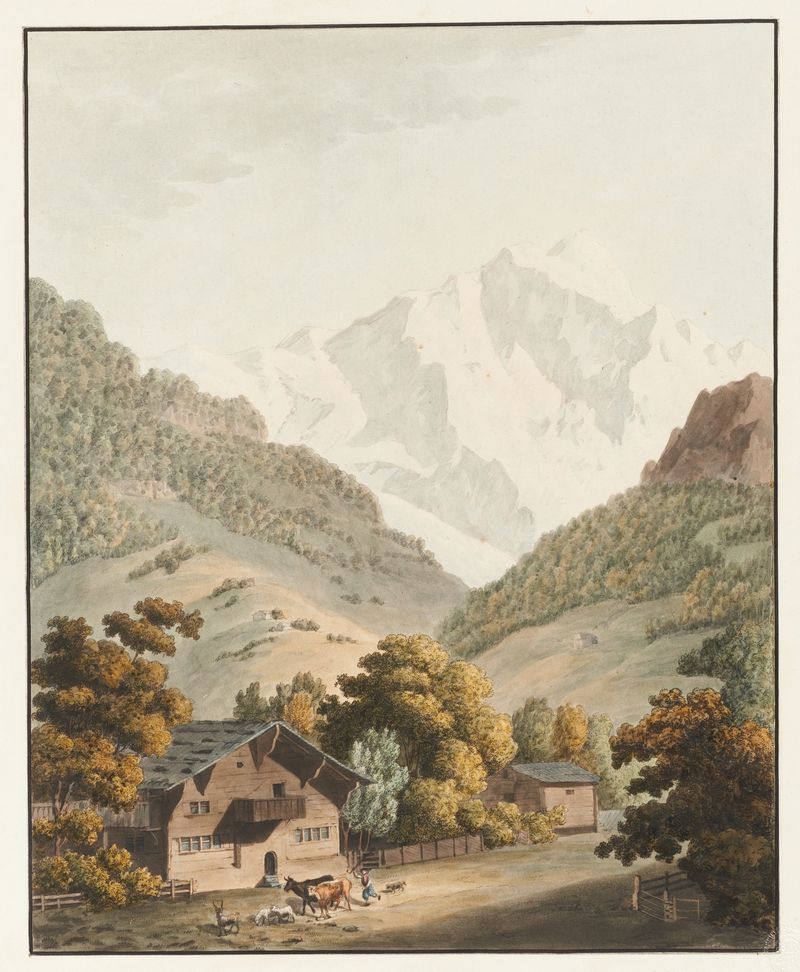
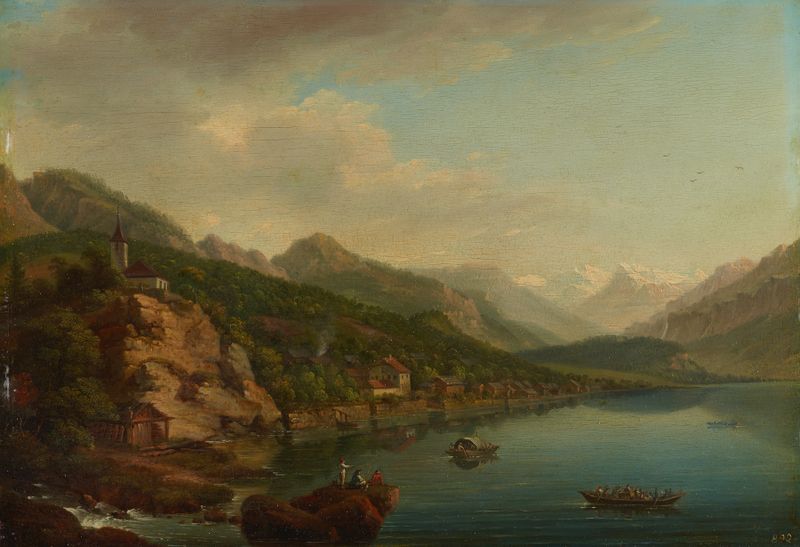
In the stillness of a solitary moment, silence speaks louder than the most fervent of voices. Focus on the expanse of the canvas, where the tranquil landscape unfolds before you. The broad strokes of green and blue create a serene tranquility, inviting your gaze to the distant mountains cloaked in mist. Notice how the soft, muted colors merge seamlessly, blurring the lines of earth and sky, as if whispering secrets of nature’s grandeur to the viewer.
The delicate detailing of the trees and winding river draw you deeper into the scene, where light dances gently across the surface, capturing the essence of peace. Yet, beneath this tranquil exterior lies a rich tapestry of contrasts. The vibrant hues of the foreground hint at life, while the distant mountains, shrouded in mist, evoke a sense of foreboding isolation. This balance between vibrancy and desolation captures the tension inherent in the human experience—a reflection of both hope and melancholy.
The serene expansiveness invites contemplation, urging you to consider what lies beneath the surface, in the quiet spaces of existence where true emotion resides. During this period, the artist created this work at a time when the Romantic movement was gaining momentum. Johann Ludwig Aberli, likely influenced by the natural landscapes of Switzerland, sought to depict not only the beauty of his surroundings but also the profound silence found in nature. His paintings served as an introspective journey during a time when the tension between industrial advancement and natural beauty was beginning to shape artistic expression.
More Artworks by Johann Ludwig Aberli
Browse all →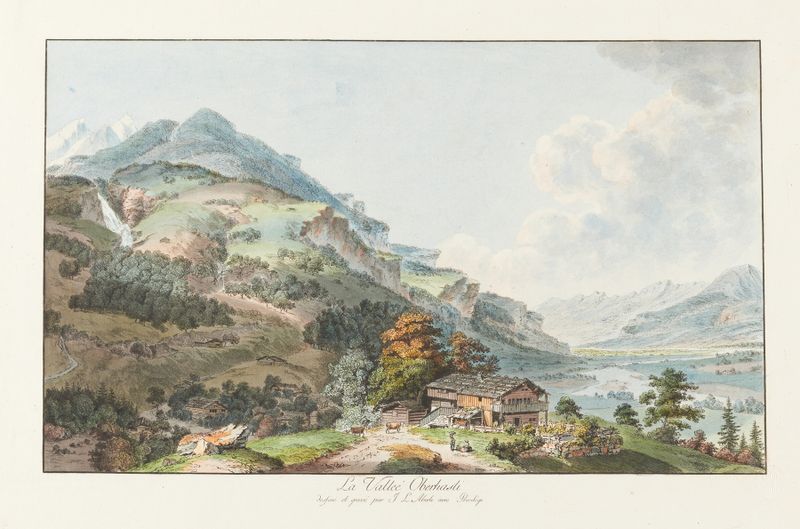
La Vallée Oberhasli
Johann Ludwig Aberli
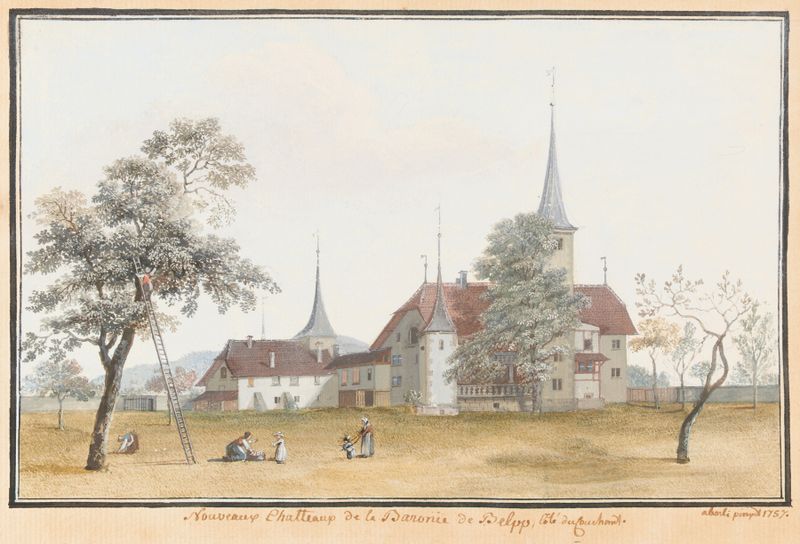
Nouveaux Chatteaux de la Baronie de Belpp; Côté du Couchant
Johann Ludwig Aberli
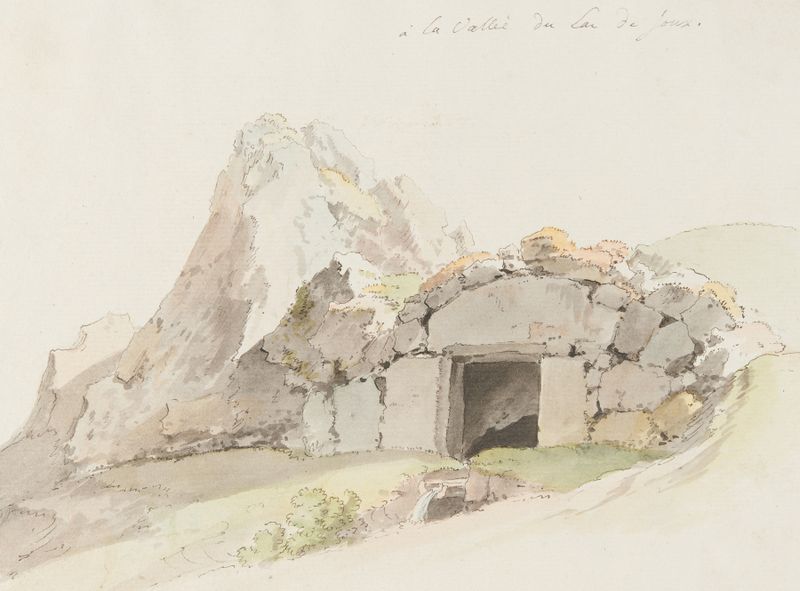
à la Vallèe du Lac de Joux
Johann Ludwig Aberli
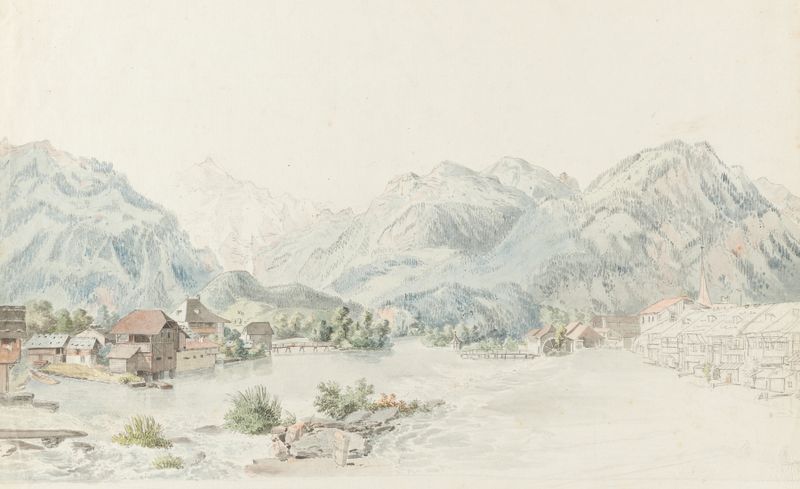
Ansicht von Unterseen
Johann Ludwig Aberli
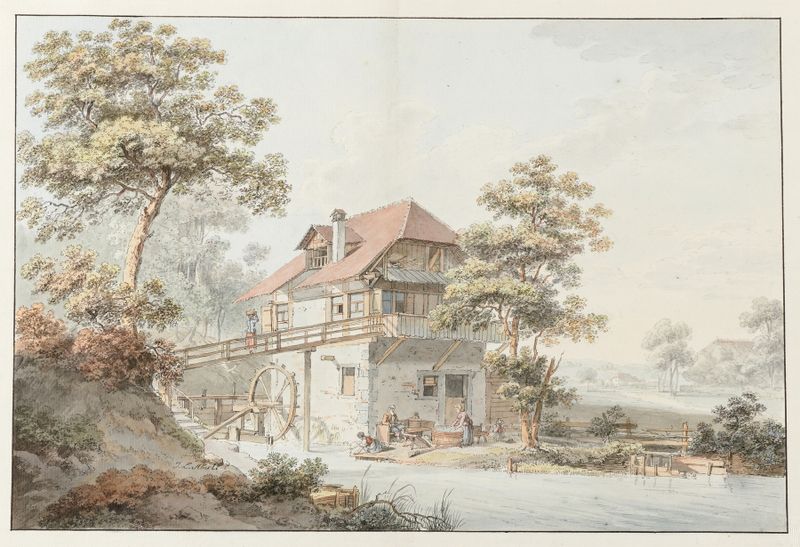
Ansicht einer Mühle im Berner Mittelland.
Johann Ludwig Aberli
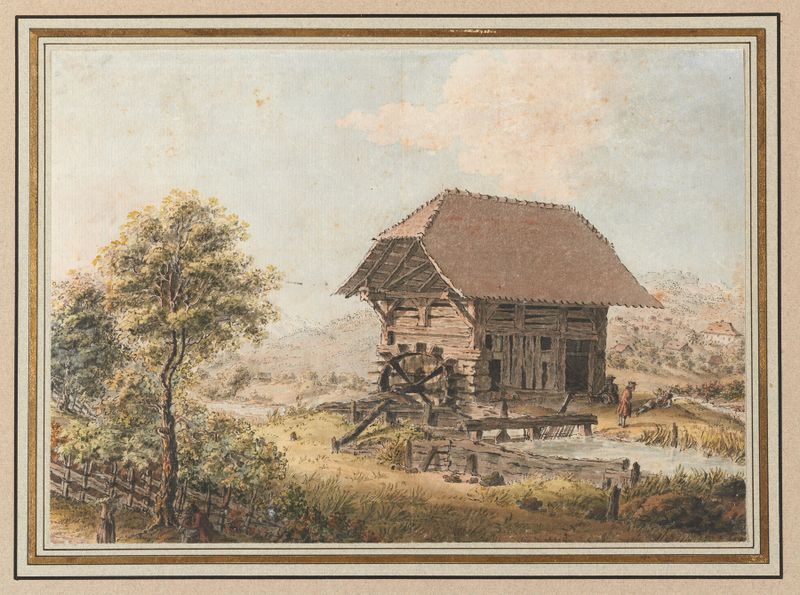
Ansicht einer Mühle im Berner Mittelland
Johann Ludwig Aberli
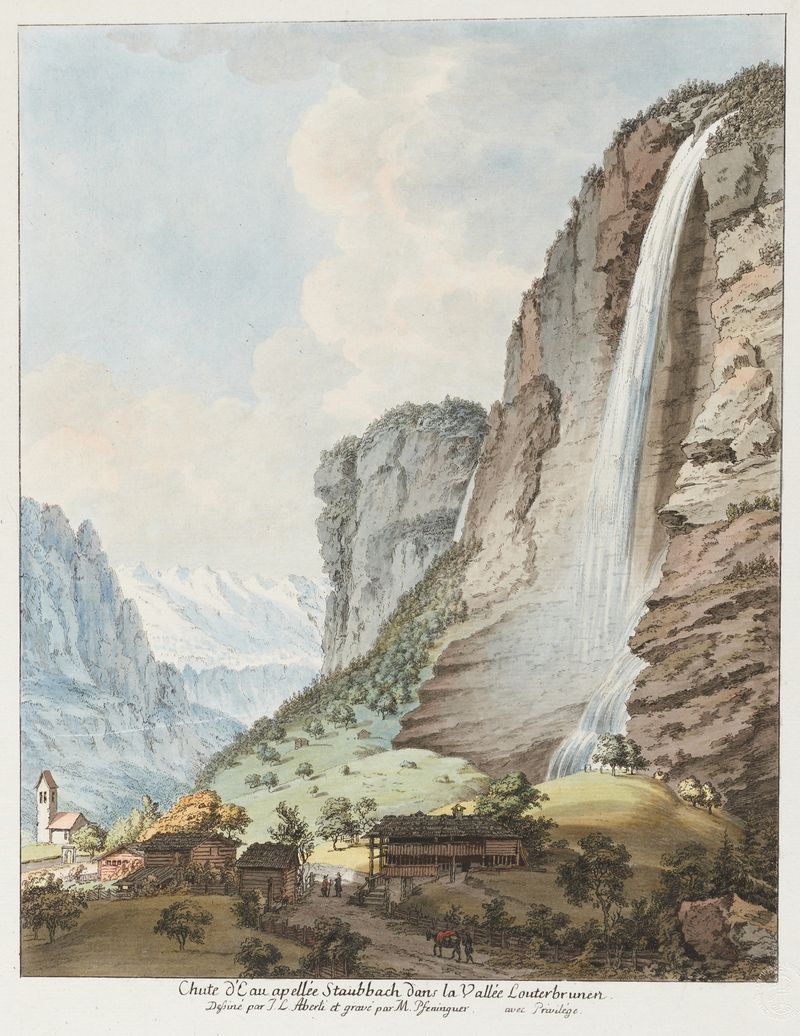
Chute d’Eau apellée Staubbach dans la Vallée Louterbrunnen
Johann Ludwig Aberli
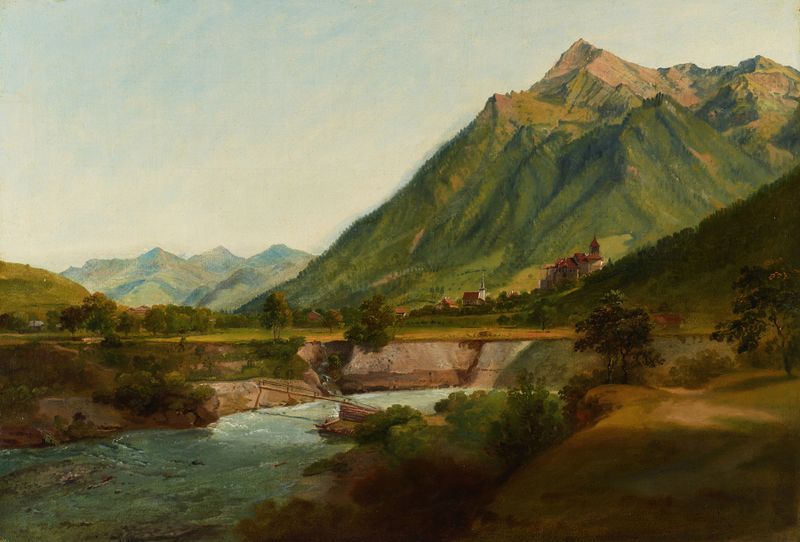
Vue du Château de Wimmis et des environs
Johann Ludwig Aberli
Vue du Jungfrau-Horn
Johann Ludwig Aberli
Vue du Village et du Lac de Brientz
Johann Ludwig Aberli





