
Rio di San Salvatore, Venice — History & Facts
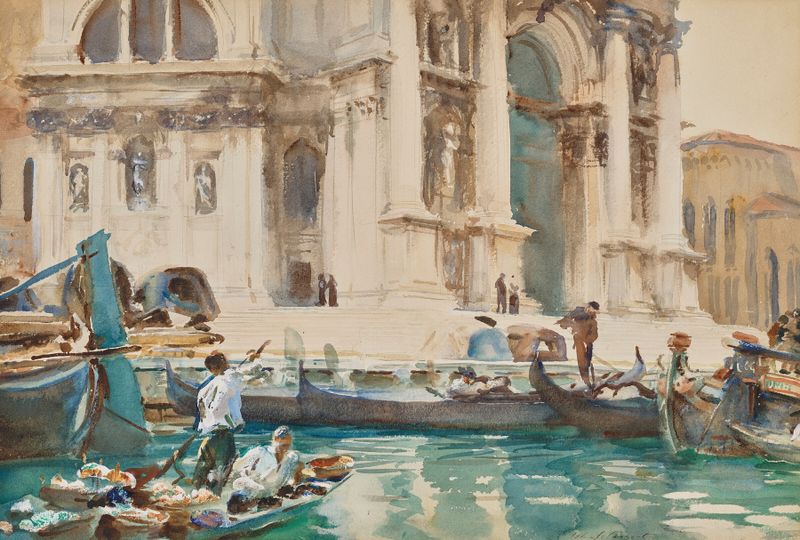
Who listens when art speaks of silence? The calm of a Venetian canal, framed by the soft embrace of twilight, offers a serene invitation to pause and reflect. Look closely at the gentle strokes that define the water's surface, where muted shades of blue and gray blend seamlessly into one another. Notice how the light reflects delicately off the water, capturing the essence of the evening glow. As your eyes move to the buildings lining the canal, observe the play of light and shadow that Sargent so masterfully orchestrates, highlighting the warm ochres and soft pastels that breathe life into the aged facades. In the tranquility of this scene lies a tension between stillness and the passage of time.
The serene water suggests a moment frozen, yet the ripples hint at unseen currents beneath the surface. Each brushstroke evokes a sense of nostalgia, as if the viewer is privy to a fleeting glimpse of Venice, untroubled by modernity. The empty boats, gently bobbing, symbolize solitude, inviting contemplation on the nature of presence and absence. Painted between 1906 and 1911, this work reflects John Singer Sargent's deep engagement with the Impressionist movement, as well as his evolving style during his time in Venice.
Amidst a backdrop of personal and artistic exploration, Sargent sought to encapsulate the city's enchanting beauty, infusing his canvas with a sense of peace that echoes the broader shifts in the world around him.
More Artworks by John Singer Sargent
Browse all →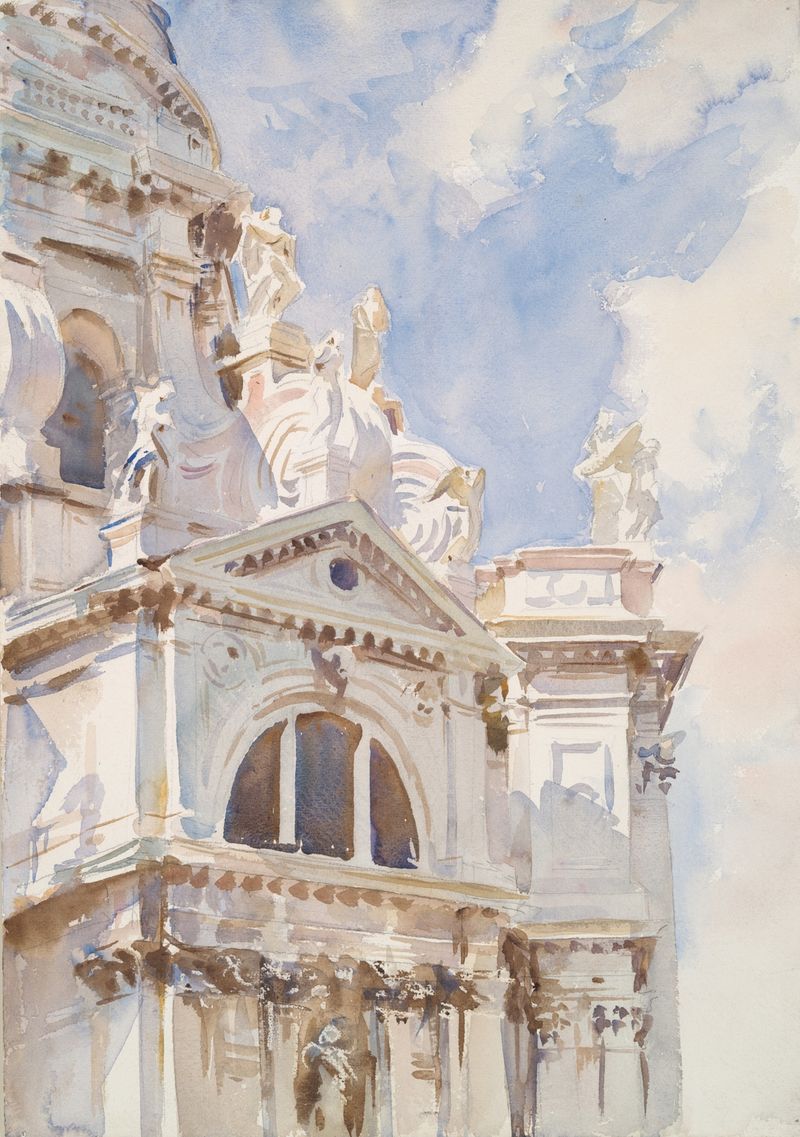
The Salute, Venice
John Singer Sargent

Mrs. Charles Deering (Marion Denison Whipple)
John Singer Sargent
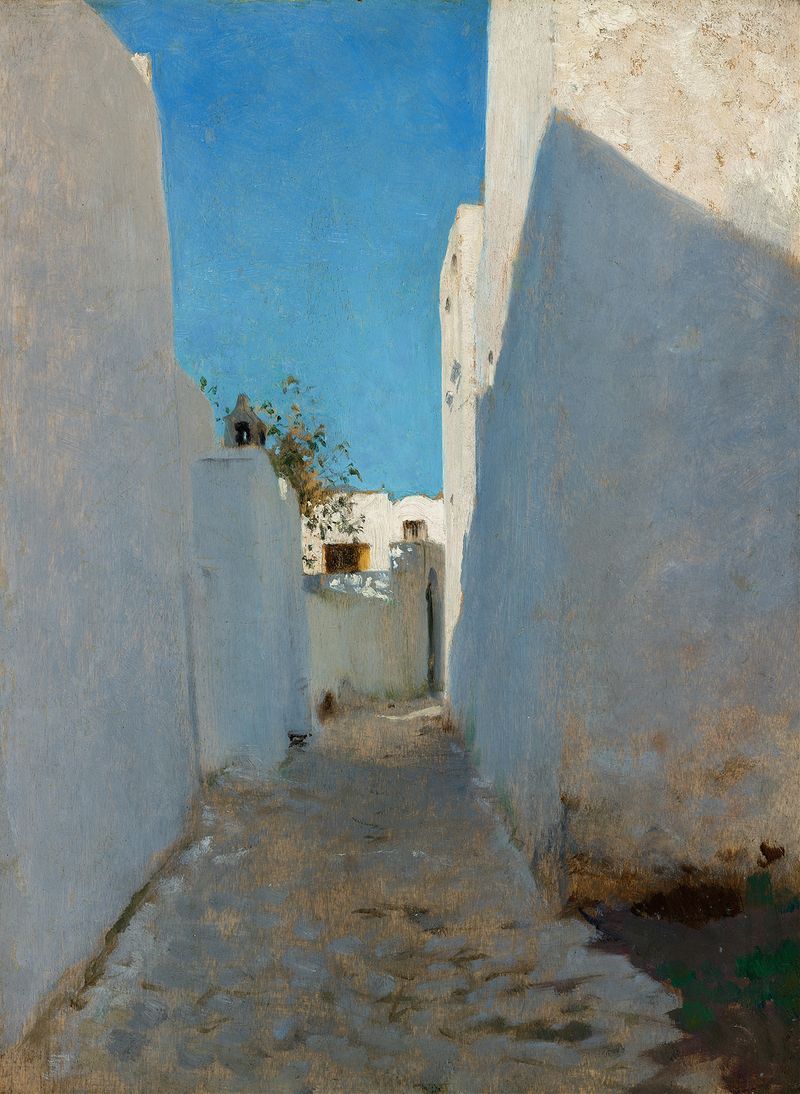
A Moroccan Street Scene
John Singer Sargent
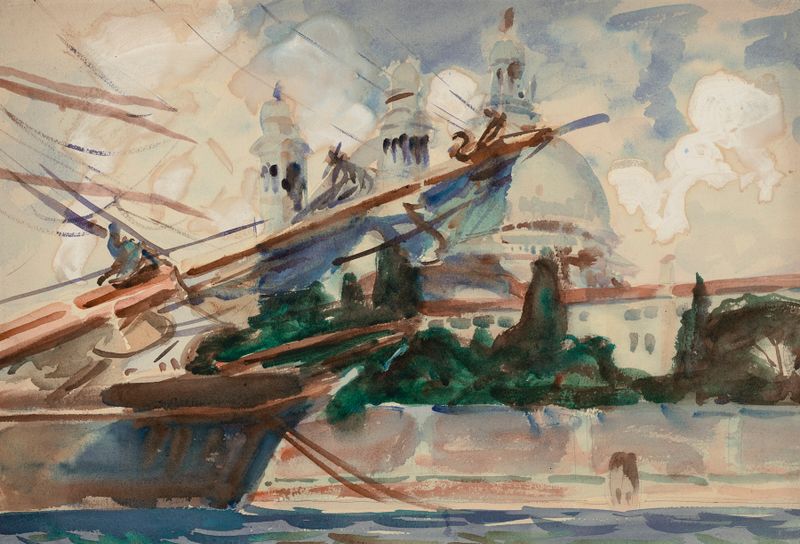
The Salute, Venice
John Singer Sargent
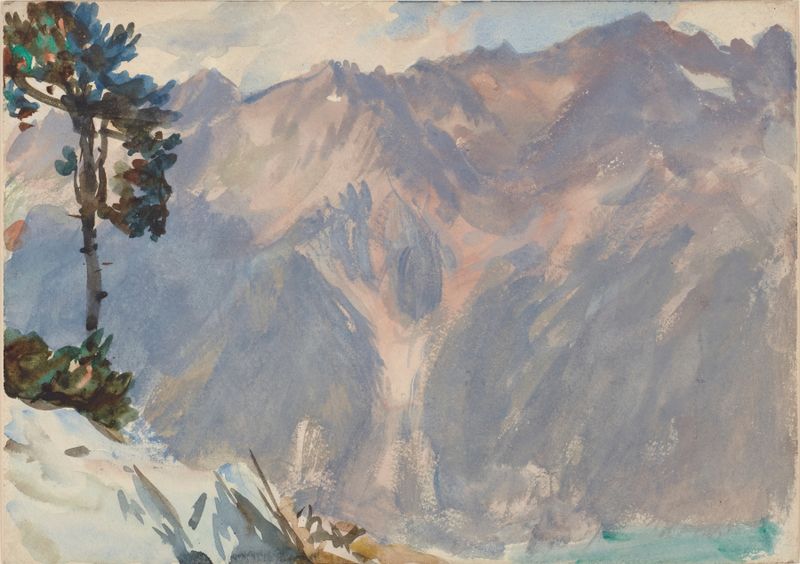
Tyrol
John Singer Sargent
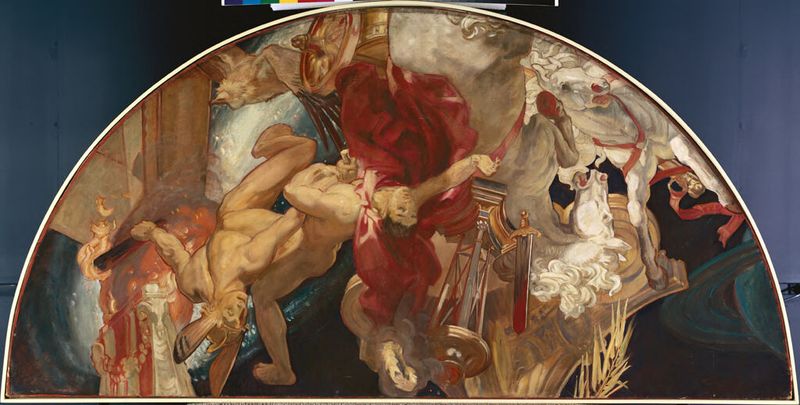
Study for "Gog and Magog," for the Boston Public Library
John Singer Sargent
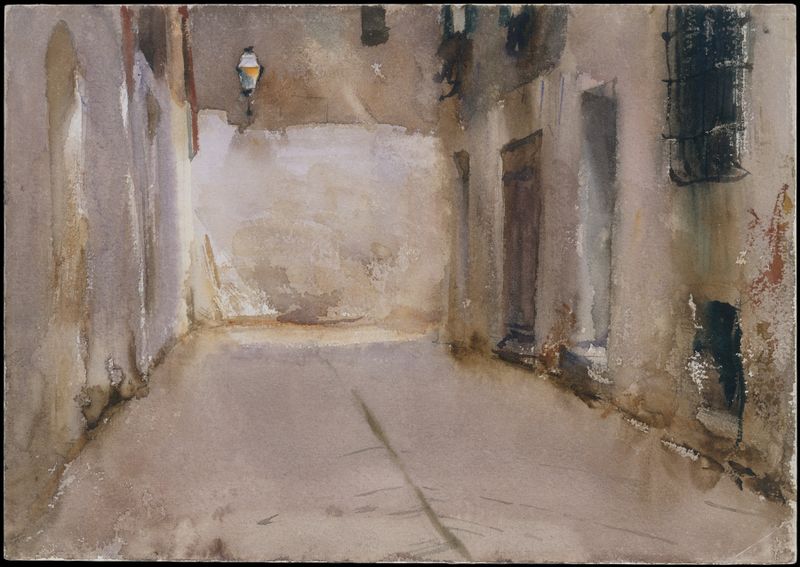
Venice
John Singer Sargent
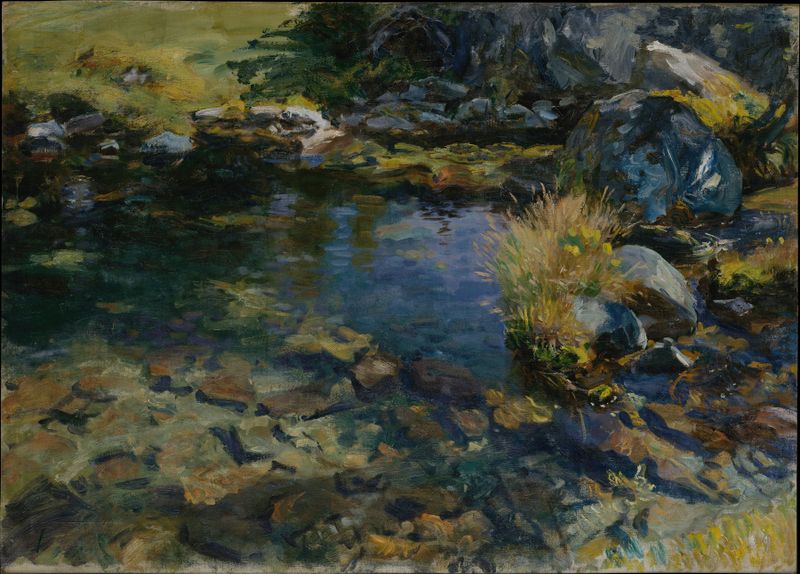
Alpine Pool
John Singer Sargent
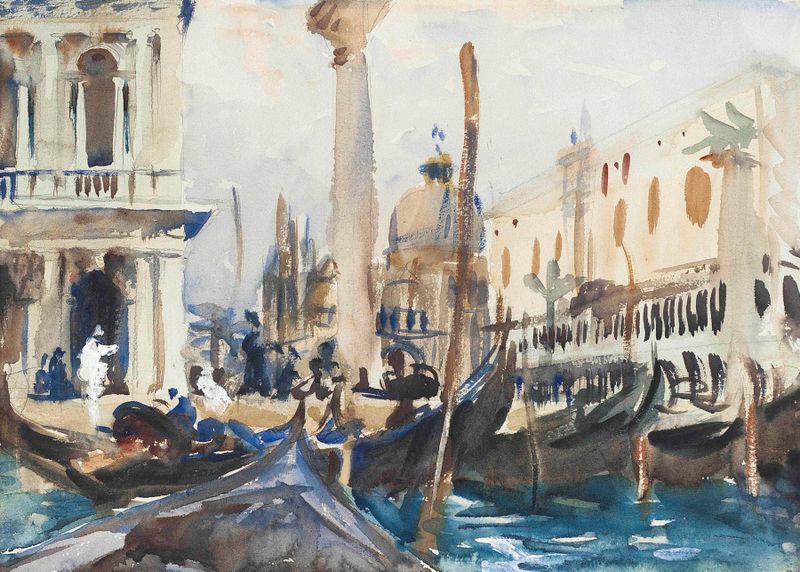
The Piazzetta with Gondolas
John Singer Sargent
The Façade of La Salute, Venice
John Singer Sargent





