Riva — History & Facts
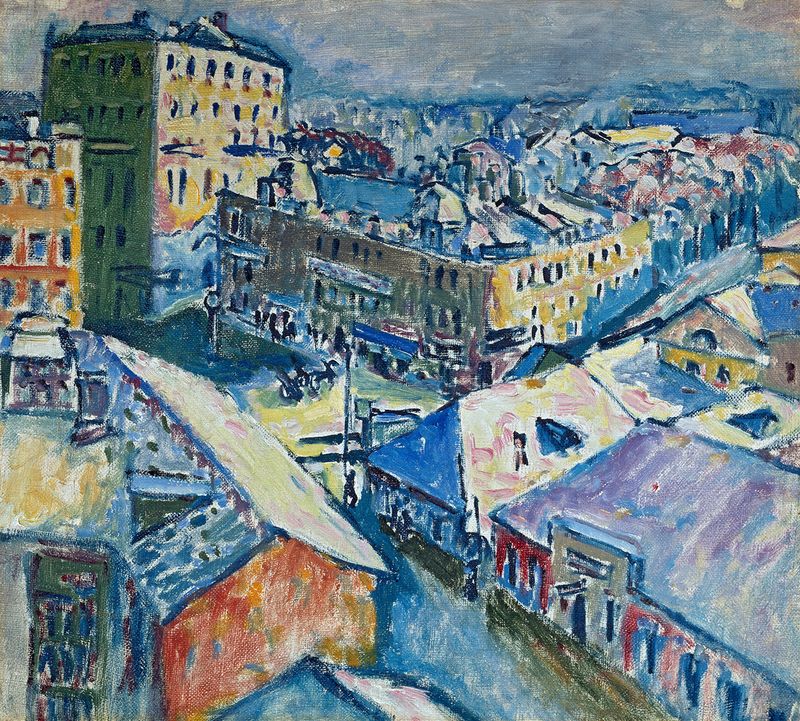
In artistic realms, faith often emerges quietly, woven into the fabric of expression. This concept resonates deeply within the canvas, inviting contemplation of the unseen and the profound. Look to the left side of the composition, where vibrant hues burst forth, creating an ethereal landscape that teeters between reality and abstraction. The swirling brushstrokes evoke a sense of movement, while the soft pastel palette speaks to a tranquil yet charged atmosphere.
Notice how the light dances across the surface, illuminating certain areas while casting others into shadow, suggesting the interplay between hope and uncertainty. As you gaze deeper, subtle contrasts come to light. The warm tones symbolize the warmth of faith, while cooler shades reflect doubt and introspection. There's an underlying tension, a balance between chaos and serenity.
Each stroke seems to whisper the stories of those who have traversed this emotional landscape, echoing the universal quest for belief and understanding in an often tumultuous world. In 1904, Fritz Lach painted Riva during a period of personal exploration, where he was grappling with his artistic identity and the burgeoning modernist movements in Europe. Nestled between tradition and innovation, he sought to convey deeper truths beyond mere representation, capturing the essence of faith in a rapidly changing landscape of art and society.
More Artworks by Fritz Lach
Browse all →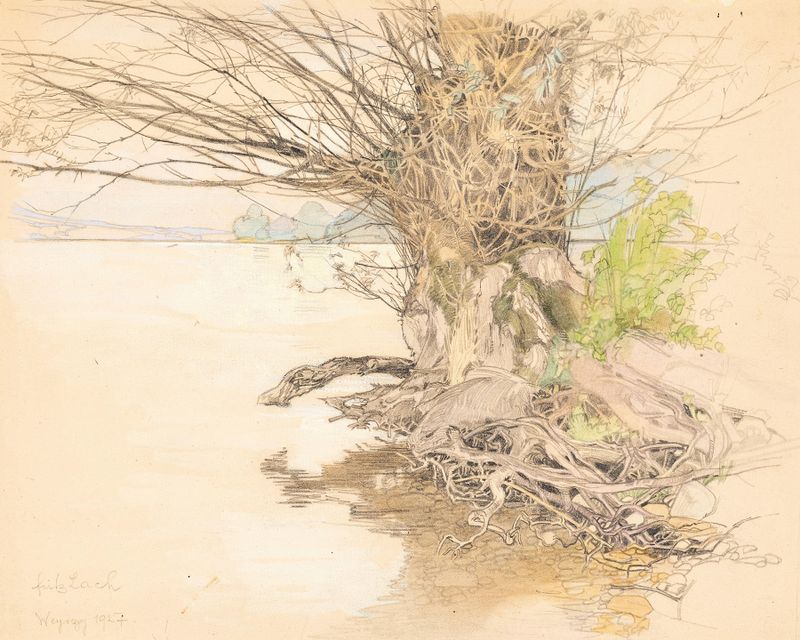
A willow tree at the lake shore
Fritz Lach
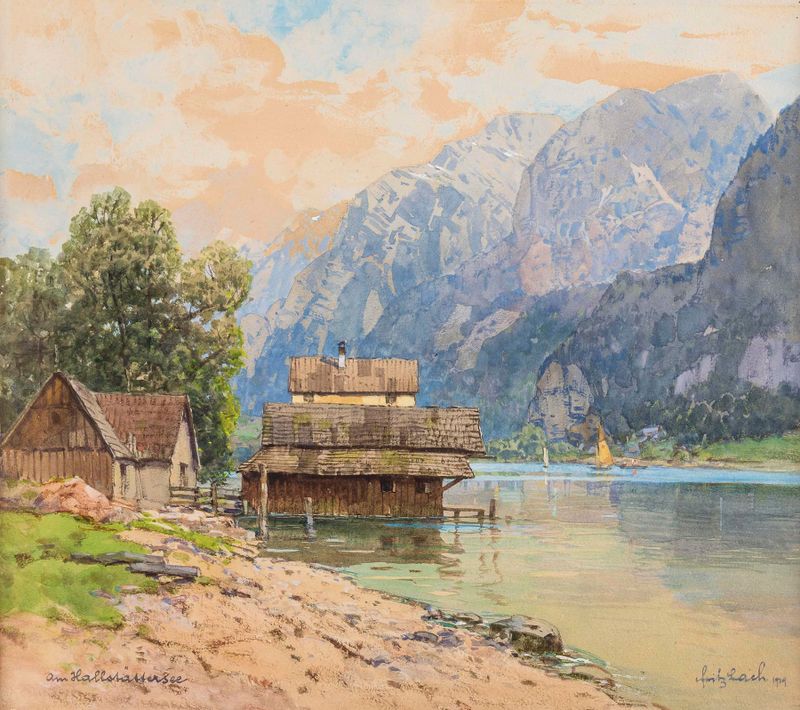
Bootshäuser am Hallstätter See
Fritz Lach
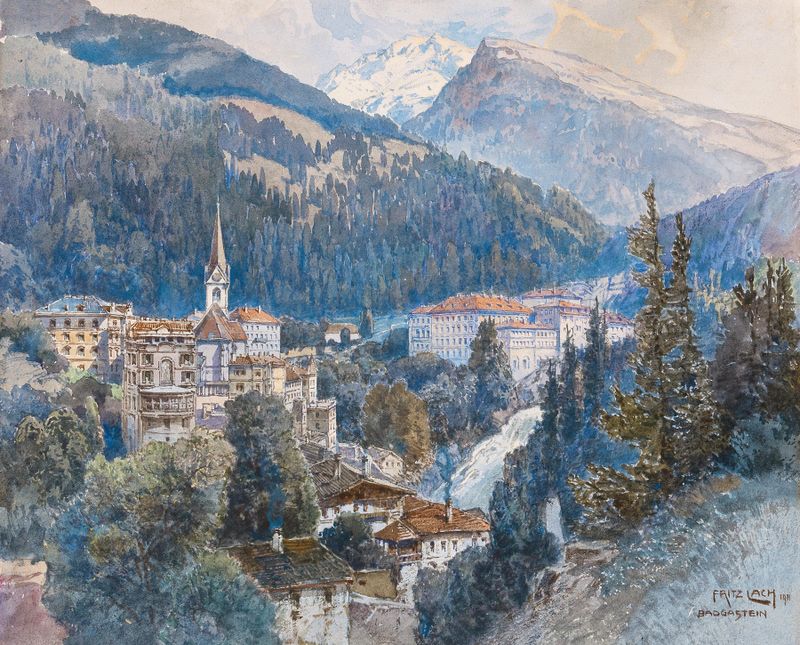
A view of Bad Gastein and the waterfall
Fritz Lach
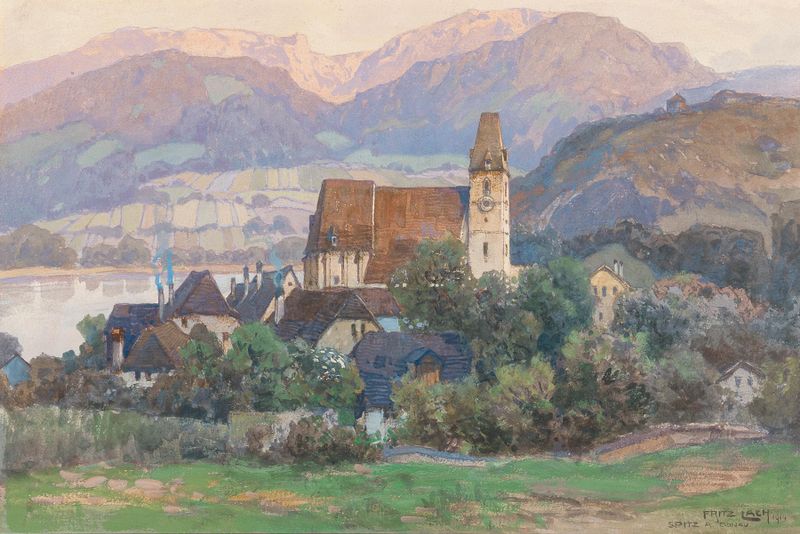
A view of Spitz in the Wachau valley
Fritz Lach
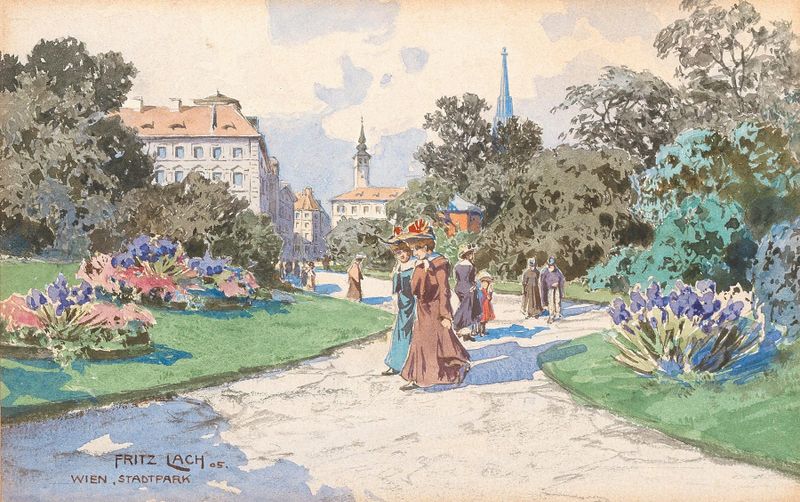
A walk in Vienna’s Stadtpark
Fritz Lach
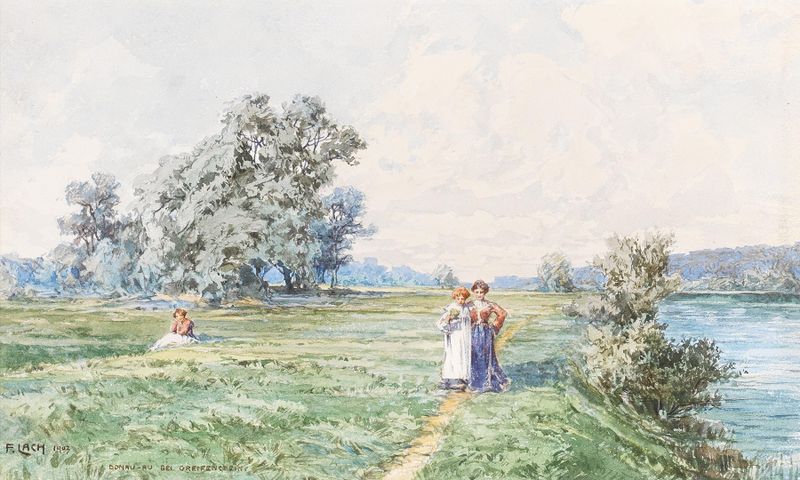
At the Danube near Greifenstein
Fritz Lach
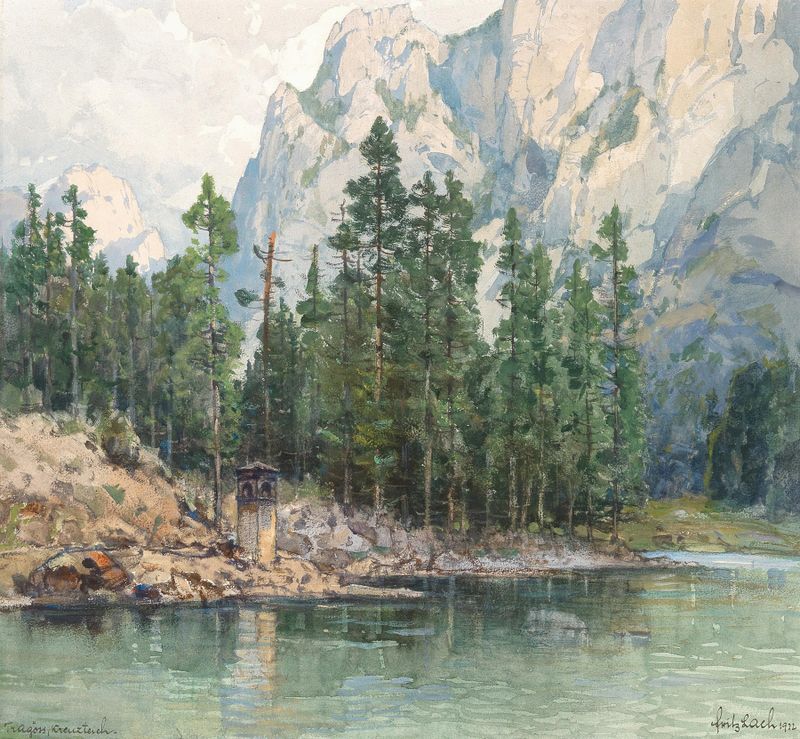
Kreuzteich near Tragöss
Fritz Lach
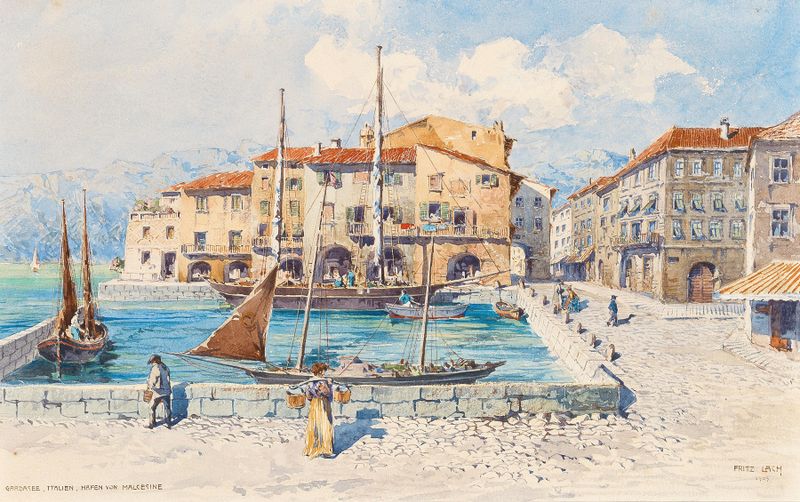
Malcesine near Gardasee
Fritz Lach
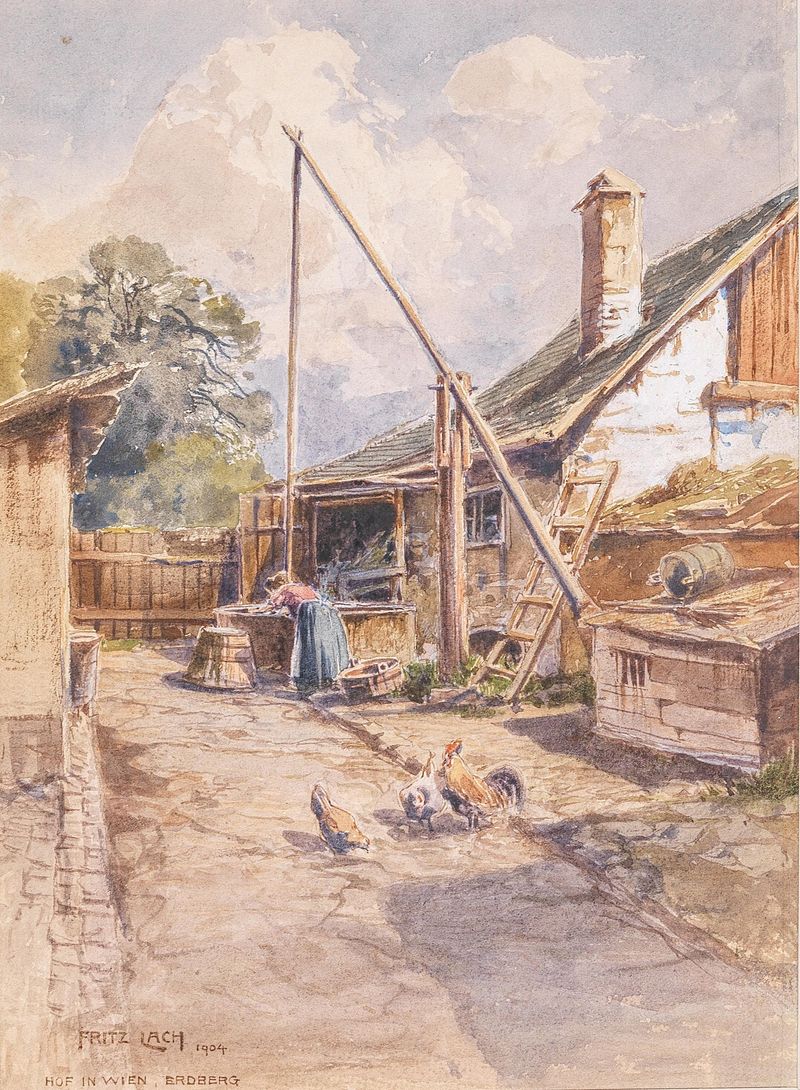
Hof in Wien Erdberg
Fritz Lach
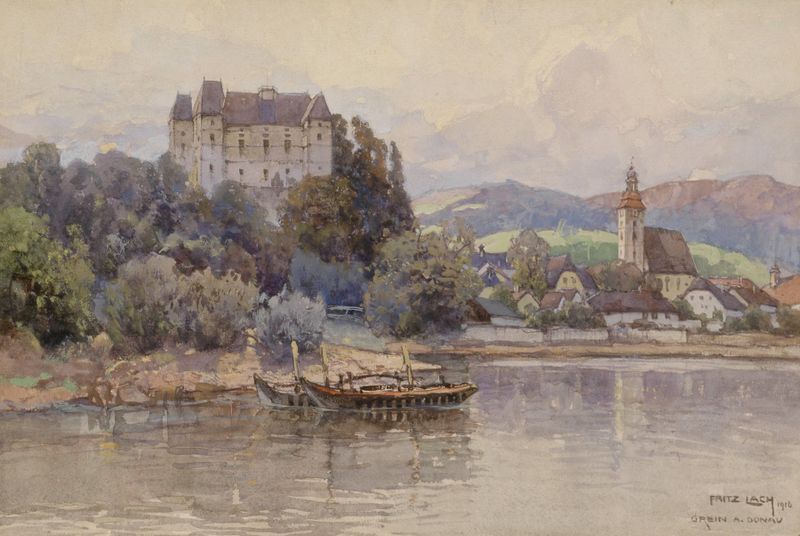
Blick auf Grein an der Donau
Fritz Lach