
River landscape — History & Facts
Can beauty exist without sorrow? In the depths of a tranquil river landscape lies the answer, whispering truths only the discerning eye might uncover. Look to the foreground, where the gentle curve of the river unfolds like a silver ribbon, reflecting the soft hues of the sky above. The artist's brushstrokes create a delicate interplay between light and shadow, with dappled sunlight filtering through trees on the banks. Notice the vibrant greens of the foliage, juxtaposed against the calm blues of the water, each color reflecting a serene yet complex emotional landscape.
The composition draws the viewer in, inviting contemplation and reverie. Yet, beneath this serene facade, there is an undercurrent of tension. The silent water seems to cradle secrets, while the darkened clouds lingering in the distance suggest a storm or change on the horizon. There is an inherent contrast between the peacefulness of the river and the foreboding presence of those clouds, symbolizing the duality of nature and human experience — beauty intertwined with the potential for sorrow.
These small details reveal a deeper narrative: the transient nature of beauty and the inevitability of change. In 1895, Ferdynand Ruszczyc was immersing himself in the lush landscapes of Poland, drawing inspiration from the impressionist movements sweeping across Europe. This was a time of personal discovery, as he sought to express his connection to nature while grappling with the evolving conventions of the art world. His River Landscape reflects this pursuit, capturing a moment that holds both tranquility and the weight of unspoken truths.
More Artworks by Ferdynand Ruszczyc
Browse all →
Winter Tale
Ferdynand Ruszczyc

Trees against the sky
Ferdynand Ruszczyc
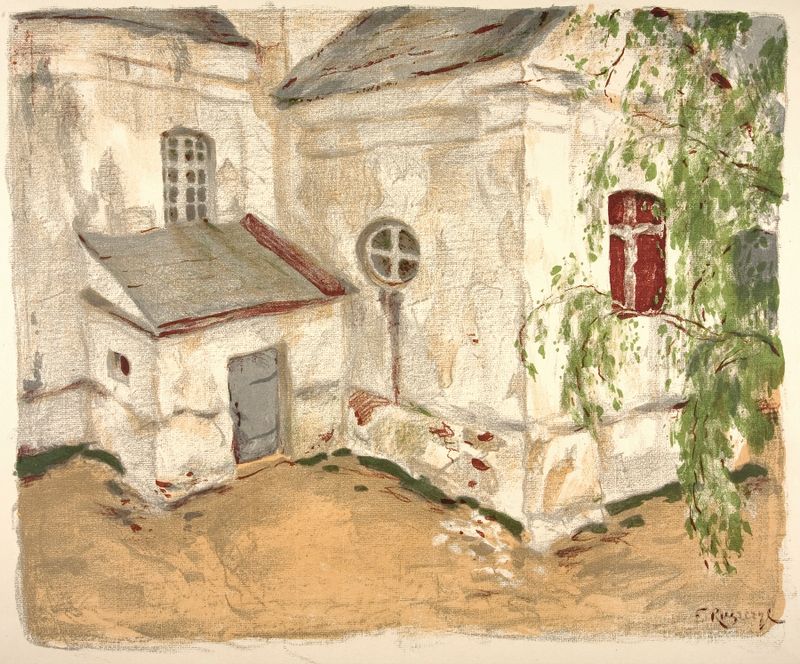
Church in Lithuania
Ferdynand Ruszczyc
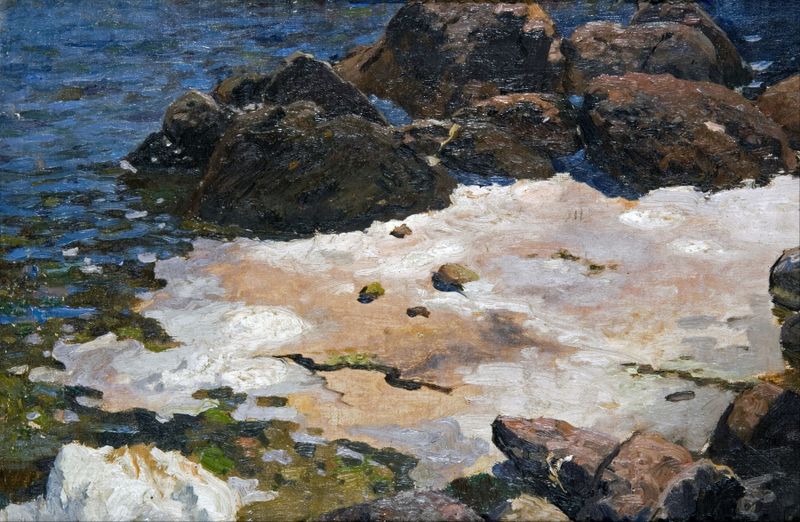
Krym, brzeg morza
Ferdynand Ruszczyc

Forest rivulet
Ferdynand Ruszczyc
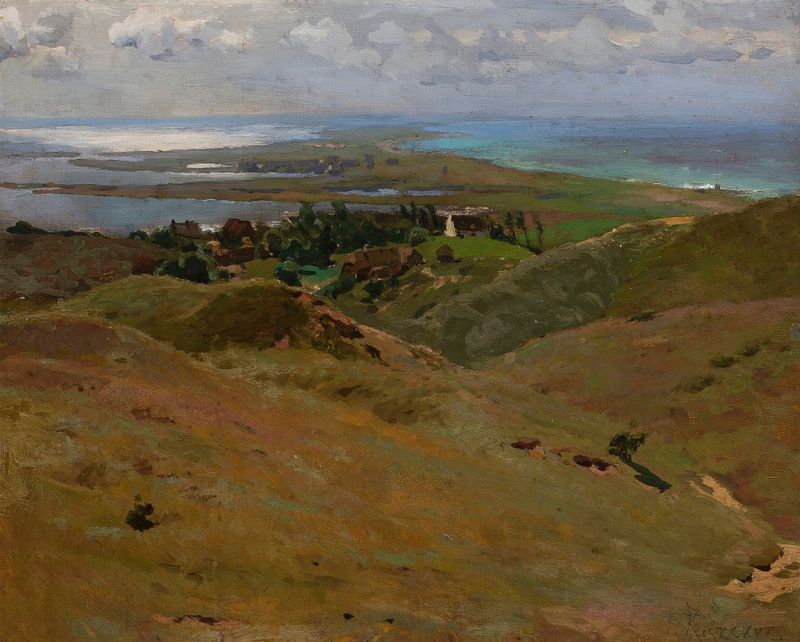
Landscape from Bornholm
Ferdynand Ruszczyc

Mill
Ferdynand Ruszczyc

Landscape – stream
Ferdynand Ruszczyc
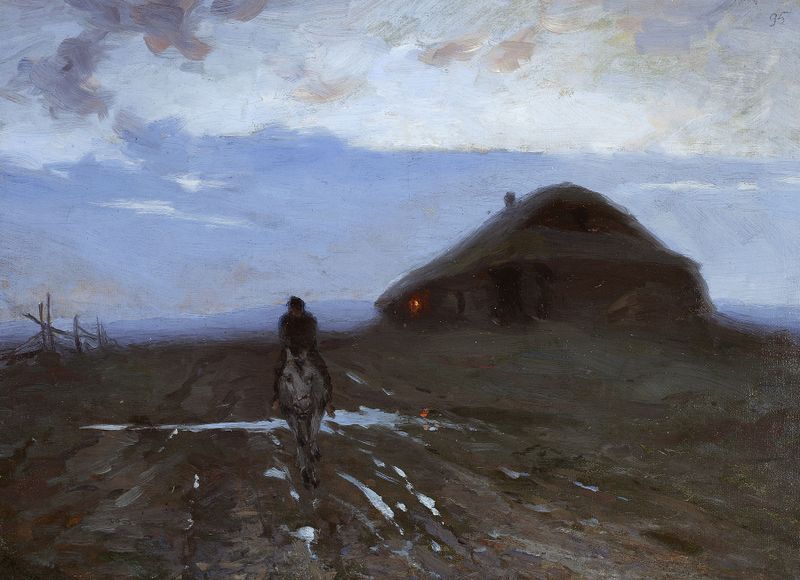
Wayside inn
Ferdynand Ruszczyc

Landscape study in Bohdanów
Ferdynand Ruszczyc





