
River Mouth at Brodick, Arran, Scotland — History & Facts
Each stroke of the brush offers a slice of truth that lingers long after the viewing ends. It is in these moments that the essence of a place and its spirit find their voice, transcending the barriers of time and space. Look towards the horizon, where the soft azure of the sky meets the gentle waters of the river. Notice how the artist captures the delicate interplay of light and shadow, where the sun filters through the clouds, illuminating the lush greenery that hugs the river’s edge.
The painting's composition draws the eye toward the distant hills that rise majestically, their muted tones suggesting both serenity and invitation. The gentle ripples of the water reflect the sky’s colors, creating a harmonious dialogue between the elements. Delve deeper into the contrasting textures: the smoothness of the river's surface juxtaposed with the ruggedness of the rocky shoreline. These contrasts evoke a sense of duality, representing the calm and tumultuous nature of life itself.
Gude expertly weaves a narrative of solitude and quiet reflection, inviting viewers to contemplate their own existence against the backdrop of nature’s majesty. Each element in the piece contributes to a profound exploration of truth, echoing the underlying tensions between humanity and the natural world. In 1877, while stationed in Düsseldorf, the artist painted this idyllic landscape influenced by the Romantic movement, which sought to connect emotional depth with nature's beauty. At this time, Gude was gaining recognition for his ability to portray tranquil scenes imbued with a sense of realism.
The interplay between mood and setting in River Mouth at Brodick, Arran, Scotland is a testament to his evolving style and his desire to connect viewers to the truth embodied in the natural world.
More Artworks by Hans Gude
Browse all →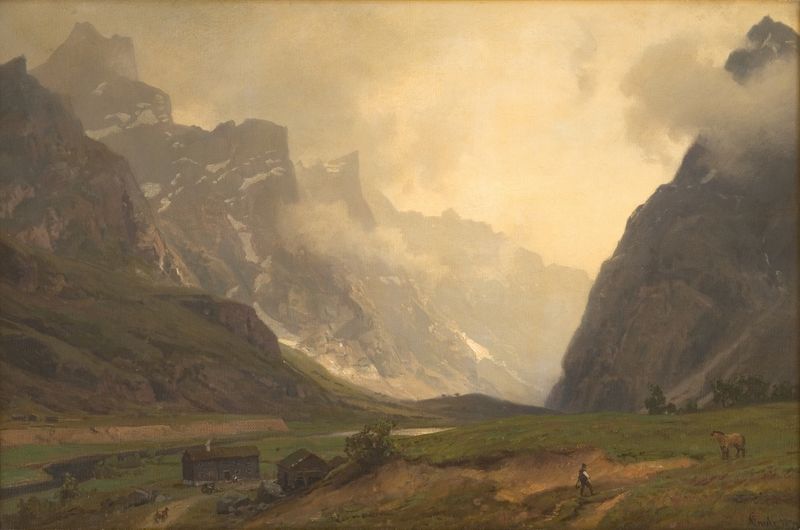
The Troll Peaks in Romsdalen, The Foot of Romsdalshorn to the Right
Hans Gude
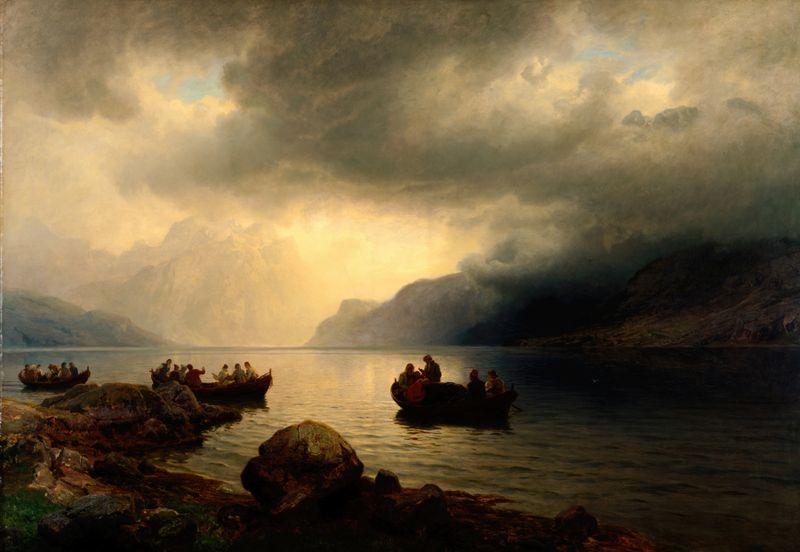
Funeral Procession on the Sogne Fjord
Hans Gude
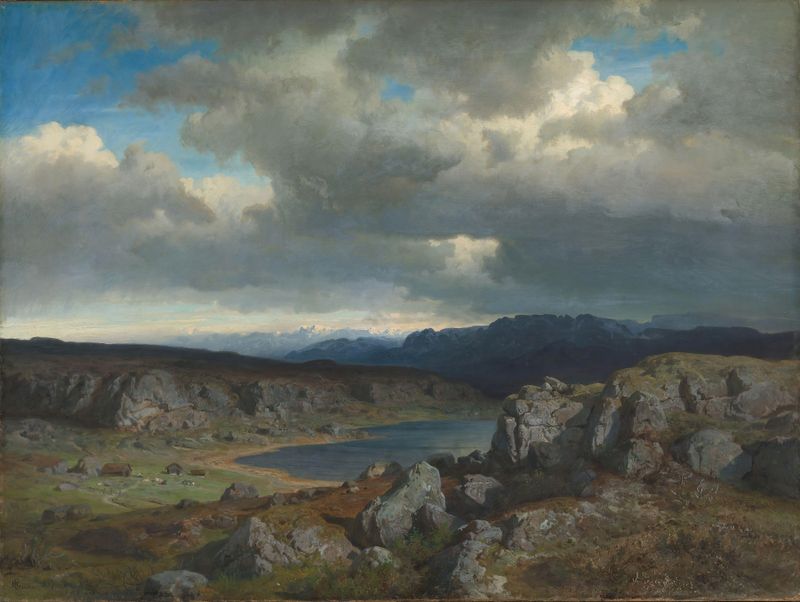
Norwegian Highlands
Hans Gude
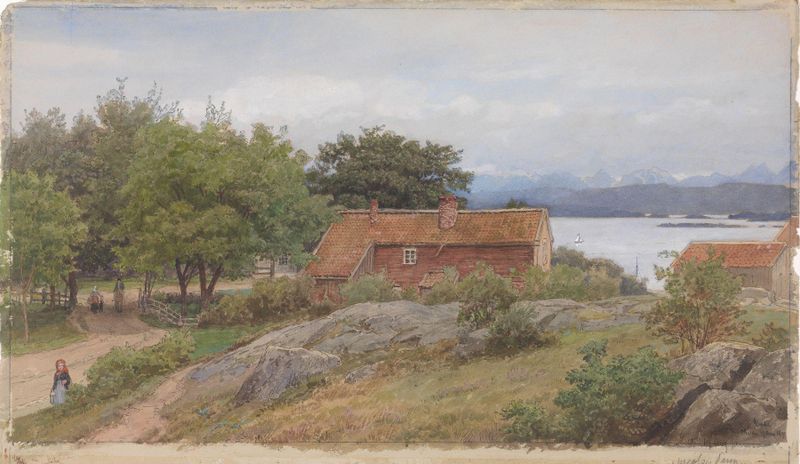
Landskap med bondegård ved Molde
Hans Gude
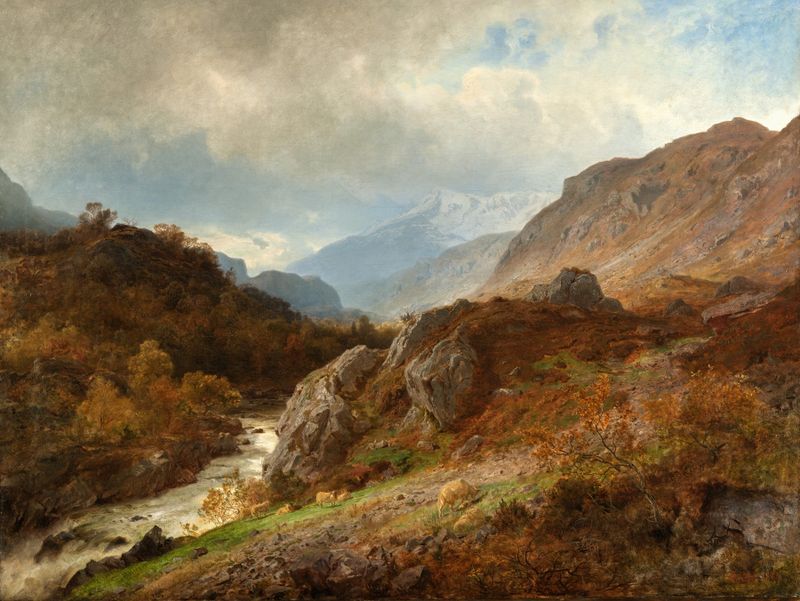
Mountain Landscape
Hans Gude
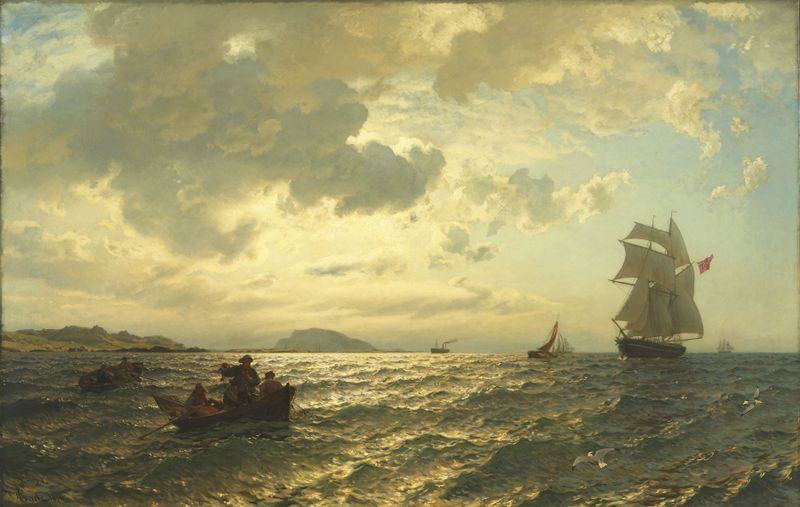
Fresh Breeze on the Norwegian Coast
Hans Gude
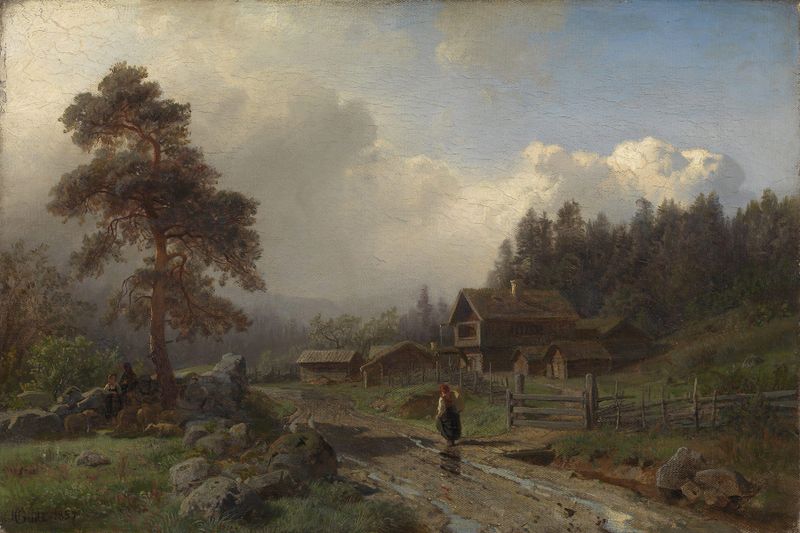
Norwegian Landscape in Rain
Hans Gude
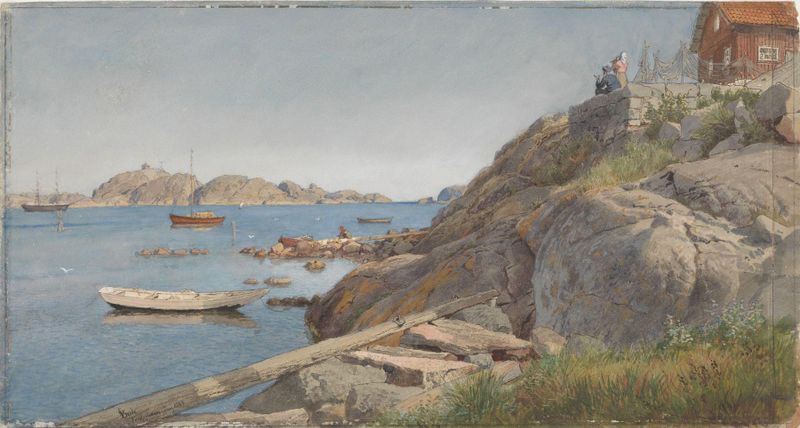
Landscape by Stavern
Hans Gude
Norwegian Highlands in Sunrise
Hans Gude
A Scene at Dusk in Norway
Hans Gude





