
Riviergezicht — History & Facts
In the delicate interplay of light and water, Riviergezicht invites us to explore the hidden obsessions of nature and the human spirit alike. Here, we are drawn into a tranquil yet profound moment, where the world pauses just long enough for reflection and introspection. Look closely at the subtle hues that wash over the canvas, particularly the soft gradients of blue and green that blend seamlessly into one another. As you direct your gaze toward the riverbank, notice how the dappled sunlight filters through the foliage, casting intricate shadows that guide your eye across the water’s surface.
The brushwork creates a sense of movement, suggesting the gentle lapping of waves while evoking a serene stillness that envelops the viewer. Digging deeper, we can sense the emotional weight tucked within the piece. The river, a symbol of both continuity and change, mirrors the artist's own pursuit of mastery and the fleeting moments of beauty in life. In contrast, the surrounding landscape hints at human intervention — the delicate balance of nature under the pressure of obsession, perhaps reflecting the artist's own struggles with the creative process.
This duality invites us to ponder the relationship between humanity and the natural world. Created during a time when romanticism was at its peak, the artist crafted Riviergezicht in the early 19th century. He was deeply engaged in capturing the essence of the Dutch landscape, which often expressed his longing for deeper connection with nature. At this point in his career, Schotel was exploring the nuances of color and light, seeking to transcend mere representation and delve into the emotional undercurrents that define our existence.
More Artworks by Petrus Johannes Schotel
Browse all →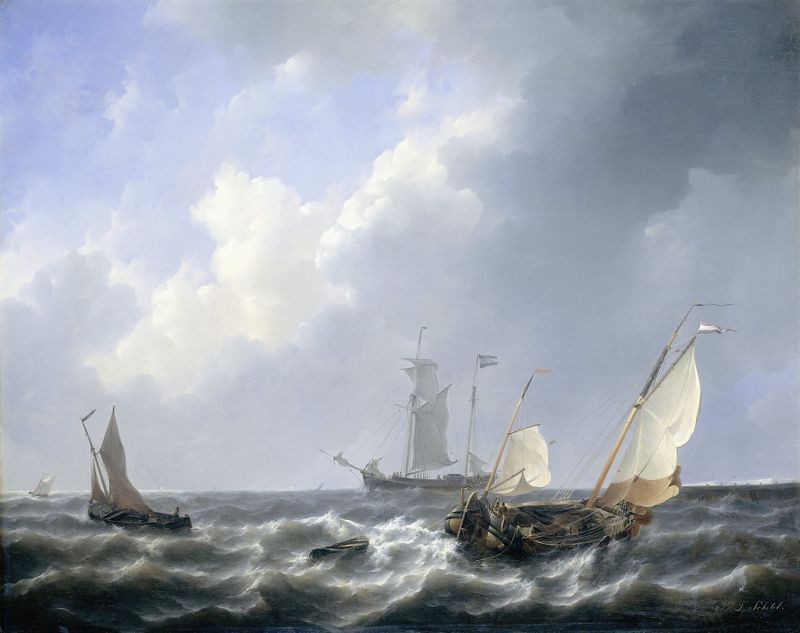
Seascape from the Zeeland Waters, near the Island of Schouwen
Petrus Johannes Schotel
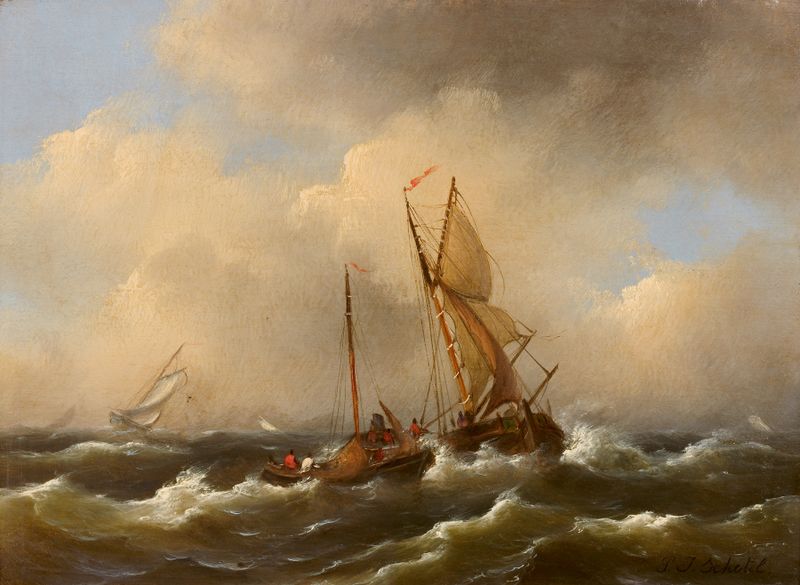
Zeilschepen op woelige zee
Petrus Johannes Schotel
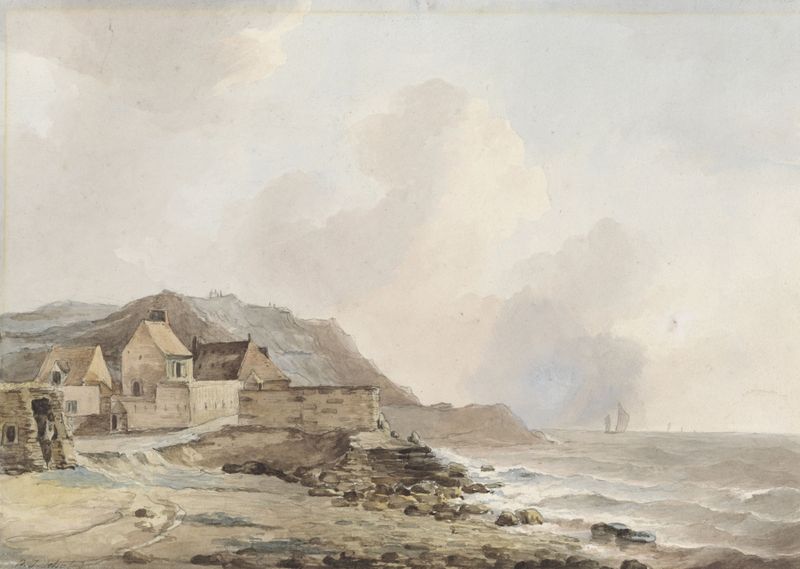
Gezicht op de kust bij Boulogne sur Mer
Petrus Johannes Schotel
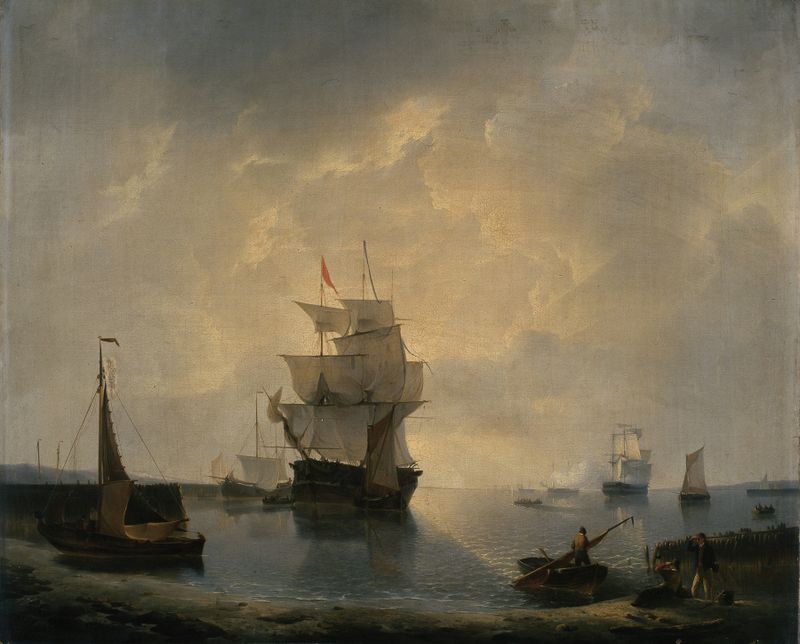
Sailing Ships in the Harbour
Petrus Johannes Schotel
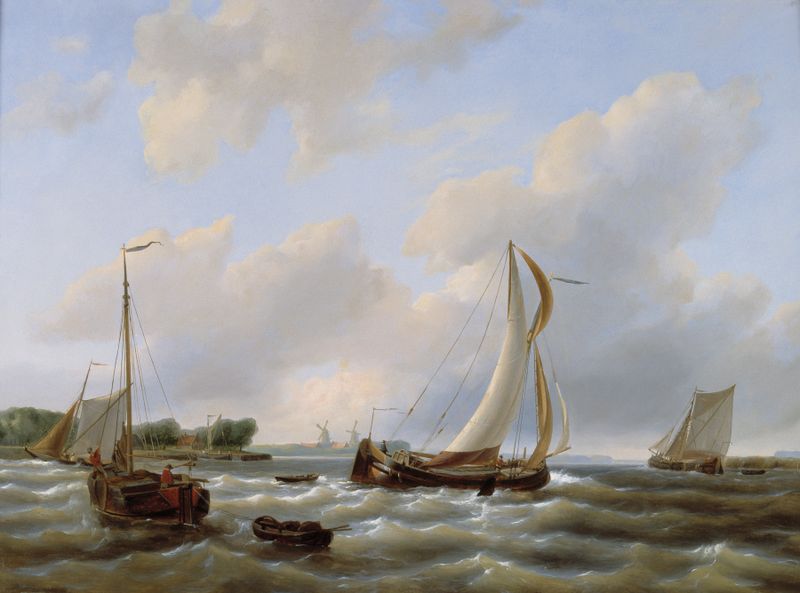
Vissersvaartuigen en binnenschepen op het Hellegat in de Oosterschelde
Petrus Johannes Schotel

Rotskust te Boulogne sur Mer
Petrus Johannes Schotel
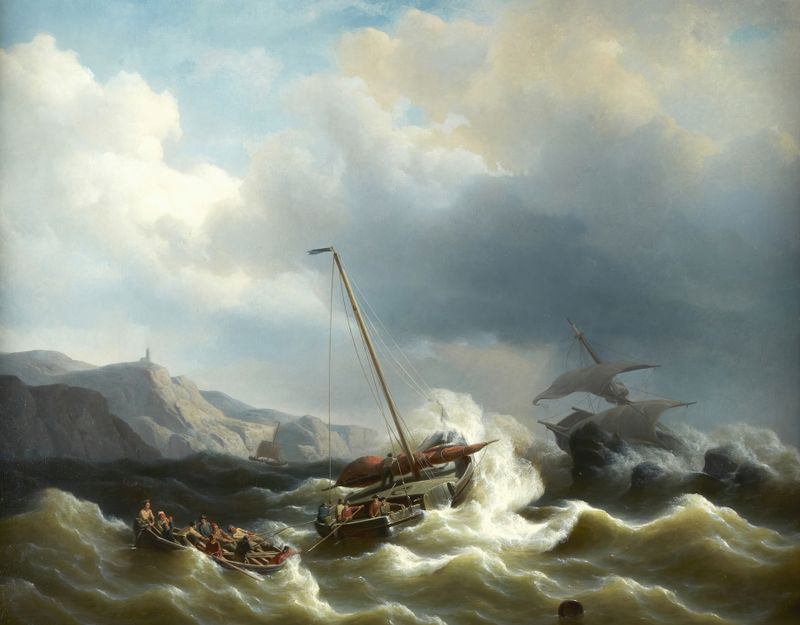
The Rescue Party
Petrus Johannes Schotel
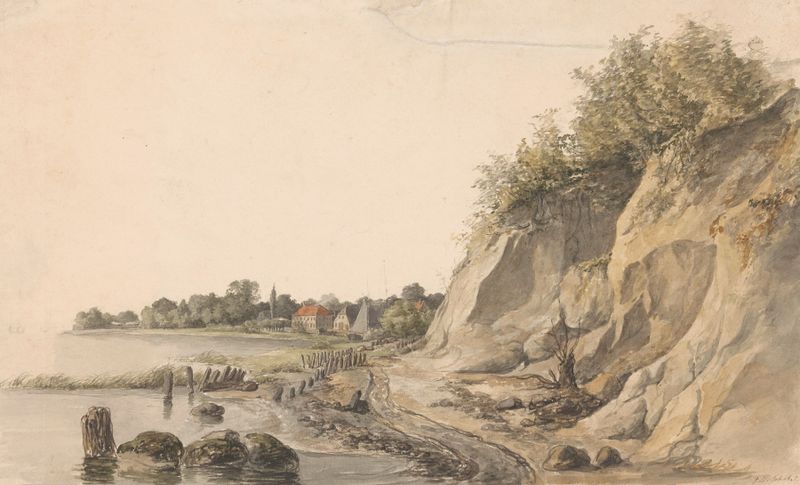
Rotsachtige rivieroever, met op de achtergrond enkele huizen
Petrus Johannes Schotel





