
Rivierlandschap — History & Facts
Could a single brushstroke hold eternity? In the hands of one master, the landscape transforms into a realm where the passage of time and the whispers of revolution converge. Look to the foreground at the gently rippling waters, where Van Goyen's delicate brushwork captures the shimmering reflections of boats gliding peacefully. Notice how the horizon stretches out, painted in soft hues of ochre and green, inviting the viewer’s eye to wander across the undulating fields and distant hills. The composition, with its subtle gradients and muted tones, creates a sense of tranquility, while the occasional disruption of a sail or a figure hints at the life and labor present within this serene panorama. Yet beneath the surface of this idyllic scene lies an emotional tension.
The calm waters, while picturesque, also symbolize the stagnation that revolution seeks to disrupt. The gentle skies and idyllic vistas stand in contrast to the unrest brewing in the world beyond the canvas. It is this juxtaposition of stillness and potential chaos that whispers of change, urging viewers to reflect on the underlying currents that shape society. During a time when the Dutch Republic was flourishing in the arts and trade, the artist captured this landscape in the early 17th century.
As he painted, the world around him was a tapestry of economic growth and political upheaval, influencing his perspective on nature and humanity. Jan van Goyen's work, including Rivierlandschap, reflects not only the beauty of the Dutch countryside but also the complexities of an era ripe for transformation.
More Artworks by Jan van Goyen
Browse all →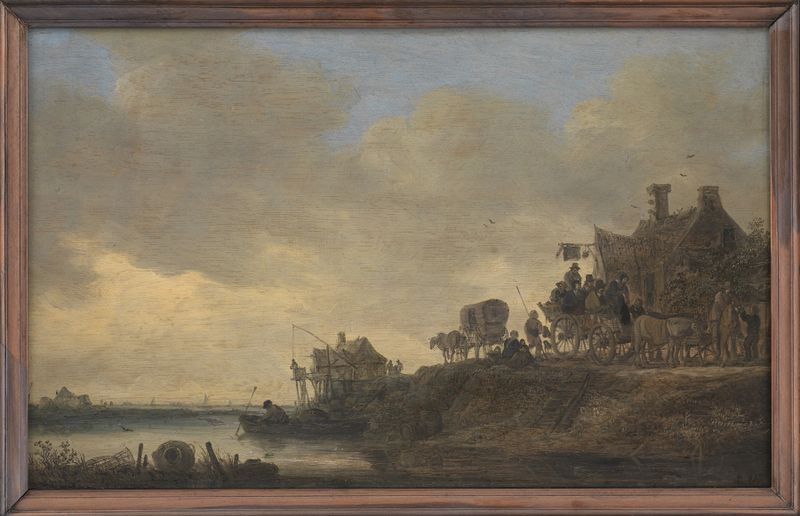
River Scene with the ‘Swan’ Tavern
Jan van Goyen

The Valkhof in Nijmegen
Jan van Goyen
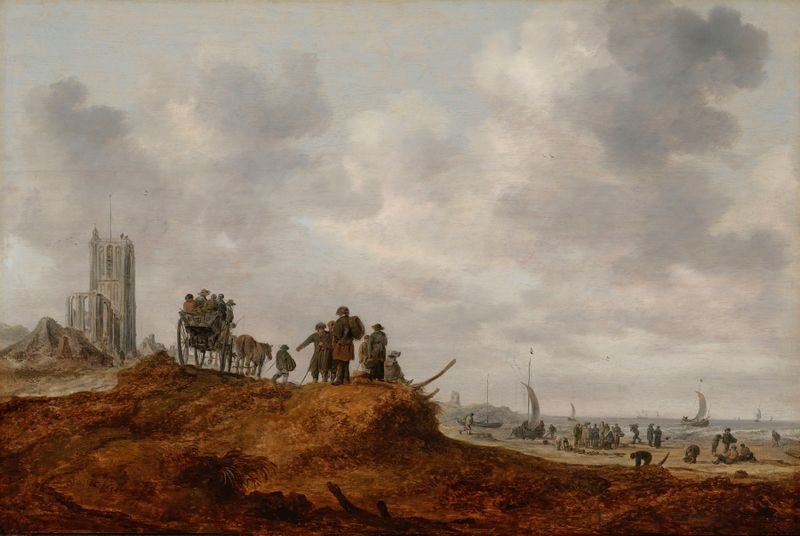
The Old Church at Egmond aan Zee
Jan van Goyen
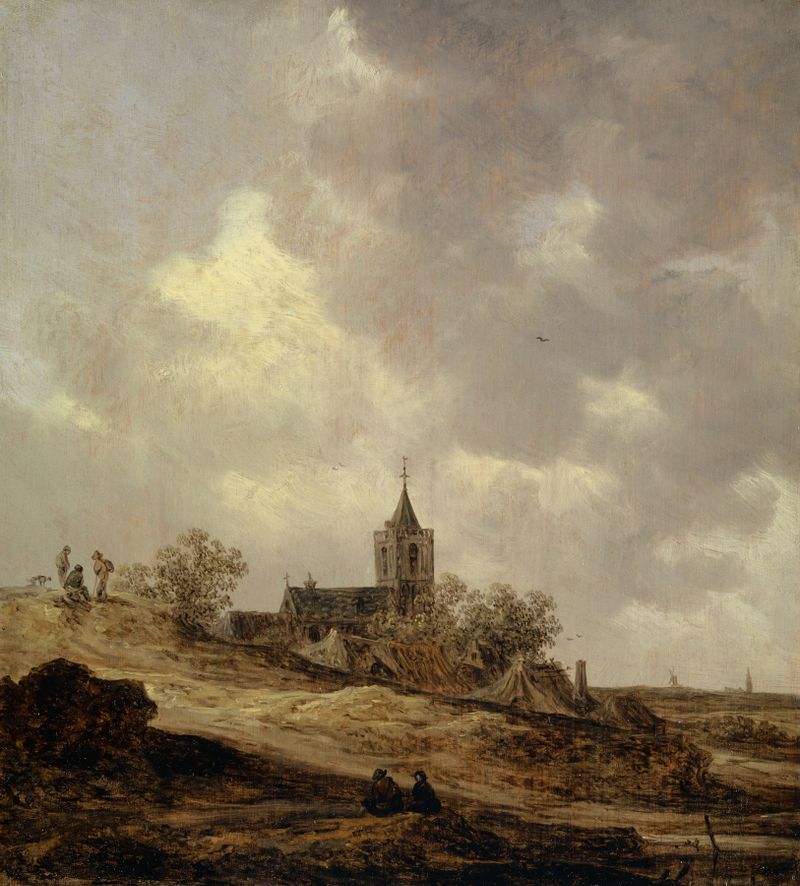
Village Church seen from the Dunes
Jan van Goyen
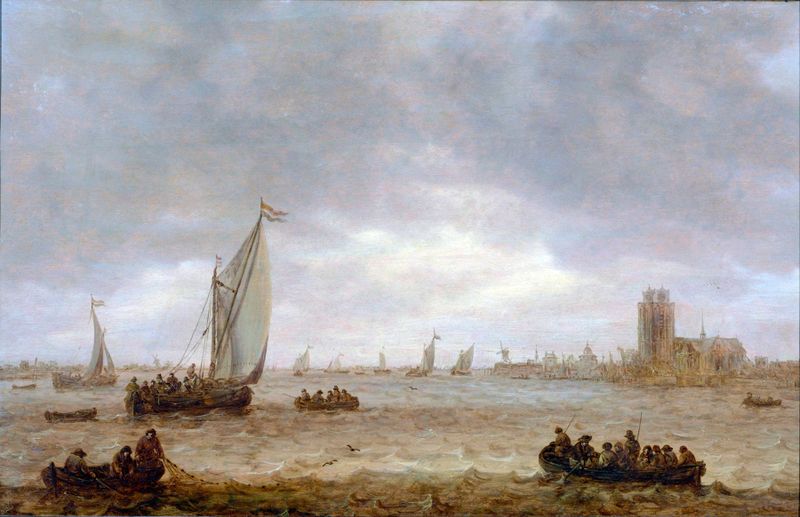
Mouth of the Meuse
Jan van Goyen

River Landscape with the Pellecussen Gate near Utrecht
Jan van Goyen
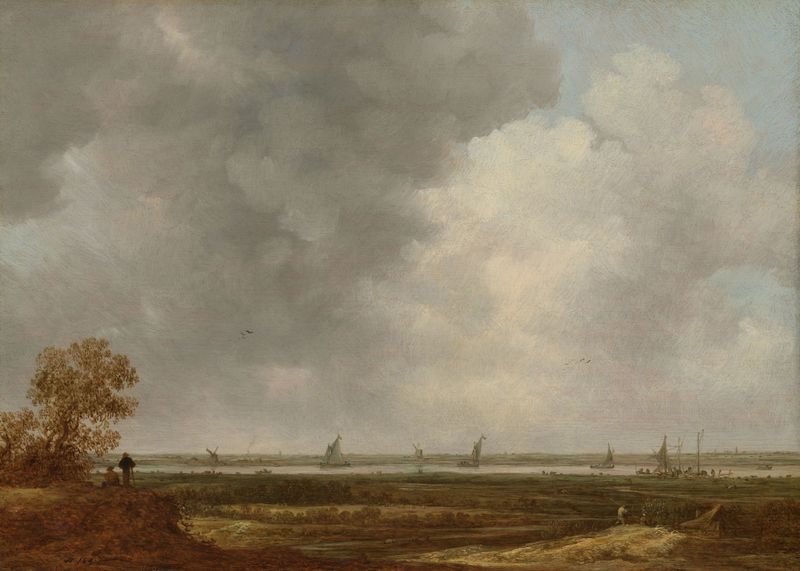
Panoramic View of a River with Low-lying Meadows
Jan van Goyen
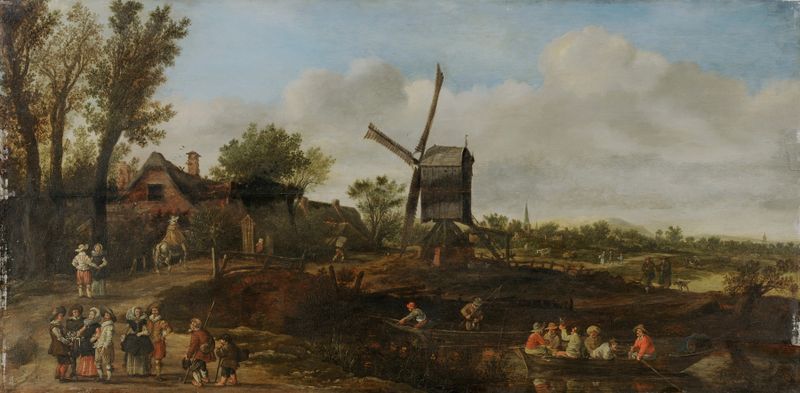
Dutch Landscape
Jan van Goyen
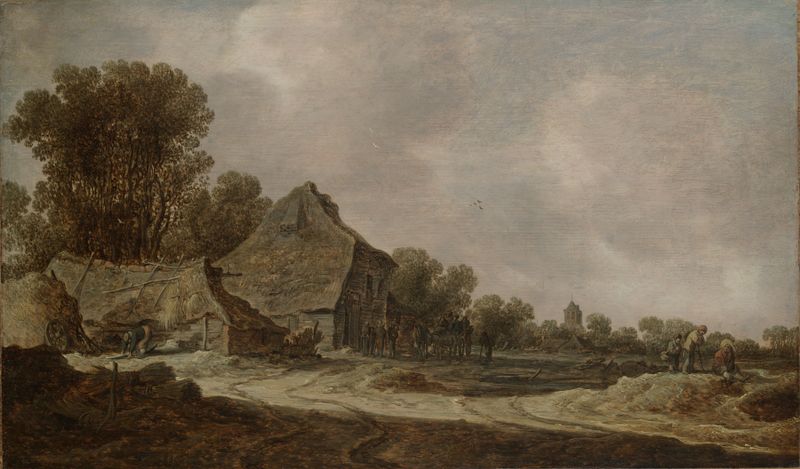
A Sandy Road with Thatched Cottages
Jan van Goyen
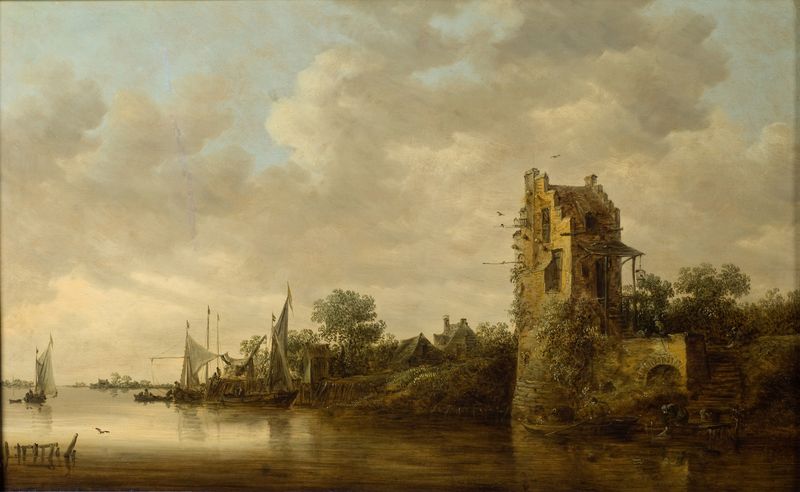
Riverside with an Old Tower
Jan van Goyen





