Rivierlandschap — History & Facts
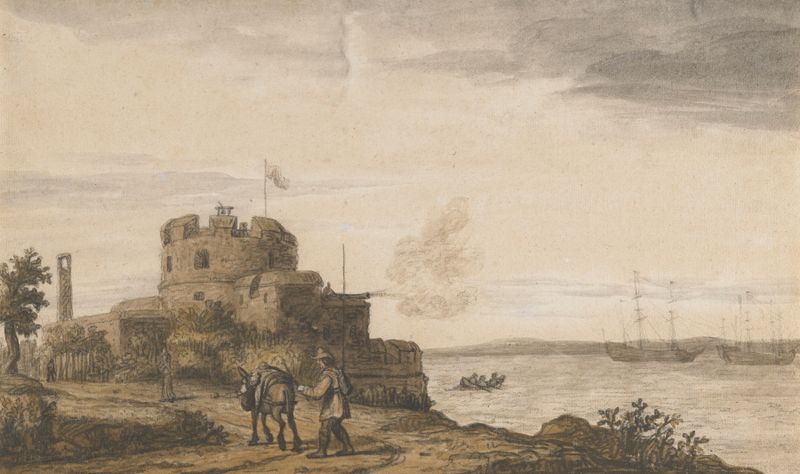
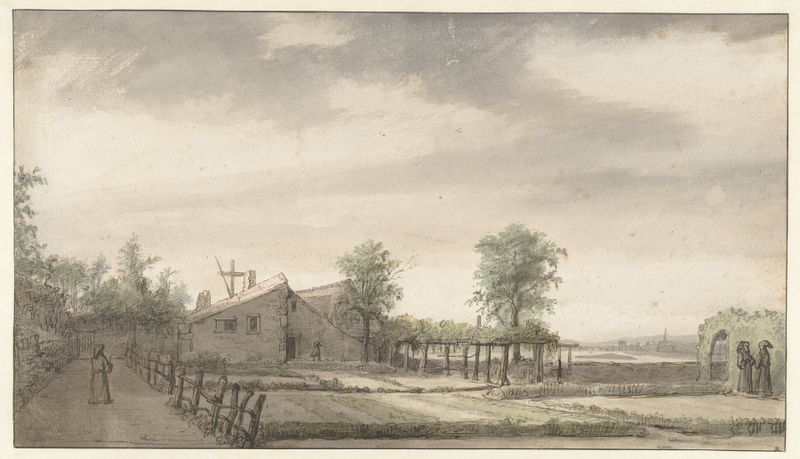
Who listens when art speaks of silence? In the stillness of Rivierlandschap, the landscape captures the delicate tension between tranquility and the madness lurking beneath its serene surface. Look to the left at the gentle curve of the river, its surface shimmering under the soft touch of fading sunlight. Notice how the muted earth tones blend harmoniously, evoking a sense of calm, yet the jagged outlines of trees on the horizon cast a shadow of unease. The composition expertly leads the eye across the water's reflective surface, creating a fluid movement that contrasts with the stillness of the surrounding vegetation.
The play of light and shadow not only highlights the natural beauty but also hints at an underlying chaos tethered to the edges of perception. Within the lush greenery and placid waters lies a duality; the peace of nature juxtaposed with the tumultuous emotions that can arise in solitude. The winding river seems to whisper secrets of the mind, suggesting that beneath the serene exterior, there is a tumultuous current of thoughts — a madness yearning for expression. Each detail, from the distant hills to the intricate foliage, carries a weight that speaks to the complexity of human emotion, inviting the viewer to ponder what lies beyond the surface. Lambert Doomer created Rivierlandschap during a period of Dutch art that thrived on depicting landscapes with an intimate gaze.
Active between 1634 and 1700, the artist was influenced by the rich tradition of Dutch realism. This work reflects a time when artists began to explore deeper emotional landscapes in their compositions, moving beyond mere representations of nature towards a more profound engagement with the viewer's psyche.