St. Janspoort te Arnhem — History & Facts
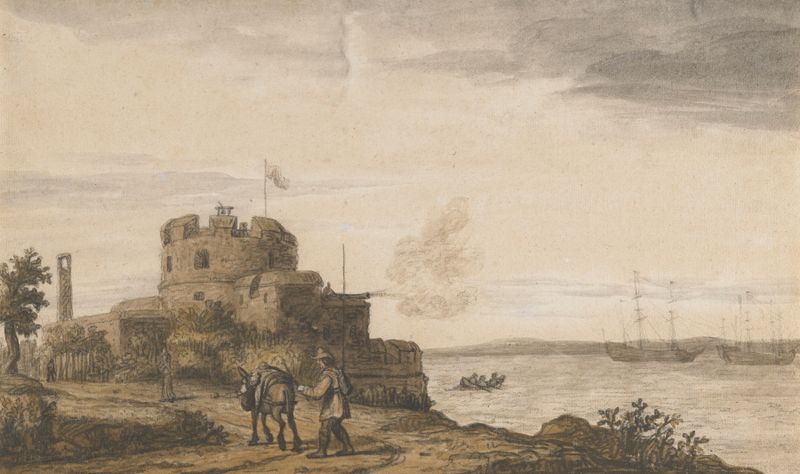
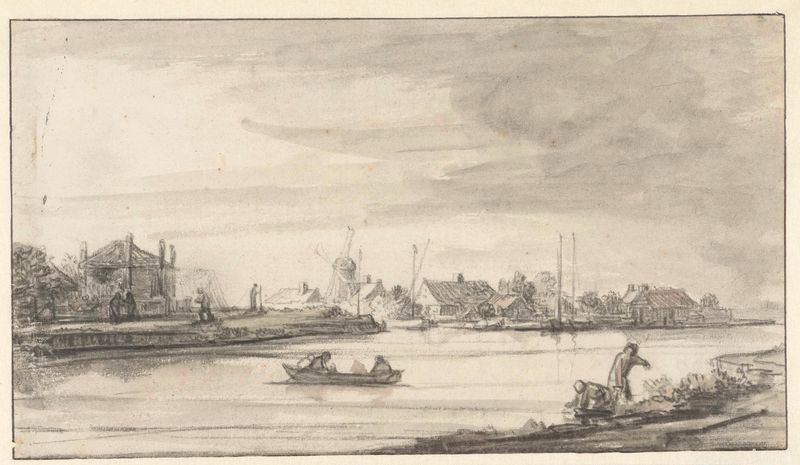
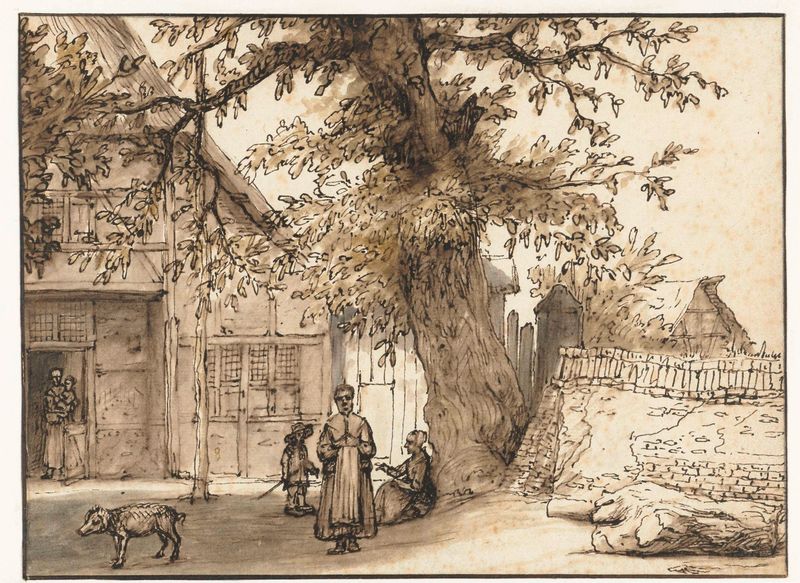
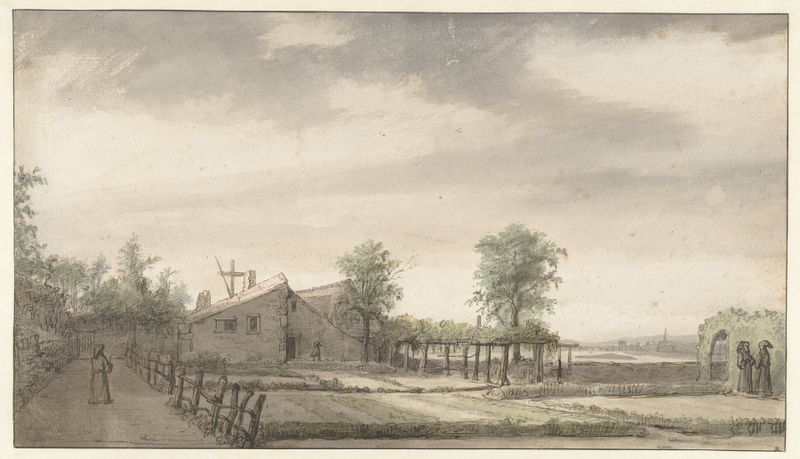
In the stillness of a forsaken landscape, the viewer is drawn into a world brimming with unspoken fears and hidden realities, where every hue reverberates with unexpressed dread. To fully appreciate this artwork, look to the left at the imposing gateway that stands sentinel over the scene. The structure, with its somber earthy tones, looms large, casting a shadow that seems to envelop the surrounding landscape. Notice how the delicate brushwork captures the interplay of light filtering through the clouds, imbuing the scene with an ethereal quality.
The muted colors evoke a sense of melancholy, while the careful detailing of the flora and fauna urges you to explore further, suggesting life amidst the stillness. Delve deeper into the composition and you’ll find emotional contrasts that resonate with the viewer. The stark difference between the vibrant greens of the foreground and the muted grays of the background hints at an internal struggle—perhaps the tension between hope and despair. Furthermore, the empty pathway leading towards the gate raises questions about journey and destination, evoking a sense of apprehension that lingers in the air.
Each element serves to reflect the complexities of human emotion, where fear subtly intertwines with the beauty of nature. Lambert Doomer painted this piece during a time of personal and artistic transition in the late 1630s through to the early 1700s. Living in the Netherlands, he was influenced by the shifting currents of the Dutch Golden Age, a period marked by innovation and exploration in art. His work captures not only the physical landscape of Arnhem but also an introspective commentary on the human experience, inviting viewers to grapple with their own fears against the backdrop of a changing world.