
Rochers en forêt — History & Facts
This reflection encapsulates the delicate dance of nature captured in the brushstrokes of a masterful artist. What if the essence of movement lay not in the hustle of action, but in the quiet grace of stillness? Look to the center of the canvas, where the interplay of light and shadow carves the form of rugged rocks, draped in verdant foliage. Brascassat’s palette pulses with greens and browns, each color whispering secrets of the forest floor while the gentle sunlight filters through the trees above.
Notice how the textures evoke the very breath of the earth — the roughness of the rocks contrasts with the caress of leaves, inviting the viewer to feel the tactile essence of the wilderness. Within this serene landscape lies a tension between permanence and transience. The steadfastness of the rocks speaks to the passage of time, while the vibrant greenery surrounding them suggests life in constant flux. Small movements captured — a fluttering leaf or the rustle of underbrush — evoke a sense of anticipation, inviting contemplation of the unseen life that thrives in this secluded haven.
This interplay of stillness and subtle activity draws the viewer deeper into nature’s embrace. In 1828, Brascassat painted this work during a time when Romanticism was flourishing in France, a movement that emphasized the beauty of nature and the emotional experience it evokes. Working near Paris, he was influenced by the artistic trends of his time, striving to express both the tranquility and dynamism of the natural world. His focus on the forest’s raw beauty speaks to a growing appreciation for landscapes that resonate with personal reflection and emotional depth.
More Artworks by Jacques-Raymond Brascassat
Browse all →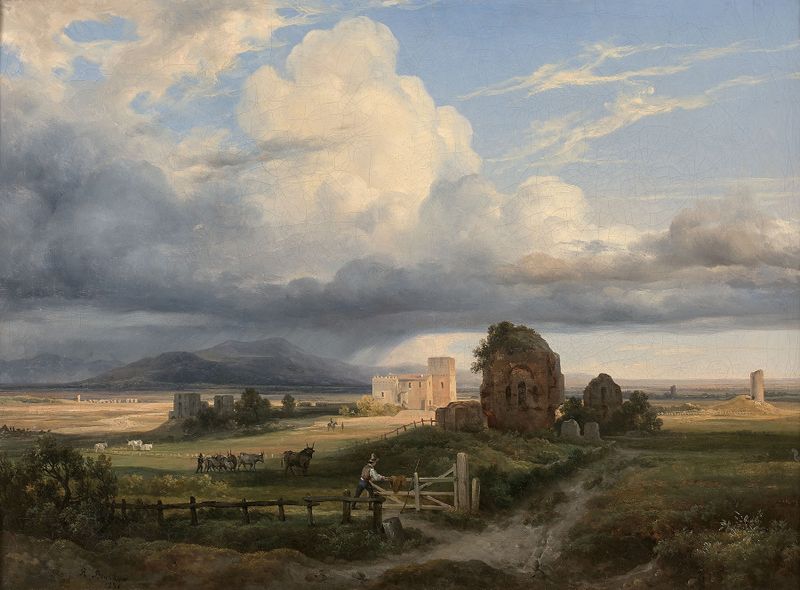
Vacher et son troupeau dans la campagne romaine, dans les environs de la via Appia
Jacques-Raymond Brascassat

Puits
Jacques-Raymond Brascassat

Paysage d’Italie
Jacques-Raymond Brascassat

Tour en bordure de mer
Jacques-Raymond Brascassat

Le Monastère
Jacques-Raymond Brascassat

Cascade et rochers
Jacques-Raymond Brascassat

Le Vieux chêne
Jacques-Raymond Brascassat

View of Bordeaux
Jacques-Raymond Brascassat
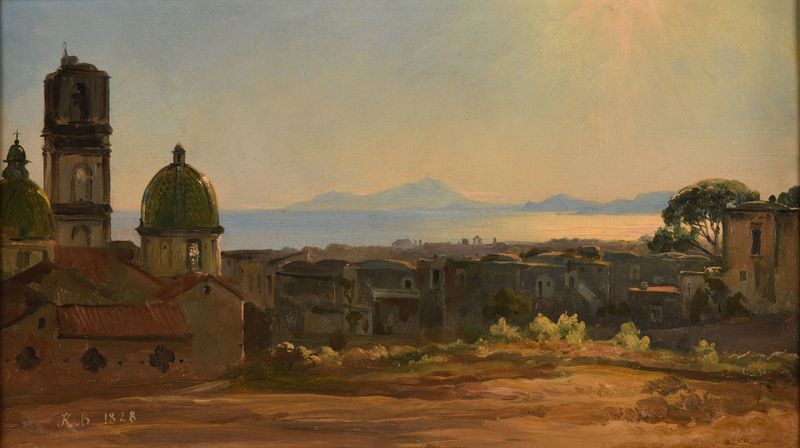
Vue de ville d’Italie
Jacques-Raymond Brascassat
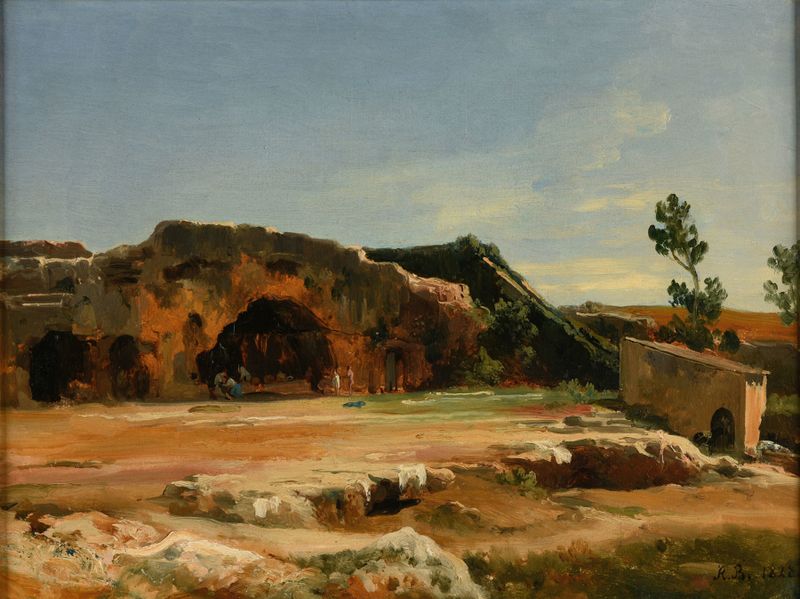
Grotte du Nymphée (Syracuse)
Jacques-Raymond Brascassat





