
Rock of Lisbon — History & Facts
In the realm of the unspoken, mortality dances on the edge of existence, whispering truths that linger in the shadows of life and death. Focus on the foreground, where rugged cliffs rise sharply against a tumultuous sea, rendered in nuanced shades of blue and green. The contrast between the solidity of the rocks and the fluidity of the water invites contemplation. Look closely at the textures; the artist's brushstrokes convey both the timeless endurance of nature and the ephemeral nature of the human experience, creating a dialogue between permanence and transience. Within the layered hues, one can sense an emotional undercurrent.
The starkness of the rocks against the restless waves echoes the struggle between stability and change, encapsulating the eternal tension of existence. The interplay of light and shadow further emphasizes this dichotomy, suggesting the fleeting moments of clarity amidst the chaos of life's uncertainties. Each element in the composition contributes to a deeper reflection on mortality and the sublime beauty inherent in life's fragility. Charles Hamilton Smith created this piece during a time of burgeoning artistic exploration in the early 19th century, when Romanticism was redefining perceptions of nature and humanity's place within it.
Living in England and engaging with the world of art through his travels and studies, he sought to capture the raw essence of landscapes, infusing them with emotional depth that resonated with the shifting tides of societal thought and the individual’s existential quest.
More Artworks by Charles Hamilton Smith
Browse all →
Situation of H.M.S. Hecla & Griper
Charles Hamilton Smith
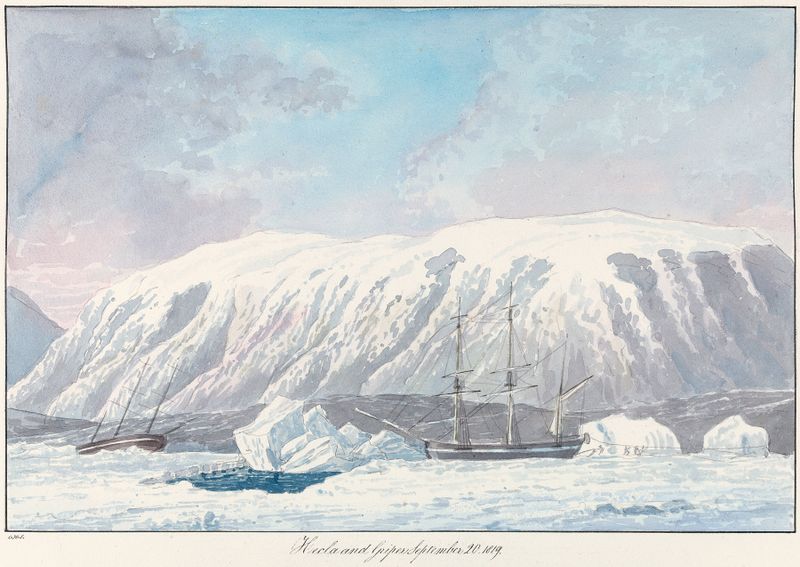
Hecla and Griper
Charles Hamilton Smith

Friendly Cove, Nootka Sound
Charles Hamilton Smith

Iceberg in Baffin’s Bay
Charles Hamilton Smith
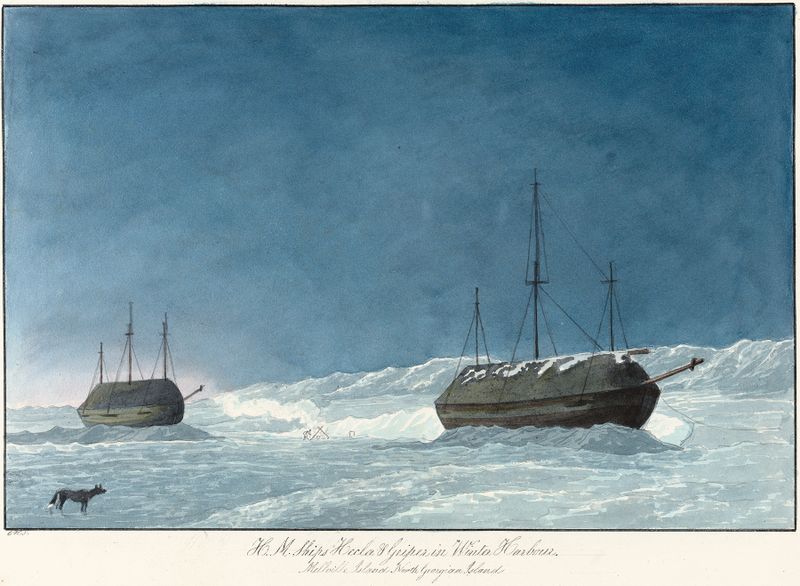
H. M. Ships Hecla and Griper in Winter Harbour
Charles Hamilton Smith

The Erebus & Terror in a Gale in the Pack of the Ice
Charles Hamilton Smith
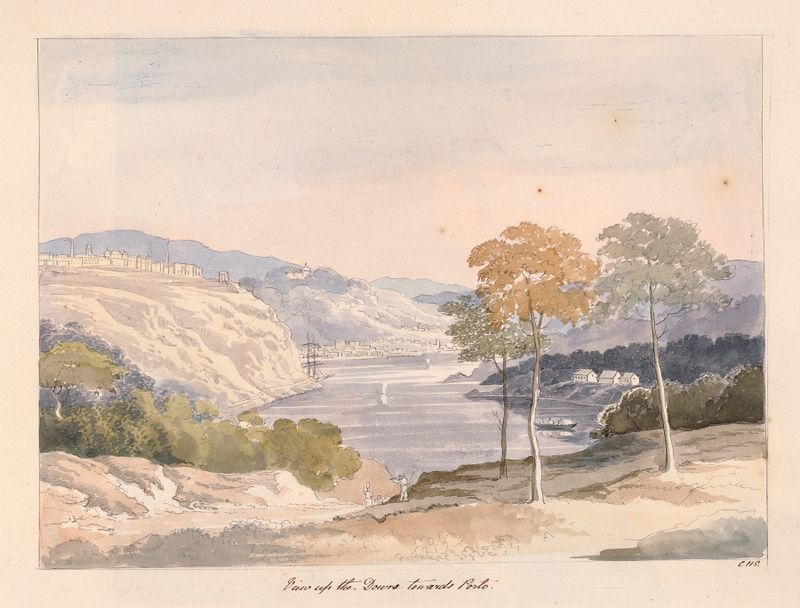
View of the Douro towards Porto
Charles Hamilton Smith
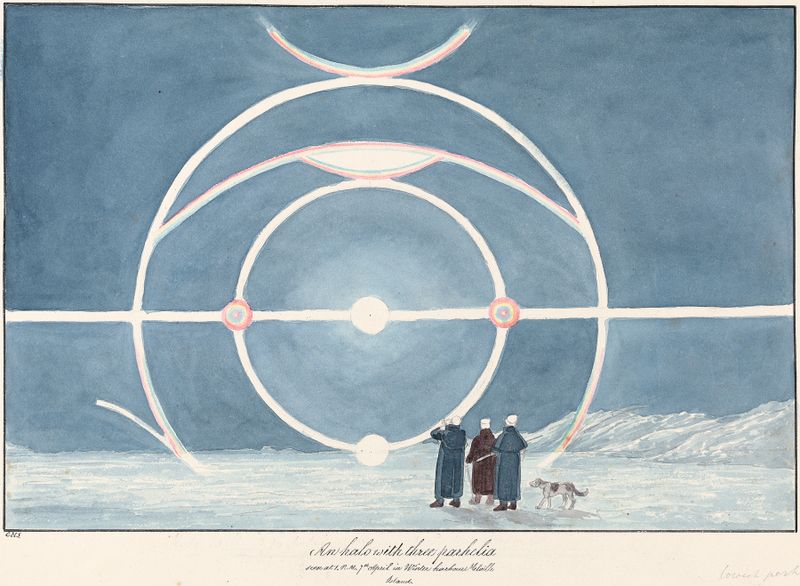
Halo with Three Parhelia, Winter Harbour Melville Island
Charles Hamilton Smith
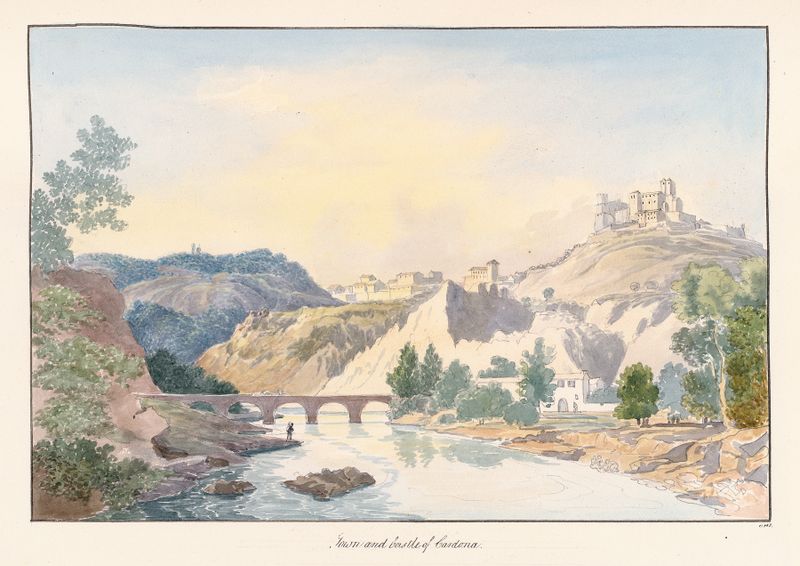
Town and Castle of Cardona
Charles Hamilton Smith
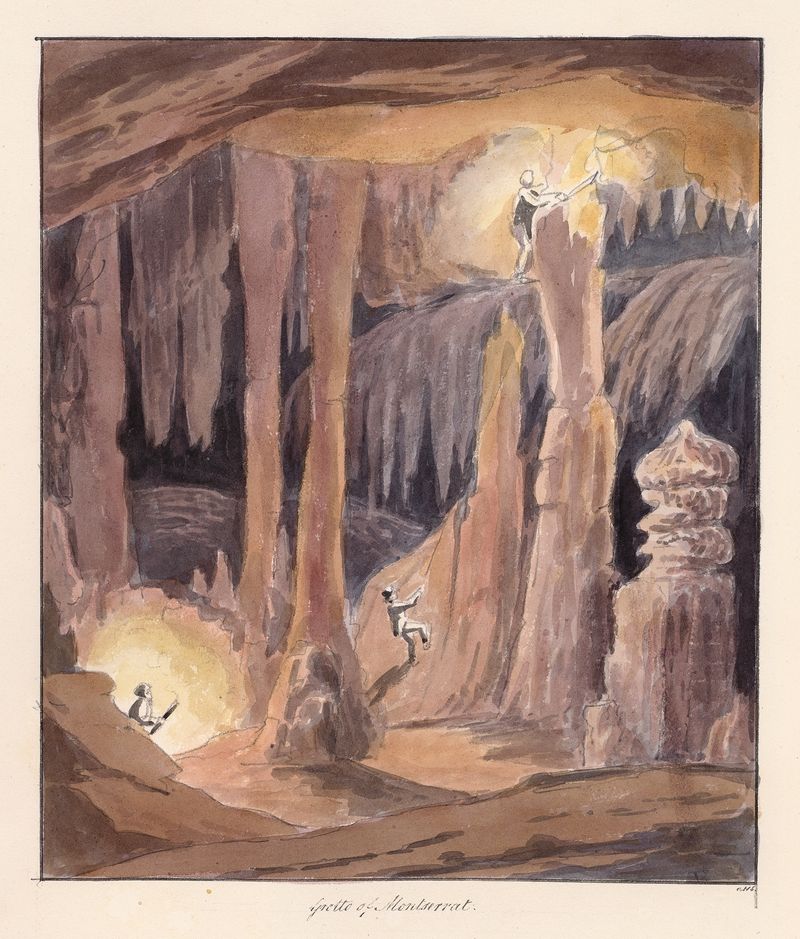
Grotto of Montserrat
Charles Hamilton Smith





