
Rock study, Sumner — History & Facts
In the stillness of nature, a quiet revolution stirs beneath the surface, revealing the raw truth of existence through the age-old strength of rock. Focus first on the earthy palette that dominates this work, where shadows and highlights intertwine to create depth. Notice how the textured surface of the rocks emerges, as though they bear witness to centuries of struggle and change. The artist's brushwork captures not just the physicality of the stones but also their essence, a testament to enduring resilience amidst the passage of time. As you delve deeper, observe the juxtaposition of light and dark, echoing a broader narrative of upheaval and transformation.
The seemingly inert rocks tell stories of epochs gone by, inviting contemplation of their silent yet powerful presence. Each crevice and facet embodies a struggle, a moment frozen in time, reminding us that revolutions — both natural and human — often lie hidden beneath the surface. In 1890, Petrus van der Velden was immersed in his artistic journey in New Zealand, grappling with personal and societal upheavals. This period marked a significant turning point for the artist, as he sought to blend natural observation with deeper philosophical insights, reflecting the changing dynamics of the world around him.
The revolution of his style speaks not only to the landscape before him but also to the transformative energies of his time.
More Artworks by Petrus van der Velden
Browse all →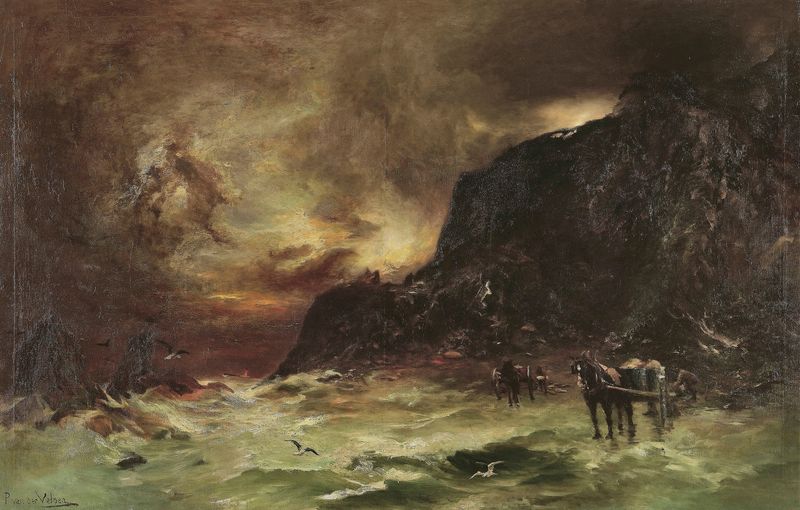
Storm at Wellington Heads, circa 1908
Petrus van der Velden
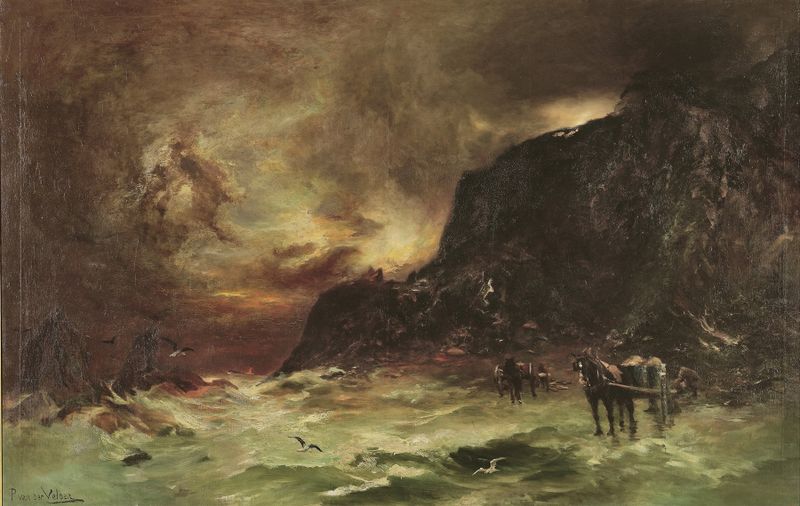
Storm at Wellington Heads
Petrus van der Velden
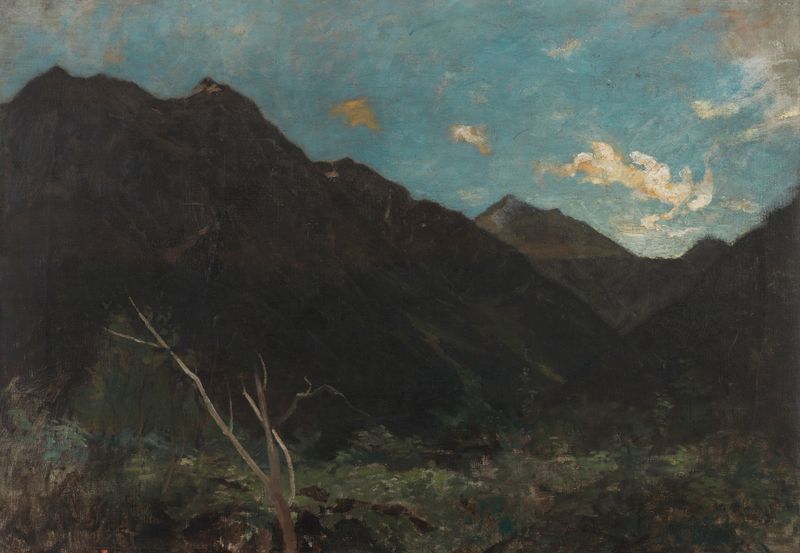
Mount Rolleston
Petrus van der Velden
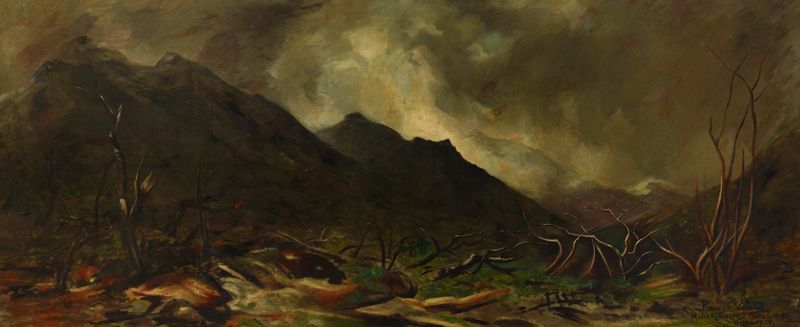
Mount Rolleston, Otira Gorge, West Coast, New Zealand
Petrus van der Velden
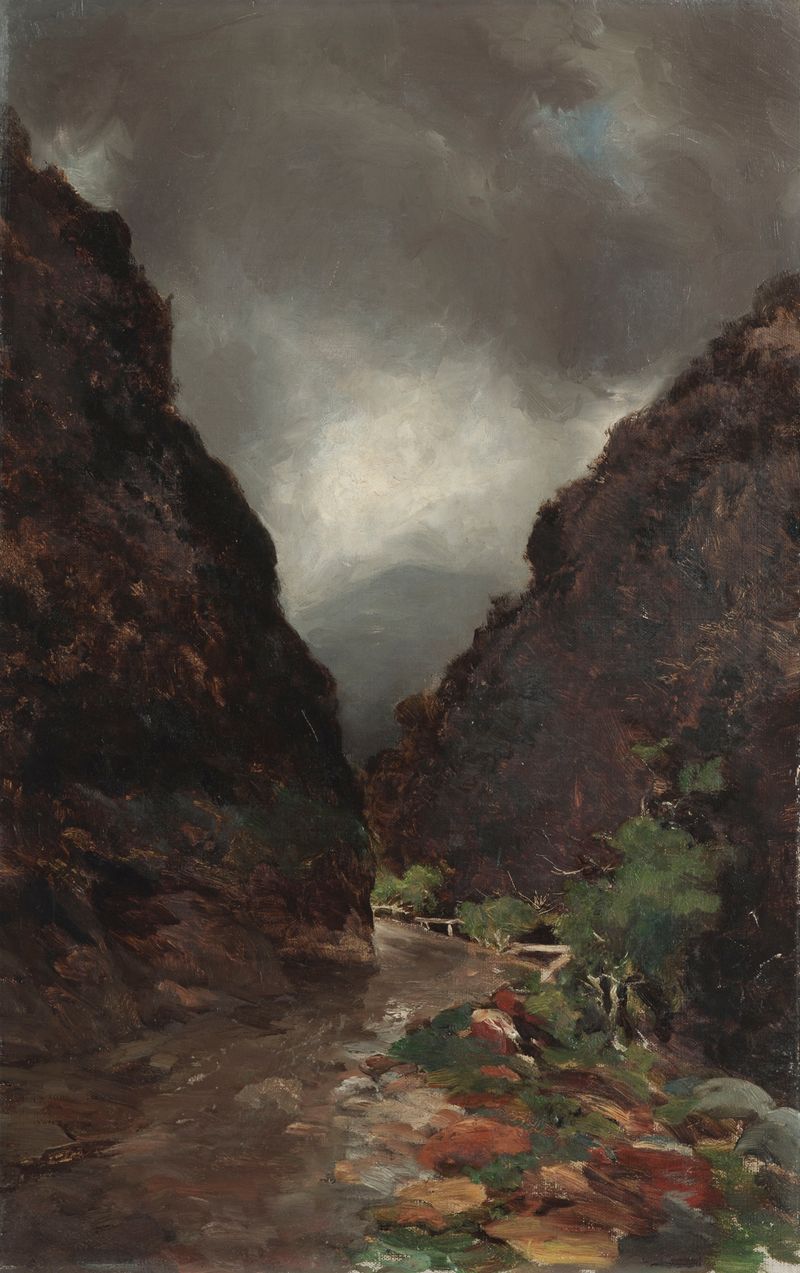
Otira Gorge
Petrus van der Velden
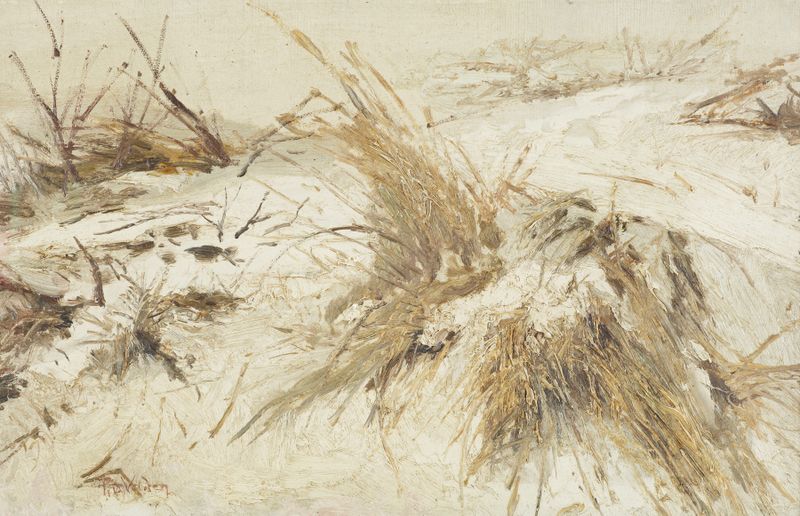
Snow on the sand dunes
Petrus van der Velden
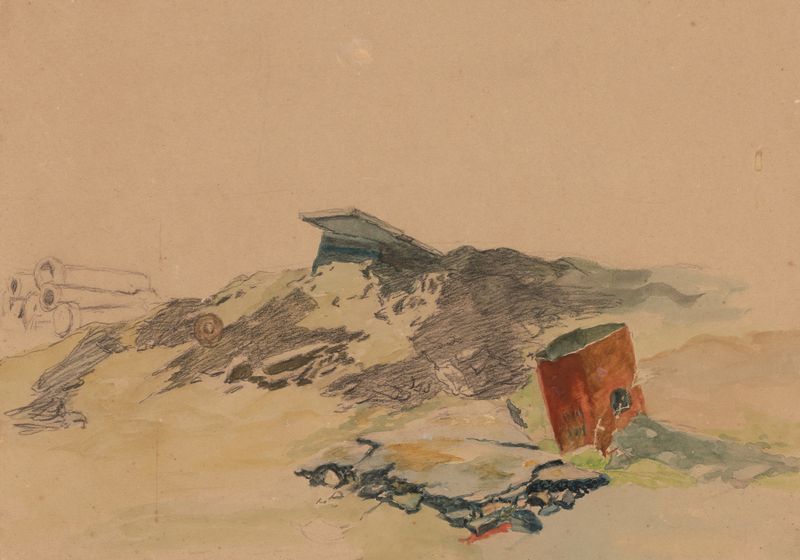
Study of a landscape
Petrus van der Velden
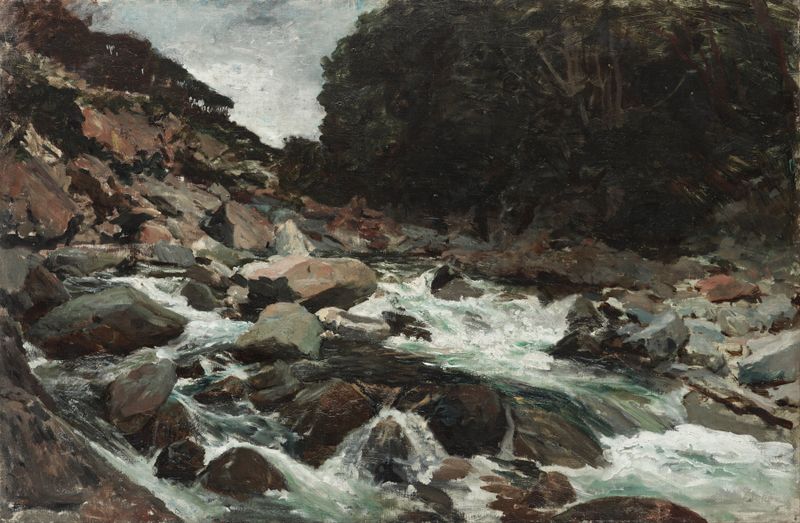
Mountain Stream, Otira Gorge
Petrus van der Velden
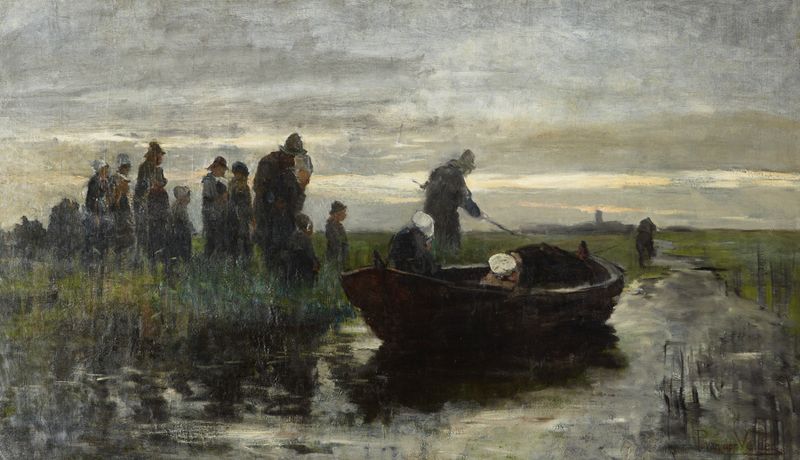
Marken funeral barge
Petrus van der Velden

Tree study
Petrus van der Velden





