
Rocks and overgrown masonry, Bengal — History & Facts
Who listens when art speaks of silence? In Rocks and Overgrown Masonry, Bengal, fear lingers within the stillness, resonating with unspoken narratives hidden beneath layers of stone and nature. Look to the foreground where jagged rocks emerge, their raw edges softened by the encroaching flora. The color palette is muted, dominated by earthy tones that evoke a sense of timeworn solitude. Notice how the light delicately skims the surface of the boulders, casting subtle shadows that breathe life into this forgotten space.
Each overgrown vine and mossy patch feels alive, yet they hint at abandonment, inviting the viewer to reflect on the passage of time and the stories left untold. Within this composition lies a profound contrast between the steadfastness of nature and the decay of human creation. The overgrown masonry speaks to neglect, juxtaposing the idea of what was once vibrant and significant with its now desolate state. This interplay evokes a sense of melancholy, as if the remnants of human endeavor are entwined with the relentless march of nature, suggesting both beauty and loss in the face of time. George Chinnery painted Rocks and Overgrown Masonry, Bengal during a period of personal upheaval while navigating the complexities of colonial India in the 19th century.
His experience there, against a backdrop of cultural exchange and artistic exploration, deeply influenced his work. This piece reflects not only the physical landscape around him but also the emotional landscape of his life as a wandering artist, caught between worlds.
More Artworks by George Chinnery
Browse all →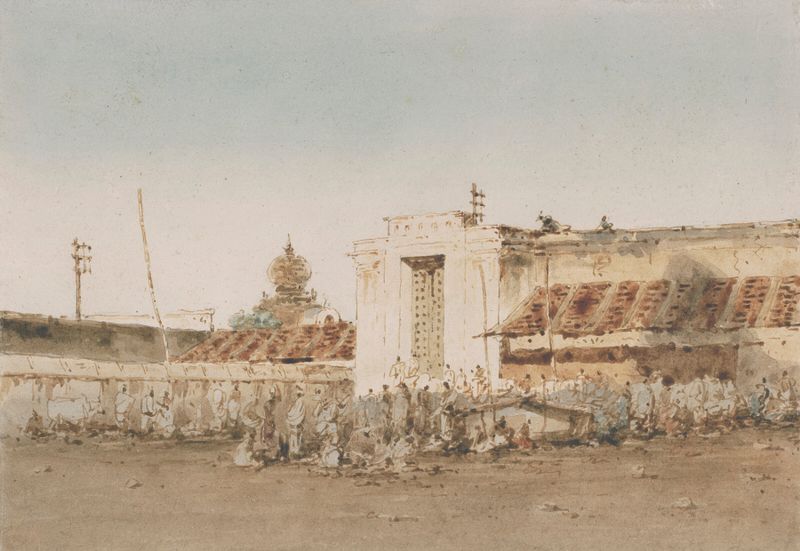
The entrance to ‘the Honourable East India Company’s pagoda’, Madras
George Chinnery
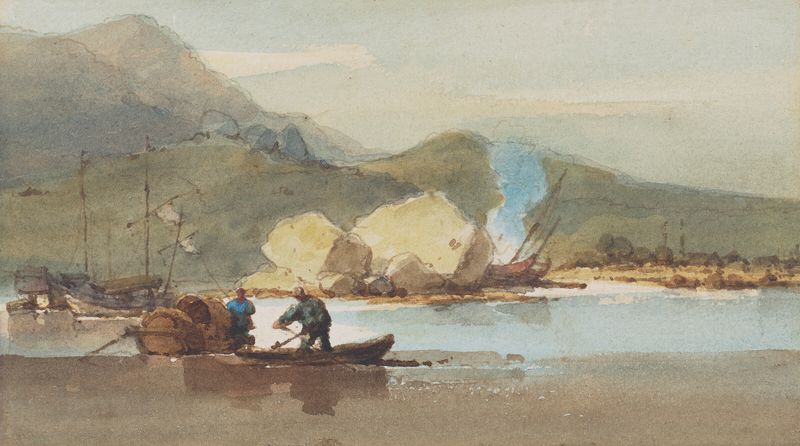
Junks and Tanka boats in a bay, with a beached junk and cooking fire beyond
George Chinnery
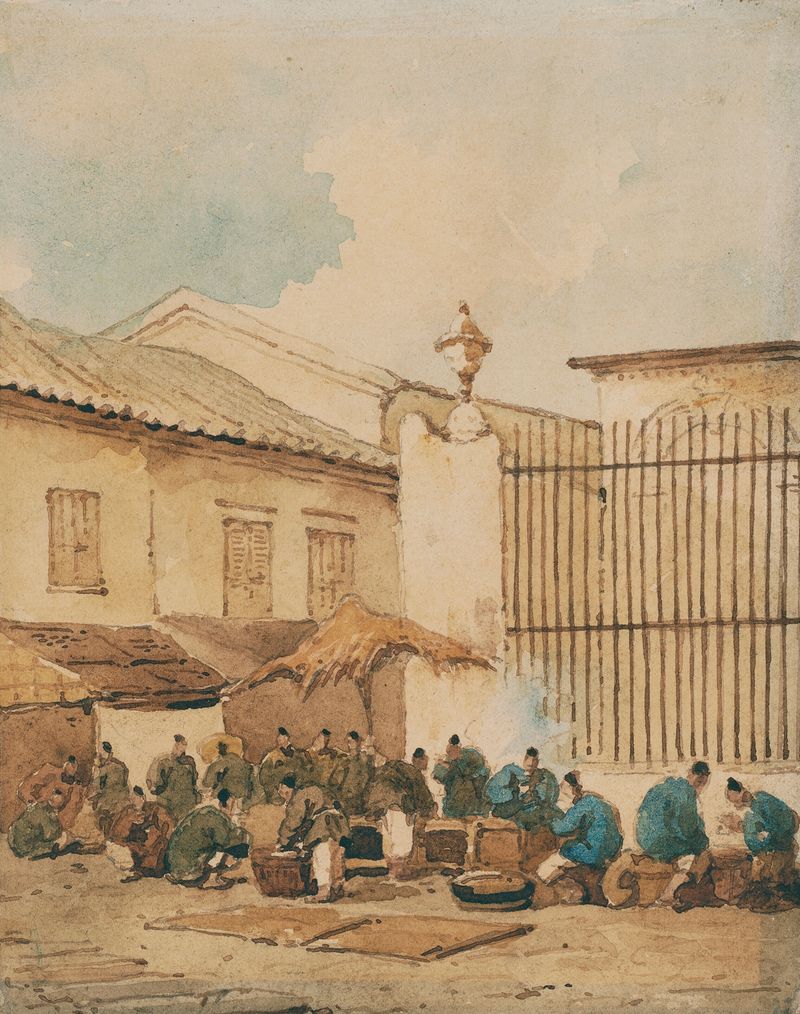
A market outside the railings of St. Dominic’s Church, Macau
George Chinnery

Temple by the Lake
George Chinnery

A River in Ceylon
George Chinnery
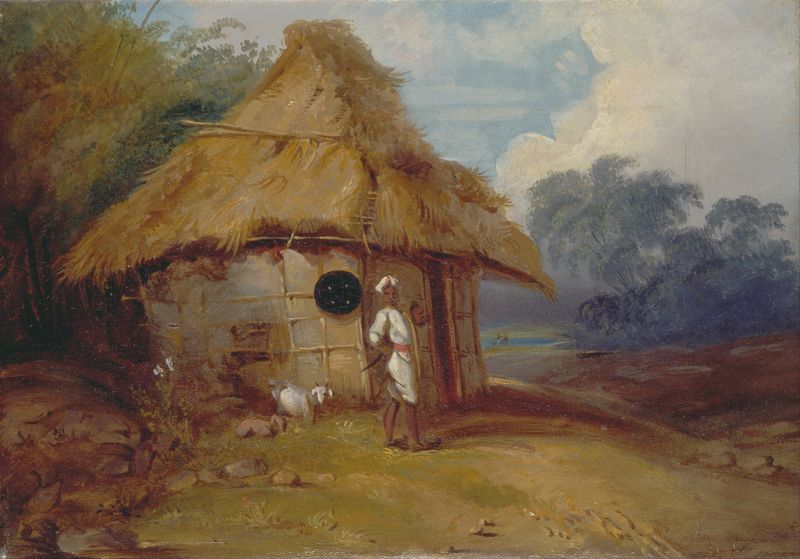
View in Southern India, with a Warrior Outside his Hut
George Chinnery
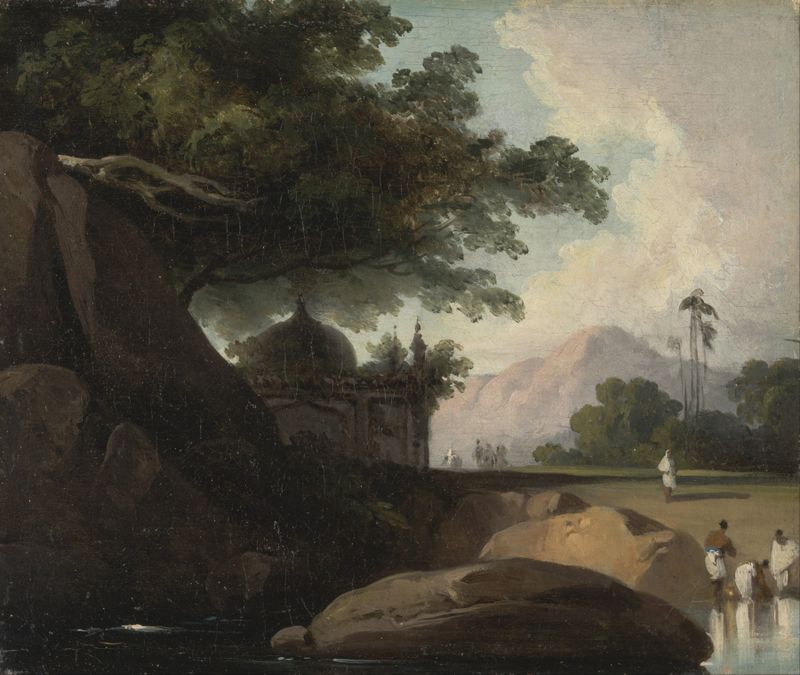
Indian Landscape with Temple
George Chinnery

Madras, a street scene
George Chinnery
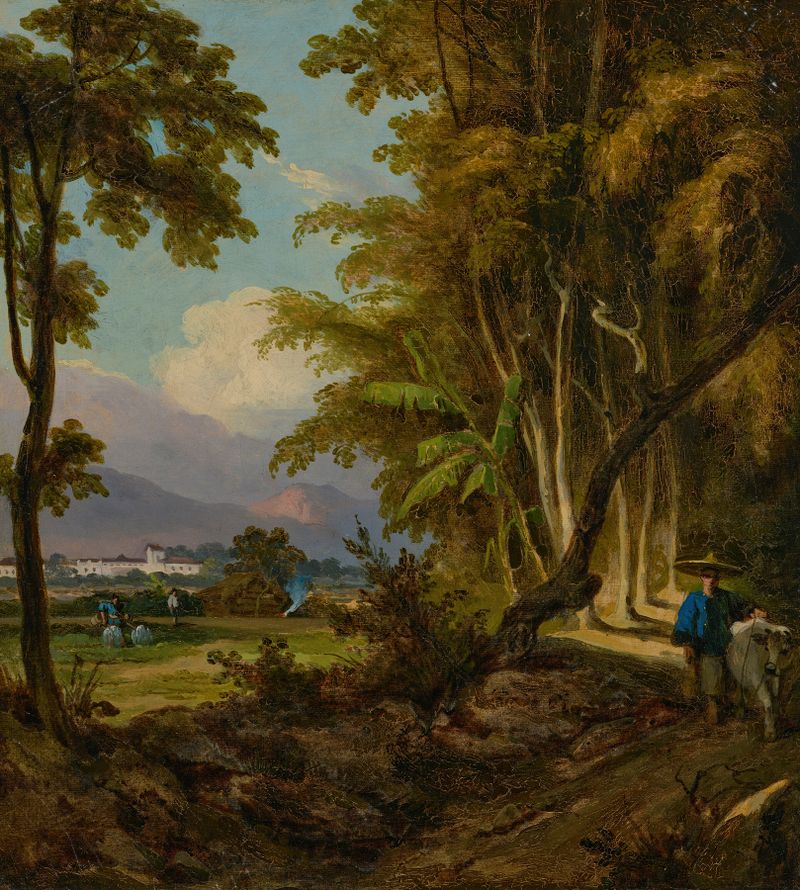
A landscape in Macau with a herdsman walking along a track
George Chinnery

Tanka boat off Macao
George Chinnery





