
Roma, Palace of Caesars — History & Facts
Did the painter know this moment would outlive them? In Roma, Palace of Caesars, a captured glimpse of history reverberates through time, as if to whisper the stories of those who once walked these grand halls. Look to the center of the canvas, where the imposing ruins of the Palace rise majestically, their once-vibrant stones now kissed by time's relentless passage. The artist employs a blend of warm ochres and cool blues to evoke both the splendor and decay of this iconic site. Shadows dance across the structures, playing with light to emphasize the contrasts between the living and the remnants of the past.
The sprawling sky overhead, a brilliant azure, draws the eye upwards, suggesting hope and the eternal nature of beauty within decay. Hidden meanings twirl in the intricate details. Notice the scattered fragments of stone—each tells a tale of glory lost, of triumph turned to ruin, and the inevitability of change. The juxtaposition of light and dark serves as a potent reminder of mortality, while the lush greenery encroaching on the ruins symbolizes nature's reclaiming of what humanity once held dear.
This work resonates with the tension between permanence and transience, urging viewers to reflect on their own legacies. In 1818, Weld painted this piece in Italy, during a period of burgeoning Romanticism. The artist was deeply influenced by the historical and cultural richness of the region, which mirrored the broader European fascination with antiquity. At this time, the world of art was shifting, with a growing emphasis on emotional expression and individual experience—ideals that would forever shape the narrative of art history.
More Artworks by Isaac Weld
Browse all →
View of Mount Vernon, the seat of General Washington
Isaac Weld

Caernarvon (Castle)
Isaac Weld

View of Niagara Falls with Two Figures Sitting on a Rock Center Foreground
Isaac Weld
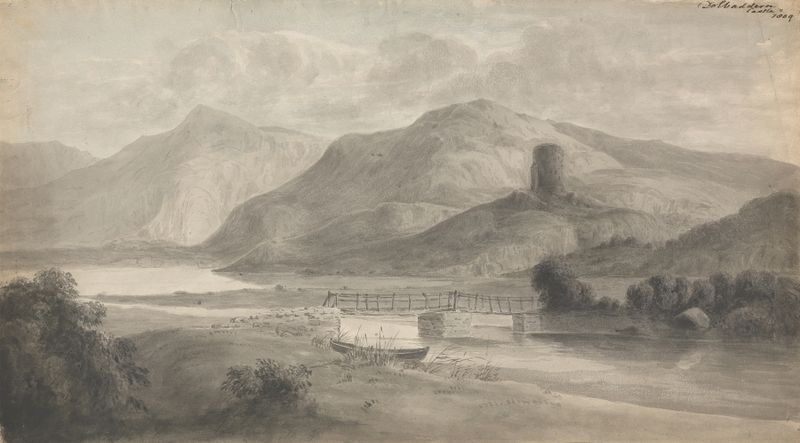
Dolbadarn Castle (North Wales)
Isaac Weld

View of Niagara Falls with Two Figures on Rock in Right Foreground
Isaac Weld
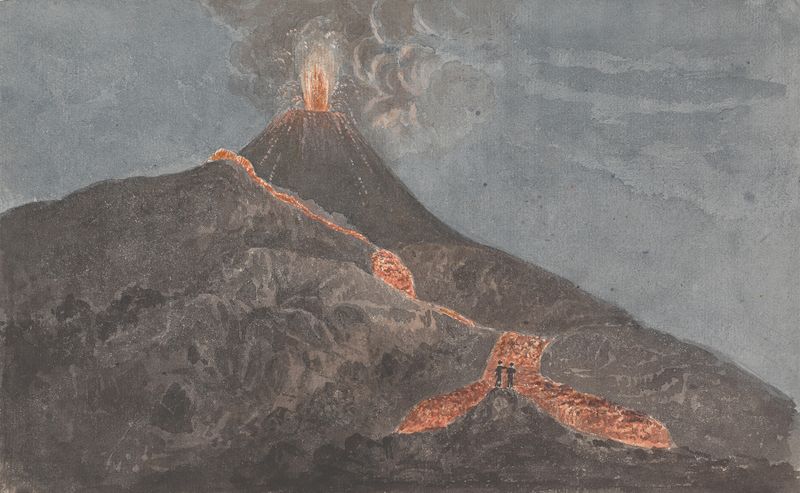
Vesuvius in Eruption
Isaac Weld
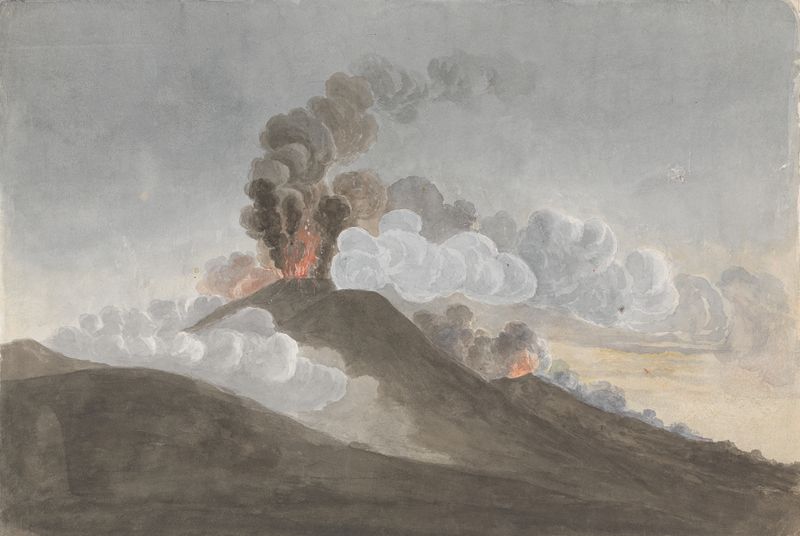
Vesuvius in Eruption.
Isaac Weld
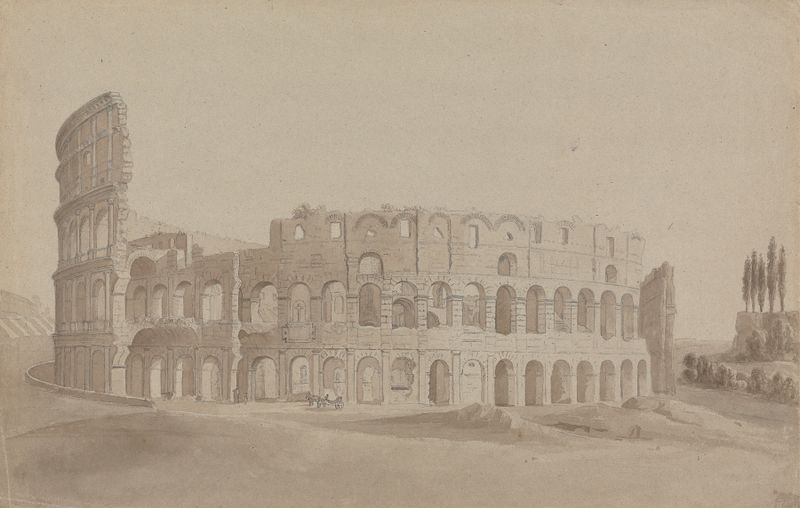
The Colosseum, Rome
Isaac Weld
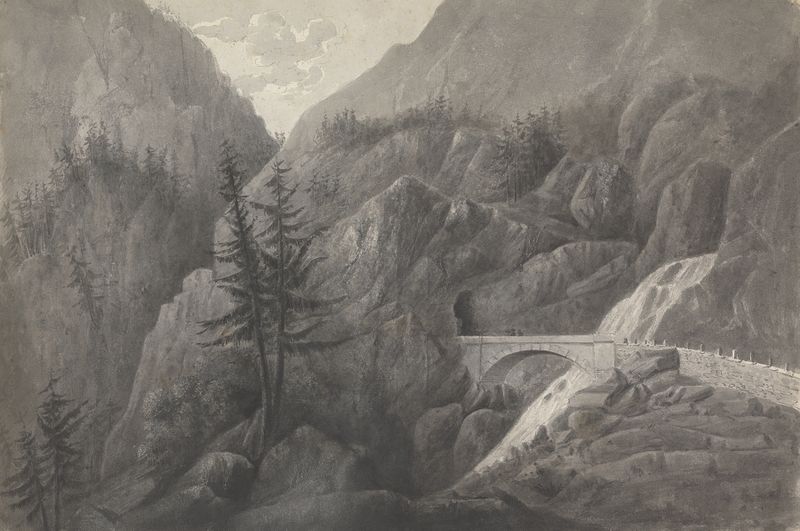
Simplon (Switzerland)
Isaac Weld
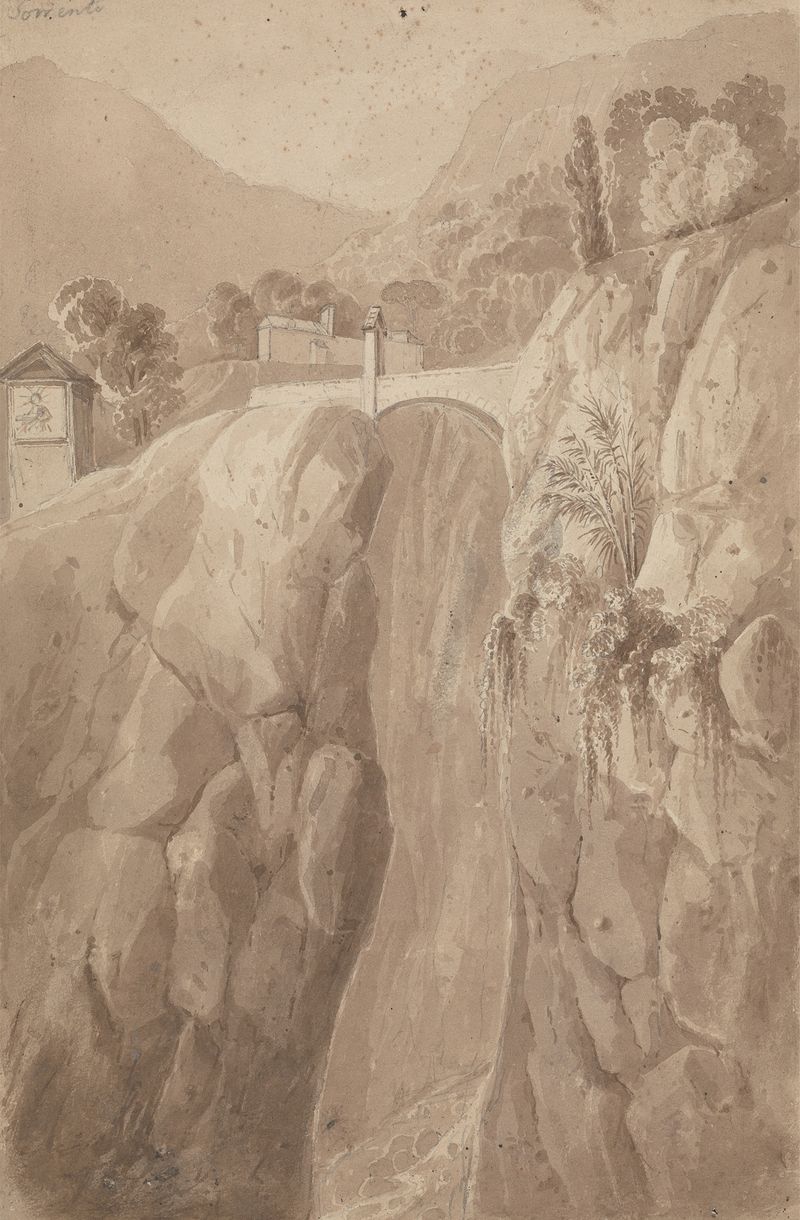
Sorrento
Isaac Weld
More Architecture Art
Browse all →
The statue of Liberty
Frédéric Auguste Bartholdi

View of Houses in Delft, Known as ‘The Little Street’
Johannes Vermeer

View of Houses in Delft, Known as ‘The Little Street’
Johannes Vermeer

The Cathedral in Rouen. The portal, Grey Weather
Claude Monet

The yellow house
Vincent van Gogh

The Church in Auvers-sur-Oise, View from the Chevet
Vincent van Gogh