
Roman Castellum and Viaduct at Evora — History & Facts
In a world where the pulse of decay beats quietly beneath the surface, beauty often emerges from the remnants of history. The dance between time and transformation reveals an eternal truth, that what is lost can still echo with splendor. Look to the foreground of the painting, where the crumbling walls of the castellum juxtapose against the vibrant greenery that encroaches upon their surface. The artist employs a palette of muted earth tones punctuated by dashes of life-affirming green, inviting you to witness nature’s gentle reclamation.
Notice how the light filters through the clouds, casting a soft glow that highlights both the architecture’s intricate details and the wildflowers that blossom in defiance of decay. Each brushstroke captures not only the structure but the stories embedded in the stone. As you explore further, subtle contrasts unfold. The rigid lines of the viaduct, a testament to human endeavor, stand firm against the organic chaos of nature’s advance.
This dichotomy reflects the existential tension between civilization and the inevitable pull of time. The artist encourages contemplation on the passage of life, where even the grandest achievements are subject to the whims of decay, yet remain hauntingly beautiful in their vulnerability. Charles Hamilton Smith created this artwork during a period of burgeoning interest in landscape and architectural representation, likely in the early 19th century. His works, steeped in historical context, often reflected the romantic ideals of the time, celebrating both nature and human ingenuity.
As Europe faced rapid industrial changes, Smith’s renderings served as both a nostalgic homage to the past and a prescient acknowledgment of impermanence.
More Artworks by Charles Hamilton Smith
Browse all →
Situation of H.M.S. Hecla & Griper
Charles Hamilton Smith
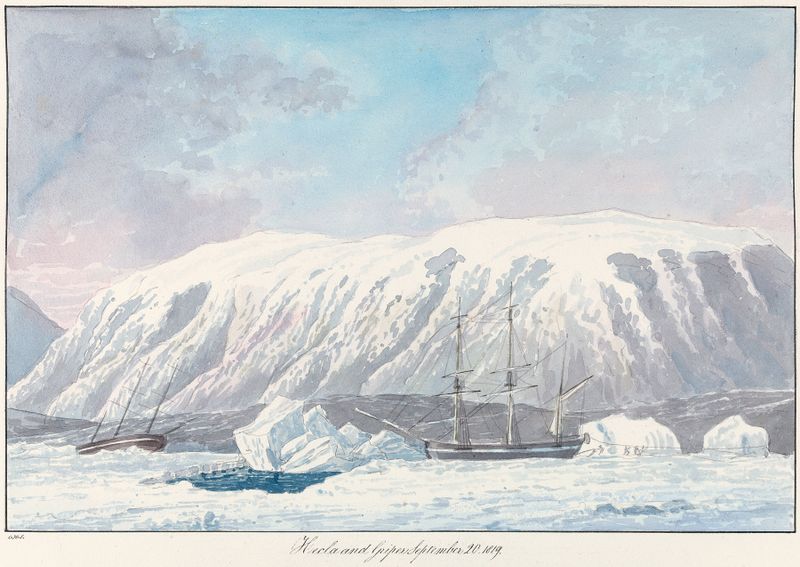
Hecla and Griper
Charles Hamilton Smith

Friendly Cove, Nootka Sound
Charles Hamilton Smith

Iceberg in Baffin’s Bay
Charles Hamilton Smith
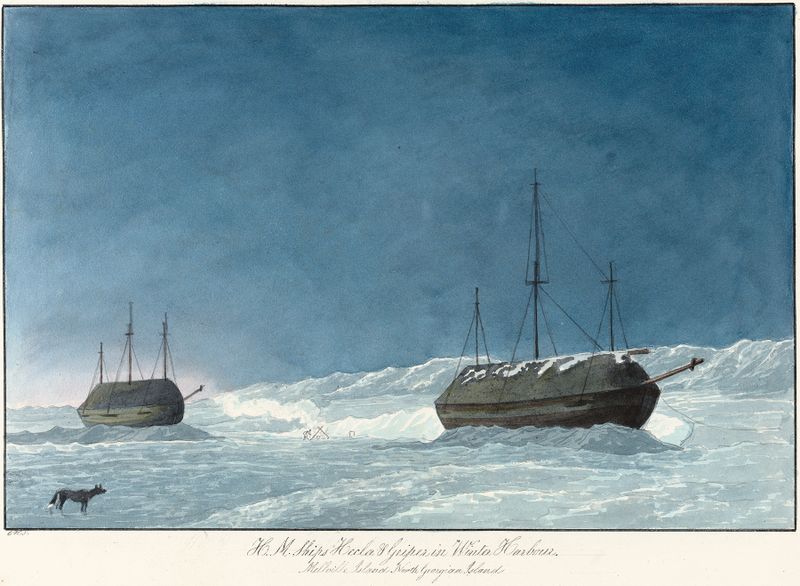
H. M. Ships Hecla and Griper in Winter Harbour
Charles Hamilton Smith

The Erebus & Terror in a Gale in the Pack of the Ice
Charles Hamilton Smith
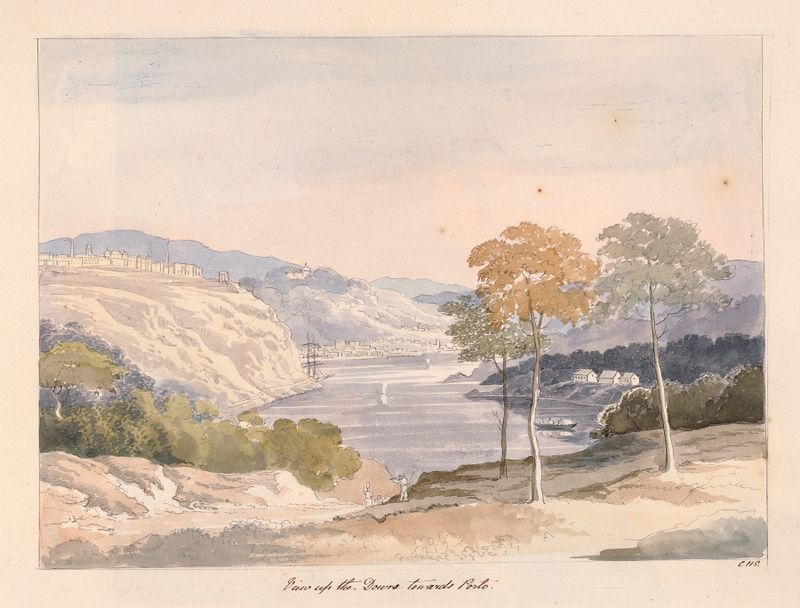
View of the Douro towards Porto
Charles Hamilton Smith
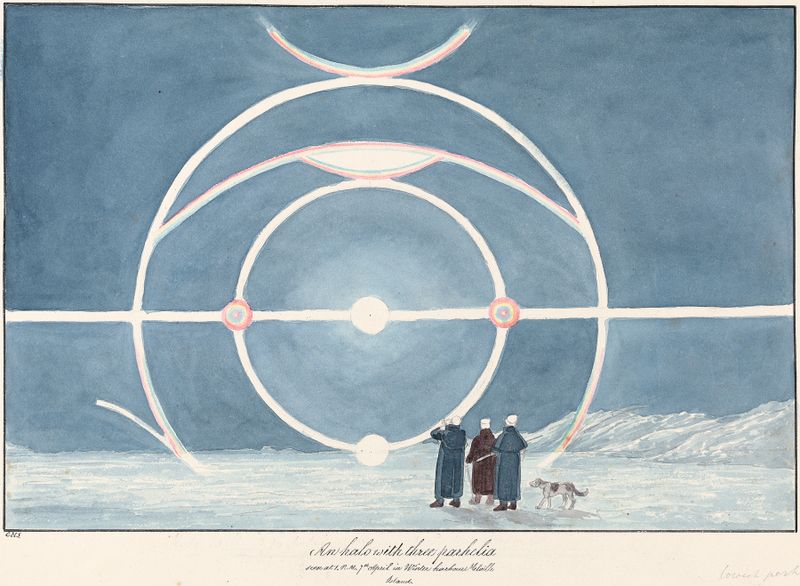
Halo with Three Parhelia, Winter Harbour Melville Island
Charles Hamilton Smith
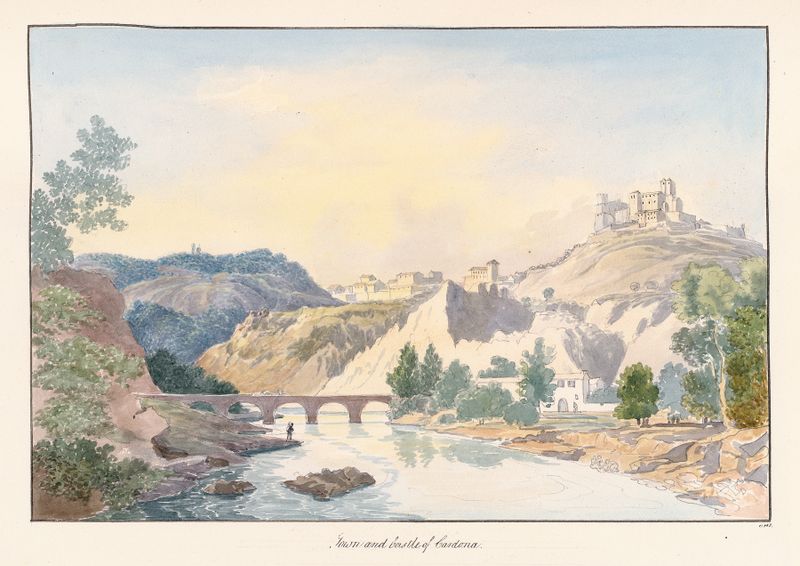
Town and Castle of Cardona
Charles Hamilton Smith
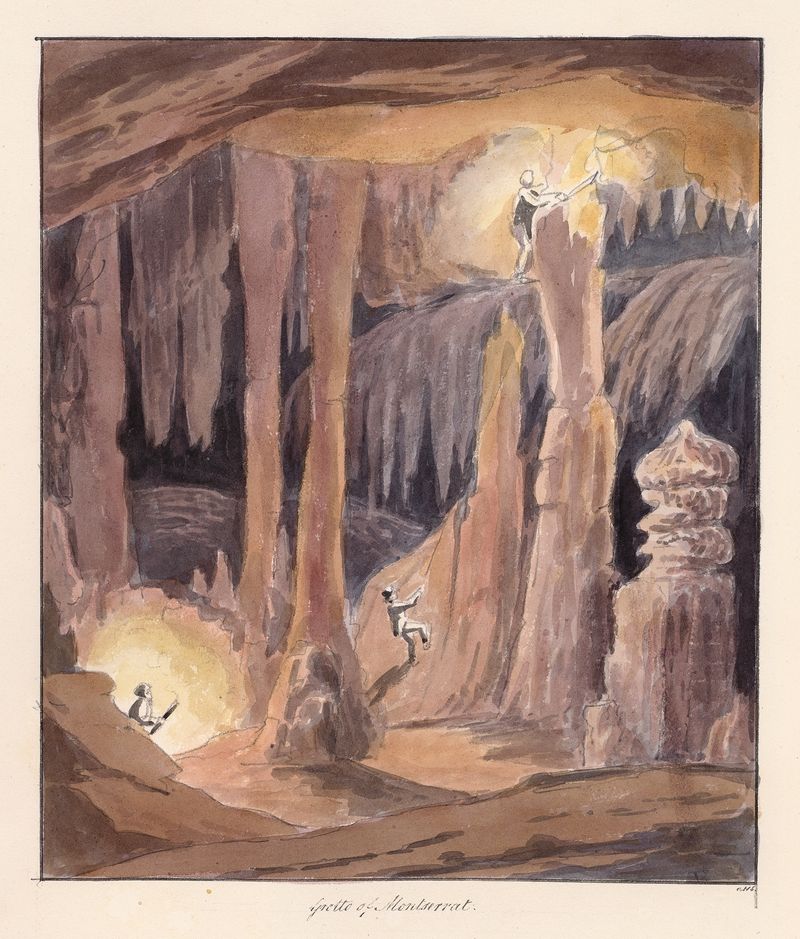
Grotto of Montserrat
Charles Hamilton Smith





