
Roman triumphal arch — History & Facts
This thought lingers in the air, echoing the bittersweet essence of desire that permeates the fabric of existence. Focus on the arch's grand structure, towering in the foreground with its intricate carvings. Notice how the soft sunlight caresses its weathered stones, casting delicate shadows that dance across the landscape. Look closely at the people milling about, their small figures accentuating the arch's monumental presence, each lost in their own moment of reflection.
The interplay of light and shadow adds depth, suggesting a story that stretches beyond the frame, forever elusive. As you delve deeper, consider the arch as a symbol of triumph and the weight of history it bears. The meticulous details in its design hint at a longing for glory, yet they also speak to the passage of time and the inevitable erosion of success. The juxtaposition of grandeur and decay invites contemplation on our own desires — the pursuit of achievement, the sweet taste of victory, and the fleeting nature of fulfillment. In creating this work, Robert was immersed in a world where neoclassicism flourished.
His art, produced during the late 18th century, reflects an era fascinated with antiquity and the idealization of Roman architecture. At this time, he was based in Paris, where he engaged with the artistic community, drawing inspiration from both his travels and the rich historical narratives that shaped his vision.
More Artworks by Hubert Robert
Browse all →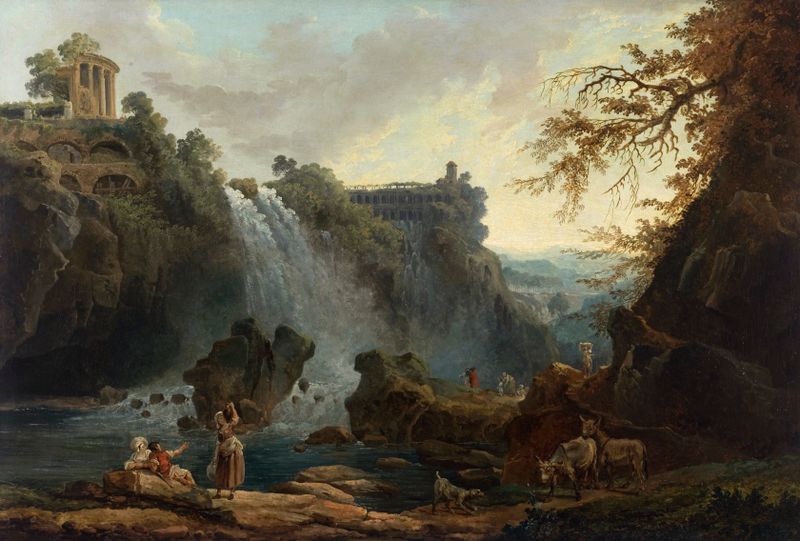
Les Cascatelles de Tivoli
Hubert Robert
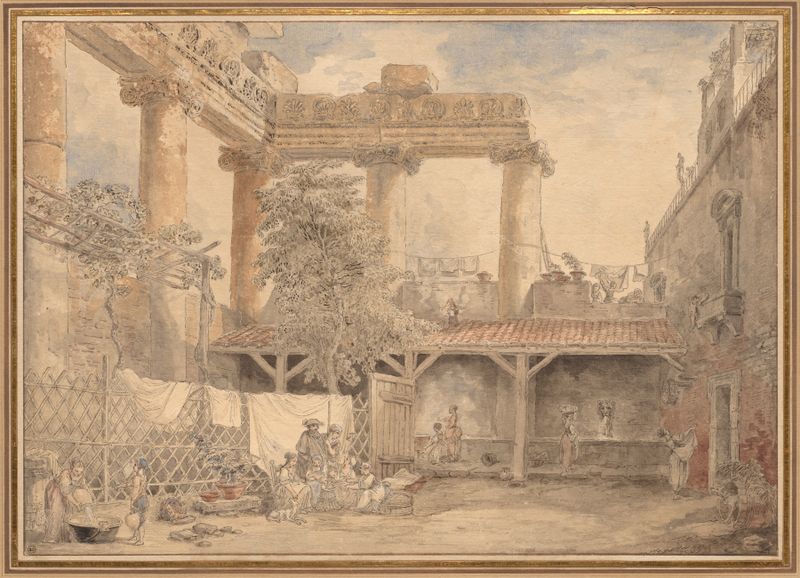
Roman Ruins, Villa Pamfili
Hubert Robert

The Rustic Bridge, Château de Méréville, France
Hubert Robert

The Portico of a Country Mansion
Hubert Robert

Architectural Capriccio
Hubert Robert

The Obelisk
Hubert Robert
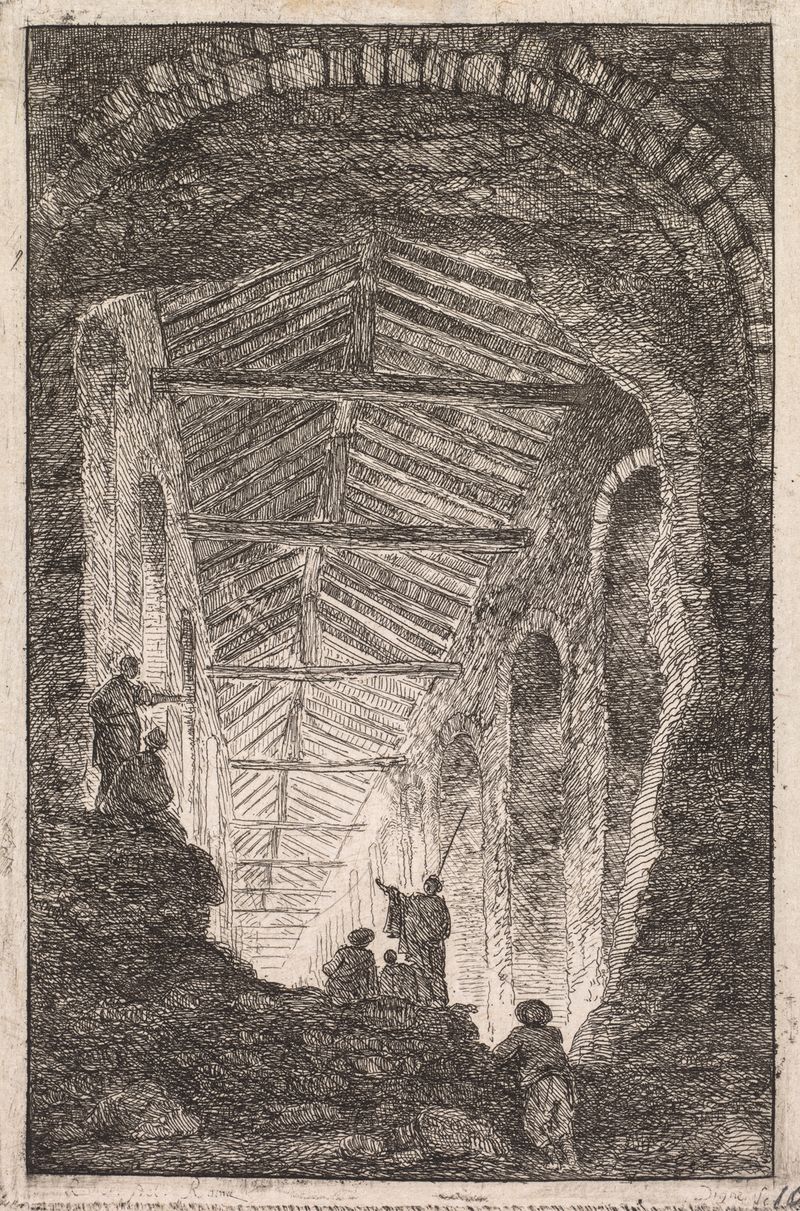
The Antique Gallery
Hubert Robert

L’incendie de l’Opéra, vu des jardins du Palais-Royal, le 8 juin 1781
Hubert Robert
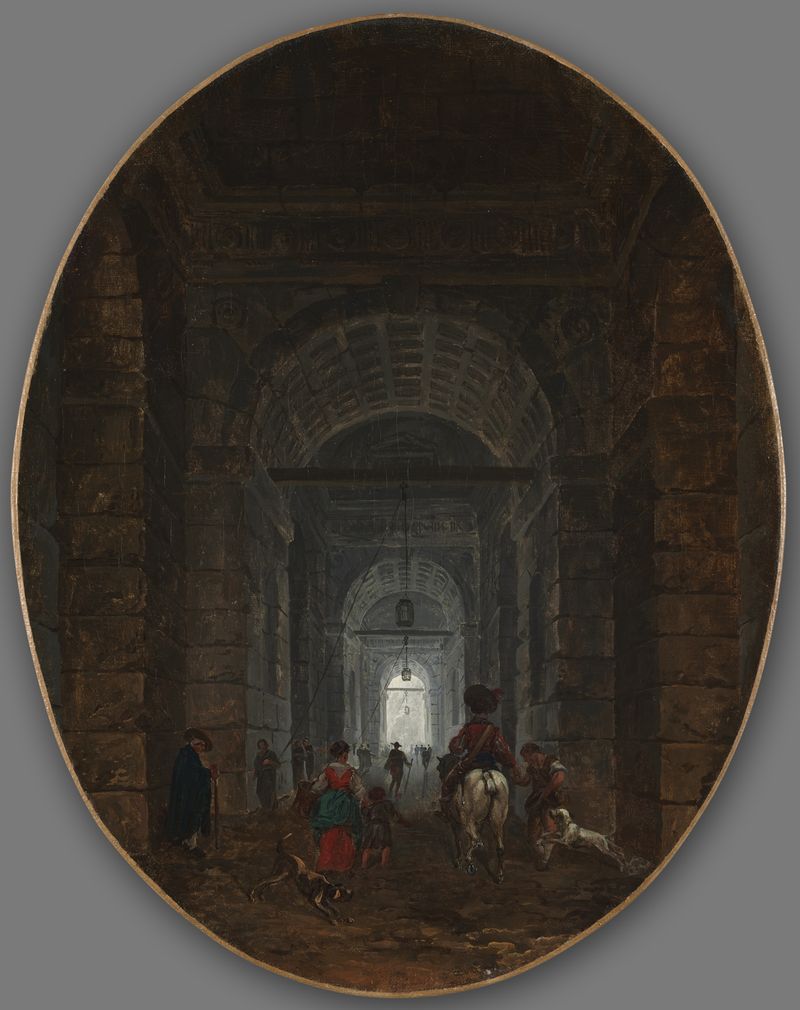
The Grotto of Posillipo
Hubert Robert

Architectural Capriccio with ruins of the Temple of Saturn and the Colosseum in the background
Hubert Robert
More Architecture Art
Browse all →
The statue of Liberty
Frédéric Auguste Bartholdi

View of Houses in Delft, Known as ‘The Little Street’
Johannes Vermeer

View of Houses in Delft, Known as ‘The Little Street’
Johannes Vermeer

The Cathedral in Rouen. The portal, Grey Weather
Claude Monet

The yellow house
Vincent van Gogh

The Church in Auvers-sur-Oise, View from the Chevet
Vincent van Gogh