Rome, A Capriccio View Of The Tiber With The Castel Sant’angelo, Peasants With Their Cattle On The River Banks — History & Facts
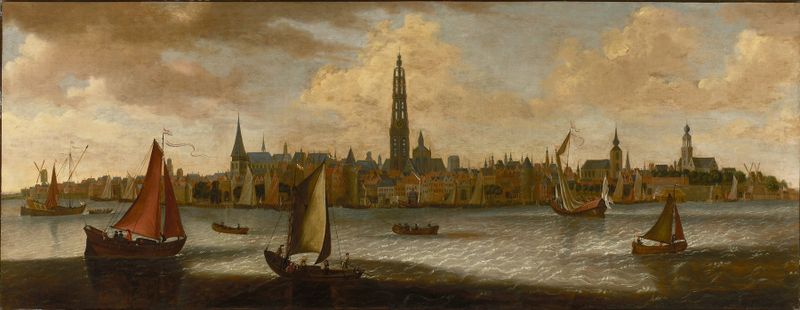
Could beauty survive in a century of chaos? Rome, A Capriccio View Of The Tiber With The Castel Sant’angelo, Peasants With Their Cattle On The River Banks confronts this question, inviting viewers to breathe in the vibrant colors that dance across the canvas. Look to the foreground, where the warm earth tones of peasants and their cattle blend harmoniously with the gentle blues of the Tiber River. Notice how the light, filtered through the soft clouds above, casts a serene glow over the scene, highlighting the reflective surface of the water and the majestic Castel Sant’Angelo in the background. The composition draws your eye through the layered landscape, from the bustling life of the riverbank to the architectural marvel standing watch over the city. Yet beneath this picturesque exterior lies a tension between tranquility and the looming shadows of history.
The peasants, immersed in their daily toil, seem unaware of the grand narratives unfolding beyond their immediate realm. The vibrant colors evoke a sense of fleeting beauty, suggesting that moments of peace are transient in a world fraught with uncertainty. Each brushstroke captures the essence of lived experiences, weaving together the lives of the ordinary and the extraordinary. Matthijs Schoevaerdts created this work during a time when the romantic idealization of landscapes was gaining popularity in Europe.
Although the exact date remains unknown, the artist's focus on rustic charm and classical architecture resonates with the shifting tides of art in the late 17th century. Amidst the chaos of societal change, this piece stands as both an homage to nature and a reflection on the enduring spirit of humanity.