
Rome, Porta Pia — History & Facts
In moments of stillness, the heart of time beats gently, whispering secrets that only the canvas can hold. Focus your gaze on the expanse of sky, where soft clouds drift lazily against the serene blue. The majestic Porta Pia stands resolute, its ancient stones weathered yet proud, inviting viewers to ponder the passage of epochs. Notice the interplay of light and shadow as the late afternoon sun bathes the scene in a golden hue, highlighting intricate architectural details while casting elongated shadows that seem to breathe life into the structure itself. Within this captured moment, consider the profound contrast between the city's historical weight and the fleeting nature of the day.
The archway, a testament to resilience, symbolizes the enduring human spirit against the relentless march of time. Observing the figures at the base, one can feel the quietude of contemplation; they appear lost in thought, reflecting on the stories held within the stone. Each brushstroke becomes a reminder that history, while static, is never truly finished. In 1818, Weld painted this piece while in Rome, a city rich with historical resonance, during a period when Romanticism was galvanizing artistic expression across Europe.
The artist sought to convey both the grandeur and the intimacy of the eternal city, capturing a moment that invites viewers to reflect on their own relationship with time and place, amid a world moving ever forward.
More Artworks by Isaac Weld
Browse all →
View of Mount Vernon, the seat of General Washington
Isaac Weld

Caernarvon (Castle)
Isaac Weld

View of Niagara Falls with Two Figures Sitting on a Rock Center Foreground
Isaac Weld
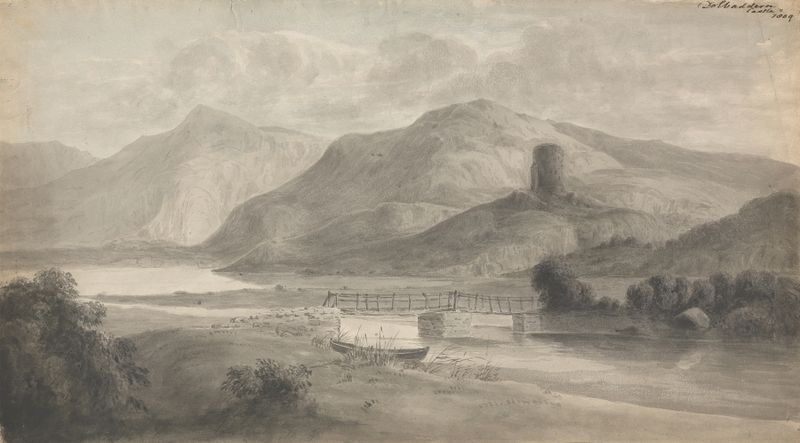
Dolbadarn Castle (North Wales)
Isaac Weld

View of Niagara Falls with Two Figures on Rock in Right Foreground
Isaac Weld
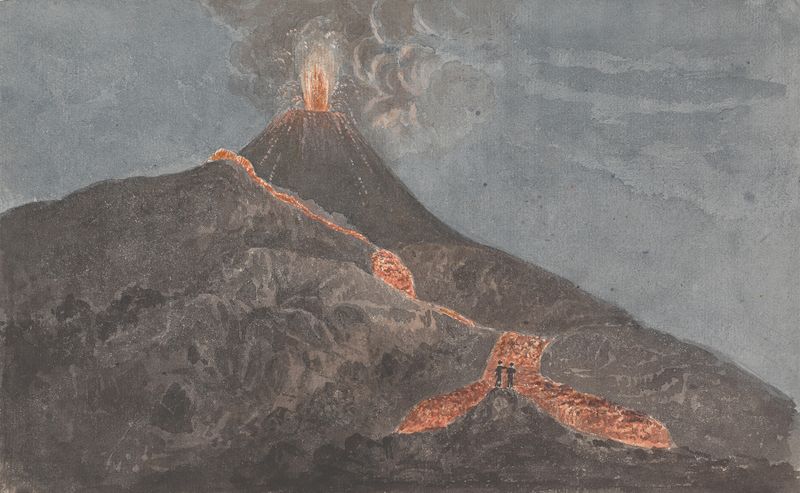
Vesuvius in Eruption
Isaac Weld
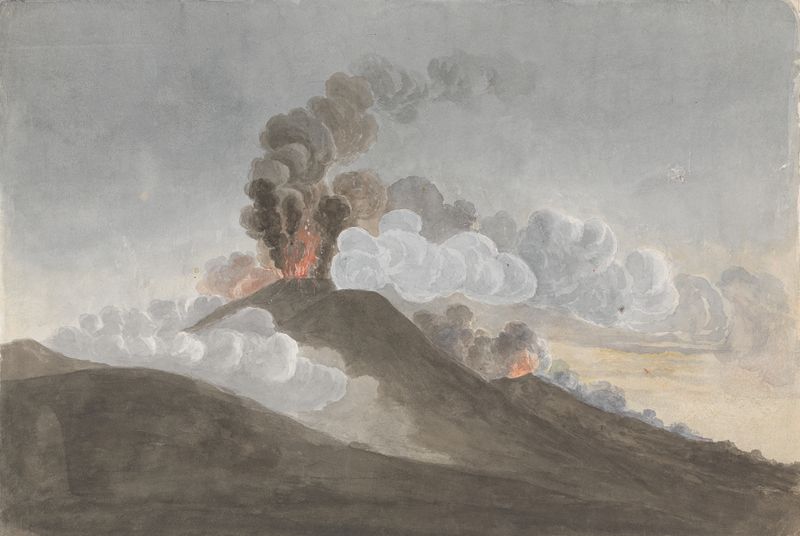
Vesuvius in Eruption.
Isaac Weld
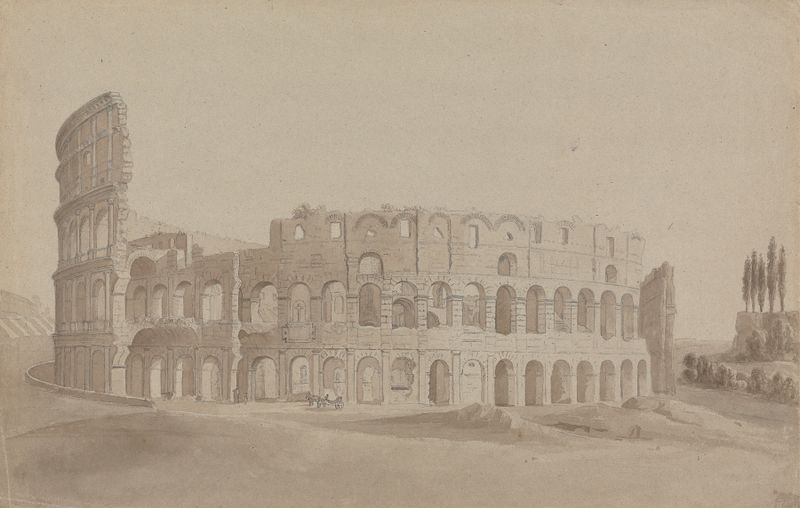
The Colosseum, Rome
Isaac Weld
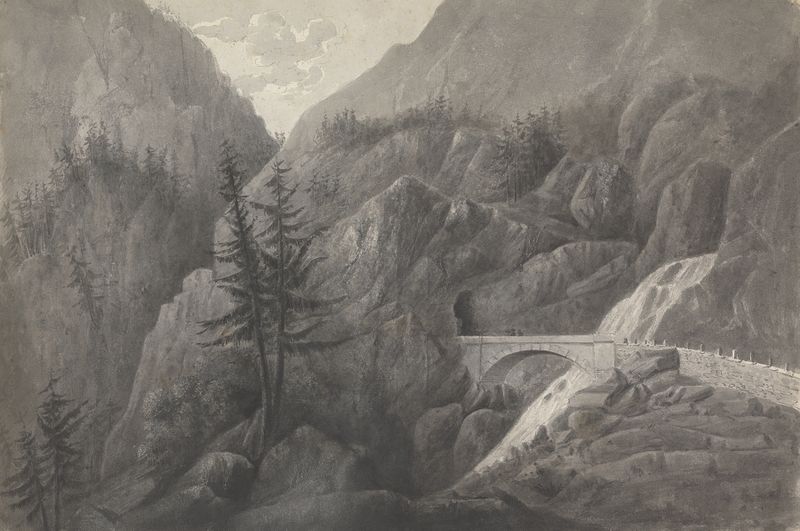
Simplon (Switzerland)
Isaac Weld
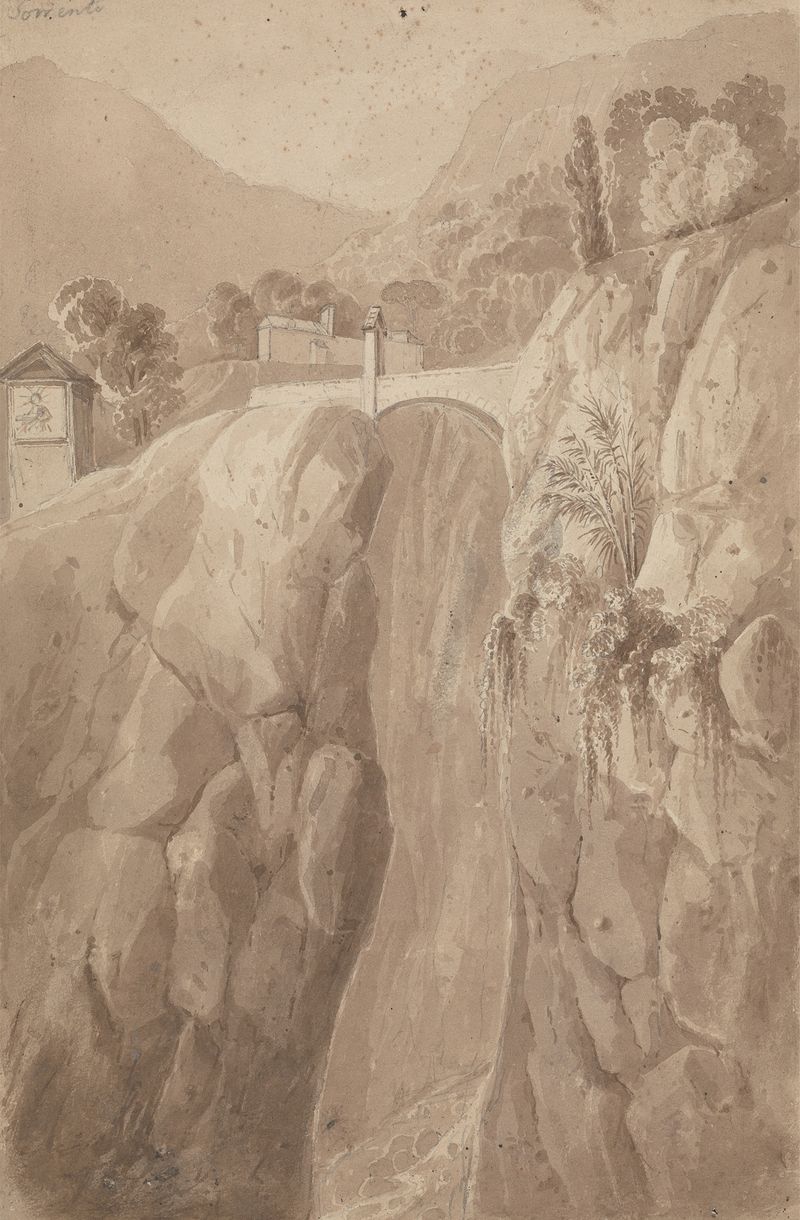
Sorrento
Isaac Weld
More Architecture Art
Browse all →
The statue of Liberty
Frédéric Auguste Bartholdi

View of Houses in Delft, Known as ‘The Little Street’
Johannes Vermeer

View of Houses in Delft, Known as ‘The Little Street’
Johannes Vermeer

The Cathedral in Rouen. The portal, Grey Weather
Claude Monet

The yellow house
Vincent van Gogh

The Church in Auvers-sur-Oise, View from the Chevet
Vincent van Gogh